
Best Time to Visit Tasmania
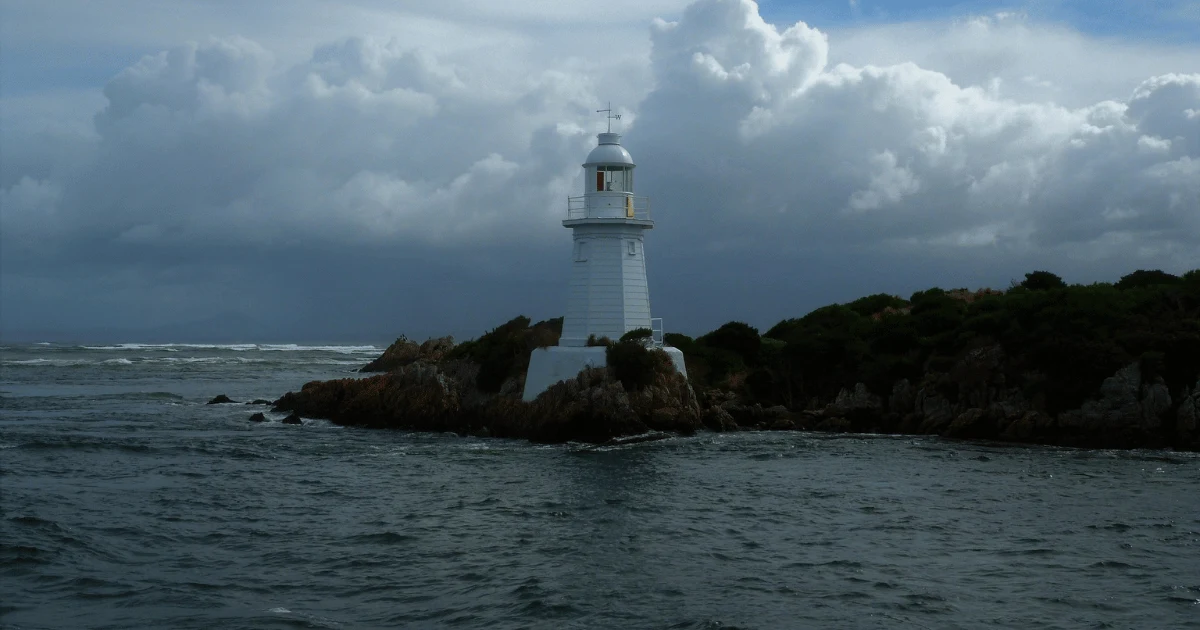
The best time to visit Tasmania is December to April. This is when days are warmest and longest (summer daylight lasts past 9pm), and it is the strongest window for hiking, beaches, road trips and wildlife. Within that window, March and April are the sweet spot for travelers who want scenic drives, comfortable temperatures and fewer crowds than the January peak.
Tasmania has four distinct seasons, and each has its own draw: summer for beaches, lavender and festivals; autumn for touring, walking and golden foliage; winter for highland snow, Dark Mofo and the Southern Lights; and spring for wildflowers, waterfalls, whales and baby wildlife.
Affiliate disclosure: This article contains affiliate links. If you book or buy through some of the links, TripAndAtlas may earn a small commission at no extra cost to you. Our recommendations are based on usefulness and trip-planning value.
Planning a bigger trip? Read our guide to the best time to visit Australia, the Australia Travel Guide, and our guides to the best time to visit Melbourne and Sydney if you are combining Tasmania with the mainland.
Best Time to Visit Tasmania: Quick Answer
| Your priority | Best time to visit Tasmania |
|---|---|
| Best overall | December–April |
| Best for scenic drives and quieter travel | March–April |
| Beaches, swimming and long days | December–February |
| Hiking and multi-day walks | November–April |
| Autumn foliage | Late April–May |
| Lavender | Mid-December to mid-January |
| Snow, cozy stays, Dark Mofo and Southern Lights | June–August |
| Wildflowers, waterfalls and tulips | September–November |
| Penguins | September–February (breeding season) |
| Fewer crowds | Autumn, winter and spring |
| Season | Best for | Crowds | Value |
|---|---|---|---|
| Summer (Dec–Feb) | Beaches, hiking, lavender, festivals | Highest | Prices and demand peak, so book ahead |
| Autumn (Mar–May) | Road trips, walking, foliage, food and wine | Medium, easing through the season | Often better availability |
| Winter (Jun–Aug) | Snow, auroras, festivals, cozy stays | Lowest | Quieter, with more flexibility |
| Spring (Sep–Nov) | Wildlife, wildflowers, waterfalls | Medium | Good shoulder-season balance |
Which to choose. Pick summer for beaches, swimming, camping and long hiking days. Pick autumn for a slower pace, scenic road trips, walking and golden landscapes. Pick winter for fewer visitors, highland snow and seasonal food. Pick spring for wildlife, flowers and flowing waterfalls. For many first-time visitors, March and April combine the best of several seasons.
Tasmania Weather and Seasons
Tasmania sits in the path of the Southern Ocean, so weather can change quickly and varies a lot between regions and elevations. Tourism Tasmania’s weather guide notes that average summer maximums are between about 18 and 25°C, hot days above 30°C are not uncommon, and winter maximums range from about 3 to 11°C.
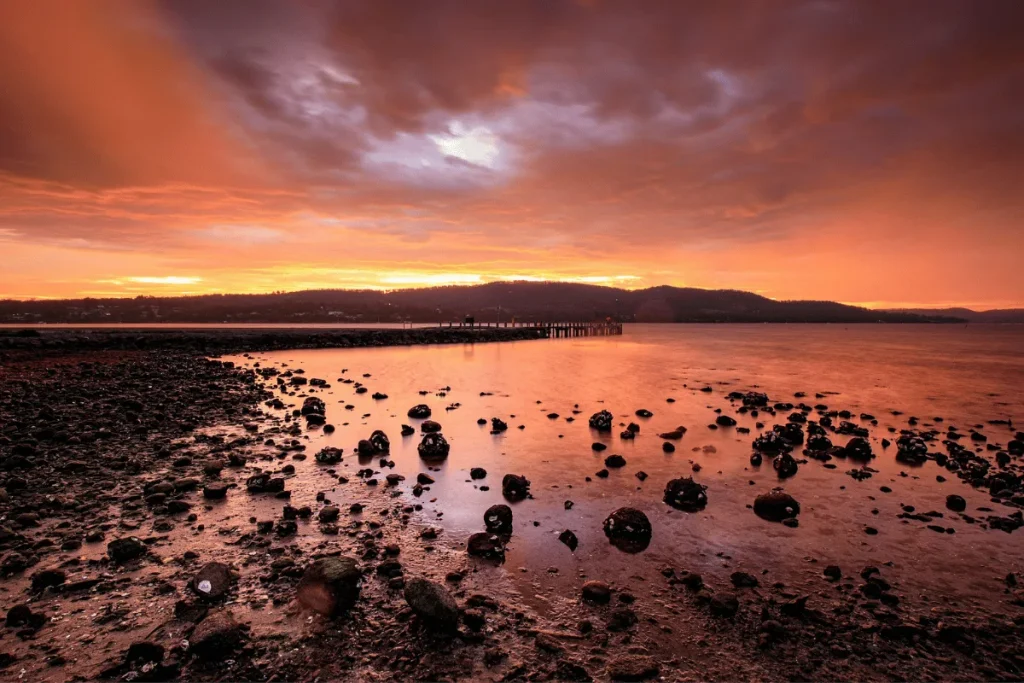
Rainfall varies dramatically. Hobart averages about 569 mm a year and is Australia’s second-driest capital city, while the west coast receives around 2,400 mm, which is why its rainforest thrives. In short: the east and Hobart are usually sunnier and drier, and the west and the mountains are wetter and more changeable.
The table below shows average temperatures for key locations, from the same official source.
| Location | January low / high (°C) | July low / high (°C) |
|---|---|---|
| Hobart | 13 / 23 | 5 / 13 |
| Launceston | 13 / 25 | 2 / 13 |
| Devonport | 12 / 22 | 4 / 13 |
| Swansea (east coast) | 12 / 22 | 4 / 14 |
| Strahan (west coast) | 11 / 22 | 5 / 13 |
Always carry warm layers and a waterproof jacket, even in summer. UV levels are high from September to April, so sunscreen and a hat are essential. Check the Bureau of Meteorology’s Tasmania forecasts and local emergency alerts before heading into national parks, and read the parks safety guidance.
Tasmania in Summer: December to February
Summer is Tasmania’s most popular season. Days are sunny, warm and generally dry, daylight stretches past 9pm, and beaches, kayaking, camping, glamping and multi-day coastal walks are at their best. Wineglass Bay in Freycinet is a classic summer stop.
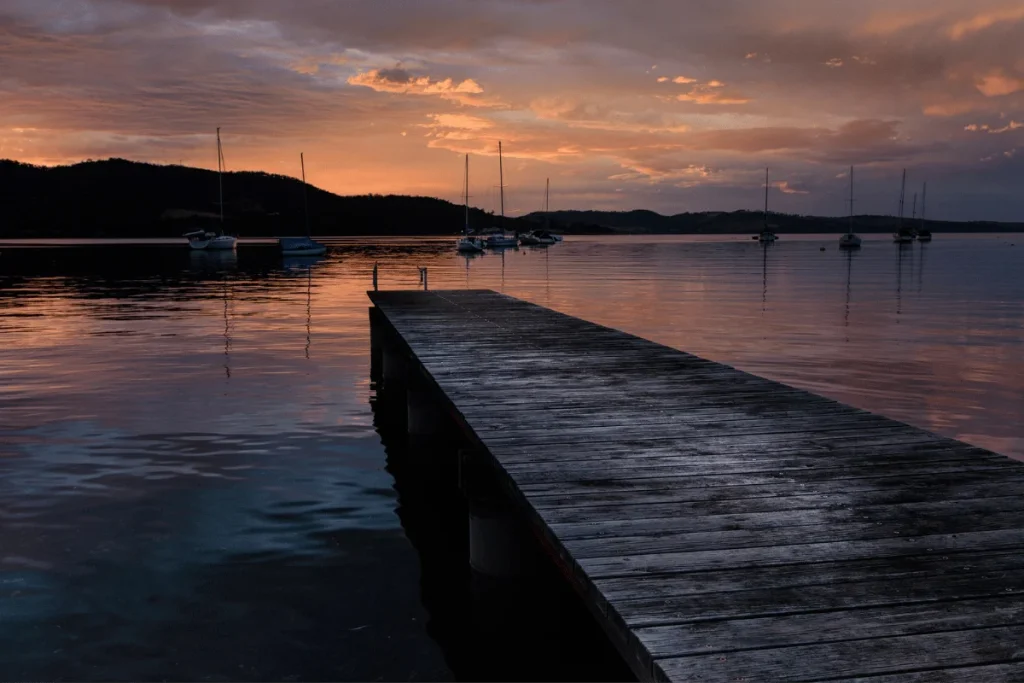
The lavender at Bridestowe Lavender Estate blooms through December and January, with mid-December to mid-January the most likely window for the best color, according to Tourism Tasmania. Summer festivals include Taste of Summer in Hobart and Festivale in Launceston, and the Sydney to Hobart yacht race finishes in Hobart in late December.
The trade-offs are demand and heat. This is the busiest time of year, so book car hire and accommodation well ahead. Hot days and higher bushfire risk can affect plans, so check alerts before you travel.
Best for: first-time visitors, beaches, camping, long outdoor days and festivals.
Tasmania in Autumn: March to May
Autumn is Tasmania at its most relaxed. Calm, sunny days and cool, crisp evenings make it the best season for touring and walking, according to Tourism Tasmania, and local produce is at its peak.
From late April the fagus (Australia’s only winter-deciduous native plant) turns highland hillsides yellow, orange and red, notably around Cradle Mountain. Scenic drives through the Huon Valley, the Tamar Valley and the historic Midlands towns are particularly rewarding. Autumn events include the ECHO festival, Agfest and the biennial Ten Days on the Island.
Best for: road trips, hiking, photography, food and wine, and quieter travel.
Tasmania in Winter: June to August
Winter is cool and crisp, and it can be one of the most rewarding seasons. Highlands such as Cradle Mountain, Ben Lomond, Mount Field and kunanyi / Mount Wellington can receive snow, and Ben Lomond is the most accessible for snow activities. Snow can sometimes extend into September in higher areas.
Winter is also the season for truffle hunting, peak oysters and scallops, whisky and wine by a log fire. Festivals include Dark Mofo in June, Festival of Voices in July and Tasmanian Whisky Week in August. Southern right and humpback whales travel north, and the Aurora Australis is sometimes visible, though auroras are never guaranteed.
The main drawbacks are shorter days and less predictable conditions at altitude, so check conditions before any walk.
Best for: snow, cozy stays, festivals, food and drink, and quiet travel.
Tasmania in Spring: September to November
Spring brings milder breezy days, flowing waterfalls after the wetter winter, wildflowers, baby wildlife and returning whales. The Tulip Festival near Wynyard on the north-west coast and Great Eastern Wine Week are seasonal highlights, and it is trout season. Little penguins come ashore at dusk along the east and north-west coasts, with the best viewing from September to February.
Expect changeable weather and some rain as the island moves out of winter, and pack for all conditions.
Best for: wildlife, flowers, waterfalls, photography and nature lovers.
Tasmania Month-by-Month Guide
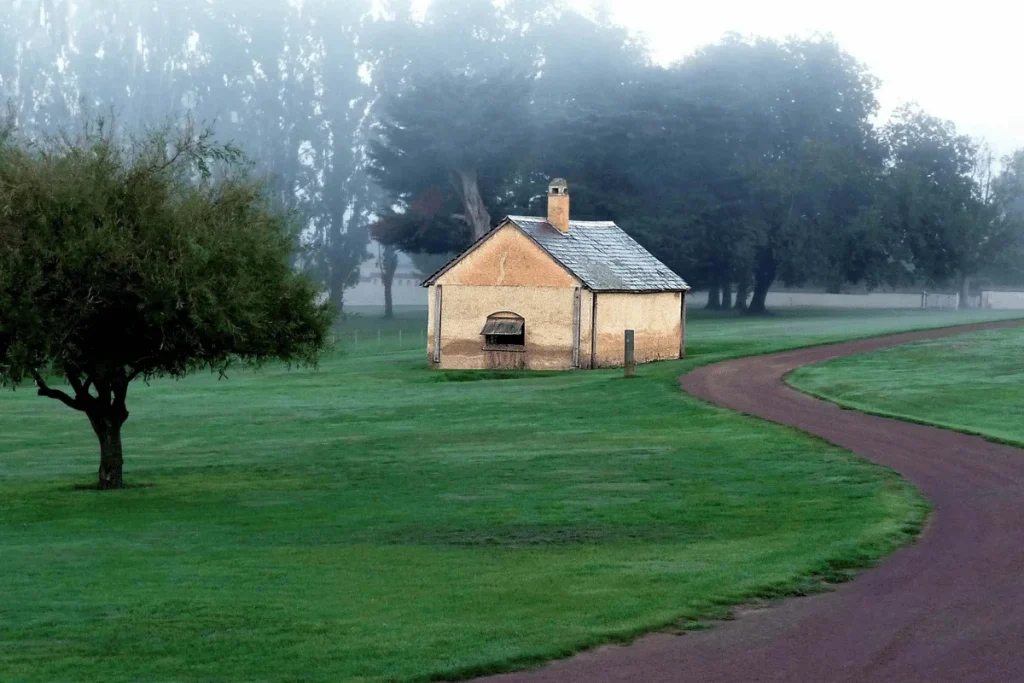
Temperatures below are Hobart averages from Tourism Tasmania’s weather guide. Conditions in the highlands and on the west coast are cooler and wetter.
| Month | Hobart low / high (°C) | Highlights | Crowds |
|---|---|---|---|
| January | 13 / 23 | Beaches, lavender, festivals | High |
| February | 13 / 22 | Hiking, coast, Festivale | High |
| March | 12 / 23 | Road trips, hiking, food | Medium |
| April | 10 / 19 | Touring, walking, first fagus colors | Medium |
| May | 7 / 17 | Fagus, harvest events, quiet escapes | Lower |
| June | 6 / 13 | Dark Mofo, snow, truffles | Low |
| July | 5 / 13 | Snow, Festival of Voices, whales | Low |
| August | 5 / 15 | Whisky Week, snow, auroras | Low |
| September | 7 / 15 | Wildflowers, waterfalls, tulips | Medium |
| October | 8 / 18 | Wildlife, flowers, Overland Track opens for bookings | Medium |
| November | 10 / 20 | Warmer days, whales heading south | Medium |
| December | 12 / 22 | Lavender, festivals, long days | High |
January
Warm (about 23°C in Hobart) with the longest daylight. Beaches, lavender and Taste of Summer are in full swing, and school holidays make this one of the busiest months. Best for: beaches and festivals. Book: accommodation and car hire as early as possible.
February
Still summer, with sunny, dry conditions. Launceston’s Festivale usually takes place in February, and hiking is excellent. Best for: coastal walks and long days.
March
Hobart averages about 23°C, as warm as January, but crowds begin to ease and autumn produce arrives. Best for: road trips, hiking and food.
April
Highs fall to about 19°C. Calm, sunny days make it prime touring and walking season, and the first fagus colors appear late in the month. Best for: scenic drives and quieter travel.
May
Cooler (17°C high, 7°C low) and quieter. Fagus foliage peaks in the highlands and harvest events and Agfest take place. Best for: autumn color and relaxed trips.
June
Winter begins. Highs of about 13°C in Hobart, snow in the highlands, and Dark Mofo takes over Hobart. Best for: festivals, truffles and cozy stays.
July
The coldest month (5°C low, 13°C high in Hobart). Highland snow is reliable, Festival of Voices runs, and whales are traveling north. Best for: snow and winter food experiences.
August
Still cold but days lengthen. Tasmanian Whisky Week takes place, and snow persists in the highlands. Best for: whisky, mountain scenery and quiet travel.
September
Spring begins (15°C high). Waterfalls are flowing, wildflowers appear, little penguin breeding season begins, and the Tulip Festival season starts. Best for: wildlife and flowers.
October
Hobart reaches about 18°C. Gardens bloom, whales return south, and bookings for the Overland Track open from October. Best for: nature and photography. Pack for: changeable weather.
November
Warmer (20°C high) and greener, with longer days and fewer crowds than December. Best for: road trips and wildlife before the summer rush.
December
Summer arrives (22°C high), with daylight past 9pm, lavender starting to bloom, and festivals building. School holidays and Christmas push up demand. Best for: beaches, lavender and festive atmosphere. Book: early.
When to Visit Tasmania for Different Travel Experiences
Best Time for Hiking and Outdoor Adventures
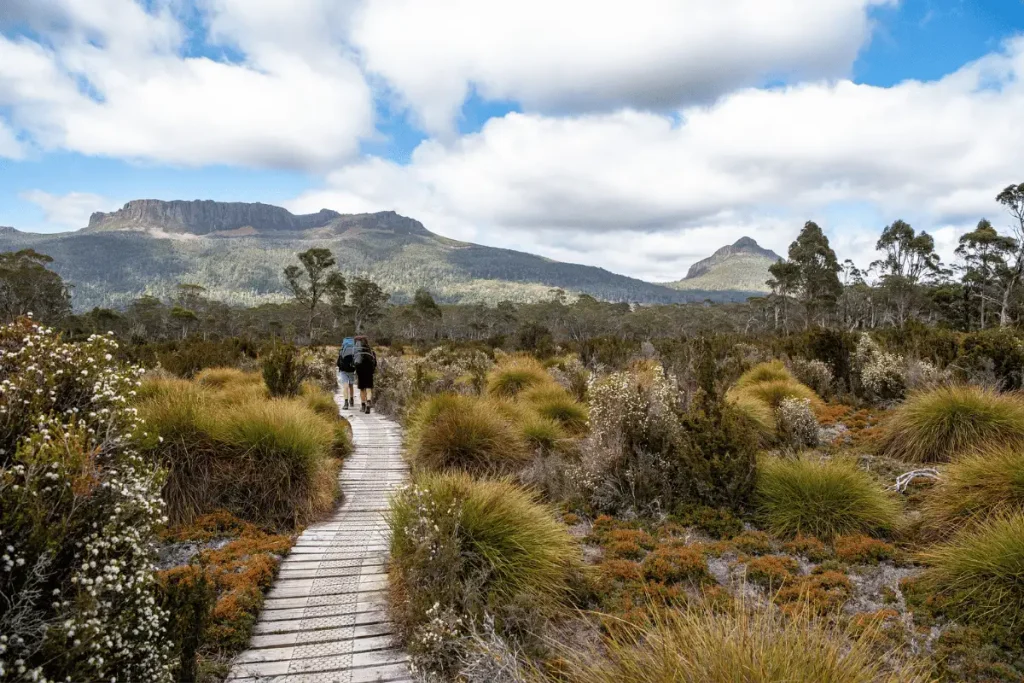
Hiking is possible year-round, but summer and autumn are the most reliable for multi-day walks thanks to longer daylight, milder temperatures and lower rainfall in most areas. According to Tourism Tasmania, bookings are required year-round on the Three Capes Track, and the Overland Track at Cradle Mountain is open for bookings from October to May. Check requirements and conditions on the Tasmania Parks site before you go. Winter and early spring walking can be challenging at altitude.
Best Time for Wildlife and Nature
Wildlife is a year-round draw, but timing helps:
- Little penguins: they come ashore at dusk year-round at several sites, but breeding season (September to February) is best.
- Whales: southern right and humpback whales travel north in winter and return south in spring.
- Waterfalls: flow strongest in spring after the wetter winter.
- Wildflowers and tulips: spring.
- Baby wildlife: spring.
Use a dim red-light torch when watching penguins and never touch or harass them. To compare wildlife tours, browse Tasmania activities and experiences.
Best Time for Road Trips
Autumn is hard to beat for a Tasmania road trip. Tourism Tasmania highlights calm sunny days, thinner crowds and dramatic golden scenery from March to May. Spring is a close second thanks to wildflowers, and summer offers the longest daylight and the best weather for camping and caravanning.
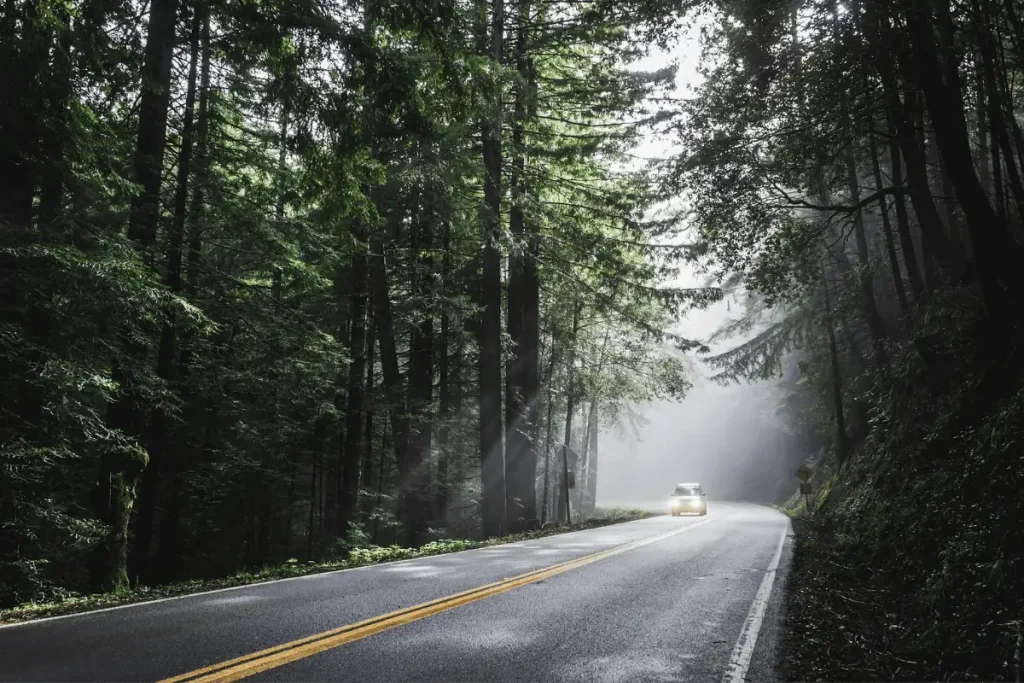
Do not pack too many stops into each day. Tasmania looks compact on a map, but winding roads, hikes and changing conditions make travel slower than expected. Read our Tasmania itinerary for route ideas.
Best Time for Beaches and Coastal Trips
December to February is the clear choice for Wineglass Bay, the Bay of Fires and other beach stops, with long days and the best conditions for swimming, kayaking and coastal walks. Keep expectations realistic: Tasmania’s water is cool, and coastal weather can change quickly.
Best Time for a Budget-Friendly Trip
Compare shoulder-season and winter dates instead of automatically choosing peak summer. Late December and January are the busiest weeks for accommodation and car hire. Autumn, spring and winter generally offer more availability, though winter festivals such as Dark Mofo can fill Hobart’s hotels. Compare the total trip cost, including flights, car rental, fuel, tours, meals and accommodation. For more ideas, see our guide to How to Travel on a Budget.
Tasmania Travel Costs, Crowds, and Accommodation
The best time to visit Tasmania is not always the cheapest.
Peak Season
Summer, especially late December to January, is the busiest period. Accommodation and rental cars fill quickly, so book early. See Tasmania’s school holiday dates on Tourism Australia’s calendar.
Shoulder Season
Autumn and spring offer a good balance of weather, scenery, availability and visitor numbers. For travelers who do not need the warmest possible weather, they can beat peak summer.
Low Season
Winter attracts fewer visitors and suits travelers comfortable with cooler conditions and shorter days. It is a great period for restaurants, cozy lodges, wildlife and winter landscapes.
Accommodation Strategy
Location matters almost as much as price. On a road trip, staying close to the next day’s main attraction saves driving time. In Hobart and Launceston, a central base makes restaurants and evening plans easier. Compare total price, location, parking, cancellation policy, reviews and distance from your planned activities. See our guide to where to stay in Hobart for neighborhoods.
Compare Tasmania hotels and accommodation →
When Should You Book a Tasmania Trip?
For summer, Christmas and school holidays, plan the major parts of your trip early. Tourism Tasmania advises booking car hire and accommodation well ahead. Popular walks with limited bookings, such as the Three Capes Track, also need advance planning.
Book in this order:
1. Flights. Compare several dates before locking in your plan. Compare flights with Aviasales →
2. Accommodation. Book the most location-sensitive nights first, especially in peak periods.
3. Car rental. A car gives you flexibility outside the main cities. See Tourism Tasmania’s getting around guide.
4. Tours and experiences. For limited-capacity activities, browse Tasmania tours and activities before your preferred dates fill up.
5. Mobile data.An eSIM makes navigation, weather checks, and booking confirmations easier. Explore Airalo eSIM options →
What to Pack for Tasmania by Season
Weather can shift during a single day, so flexible packing matters.
- Summer: light layers, walking shoes, sun protection and a light waterproof layer.
- Autumn and spring: a warm mid-layer, a waterproof outer layer, walking shoes and clothes for cool mornings and warmer afternoons.
- Winter: warm layers, a waterproof jacket, insulated footwear and clothing for cold, potentially snowy alpine conditions.
Packing cubes can help keep your layers organized without adding much bulk. See these compression packing cubes on Amazon →
The goal is not to pack for every possible weather condition, but to have enough layers to adapt without an overweight suitcase.
Best Time to Visit Tasmania: Final Verdict
For most travelers, December to April is the strongest overall period. But the best season depends on the trip you want:
- Best overall: December–April
- Best for hiking and road trips: March–April
- Best for beaches and long outdoor days: December–February
- Best for lavender: mid-December to mid-January
- Best for wildlife, wildflowers and waterfalls: September–November
- Best for snow, festivals and quiet travel: June–August
- Best for avoiding peak crowds: autumn, winter and spring
There is no bad season for Tasmania. The better question is which version of the island you want to experience. For a first trip, March or April is an especially attractive choice for scenic drives, hiking, good food, cooler conditions and fewer crowds than the summer peak. Before you book, check the latest guidance on Discover Tasmania, and read our Best Places to Visit in Australia guide if Tasmania is part of a larger itinerary.
Frequently Asked Questions
What is the best month to visit Tasmania?
There is no single best month for everyone, but March and April are excellent choices for many travelers because they combine warm days, autumn scenery, comfortable touring conditions and a quieter atmosphere than peak summer. December to February is best for beaches and long outdoor days.
Is winter a good time to visit Tasmania?
Yes. Winter suits travelers interested in highland snow, Dark Mofo and other festivals, whisky and wine, cozy accommodation and fewer crowds. The trade-offs are shorter days, colder weather, and less predictable conditions at altitude. The Southern Lights are sometimes visible in winter, but never guaranteed.
What is the best season for a Tasmania road trip?
Autumn, from March to May, is hard to beat. Calm sunny days, thinner crowds and dramatic autumn scenery make it ideal, and spring is a close second. Summer has the longest daylight.
What is the best time to hike in Tasmania?
Summer and autumn are the most reliable seasons for multi-day walks. The Three Capes Track needs bookings year-round, and the Overland Track is open for bookings from October to May. Winter and early spring conditions can be challenging at altitude.
How many days do you need in Tasmania?
A first trip works well with around 7 to 10 days, enough to combine Hobart with several natural areas without spending the entire trip driving. Longer trips give you more flexibility for the west coast, east coast and mountain regions.
What should you pack for Tasmania?
Pack layers, comfortable walking shoes, sun protection and a waterproof outer layer in any season. In winter, add warmer clothing suitable for cold, potentially snowy alpine conditions.
Is Tasmania expensive to visit?
Costs vary by season, accommodation, car rental, food and activities. Summer is usually the most expensive because it is the busiest period, while shoulder season and winter can offer better availability. Compare the complete trip price, not just the hotel or flight.
When is lavender in bloom in Tasmania?
Lavender at Bridestowe Lavender Estate blooms through December and January, with mid-December to mid-January most likely to offer the best color, according to Tourism Tasmania.