
Best Time to Visit Australia

The best time to visit Australia for most trips is March to May or September to November. These shoulder-season months give comfortable weather in Sydney, Melbourne and the south without the Christmas and January crowds. But Australia is so large that the right month depends on where you are going: the Great Barrier Reef is best from June to October, Uluru from April to September, Tasmania from December to March, and Darwin and the Top End from May to October.
Australia stretches across tropical, subtropical, temperate and desert climates, so there is no single perfect month for the whole country. Choose your dates around your itinerary, not the other way round.
For a broader overview of destinations and trip ideas, see our Australia Travel Guide and our guide to the Best Places to Visit in Australia.
Affiliate disclosure: Some links in this guide are affiliate links. If you book or purchase through them, TripAndAtlas may earn a small commission at no extra cost to you. This does not affect our recommendations.
Key Takeaways
- Best all-round months: March–May and September–November.
- Best for the Great Barrier Reef and tropical north: June–October (dry season).
- Best for beaches in the south: December–February.
- Best for Uluru and the Outback: April–September.
- Best for Tasmania: December–March.
- Busiest and most expensive: Christmas, New Year, January and school holidays.
- Remember: seasons are reversed compared with the Northern Hemisphere.
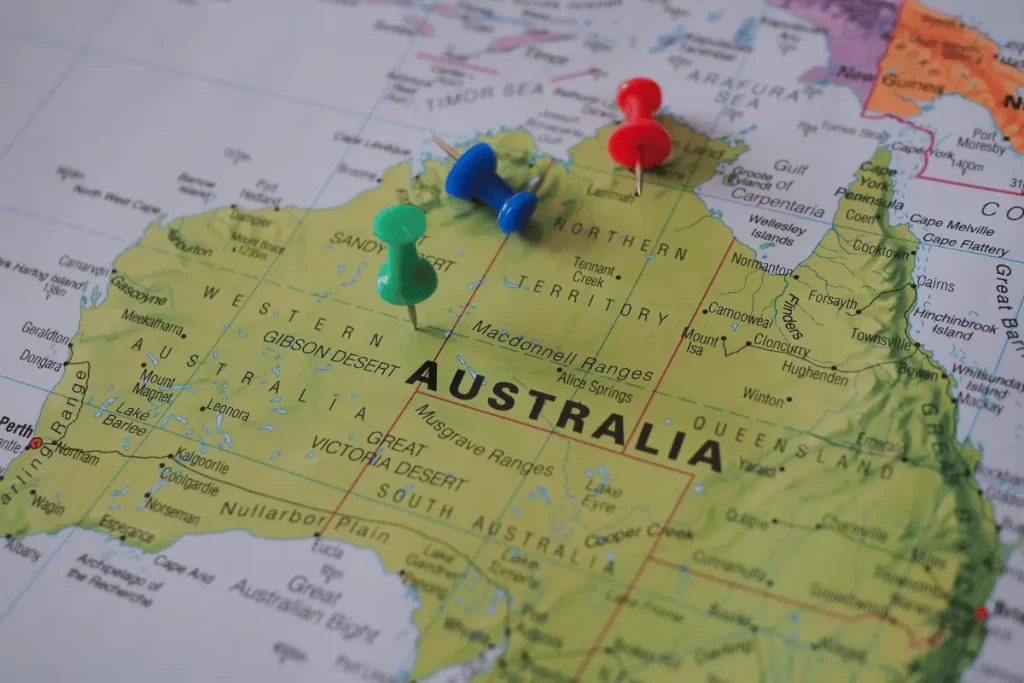
Best Time to Visit Australia at a Glance
| Travel goal | Best time to go | Why |
|---|---|---|
| First trip with cities + nature | March–May or September–November | Mild weather in much of the south, fewer peak-season crowds |
| Sydney and Melbourne | March–May or September–November | Comfortable for sightseeing, coastal walks and day trips |
| Great Barrier Reef (Cairns, Port Douglas) | June–October | Dry season, lower humidity, outside peak stinger season |
| Uluru and the Red Centre | April–September | Avoids extreme summer heat |
| Tasmania | December–March | Warmest weather for hiking and road trips |
| Darwin, Kakadu and the Top End | May–October | Dry season, easier access to national parks |
| Beach holiday in the south | December–February | Warmest sea and air temperatures |
| Whale watching | May–November | Humpback migration (peak July–October on the east coast) |
| Skiing | June–early October | Alpine season in NSW and Victoria |
| Lower prices and fewer crowds | Shoulder season, outside school holidays | Best balance of weather and demand |
These are planning guidelines, not guarantees. Weather changes from year to year. Tourism Australia’s seasons guide explains that most of the country has four seasons while the tropical north has a wet and a dry season, and it is a good reference to check before booking.
First-Time Visitors
For most first-time visitors, autumn and spring are the easiest seasons to plan around. A trip in March, April, May, September, October or November lets you combine Sydney, Melbourne, the Great Ocean Road and parts of Western Australia without the hottest summer days or the coldest southern winter weather.
The exception is when your trip is built around a destination with a different peak season, such as the Great Barrier Reef or Uluru. In that case, plan around that destination first and fit the cities around it.
By Travel Style
- Sightseeing and cities: March–May and September–November.
- Beaches: December–February in the south. The tropical north follows a different pattern.
- Hiking: spring and autumn in most regions; December–March in Tasmania.
- Great Barrier Reef: June–October.
- Outback and desert: April–September.
- Wildlife and whales: May–November for whales; year-round for other wildlife depending on region.
- Budget travel: compare shoulder-season dates and avoid school holidays rather than assuming one “cheap month”.
Best Time to Visit Australia by Season
Australia’s seasons are opposite to those in the Northern Hemisphere: summer is December–February, autumn March–May, winter June–August and spring September–November. The Bureau of Meteorology’s guide to Australian climate zones shows how different the tropics, the desert interior and the temperate south really are, which is why one season never suits every destination.
Summer (December to February)
Summer is the classic beach season in the south. Sydney, Melbourne, Perth, Tasmania and the coast of New South Wales are at their warmest, with long days, festivals and outdoor dining.
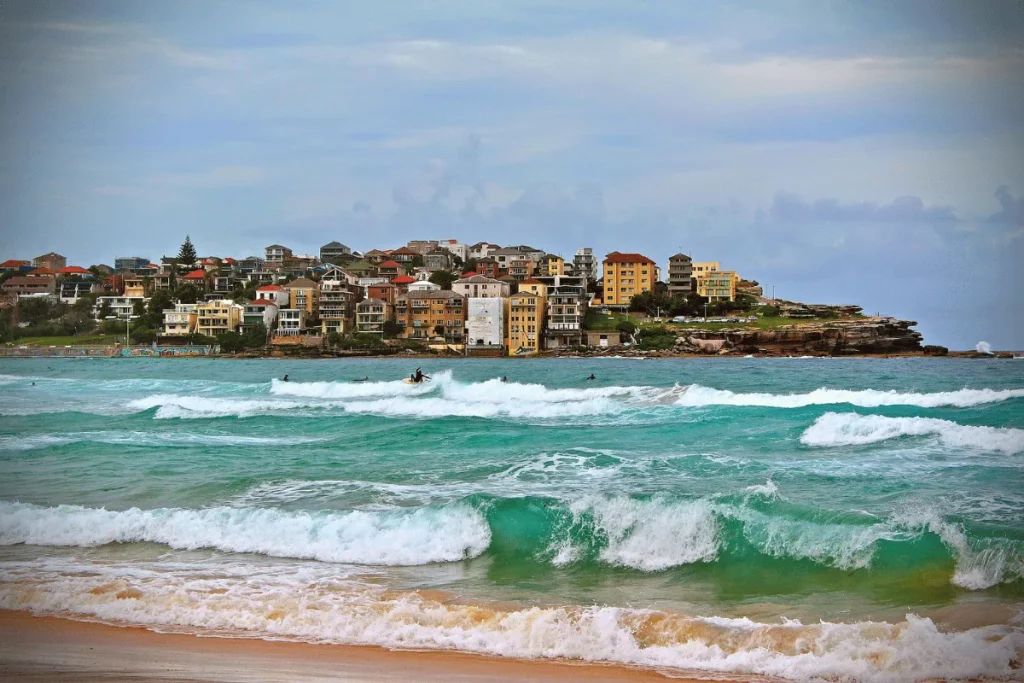
The trade-offs:
- Demand and prices. Christmas, New Year and January school holidays are the busiest and most expensive weeks of the year.
- Tropical north wet season. Cairns, Darwin and the Top End are hot and humid with heavy rain, and the north’s cyclone season officially runs from November to April.
- Heat. The Outback and inland areas can be extremely hot, and parts of the south can face heatwaves and bushfire risk.
Best for: southern beaches, Tasmania, summer events. Avoid if: you want low prices or a reef-focused trip.
Autumn (March to May)
Autumn is one of the most flexible seasons for a multi-region trip. Heat eases in the south, the Red Centre becomes more comfortable, and the tropical north moves from wet to dry. By May, Melbourne and Tasmania feel noticeably cooler.
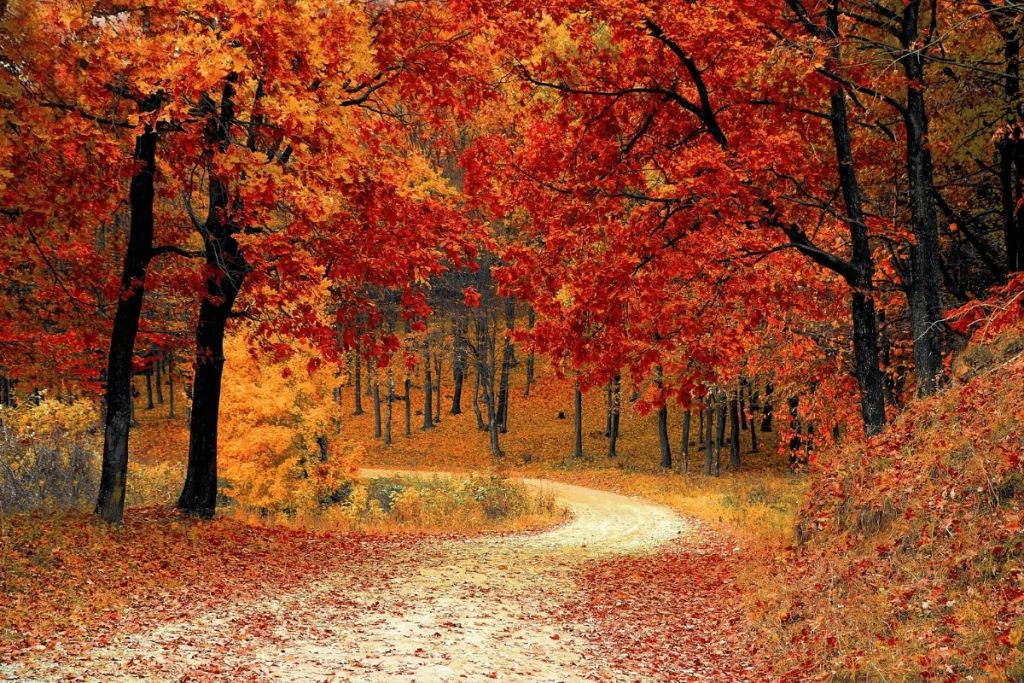
Best for: city breaks, road trips, food and wine, Outback trips from April, whale season starting in May. Watch out for: Easter and Anzac Day holidays in April, and cooler evenings in the south.
Winter (June to August)
Winter is misunderstood. Melbourne, Canberra and Tasmania are cold, but this is the best time for northern Australia. Cairns and the Great Barrier Reef are in the dry season, Uluru has pleasant days, and it is ski season in the Snowy Mountains and Victorian Alps.
Best for: Great Barrier Reef, Uluru, Kakadu, whale watching, skiing. Watch out for: cold southern cities, short days, and July school holidays.
Spring (September to November)
Spring is another excellent all-rounder. Southern cities warm up, wildflowers and gardens bloom, whales are still present, and much of the north remains in its dry season. By November, summer demand starts building and the northern wet season begins to return.
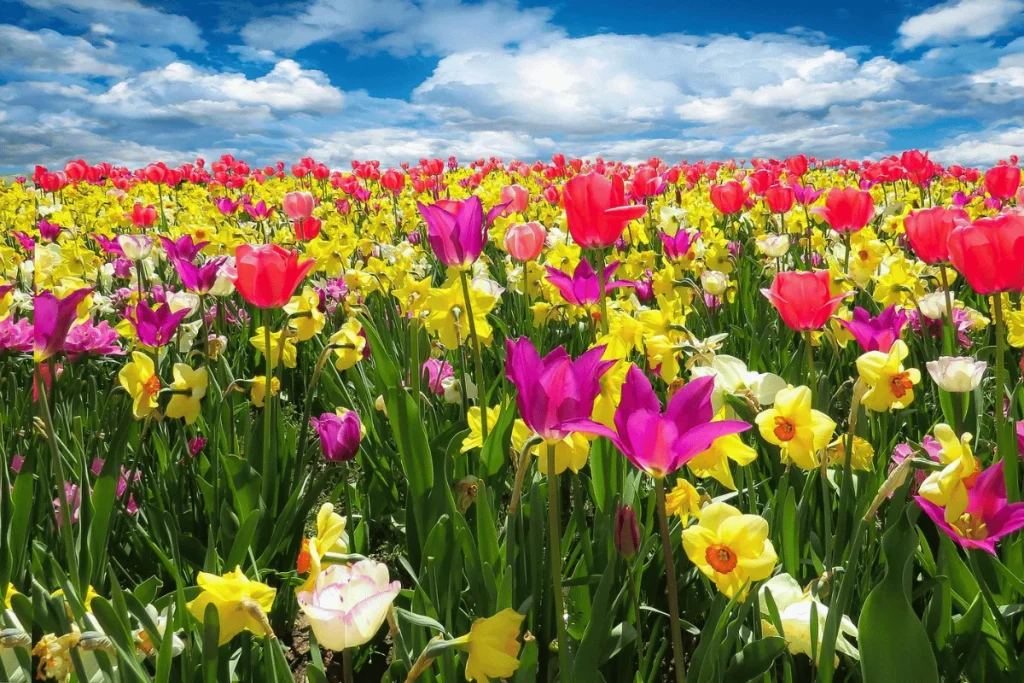
Best for: road trips, wildlife, wildflowers, city sightseeing, whale watching. Watch out for: spring school holidays in late September and October, and warmer weather arriving in November.
Best Time to Visit Australia Month by Month
Temperatures below are approximate long-term daytime highs for context. Check the Bureau of Meteorology’s climate averages for your exact destination.
Australia in January
Weather: hot in the south (Sydney and Melbourne highs roughly in the mid-to-high 20s °C), wet-season heat in the north. Peak school holidays, the Australian Open in Melbourne, and beaches at their best. Tasmania is excellent for hiking. The tropical north is humid and stormy, and the Outback is extremely hot. Best for: southern beaches, Tasmania, summer events. Skip if: you want lower prices or the reef.
Australia in February
Weather: still summer in the south; north remains in the wet season. Slightly quieter than January once school returns, which makes it a useful alternative to the peak rush. Sydney’s Mardi Gras festival usually runs from late February into March. Best for: beaches, city events, Tasmania. Skip if: you want to hike the Outback or travel the north in dry weather.
Australia in March
Weather: summer heat eases in the south; the north is late in the wet season. One of the most flexible months for a broad itinerary. Melbourne usually hosts the Australian Grand Prix, Tasmania is still warm, and blue whales are present off Perth from around March to May. The whale shark season at Ningaloo Reef also begins around March. Best for: cities, road trips, mixed itineraries.
Australia in April
Weather: comfortable in the south; the Red Centre cools; the north dries out. A strong shoulder-season month. Uluru becomes much more pleasant, and the tropical north is moving towards dry-season conditions. Easter and Anzac Day (25 April) can create short holiday peaks. Best for: Outback trips, cities, road trips. Book early: around Easter.
Australia in May
Weather: cooler in the south; dry season starts in the north. A smart compromise month. Southern cities have fewer crowds while northern Australia becomes drier. Humpback whales begin arriving, Vivid Sydney usually starts in late May, and Cairns daytime highs are around 28 °C. Best for: northern Australia, whale watching, wildlife, cities.
Australia in June
Weather: winter in the south, dry season in the north. The Great Barrier Reef is in its dry season, Uluru has pleasant days (but cold nights that can fall close to freezing), and ski resorts usually open around mid-June. Hobart’s Dark Mofo festival takes place in June. Best for: Great Barrier Reef, Uluru, Kakadu, whales, skiing.
Australia in July
Weather: coldest month in the south; reliably dry in the north. Peak winter, peak ski season and school holidays. Northern Australia is very popular, so book Cairns hotels and reef tours early. Humpbacks are moving north along the east coast. Best for: tropical north, reef, Outback, skiing, whales.
Australia in August
Weather: cold in the south, dry in the north, warming slowly. One of the best months for combined reef and Outback trips. Whale watching is excellent on the east coast, and wildflower season in Western Australia begins around late August. Ski conditions are usually at their best. Best for: Reef, Top End, whales, skiing.
Australia in September
Weather: spring begins in the south; the north is still dry. A very versatile month. Canberra’s Floriade flower festival usually starts in mid-September, WA wildflowers peak, and the AFL Grand Final is held in Melbourne at the end of the month. Whales are still migrating, now heading south with their calves. Spring school holidays begin late in the month. Best for: road trips, wildflowers, whales, nature, northern Australia.
Australia in October
Weather: warm spring in the south; hotter and more humid in the north, but mostly dry. An excellent month for multi-region trips. Jacaranda trees begin flowering in Sydney and Brisbane, whale watching is still strong (especially Hervey Bay), and the reef is still in its dry season, with Cairns daytime highs around 30 °C. Best for: multi-region itineraries, road trips, wildlife, tropical north.
Australia in November
Weather: warm in the south; the north turns hot, humid and stormy. A transition month. Melbourne hosts the Melbourne Cup on the first Tuesday, southern beaches become appealing, and prices are often lower than in December. The northern wet season begins, and marine stinger season starts. Best for: southern cities, beaches, spring travel.
Australia in December
Weather: summer across most of the country; wet-season conditions in the north. Beach weather and festive atmosphere, but peak demand. Sydney’s New Year’s Eve fireworks and the Sydney to Hobart yacht race (starting 26 December) draw crowds. Book flights, hotels and rental cars well ahead, or consider early December instead. Best for: beaches, holidays, Tasmania. Skip if: you want low prices.
Best Time to Visit Australia by Region
Sydney and New South Wales
Sydney works year-round, but March–May and September–November offer the most comfortable sightseeing, coastal walks and day trips. Summer is better for swimming; winter is mild enough for city travel and the best time to spot whales from headlands. Read our best time to visit Sydney guide for details, and see the Best Places to Visit in Australia for what to combine with it.
Melbourne and Victoria
Melbourne’s weather changes quickly, so layers are useful in any month. March–May and September–November are best for food, culture, neighborhoods, events and the Great Ocean Road. Summer suits outdoor events; winter is better for cafés, galleries and indoor culture. More in our best time to visit Melbourne guide.
Queensland and the Great Barrier Reef
Queensland has two very different climates. The southeast (Brisbane, Gold Coast) is subtropical, while Cairns, Port Douglas and the Whitsundays are tropical. For the tropical north, June–October is the dry season with lower humidity, calmer weather and the most comfortable conditions for reef trips. See our full guide to the best time to visit the Great Barrier Reef.
Compare reef tours, island trips, and snorkeling excursions with Klook before booking.
Compare reef tours, island trips, and snorkeling excursions
Northern Territory and Uluru

April–September is the best window for Uluru and the Red Centre. Summer daytime temperatures are often in the high 30s °C, which makes long outdoor days difficult, while winter nights can fall close to freezing, so pack warm layers for sunrise. Darwin and Kakadu follow a tropical pattern: the dry season (May–October) is easiest for road access and national park visits. See our best time to visit Uluru guide.
Western Australia
Western Australia is too large for one season. Perth and the southwest are best in spring and autumn, with warm, dry summers if you prefer beaches. Wildflowers bloom from around August to October. Further north, Ningaloo Reef, Broome and the Kimberley follow a tropical pattern, so check them separately. See our best time to visit Western Australia guide.
Tasmania
December–March is the best period for hiking, scenic drives and long daylight hours. Spring and autumn are quieter and cooler, and winter suits travelers who enjoy cold weather, winter festivals and dramatic landscapes. See our best time to visit Tasmania guide.
Best Time to Visit Australia for Popular Experiences
Great Barrier Reef
If the reef is the main reason for your trip, June to October is the most reliable window. It is the dry season in Tropical North Queensland, with lower humidity, more stable weather and fewer rain disruptions.
Here is how Cairns temperatures change through the year, using Bureau of Meteorology data for Cairns Aero:
| Month | Mean max (°C) | Mean min (°C) |
|---|---|---|
| January | 31.5 | 23.8 |
| February | 31.3 | 23.8 |
| March | 30.7 | 23.2 |
| April | 29.4 | 21.8 |
| May | 27.7 | 20.0 |
| June | 26.1 | 18.0 |
| July | 25.9 | 17.2 |
| August | 26.7 | 17.4 |
| September | 28.2 | 18.8 |
| October | 29.7 | 20.7 |
| November | 30.8 | 22.4 |
| December | 31.5 | 23.4 |
Marine stinger season. Box jellyfish and Irukandji are most common in tropical Queensland waters from about November to May, according to Surf Life Saving Queensland guidance. Stingers can occasionally be present at other times, and the season is not a fixed date range. Swim only at patrolled, netted beaches, and follow lifeguard advice. Most reputable reef operators provide full-body stinger suits for snorkellers during the season, and the outer reef is generally considered lower-risk than shallow, near-shore water. Reef trips run year-round, so visiting in summer is possible if you accept the heat, humidity and rain.
Beaches and Swimming
For Sydney, Melbourne, Perth, Adelaide and the New South Wales coast, December to February is the warmest swimming period. Do not use the same calendar for tropical Queensland or the Top End: the north has its own seasons, and swimming there depends on stinger season and crocodile safety, so only swim where local signs say it is safe.
Whale Watching and Wildlife
Australia’s humpback whale season runs roughly May to November, as whales migrate between Antarctic feeding grounds and warm northern breeding waters. According to Tourism Australia, more than 60,000 humpbacks travel along Australian coastlines each year. Timing varies by coast:
| Region | Typical whale season | Notes |
|---|---|---|
| Sydney and NSW | May–November | Northbound migration May–July, southbound September–November |
| Gold Coast and Moreton Bay | Late May–early November | Peak activity around July–August |
| Hervey Bay, Queensland | July–early November | A calving and resting area, with peak weeks usually August–October |
| Western Australia (southwest) | June–November | Bays near Albany and Esperance host humpbacks and southern rights |
| Ningaloo (Exmouth) | June–October | Swim-with-humpback tours; whale sharks are separate (about March–August) |
| Perth Canyon | March–May | Blue whale season, according to Tourism Western Australia |
For the full list of species and seasons, the International Whaling Commission’s Australia profile is a helpful reference. If you want a guided cruise, you can compare whale watching tours and wildlife experiences.
For other wildlife, ask yourself: which animal do I want to see, and where does that happen? That question produces a much better answer than a generic “best month”.
The Outback and Road Trips

For the Outback, April to September is a much safer starting point than summer. Road trips depend on the route: a coastal drive in Victoria follows a different calendar from an inland route to Uluru or a tropical drive through north Queensland. Before booking, compare distances, driving hours, fuel stops, road conditions and daylight. Remote driving requires planning, so check local road reports and travel advisories such as Smartraveller’s Australia page.
Best Time to Visit Australia for Lower Prices and Fewer Crowds
Budget Travel
No single month is cheapest everywhere, because prices depend on destination, flight route, school holidays, events and accommodation type. A few principles hold up well:
- Avoid Christmas, New Year, January and school holidays if you can. Tourism Australia’s school holiday calendar lists dates by state.
- Compare nearby dates. Shifting a trip by one or two weeks can change prices significantly.
- Visit fewer regions. Domestic flights and long drives add up quickly.
- Expect higher demand in the tropical north from June to September, and in the ski areas in July and August.
- Southern cities in winter, outside school holidays, are often better value than in summer.
For more ways to save, read our How to Travel on a Budget guide.
Shoulder Season
March–May and September–November are usually the best balance of weather, availability and price. You avoid the heart of the southern summer while keeping good conditions in many destinations. The exact experience still depends on your route.
Peak vs Low Season
Peak periods usually include Christmas and New Year, school holidays, long weekends such as Easter, major sporting events (Australian Open, Melbourne Cup, the Grand Prix) and festivals such as Vivid Sydney. During these periods, book accommodation, domestic flights and rental cars earlier.
Hotel and Tour Availability
Availability tightens first for hotels, then for popular tours and rental vehicles. When comparing accommodation, look beyond the nightly price at:
- location and transport links
- cancellation policy
- room type and size
- breakfast, parking and airport transfer
- recent guest reviews
compare Australia hotels and accommodation
Planning Your Australia Trip
How Far in Advance Should You Book?
For Christmas, New Year, school holidays, major events and complicated multi-region trips, book as early as possible. For simple shoulder-season trips, you have more flexibility. The most important rule: decide which regions you are visiting before booking non-refundable arrangements.

Distances are bigger than most first-time visitors expect. Sydney to Perth is a multi-hour flight, and a route that looks short on a map can mean a full day on the road. If you are flying from North America or Europe, expect a long journey with at least one connection, and allow time to recover from jet lag.
Flights and Hotels
Start by comparing airfare across several nearby dates, then match the best flight window with hotel availability. For multi-city trips, check domestic flight prices before locking your route.
Compare Australia flight prices
Choosing a Route That Matches the Season
Pick one major region plus one complementary region instead of trying to see everything:
- 7 days: Sydney + Melbourne
- 7–10 days: Sydney + Great Barrier Reef
- 10–14 days: Melbourne + Great Ocean Road + Sydney
- 10–14 days: Cairns + Whitsundays + tropical Queensland
- 3 weeks or more: add Western Australia, Tasmania or the Red Centre
Trying to cover Sydney, Melbourne, Perth, Uluru, Tasmania and Cairns in a short trip usually creates more transit time than travel time. For ideas on what to include, see the Australia Travel Guide.
Where to Stay by Season
- Cities: choose central neighborhoods near public transport.
- Tropical Queensland: Cairns is convenient for tours and transport; Port Douglas is more resort-style.
- Road trips: stay near major attractions to cut driving time.
- Peak season: prioritize flexible cancellation.
Staying Connected
An eSIM can give you mobile data from the moment you land, which helps with maps, transport apps, bookings and staying in contact between regions.
Compare Australia eSIM options
What to Pack
Pack for your itinerary, not the country as a whole. Tropical Queensland, a Melbourne winter and a desert sunrise need very different clothing. Lightweight layers, a hat, high-SPF sunscreen and a reusable water bottle are useful almost everywhere. Packing cubes make multi-stop trips easier to manage:
Check these travel compression packing cubes on Amazon
Best Time to Visit Australia FAQs
What is the best month to visit Australia?
There is no single best month for the whole country. For most first-time visitors, March, April, May, September, October and November are the strongest all-round choices. For the Great Barrier Reef, June to October is best; for Tasmania, December to March.
What are the cheapest months to visit Australia?
There is no guaranteed cheapest month nationwide. Prices are typically highest around Christmas, New Year, January and school holidays. Shoulder-season dates and winter in the southern cities (outside school holidays) are often better value. Compare flights, hotels and domestic transport together.
What is the worst time to visit Australia?
It depends on the region. For most travelers, the hardest conditions are summer heat in the Outback, the wet season in the tropical north (roughly November to April), and peak holiday weeks at Christmas and New Year when prices are highest and availability is tight.
When should you avoid tropical northern Australia?
The wet season runs roughly from November to April, with heat, humidity, heavy rain, storms and cyclone risk. The dry season runs roughly from May to October. Travel is still possible during the wet season, but the dry season is the easier choice for most visitors.
What is the best time to visit Australia for good weather?
For comfortable weather across the most popular southern destinations, choose March–May or September–November. If you want hot beach weather in the south, choose December–February. For dry, sunny weather in the north, choose June–October.
Is winter a good time to visit Australia?
Yes, if your plans include the tropical north, the Great Barrier Reef, Uluru, whale watching or skiing. Winter is less suitable for southern beaches, and Melbourne and Tasmania can be cold.
What is the best time to visit Australia for the Great Barrier Reef?
June to October is the best window for most travelers because of the dry season. Reef tours operate year-round, and marine stinger season runs roughly November to May, so full-body stinger suits are standard on many tours during that time.
How many weeks should you plan for Australia?
For a first trip, 7 to 10 days works for one region or two closely connected destinations. Two weeks gives much more flexibility. Three weeks or more makes it easier to add distant regions such as Western Australia, Tasmania or the Red Centre. See fewer places properly rather than turning the trip into a series of airports.
Final Verdict: When Should You Visit Australia?
If you want one simple answer, March to May and September to November are the best times to start planning a broad Australia itinerary. But the real answer depends on your route:
- Choose summer for southern beaches and a classic Australian holiday atmosphere.
- Choose autumn or spring for balanced multi-region travel and comfortable sightseeing.
- Choose winter for the Great Barrier Reef, northern Australia, the Red Centre, whales and skiing.
- Choose December to March for Tasmania.
Before you book, check conditions for each region you plan to visit. Sydney, Cairns, Uluru and Tasmania can have completely different weather at the same time of year.
Next steps: explore the Australia Travel Guide, pick your destinations in Best Places to Visit in Australia, and then compare Next steps: explore the Australia Travel Guide, pick your destinations in Best Places to Visit in Australia, and then compare flights, hotels and tours for your dates.