
Best Time to Visit Sydney
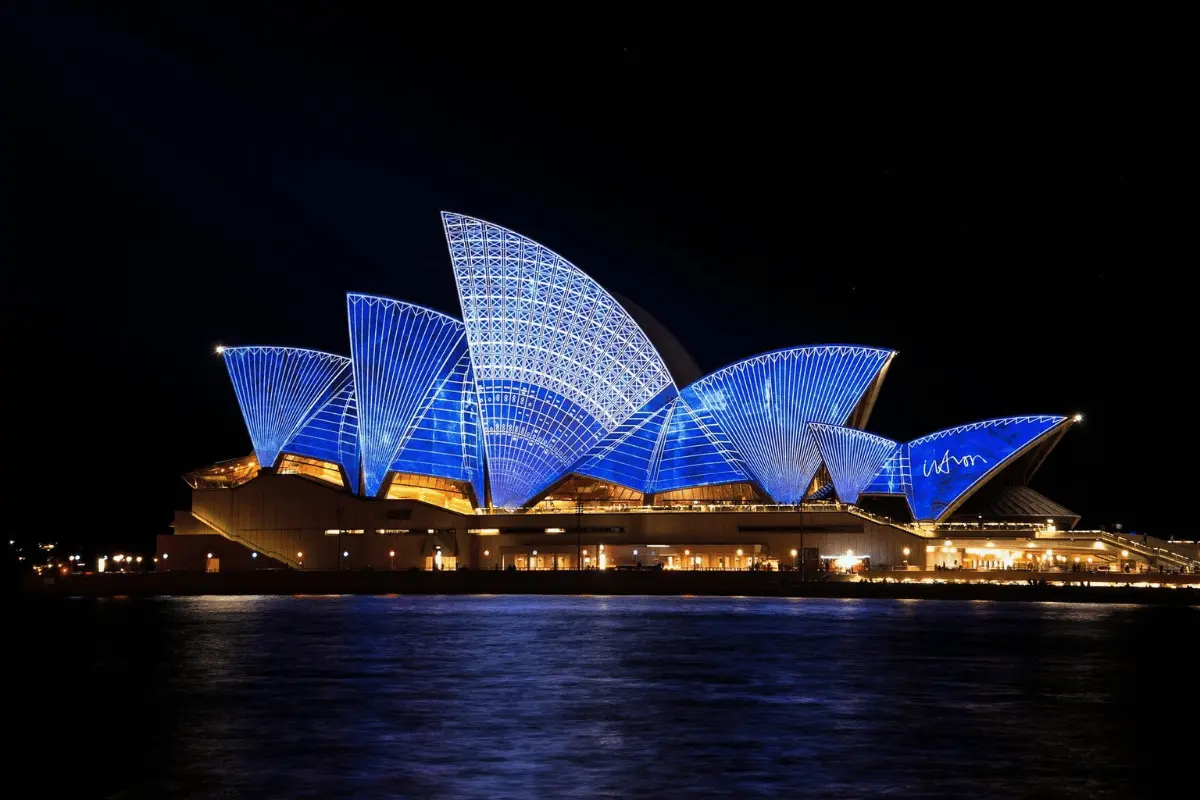
The best time to visit Sydney for most travelers is October–November or March–April. These months combine warm, comfortable weather with manageable crowds, and the water These months combine comfortable weather with manageable crowds, while the beaches are still enjoyable and swimming remains possible. Choose December–February if beaches are the priority, or June–August if you want lower demand, cooler weather and whale watching.
Sydney works in every season, but the experience changes a lot. Summer is warm, humid and busy. Autumn and spring are the most comfortable for sightseeing. Winter is cool, quieter and usually the best time to look for value. One thing many guides skip: Sydney does not have a dry season, and February to June are among Sydney’s wettest months, with rainfall peaking in June and March in the long-term Observatory Hill record, so the “best” month also depends on how you feel about a rainy day or two.
This guide covers Sydney’s weather by season and month, rainfall, busy periods, events, and the best dates for different kinds of travelers.
Affiliate disclosure: Some links in this article are affiliate links. If you book or purchase through them, TripAndAtlas may earn a commission at no extra cost to you. This does not affect our recommendations.
Planning a wider trip? Read our guide to the best time to visit Australia, start with the Australia Travel Guide, then use this page to decide when Sydney fits best.
Best Time to Visit Sydney: Quick Answer
| Travel goal | Best time to visit Sydney |
|---|---|
| Best overall | October–November, March–April |
| Best for beaches and swimming | December–March |
| Best for outdoor sightseeing | March–May, September–November |
| Best for drier weather | August–December |
| Best for fewer crowds | June–August |
| Best for lower prices | June–August, and shoulder months outside school holidays |
| Best for whale watching | May–November (northbound migration is strongest in winter) |
| Best for Christmas and New Year | December (book very early) |
| Best for mild weather | March–May, September–November |
How the seasons break down for visitors. Sydney’s high season is spring and summer (November–February), with the busiest weeks from mid-December to late January, when school is out. Autumn and spring are the shoulder seasons, and winter (June–August) is the low season. Easter and the school holidays create short mini-peaks outside summer, as noted in Lonely Planet’s Sydney timing guide.
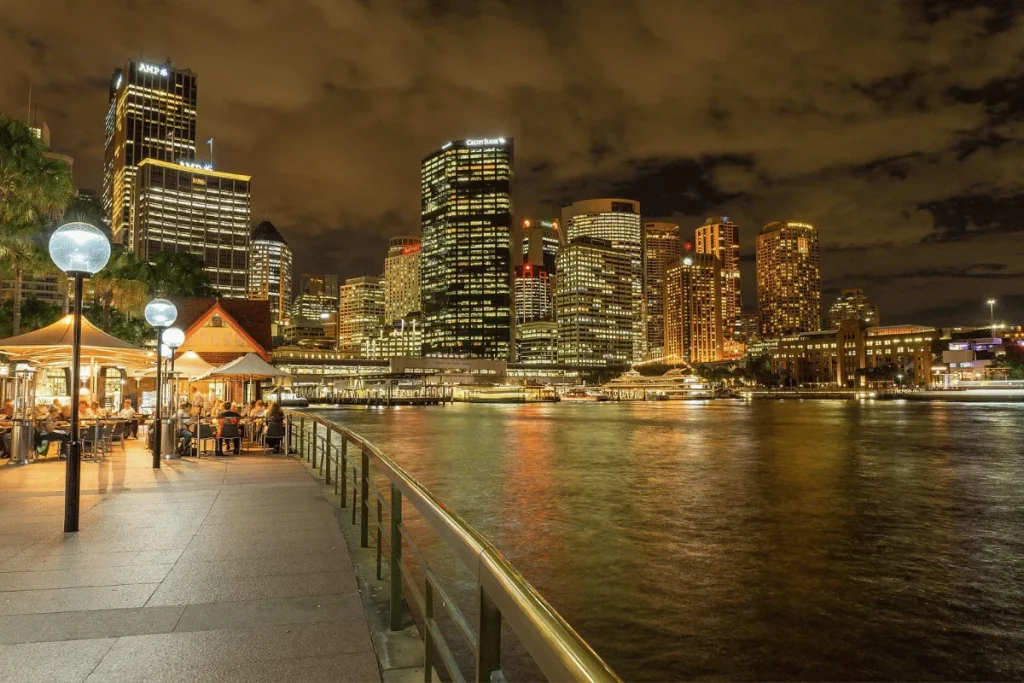
Sydney Weather by Season
Sydney has four seasons and a mild, sunny climate. The warmest months are December to February; the coolest are June to August. Snow in Sydney is extremely rare, and winter lows rarely drop below about 7°C, according to Tourism Australia’s Sydney weather guide.
| Season | Months | Average daytime highs | Typical feel |
|---|---|---|---|
| Summer | December–February | 25.7–26.4°C | Warm, humid, beach-focused |
| Autumn | March–May | 20–25°C | Mild and comfortable |
| Winter | June–August | 17–18°C | Cool, quieter, good for city breaks |
| Spring | September–November | 20.5–24°C | Mild to warm, ideal outdoors |
Sydney in Summer: December to February
Summer is the classic Sydney experience: beaches, swimming, ferries, coastal walks, outdoor dining and long evenings around the harbour. January is typically the warmest month, with an average high of about 26.4°C. Ocean temperatures peak at roughly 21.9–23.7°C, according to Tourism Australia.
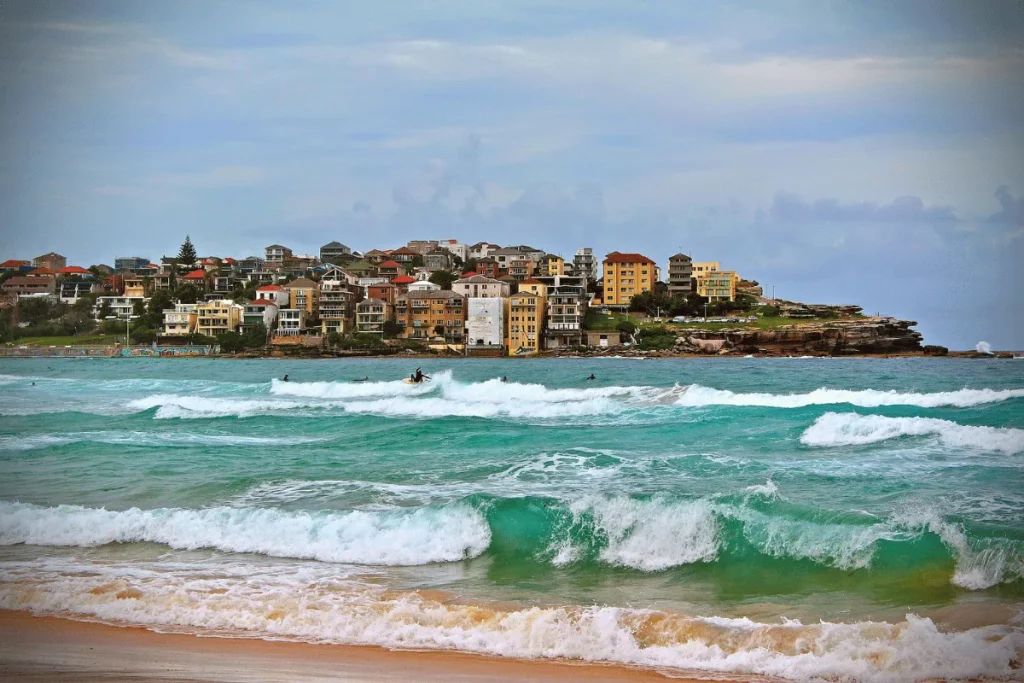
Summer can feel hotter than the averages suggest. Bureau of Meteorology records for Sydney Observatory Hill show about 15 days a year at 30°C or above and about 3 days at 35°C or above, and western suburbs are usually hotter than the coast. Humidity and UV are high, so start early, carry water and use SPF30+ sunscreen, a hat and sunglasses.
The trade-off is demand. Christmas, New Year and the school holidays (for 2026–27, NSW’s summer break runs from 18 December to late January, per the NSW Government) push up hotel prices and fill popular attractions.
Best for: beach lovers, families, first-time visitors, swimmers and surfers. Watch out for: peak prices, humidity and heat spikes.
Sydney in Autumn: March to May
Autumn is one of the best-balanced seasons for a city trip. Humidity drops, and average highs ease from 25.2°C in March to 20°C in May. Water temperatures stay around 22–23°C in March and April, so you can still swim.
This is a great time to combine the Opera House, Harbour Bridge, The Rocks, the Royal Botanic Garden and coastal walks without planning every day around beach weather. Humpback whales begin migrating north from May.
The catch is rain. March and April are among Sydney’s wetter months, so keep your plans flexible and carry a light waterproof. Easter and its two-week school break also create a short busy spell in April.
Best for: first-time sightseeing, couples, photographers, food lovers and coastal walks.
Sydney in Winter: June to August
Winter is Sydney’s quietest season and a smart option if you do not need hot beach weather. Average highs are around 17–18°C, July is the coolest month, and nights average roughly 7–9°C, so bring layers.
Winter suits a city-focused itinerary: museums, galleries, restaurants, harbour walks and festivals. It is also whale-watching season. June is the wettest month on average, but July and August are noticeably drier, and sunny winter days are common.
Because winter is the low season, it is the first period to compare if you are looking for better hotel and flight value. Just avoid the July school holidays if price matters.
Best for: budget travelers, couples, culture and food, whale watching, and anyone who prefers a quieter city.
Sydney in Spring: September to November
Spring is one of the strongest seasons for an active trip. Average highs climb from 20.5°C in September to 24°C in November, humidity is lower than in summer, and rainfall is among the lowest of the year. Gardens, coastal walks and outdoor events are at their best, and jacaranda trees begin flowering around late October into November.
October and November work especially well for first-time visitors: pleasant sightseeing weather, warming beaches and a busy events calendar, without the full intensity of summer. Demand rises as November ends, so compare hotels early for popular dates, and note that school holidays in late September and early October are busier.
Best for: outdoor travelers, families, photographers, gardens and coastal walks.
Best Months to Visit Sydney
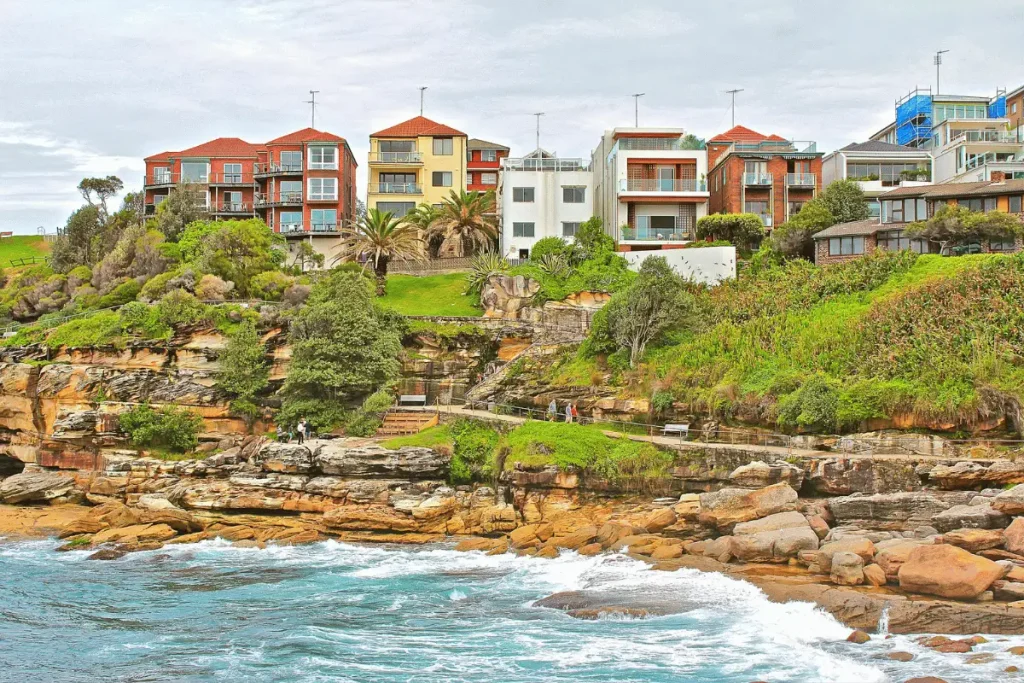
Temperatures below are from Tourism Australia. Rainfall and rain days are long-term averages from the Bureau of Meteorology’s Sydney Observatory Hill record (the station closed in 2020, but it is the longest official record). Different reference periods give slightly different numbers, but the pattern is the same: wetter from February to June, drier from August to December.
| Month | Avg high (°C) | Avg low (°C) | Rainfall (mm) | Rain days (≥1 mm) |
|---|---|---|---|---|
| January | 26.4 | 18.8 | 101 | 8.6 |
| February | 26.3 | 19.0 | 119 | 9.0 |
| March | 25.2 | 17.8 | 132 | 9.9 |
| April | 22.9 | 14.1 | 127 | 8.9 |
| May | 20.0 | 10.9 | 117 | 8.6 |
| June | 17.6 | 8.6 | 133 | 8.8 |
| July | 17.0 | 7.1 | 96 | 7.4 |
| August | 18.3 | 8.1 | 80 | 7.1 |
| September | 20.5 | 10.3 | 68 | 7.1 |
| October | 22.5 | 13.1 | 77 | 7.9 |
| November | 24.0 | 15.3 | 84 | 8.3 |
| December | 25.7 | 17.5 | 77 | 7.9 |
Sydney in January
The warmest and one of the busiest months. School holidays, Sydney Festival, Lunar New Year events (sometimes late January or February) and Australia Day on 26 January fill the calendar. Best for: beaches and festivals. Skip if: you want low prices or cooler weather.
Sydney in February
Still summer, with a high around 26°C and more rain than January. Crowds ease once school returns, and the Sydney Gay and Lesbian Mardi Gras season runs from late February into March. Best for: beaches with slightly fewer crowds.
Sydney in March
Warm days (about 25°C) and warm water make March one of the best-value months for swimming. It is also one of the wetter months, so plan some flexible indoor time. Best for: beaches with easing crowds.
Sydney in April
Comfortable sightseeing weather and sea temperatures that are still around 22–23°C. Easter, Anzac Day and the Royal Easter Show create short busy periods, and daylight saving ends on the first Sunday of April. Best for: walking, harbour days, food and culture.
Sydney in May
Cooler (around 20°C) and a good month for coastal walks. Humpback whales start migrating north, and Vivid Sydney usually begins in late May (2026 ran 22 May–13 June). Best for: sightseeing, whale season, festival lovers.
Sydney in June
The first month of winter and, on average, the wettest. Vivid Sydney continues into mid-June, and the Sydney Film Festival also takes place. Best for: festivals, museums, whales, quieter travel.
Sydney in July
The coolest month, with highs around 17°C and cool nights. Rainfall is lower than June. NSW school holidays fall in July, so book early if you are traveling then. Best for: whale watching, city breaks and indoor culture.
Sydney in August
Drier and slightly warmer than July, with the City2Surf fun run usually held in mid-August. A good month for whale watching and for quieter hotels. Best for: value, whales, walking.
Sydney in September
Spring begins, rainfall is at its lowest of the year (around 68 mm), and the Sydney Fringe festival runs in September. Late September can overlap with school holidays. Best for: dry, mild weather and outdoor activity.
Sydney in October
A prime shoulder-season month. Daylight saving starts on the first Sunday of October (4 October in 2026), giving longer evenings. Sculpture by the Sea runs along the Bondi to Tamarama coastal walk from 16 October to 2 November 2026. Best for: first-time visitors who want a mix of sightseeing and outdoor time.
Sydney in November
Warm (about 24°C), with jacarandas in bloom and beaches warming up. Prices and crowds rise toward December. Best for: early-summer weather before the holiday rush.
Sydney in December
Summer begins. Sydney’s New Year’s Eve fireworks and the start of the Sydney to Hobart yacht race on 26 December bring crowds, and sunrise is around 5:30am with sunset about 8pm. Prices peak around Christmas and New Year. Best for: festive atmosphere. Book: flights and hotels as early as you can.
Best Time to Visit Sydney for Different Travelers

Best Time to Visit Sydney for Beach Lovers
December to March gives the warmest air and sea temperatures. March is a good compromise: warm water, easing crowds and more comfortable sightseeing. Always swim at patrolled beaches between the red and yellow flags.
Best Time to Visit Sydney for Families
Families can visit in any season, but spring, early autumn and summer are the most convenient for combining beaches with outdoor attractions. During school holidays, book accommodation and popular activities well ahead. Check dates on Tourism Australia’s school holiday calendar.
Best Time to Visit Sydney for Couples
March–April and October–November offer harbour views, restaurants, scenic walks and flexible itineraries without peak-summer pressure. Winter also suits couples who want a quieter, cozier city break.
Best Time to Visit Sydney for Budget Travelers
Start by comparing June to August, Sydney’s low season, and avoid the July school holidays. Shoulder months outside school holidays and Easter can also offer good value. The cheapest date is never guaranteed, so compare total costs for flights, hotels and activities. For more ideas, read our How to Travel on a Budget guide.
Best Time to Visit Sydney for Outdoor Adventures
March–May and September–November are the best months for coastal walks, hiking and day trips. September and October are drier than autumn, which makes them the safest bet for planned outdoor days.
Best Time to Visit Sydney for Whale Watching
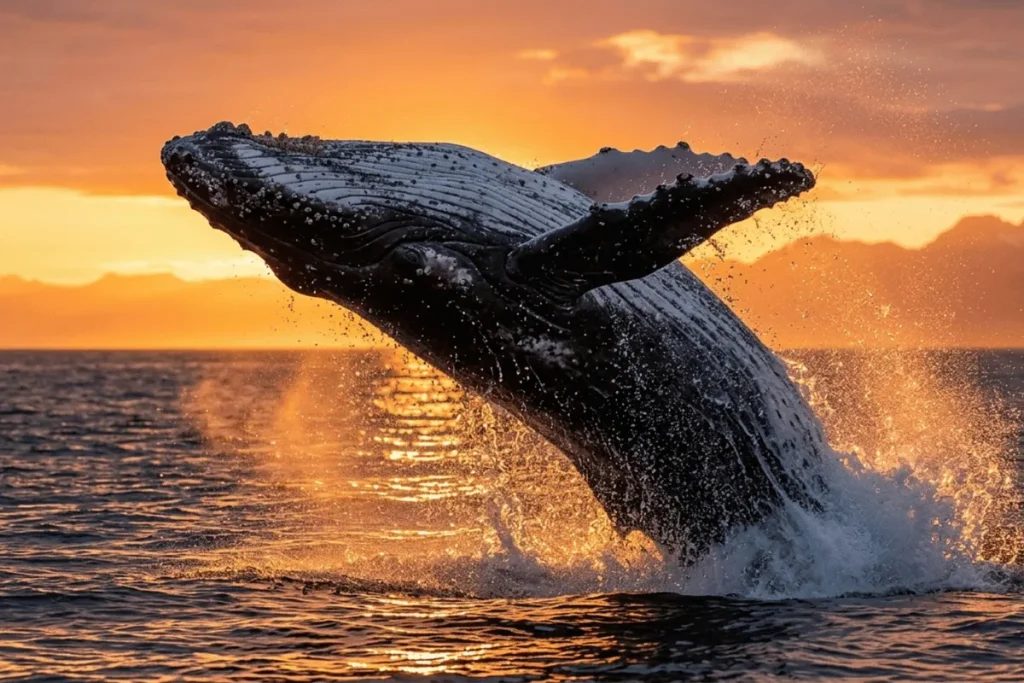
Humpback whales migrate along the New South Wales coast between roughly May and November. Tourism Australia notes they travel north from May to August, and they return south with their calves in spring, often closer to shore. Tourism Australia’s whale watching guide covers the main viewing areas. You can watch from headlands such as Cape Solander, or join a boat tour. To compare options, browse Sydney whale watching cruises and tours
Sydney Events and Festivals by Season
Always verify dates on the official Sydney event calendar before booking, because dates change each year.
Summer Events in Sydney
Summer is defined by New Year’s Eve fireworks over the harbour, followed by Sydney Festival and Lunar New Year events in January and February, and Mardi Gras season from late February. The Sydney to Hobart yacht race starts on 26 December. These are some of the busiest and most expensive weeks of the year.
Autumn Events in Sydney
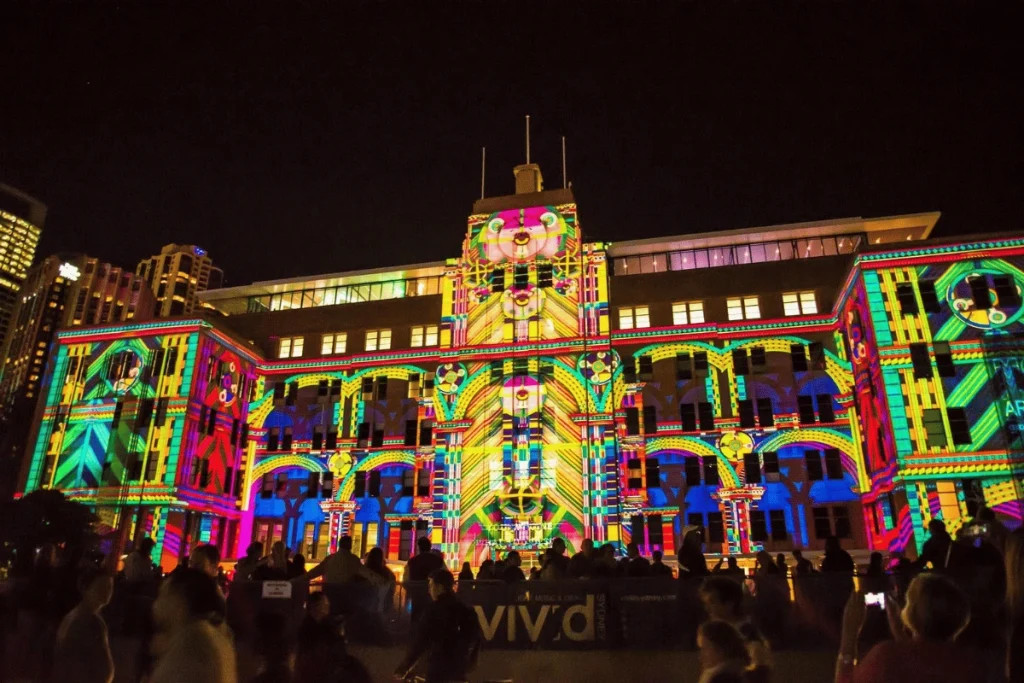
Autumn brings Mardi Gras (early March), the Royal Easter Show (around Easter) and, from late May, Vivid Sydney, the harbour-wide festival of light, music and ideas. The 2026 edition ran from 22 May to 13 June. Mild weather makes event days comfortable for walking.
Winter Events in Sydney
Winter is quieter, but not empty. Vivid Sydney continues into mid-June, the Sydney Film Festival runs in June, and the City2Surf is typically held in August. Colder evenings suit restaurants, museums and galleries, and winter is peak whale watching.
Spring Events in Sydney
Spring brings the Sydney Fringe festival in September and Sculpture by the Sea, which turns the Bondi to Tamarama coastal walk into a free outdoor gallery. The 2026 dates are 16 October to 2 November, per the official event page. It is very popular, so go on weekdays or early mornings if you can.
Is There a Rainy Season in Sydney?
Sydney has no true rainy season, and rain can fall in any month. But the long-term pattern is clear:
- Wettest: February to June, with long-term averages above about 115 mm a month. June (about 133 mm) and March (about 132 mm) are the highest on the Bureau of Meteorology’s Observatory Hill record.
- Driest: August to December, with monthly averages of roughly 68–84 mm. September is typically the driest month.
Sydney rain often comes in showers or short bursts, and even the wettest months average fewer than ten rain days. So do not cancel a trip because your month is “wetter”. Check the Bureau of Meteorology Sydney forecast, keep flexible indoor options and carry a light waterproof jacket all year.
Frequently Asked Questions About the Best Time to Visit Sydney
What Is the Best Month to Visit Sydney?
For many first-time visitors, October or March is a strong choice, because they balance comfortable temperatures with sightseeing. October is drier, while March is warmer for swimming but wetter. Summer is better for beaches, and winter is better for quieter, lower-priced travel.
What Is the Cheapest Time to Visit Sydney?
June to August is Sydney’s low season, so it is the best time to start looking for lower prices. Actual costs depend on school holidays, events and booking time, so compare several dates.
What Is the Rainiest Month in Sydney?
June is the wettest month on average, at about 133 mm in the Bureau of Meteorology’s long-term Observatory Hill record. March is almost as wet at about 132 mm. Tourism Australia’s more recent table also lists June as the wettest month, at 120 mm.
When Is Sydney’s Peak Tourist Season?
Sydney’s high season is summer, from December to February, and the busiest weeks run from mid-December to late January, when school is on holiday. New Year’s Eve is the single busiest date. Easter and school holidays create shorter peaks.
Is Sydney Worth Visiting in Winter?
Yes. Winter is cool rather than cold, with highs around 17–18°C, plus fewer crowds, whale watching and festivals such as Vivid Sydney in late May and June. It is less suitable if beaches are your main goal.
How Hot Does Sydney Get in Summer?
Average highs are around 26°C in January and February. Hot days happen: the Observatory Hill record averages about 15 days a year at 30°C or above and about 3 days at 35°C or above, and inland suburbs are hotter than the coast.
When Can You Swim in Sydney?
Summer sea temperatures reach roughly 21.9–23.7°C, and March and April are still about 22–23°C. Some locals swim through winter in wetsuits, when water averages about 19°C. Always swim at patrolled beaches.
When Is the Best Time to See Whales in Sydney?
The humpback season runs from about May to November. Whales travel north from May to August and return south in spring, so winter and early spring are the prime months.
Plan Your Trip During the Best Time to Visit Sydney
Choosing the right month is only half of the planning. Where you stay, how you book flights, how you stay connected and what you do each day all affect your trip.
Best Sydney Attractions and Experiences
A first itinerary usually includes the Sydney Opera House, Harbour Bridge, Circular Quay, The Rocks, Bondi Beach and the Royal Botanic Garden, plus day trips such as the Blue Mountains. See Tourism Australia’s Sydney guide for more ideas, and compare dates and availability early in summer and event periods.
Explore Sydney tours and activities on Klook →
Where to Stay in Sydney
For a first visit, stay near the city center, Circular Quay or The Rocks for easy sightseeing. If beaches matter most, consider Bondi or another coastal base. A cheaper room far from the action can cost you time and transport every day. See our guide to where to stay in Sydney for neighborhoods.
Compare Sydney hotels on Klook →
Flights and Arrival Planning
Sydney is a long-haul destination for many travelers, so flights can drive the total cost. Compare several departure dates instead of fixing one exact week. Shifting a few days can make a difference in busy periods.
Compare flights with Aviasales →
Stay Connected in Sydney
An eSIM can make arrival easier: maps, transport apps, hotel directions and tour confirmations work from the moment you land. It is worth setting up before you leave.
What to Pack for Sydney
Pack for the season. Summer calls for light clothes, swimwear, sunglasses, comfortable walking shoes and high-SPF sunscreen. Autumn and spring need layers, because mornings and evenings are cooler. Winter needs a warm jacket and a waterproof outer layer. A compact rain jacket is useful year-round.
Packing cubes make long-haul trips easier, especially if you are combining Sydney with other destinations.
Explore More Australia Travel Guides
Sydney is often the start of a bigger trip. Pair it with Melbourne for food and culture (see our best time to visit Melbourne guide), the Great Barrier Reef for tropical adventure, or other destinations across the country. Our Best Places to Visit in Australia guide can help you choose, and the best time to visit Australia page shows how the seasons differ by region.
Final Verdict: When Should You Visit Sydney?
The best time to visit Sydney depends on the trip you want:
- December to February for beaches, swimming and the classic Australian summer atmosphere.
- March to May for comfortable sightseeing, warm water in March and April, and the start of whale season.
- June to August for a quieter city, lower demand, whale watching and Vivid Sydney.
- September to November for spring weather, the driest months of the year, gardens and outdoor events.
If you want one balanced answer, choose October–November or March–April. Do not look for a single perfect month. Match the season to the trip you want, then book flights, accommodation and experiences around it.