
Best Time to Visit Melbourne
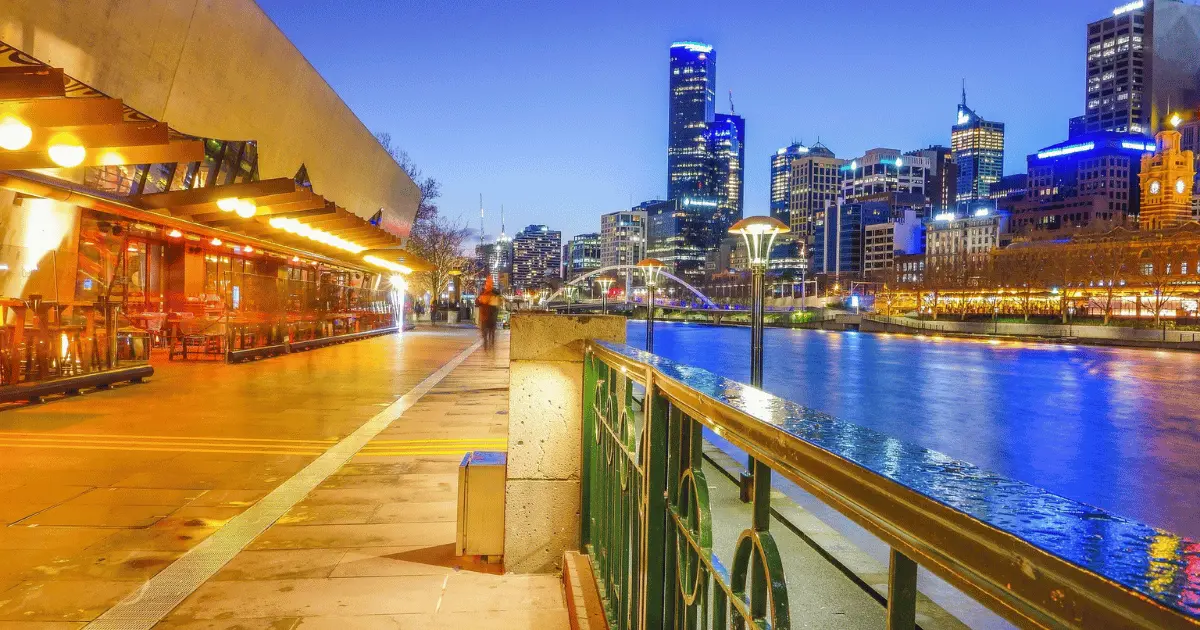
The best time to visit Melbourne for most travelers is March to April. Days are still warm (highs around 24°C in March and 20°C in April), the summer crowds have thinned, and the city’s events calendar is full. Choose December to February for the warmest, sunniest weather and the Australian Open, June to August for culture, food and better value, and September to November for gardens, spring racing and AFL finals.
Melbourne is famous for fast-changing weather, so the right month depends as much on what you want to do as on temperature. This guide covers Melbourne’s seasons, month-by-month weather and rainfall, major events, and the best dates for different kinds of travelers.
Affiliate disclosure: This article contains affiliate links. When you book through some of these links, TripAndAtlas may earn a commission at no additional cost to you. This does not affect our recommendations.
If Melbourne is part of a bigger trip, read our guide to the best time to visit Australia, the Australia Travel Guide, and our best time to visit Sydney guide to plan the two cities together.
Best Time to Visit Melbourne at a Glance
| Your priority | Best time to visit Melbourne |
|---|---|
| Best overall | March–April |
| Warmest, sunniest weather and beaches | December–February |
| Lower rainfall | January–March |
| Food, culture and museums | March–August |
| Fewer crowds and better value | June–August (outside school holidays and major events) |
| Gardens and spring atmosphere | September–November |
| Tennis | January (Australian Open) |
| AFL football | March–September |
| Formula 1 | Early April (2027: 1–4 April) |
| Most changeable and wettest weather | October |
| Season | Typical weather | Crowds | Prices | Best for |
|---|---|---|---|---|
| Summer (Dec–Feb) | Warm to hot | Higher | Higher | Beaches, outdoor dining, major events |
| Autumn (Mar–May) | Mild and comfortable | Moderate | Moderate | Sightseeing and city breaks |
| Winter (Jun–Aug) | Cool and crisp | Lower | Often better value | Culture, food, museums, budget trips |
| Spring (Sep–Nov) | Mild but changeable | Moderate | Moderate | Gardens, sports, outdoor exploring |
Melbourne follows the Southern Hemisphere seasons: summer is December to February, autumn March to May, winter June to August, and spring September to November. For the broadest balance rather than the hottest weather, autumn and early spring are the strongest choices.
Melbourne Weather and Seasons at a Glance

Melbourne’s climate is variable. A day can start cool, turn sunny and warm in the afternoon, and cool down again by evening. Visit Melbourne describes warm summers, glorious springs, mild autumns and crisp winters, with January and February usually the warmest and June and July the coldest. Summer hot spells are often eased by afternoon breezes off Port Phillip Bay.
The table below uses the monthly averages published by Visit Melbourne, which follow the Bureau of Meteorology’s city climate record. Annual rainfall is around 649 mm.
| Month | Avg high (°C) | Avg low (°C) | Rainfall (mm) |
|---|---|---|---|
| January | 26 | 14 | 47 |
| February | 26 | 15 | 48 |
| March | 24 | 13 | 50 |
| April | 20 | 11 | 57 |
| May | 17 | 9 | 56 |
| June | 14 | 7 | 50 |
| July | 14 | 6 | 48 |
| August | 15 | 7 | 50 |
| September | 17 | 8 | 58 |
| October | 20 | 10 | 66 |
| November | 22 | 11 | 60 |
| December | 24 | 13 | 59 |
A note on data sources. Melbourne Airport, which is inland, has its own Bureau of Meteorology station and its figures differ from the city’s (for example, its November rainfall of 62 mm is higher than its October figure). The airport record also shows the number of rainy days and sunshine hours: about 8.7 hours of sunshine a day in January against roughly 4 hours in June, and around 4 to 5 rain days a month in January–February against 8 to 10 rain days a month from June to October. So summer is both drier and brighter, while winter and spring bring more frequent, lighter showers.
Packing tip: bring layers in every season. Even in summer, a light jacket helps in the evening or when coastal winds pick up.
Best Time to Visit Melbourne by Season
Best Time to Visit Melbourne in Summer
December to February is Melbourne’s warmest and sunniest stretch, with highs around 24–26°C and lows of 13–15°C.. It is the best season for beaches along Port Phillip Bay, outdoor dining, parks, waterfront walks and day trips, and daylight lasts well into the evening.
Summer is also the main season for major events. The Australian Open runs at Melbourne Park from 11 to 31 January 2027, according to the Melbourne Park event page. The Boxing Day Test cricket match at the MCG is another long-running summer tradition.
The trade-offs are demand and heat. The summer school holidays in Victoria run from 19 December 2026 to 26 January 2027, per Tourism Australia, and event weeks can push up hotel prices. Hot spells do occur, so carry water and plan indoor time in the middle of the day.
Choose summer if you want: the warmest weather, beach days, major sport and long daylight hours.
Best Time to Visit Melbourne in Autumn
March to May is the strongest season for travelers who want balance. March still averages about 24°C, dropping to 20°C in April and 17°C in May, while rainfall stays moderate at 50–57 mm a month.

This is an ideal period for walking the laneways and neighborhoods, visiting cultural attractions and taking day trips without summer heat. Events pick up too: Moomba (usually over the March long weekend), the Melbourne International Comedy Festival (typically late March into April), the start of the AFL season, and the Formula 1 Australian Grand Prix (1–4 April in 2027). Daylight saving ends on the first Sunday of April, so evenings get shorter.
For most first-time visitors, March and April are the best overall months to visit Melbourne. Easter and school holidays can be busy, so book early around those dates.
Best Time to Visit Melbourne in Winter
June to August is cool and crisp, with highs of 14–15°C and lows of 6–7°C. It does not suit a beach holiday, but Melbourne is one of Australia’s best cities for indoor and urban experiences: galleries, museums, cafés, restaurants, shopping, live music and theater.
Winter also tends to be quieter outside the school holidays (late June to early July) and major events, so it is a good season to compare hotel prices. Days are shorter and more overcast, with around 4 hours of sunshine a day in June at the airport station, so plan indoor options.
If you want snow, Victoria’s snowfields offer skiing and snowboarding in winter, and can be combined with a Melbourne city stay.
Choose winter if you want: culture, food, a quieter city and potentially better value.
Best Time to Visit Melbourne in Spring
September to November brings longer days and a return to outdoor travel, with highs rising from 17°C in September to 22°C in November. It is also Melbourne’s wettest and most changeable season: October averages about 66 mm of rain, the highest of any month in the city’s record, and the weather can swing quickly from sunny to showery.
Spring is excellent for parks, gardens, neighborhood walks and sports. AFL finals are in September, and the Grand Final is held at the MCG around the end of September (the 2025 final was on 27 September). The Spring Racing Carnival builds up to the Melbourne Cup on the first Tuesday in November, and daylight saving begins on the first Sunday of October.
Choose spring if you want: gardens, football finals, spring racing and warming weather, and you are happy to carry a compact rain jacket.
Best Time to Visit Melbourne for Different Travel Experiences
Best Time to Visit Melbourne for Beaches and Outdoor Activities
For beach time, outdoor dining and long days outside, December to February is the obvious choice. It is also the driest and sunniest part of the year, which suits Port Phillip Bay beaches and day trips. Even then, conditions can change fast: a sunny morning does not guarantee a warm evening, so keep flexible plans and pack a layer.
For walking and day trips along the coast, early autumn (March–April) is a very good alternative with milder temperatures.
Best Time to Visit Melbourne for Festivals and Events
Melbourne has events every month, so the best season depends on your interests. Typical highlights include Midsumma and the Australian Open in January, Moomba and the Comedy Festival in March and April, the Melbourne International Film Festival in winter, and the Spring Racing Carnival and Melbourne Cup in October–November.
Dates change each year, so confirm them before booking. Visit Melbourne publishes a what’s-on guide for every month (for example, January and October).
Best Time to Visit Melbourne for Sports

Sports fans can plan around the calendar:
- Tennis: the Australian Open, 11–31 January 2027, at Melbourne Park.
- Cricket: the Boxing Day Test at the MCG, starting on 26 December.
- Formula 1: the Australian Grand Prix runs from 1 to 4 April 2027 at Albert Park and will include Australia’s first F1 Sprint race, according to the event’s official site.
- AFL: the season runs from roughly March to August, with finals in September and the Grand Final at the MCG around the end of September or early October.
- Horse racing: the Spring Racing Carnival culminates in the Melbourne Cup on the first Tuesday in November.
Big events fill hotels quickly, so book accommodation as soon as your dates are set.
Best Time to Visit Melbourne for Culture and Sightseeing
If museums, galleries, architecture, laneways, food and coffee matter more than beaches, you have a lot of flexibility. Autumn and winter work especially well because you can mix indoor attractions with walking days. Winter is also an underrated choice for first-time visitors who do not mind cooler weather.
Best Time to Visit Melbourne for Budget Travelers
Think in terms of demand, not a single cheapest month. Prices rise around school holidays and large events such as the Australian Open, the Grand Prix and the Melbourne Cup. A winter or shoulder-season trip outside those dates often makes it easier to find better-value rooms and flexible rates, but compare your exact dates before booking. For more ideas, read our How to Travel on a Budget guide.
Best Time to Visit Melbourne for Lower Prices and Fewer Crowds
If avoiding crowds is your priority, travel outside major events and school holidays.
- Winter (June–August) is usually the quietest period for city travel, especially outside the late June to early July school break.
- Autumn and spring are good compromises, with plenty of daylight and outdoor options but without the busiest summer weeks. Avoid the Grand Prix and Easter weeks in early April, and the Melbourne Cup week in early November.
- Late January is crowded because of the Australian Open and the end of the school holidays.
Compare several dates instead of assuming a whole season is cheaper. You can compare Melbourne hotels and accommodation options on Klook while you check different travel dates.
Best Time to Visit Melbourne Month by Month
Temperatures and rainfall come from the table above. Rainy-day and sunshine comments use the Melbourne Airport record.
January
Warm and mostly dry (26°C high, 47 mm rain), with the longest sunshine hours of the year. The Australian Open takes over Melbourne Park (11–31 January in 2027), and school holidays continue until late January. Best for: tennis and summer activities.
February
Similar to January (26°C high, 48 mm rain) and among the driest months. Crowds ease once schools return. Best for: beaches, outdoor dining and summer sightseeing.
March
Warm (24°C) and still dry (50 mm). Moomba and the Comedy Festival season usually start, the AFL season begins and the sunshine is still generous. Best for: combining city sightseeing with outdoor time.
April
Cooler but comfortable (20°C high, 11°C low). The Formula 1 Australian Grand Prix is on 1–4 April in 2027, Easter and the autumn school holidays bring crowds, and daylight saving ends on the first Sunday. Best for: food, walking and sport.
May
Noticeably cooler (17°C high, 9°C low) with about 56 mm of rain. A good month for cooler city breaks and fewer summer crowds. Best for: museums, cafés and quieter sightseeing.
June
The start of winter: 14°C highs, 7°C lows and shorter days. Plan a mix of indoor and outdoor activities, and note the school holidays that start in late June. Best for: culture and dining.
July
Typically the coldest month (14°C high, 6°C low), though rainfall is only about 48 mm. Great for galleries, theaters and restaurants. Best for: indoor culture and, if you add a side trip, the snowfields.
August
Still cool (15°C high) but days begin to lengthen. The Melbourne International Film Festival usually runs in August, and AFL season is in its final rounds. Best for: film, football and value-minded travel.
September
Spring begins (17°C high, 58 mm). Showers become more frequent, AFL finals begin and the Grand Final is usually held at the end of the month. School holidays in late September can bring crowds. Best for: finals football and early gardens.
October
Mild (20°C high) but the wettest month (66 mm). Daylight saving begins on the first Sunday, and the Spring Racing Carnival builds up. Bring a compact rain jacket and keep plans flexible. Best for: racing and sports fans who are comfortable with changeable weather.
November
Warmer (22°C high, 11°C low) with 60 mm of rain. The Melbourne Cup is held on the first Tuesday of the month, and beaches start to become appealing again. Best for: late-spring outdoor time before the summer peak.
December
The start of summer (24°C high, 13°C low). Festive lights, outdoor dining and the Boxing Day Test begin on 26 December. School holidays begin around 19 December in 2026, so prices and demand rise. Best for: the festive atmosphere and early-summer weather.
Frequently Asked Questions About Visiting Melbourne
What Is the Best Month to Visit Melbourne?
For a balanced first trip, March and April are excellent choices. They offer comfortable temperatures for sightseeing, fairly low rainfall and a strong events calendar, while avoiding the strongest summer heat. February is a good alternative if you want warmer, drier weather.
What Is the Cheapest Month to Visit Melbourne?
There is no guaranteed cheapest month, because hotel and flight prices depend on events, weekends, school holidays and demand. Winter, particularly outside school holidays and major event dates, often offers better value. Always compare several dates.
What Is the Rainy Season in Melbourne?
Melbourne does not have a defined rainy season. Rain is spread across the year, but spring is the wettest period, with October the wettest month at about 66 mm, according to Visit Melbourne. Winter and spring also bring more frequent, lighter showers, while January and February are the driest and sunniest months.
Is Melbourne Worth Visiting in Winter?
Yes. Winter suits travelers who enjoy culture, museums, restaurants, cafés, shopping and indoor attractions. Highs are around 14–15°C, so it is less suitable if your main goal is warm beach weather.
Is Summer a Good Time to Visit Melbourne?
Yes, especially for outdoor activities, beaches, warm-weather sightseeing and major events such as the Australian Open. The main disadvantages are higher demand, higher prices around holidays and events, and occasional hot spells.
Why Is Melbourne’s Weather So Changeable?
Melbourne’s variable climate means conditions can shift quickly in a single day, from cool mornings to warm afternoons and cooler evenings. The practical answer is to pack layers and a light waterproof jacket in every season.
When Is the Best Time to Visit Melbourne for the Australian Open or Formula 1?
The Australian Open runs from 11 to 31 January 2027 at Melbourne Park. The Formula 1 Australian Grand Prix runs from 1 to 4 April 2027 at Albert Park, with the main race on Sunday 4 April. Book accommodation early for both.
How Many Days Do You Need in Melbourne?
For a first visit, 3 to 5 days is a practical starting point. Three days lets you see central Melbourne and several major attractions, while five days gives you time for neighborhoods, cultural experiences and a day trip beyond the city.
Plan Your Trip During the Best Time to Visit Melbourne
Best Melbourne Tours and Attractions
First-time visitors usually combine the city’s laneways, galleries, markets and food scene with day trips such as the Great Ocean Road or Phillip Island. See Tourism Australia’s Melbourne guide for ideas, and compare tours early for event weeks.
Explore Melbourne tours and activities on Klook →
Where to Stay in Melbourne
Staying in or near the CBD makes sightseeing and public transport simple, while neighborhoods such as St Kilda suit beach lovers. Prices spike during the Australian Open, the Grand Prix and Melbourne Cup week. See our guide to where to stay in Melbourne for neighborhood options.
Compare Melbourne hotels on Klook →
Flights and Arrival Planning
Melbourne is a long-haul destination for many travelers, so flights often drive the total cost. Compare several departure dates instead of one exact week, especially around January and early April.
Compare flights with Aviasales →
Stay Connected in Melbourne
An eSIM gives you data from the moment you land, which helps with maps, trams, bookings and tour confirmations.
What to Pack for Melbourne
Layers are the golden rule. In summer bring light clothes, a hat, sunscreen and a light jacket for the evenings. In autumn and spring, add a sweater and a compact rain jacket. In winter, pack a warm coat and a waterproof layer. Packing cubes make multi-stop trips easier:
See these travel packing cubes →
Explore More Australia Travel Guides
Melbourne pairs naturally with Sydney, the Great Ocean Road and the rest of Victoria. Read our Best Places to Visit in Australia guide to compare destinations, and see our Great Ocean Road guide for a classic road trip from the city.

Best Time to Visit Melbourne: Final Recommendation
For most first-time travelers, March to April is the best overall time to visit Melbourne. The weather is comfortable, rainfall is low to moderate, outdoor sightseeing is enjoyable and the city has a strong calendar of sporting and cultural events.
- Choose December to February for warm weather, beaches and the Australian Open.
- Choose March or April for the best balance of weather, sightseeing and events.
- Choose June to August for cooler weather, culture, food and potentially better value.
- Choose September to November for gardens, AFL finals and the Spring Racing Carnival, and pack for showers.
Match your dates to the experience you want. Melbourne is a year-round destination, and no single month is perfect for every traveler. Before you book, check the latest forecast and seasonal guidance from Visit Melbourne , then compare flights, hotels and tours for your exact dates. With the right timing, Melbourne works as a short city break, the start of a Victoria road trip, or one stop on a larger Australia itinerary.