
Best Places to Visit in Australia
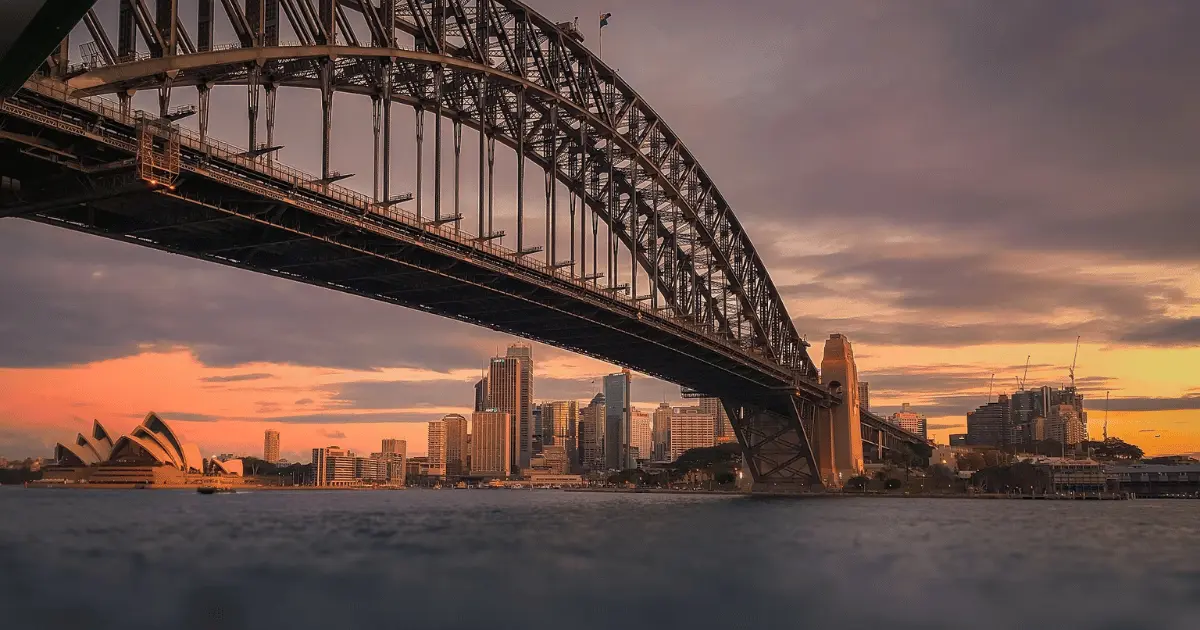
Australia is one of those destinations where the hardest part of planning is not finding somewhere beautiful to go. It is deciding which part of the country deserves your limited vacation time.
From Sydney’s harbor and beaches to Melbourne’s food and arts scene, the Great Barrier Reef, the vast landscapes around Uluru, and the wilderness of Tasmania, the best places to visit in Australia offer very different travel experiences. Australia is also much larger than it looks on a typical map. Trying to combine Sydney, Cairns, Melbourne, Uluru, Perth and Tasmania into one short trip can turn an exciting vacation into a sequence of airports and long drives.
This guide covers the destinations that make the most sense for different types of travelers, how long to spend in each, when to go, what the visa and costs look like, and how to build a realistic itinerary for 7, 10 and 14 days.
Planning your flights first? Read our Cheap Flights Worldwide guide, or compare fares with our flight partner.
Affiliate disclosure: Some links in this guide may be affiliate links. If you book through them, TripAndAtlas may earn a commission at no extra cost to you.
Quick answer: For a first trip, choose Sydney and Melbourne for city life, Cairns and the Great Barrier Reef for tropical nature, or Uluru for the outback. Add the Great Ocean Road, Tasmania or the Whitsundays if you have 10 days or more. Plan at least 3–4 days per major destination and fly between regions instead of driving: Sydney to Melbourne is about 1.5 hours by air but around 9 hours by road.
Key facts at a glance
- Best first-trip combinations: Sydney + Melbourne (7 days), or Cairns + Whitsundays for a tropical trip.
- Best time: it depends on the region. Southern beaches and Tasmania are best December–February; the tropical north, the Red Centre and the reef are best June–October.
- Entry: many visitors need an Electronic Travel Authority (ETA) or visa before flying. The ETA costs AUD $20 via the official app. Check eligibility with the Department of Home Affairs.
- Uluru park pass: AUD $38 for adults for 3 days in 2026; under-18s are free.
- Flight times from Sydney: Melbourne about 1.5 hours, Cairns about 3 hours, Uluru about 3.5 hours, Perth about 5 hours.
- Driving: Australians drive on the left, and distances between regions are very long.
How this guide was made: This Australia travel guide was researched using official tourism and government sources, including Tourism Australia, Parks Australia, and the Australian Department of Home Affairs. Destination information, travel planning advice, entry requirements, seasonal guidance, and other time-sensitive details were reviewed against 2026 sources. Because prices, entry rules, weather conditions, and park information can change, always confirm the latest details with the relevant official source before you travel.
Official planning sources: Tourism Australia · Department of Home Affairs · Parks Australia
Best Places to Visit in Australia at a Glance
Quick Comparison of the Best Places to Visit in Australia
Use this table to match destinations to your interests, then read the detail for each below. Best months are for typical conditions; see the seasonal section for hazards and exceptions.
| Destination | Best for | Ideal stay | Travel style | Getting around | Best months |
|---|---|---|---|---|---|
| Sydney | First-time visitors, city life, beaches | 3–4 days | City + Coast | Public transport | Sept–Nov, Mar–May |
| Melbourne | Food, culture, arts | 3–4 days | City + Culture | Public transport | Mar–May, Sept–Nov |
| Cairns & Great Barrier Reef | Snorkeling, reef, rainforest | 3–5 days | Tropical + Adventure | Tours / car | June–Oct |
| Uluru & Red Centre | Outback landscapes and culture | 2–3 days | Nature + Culture | Tour / car | April–Sept |
| Great Ocean Road | Coastal scenery and road trips | 2–3 days | Road Trip | Rental car | Nov–April |
| Gold Coast & Sunshine Coast | Beaches, families, relaxed breaks | 3–5 days | Beach + Family | Car / public transport | Sept–Nov, Mar–May |
| Tasmania | Hiking and wilderness | 5–7 days | Nature + Road Trip | Rental car | Dec–March |
| Perth & Western Australia | Beaches, nature, space | 4–7+ days | Coast + Road Trip | Car | Sept–Nov, Mar–May |
| Adelaide & Barossa Valley | Food and wine | 2–4 days | Food + Culture | Car / tours | Mar–May, Sept–Nov |
| Whitsundays & Hamilton Island | Islands and tropical beaches | 3–4 days | Island Escape | Boats / transfers | June–Oct |
Best Places to Visit in Australia for First-Time Visitors
For a first trip, Sydney is usually the easiest place to begin because it combines major sights, beaches, restaurants, neighborhoods and straightforward public transportation. Melbourne is another strong option for travelers who prefer food, culture, architecture, cafés and events.
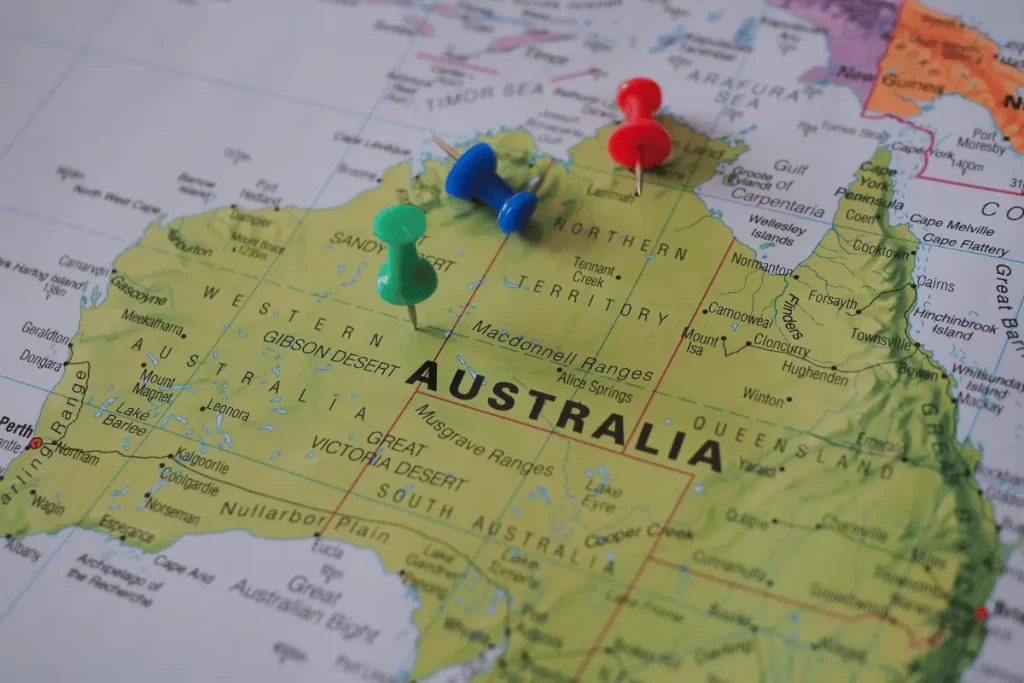
If your priority is nature, consider Cairns and the Great Barrier Reef. For a very different experience, Uluru introduces you to the landscapes and cultural significance of Australia’s Red Centre.
A first-time itinerary becomes much easier when you choose one major region plus one complementary destination rather than trying to cover the entire country. Good pairs are Sydney + Melbourne, Sydney + Great Barrier Reef, or Melbourne + Great Ocean Road.
The Best Places to Visit in Australia
Sydney — Iconic Harbor Views, Beaches and City Life
Sydney is one of the easiest places to recommend for a first Australian trip because so many experiences are concentrated in one metropolitan area. The Sydney Opera House and Harbour Bridge create the classic postcard view, but the city is about more than landmarks.
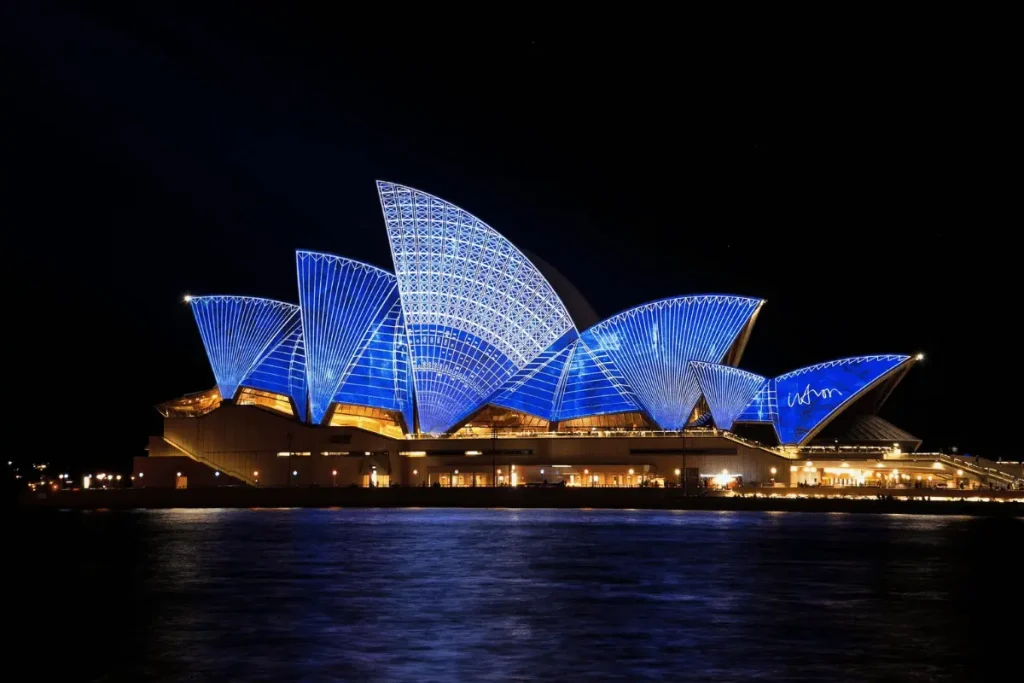
You can walk around Circular Quay and The Rocks, spend an afternoon at Bondi Beach, take the coastal walk from Bondi to Coogee, or catch a ferry across the harbor. Sydney also suits travelers who want a mix of sightseeing and relaxation: a museum or neighborhood in the morning, swimming or a coastal walk in the afternoon.
Top things to do:
- The Opera House, Circular Quay and a ferry to Manly
- The Bondi to Coogee coastal walk, about 6 km with ocean views and swimming spots
- The Rocks, Royal Botanic Garden and Taronga Zoo
- A day trip to the Blue Mountains (Katoomba and the Three Sisters), about 2 hours by train
Best for: first-time visitors, couples, beaches, food, city breaks.
Ideal stay: 3–4 days. Best months: September–November and March–May, with warm beach weather and fewer crowds than midsummer.
Where to stay: around the CBD, Circular Quay or The Rocks for sightseeing; Bondi when beach time is the priority.
Travel tip: You generally do not need a rental car for a Sydney city stay. Public transportation makes it easier to move around without dealing with city traffic and parking.
For a broader country overview, continue with the Australia Travel Guide.
Affiliate pick: Compare Sydney sightseeing tours and experiences. Compare Sydney Tours & Activities
Melbourne — Culture, Food and Laneway Adventures
Melbourne has a different personality from Sydney. The city is known for its cafés, restaurants, galleries, street art, sporting culture, shopping and distinctive laneways. It is an excellent choice for travelers who prefer exploring neighborhoods to checking off famous landmarks.
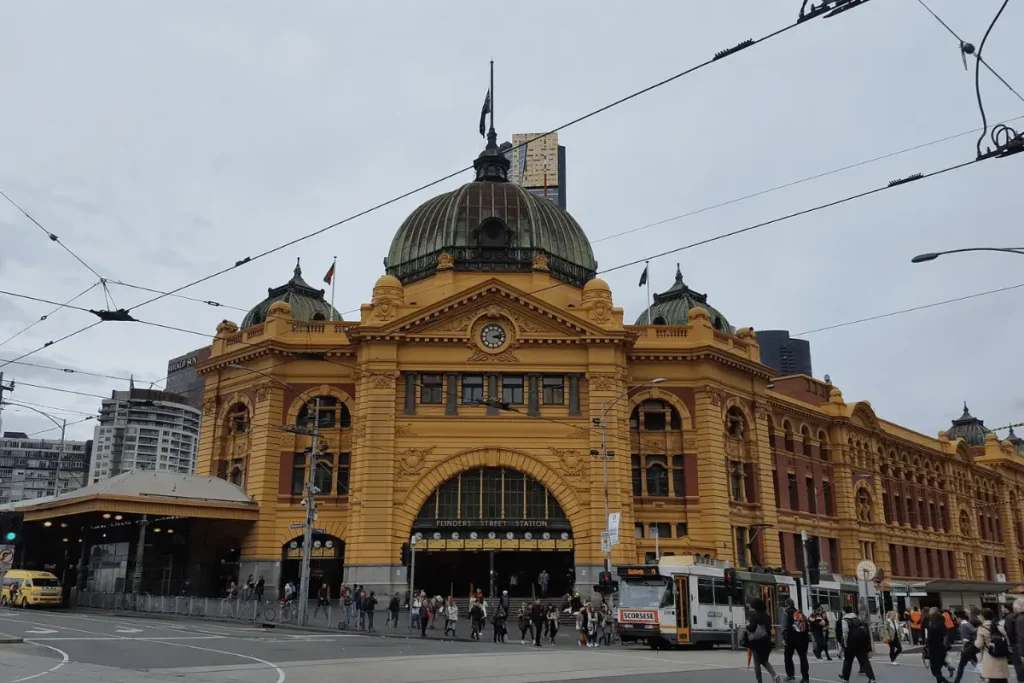
Spend time around Federation Square, the Yarra River, the central laneways, Queen Victoria Market and the major cultural institutions. Melbourne is also a good base for excursions beyond the city, and it pairs naturally with a road trip on the Great Ocean Road.
Top things to do:
- Street art in Hosier Lane and the café-lined laneways
- Queen Victoria Market and the National Gallery of Victoria
- The Royal Botanic Gardens and St Kilda beach
- A day trip to Phillip Island for the penguin parade, or the Yarra Valley for wine
Best for: food lovers, culture, cafés, art, shopping, city breaks.
Ideal stay: 3–4 days. Best months: March–May and September–November. Weather can change quickly, so pack layers.
Where to stay: central Melbourne is the most convenient for a short first visit. Choose a neighborhood based on whether you prioritize nightlife, dining, shopping or a quieter atmosphere.
Travel tip: Melbourne’s trams make it easy to explore without a car, and the central tram zone is free. Rent a car only when you leave the city.
Affiliate pick: Compare Melbourne tours, attractions and experiences. Compare Melbourne Tours & Activities
Cairns & the Great Barrier Reef — Tropical Adventures
For travelers who want Australia’s tropical side, Cairns is one of the most practical bases. The main attraction is the Great Barrier Reef, a UNESCO World Heritage site where visitors can snorkel, dive, swim and join boat excursions. The reef is enormous, with access points along a long section of Queensland’s coast, so the tour you choose matters. Tourism Australia highlights snorkeling, diving, island trips, reef-focused tours and conservation experiences as the main ways to explore the region.

The Daintree Rainforest and Cape Tribulation, roughly 2.5–3 hours north
Top things to do:
- A full-day outer-reef snorkeling or diving trip; outer reef sites generally have clearer water than inshore reefs
- A shorter island trip to Green Island or Fitzroy Island
- The Daintree Rainforest and Cape Tribulation, about 2 hours north
- The Kuranda Scenic Railway and Skyrail
- Port Douglas, about an hour north, for a more resort-style stay
Best for: snorkeling, diving, wildlife, rainforest, tropical escapes.
Ideal stay: 3–5 days. Best months: June–October, with drier weather, lower humidity and generally better conditions for reef and beach activities. Marine stinger risk is higher from around October or November to May; reef operators provide stinger suits.
Where to stay: Cairns is convenient for tours and dining. Port Douglas is better if you prefer a resort atmosphere.
Travel tip: A guided boat tour is often the simplest way for first-time visitors to experience the Great Barrier Reef because many operators include transportation, snorkeling equipment, safety briefings, and other essentials in the trip.
Affiliate pick: Compare Great Barrier Reef snorkeling and diving tours and Daintree day trips. Compare Cairns Tours & Activities
Uluru & the Red Centre — Australia’s Outback Experience
Uluru offers a completely different side of Australia from the coastal cities. The enormous sandstone monolith rises from the desert and is deeply significant to the Aṉangu Traditional Owners. Visiting is not simply about photographing a famous rock; it is an opportunity to learn about Country, culture and the landscape around Uluru and Kata Tjuta.
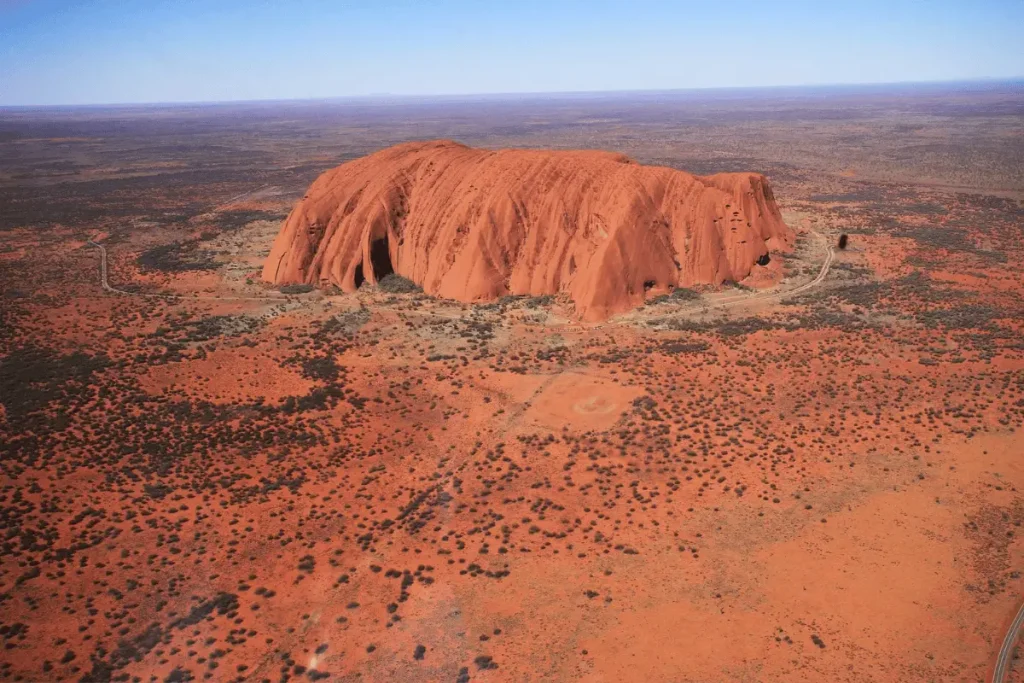
The climb has been closed since October 2019, so the experience is about walking the base, watching the changing light and learning from Aṉangu guides and the Cultural Centre. Respect the cultural restrictions in the park, including areas where photography is not allowed, and check current conditions on the official Parks Australia pages before you go.
Top things to do:
- The Uluru base walk, about 10 km, best done early in the morning
- Sunrise or sunset viewing at the designated viewing areas
- Kata Tjuta (the Olgas) and the Valley of the Winds walk, which may close in extreme heat
- The Uluru-Kata Tjuta Cultural Centre, guided ranger walks and the Field of Light art installation
Best for: outback landscapes, photography, culture, nature.
Ideal stay: 2–3 days. Best months: April–September, when days are warm rather than extreme. Summer temperatures can exceed 40°C.
Where to stay: Yulara (Ayers Rock Resort) is the main visitor base, 20 minutes from the rock.
Getting there: about 3.5 hours by plane from Sydney. Alice Springs is a long drive away (roughly 4.5 hours), which suits a Red Centre road trip. Park pass: AUD $38 for 3 days (adults 18+; under-18s free).
Travel tip: start early. Temperatures, light and trail conditions change a lot through the day.
Official visitor information: Parks Australia.
Affiliate pick: Compare guided Uluru sunrise, sunset and cultural experiences. Compare Uluru Tours & Experiences
Great Ocean Road — A Classic Australian Road Trip
The Great Ocean Road is one of Australia’s most recognizable coastal drives, and a natural choice for travelers who want the journey itself to be part of the experience. The route runs roughly 240 km along Victoria’s southwest coast, so a straight drive takes around four hours before you stop.
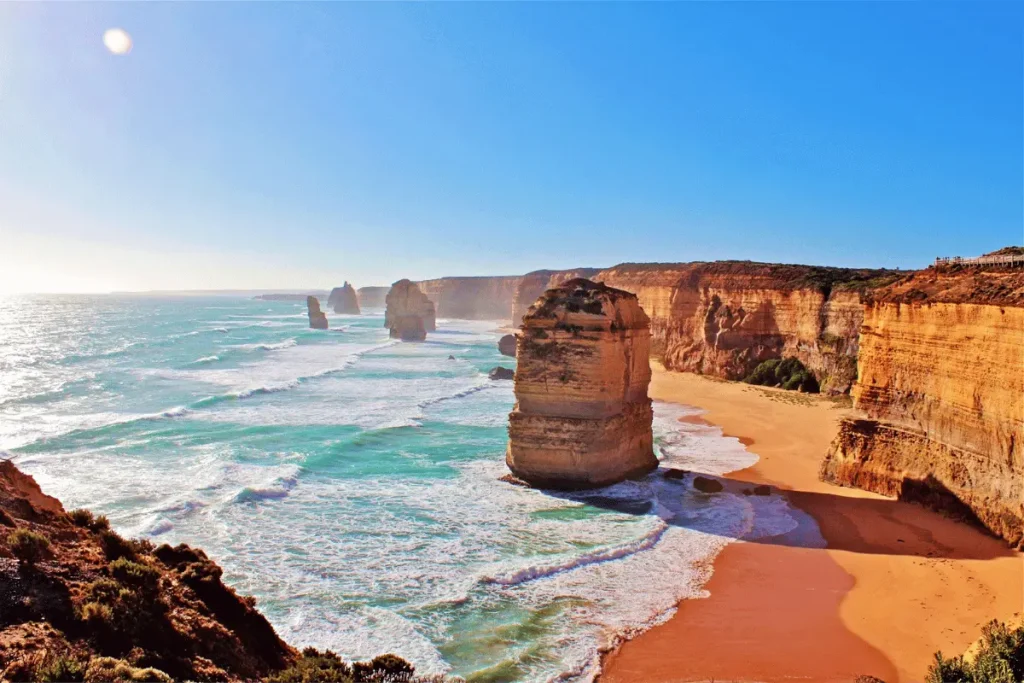
Rather than rushing from Melbourne to the main viewpoints and back, allow time for coastal towns, lookouts, beaches and rainforest stops. The Twelve Apostles are the visual highlight for many visitors, but the appeal is the combination of dramatic coastline and smaller stops along the way.
Top things to do:
- Bells Beach and the surf town of Torquay at the start of the route
- Lorne and Apollo Bay, good places for lunch or an overnight stop
- Great Otway National Park for rainforest walks and waterfalls
- The Twelve Apostles, Loch Ard Gorge and Gibson Steps; go early or late to avoid tour-bus crowds
Best for: road trips, photography, coastal scenery, couples.
Ideal stay: 2–3 days (1–2 nights). Best months: November–April for the best weather, though the coast can be windy and cool at any time.
Where to stay: split the drive with an overnight stop, for example in Apollo Bay or Port Campbell.
Travel tip: A rental car can give you more flexibility on the Great Ocean Road. Australia drives on the left, and regional roads require extra care around wildlife, weather, and scenic stops.
Affiliate pick: Compare Great Ocean Road tours from Melbourne. Compare Great Ocean Road Tours
Gold Coast & Sunshine Coast — Beaches and Family Getaways
Queensland’s southeast coast is a strong choice when the trip revolves around beaches, outdoor activities and an easy-going holiday. The Gold Coast offers long beaches, entertainment, dining, shopping and family attractions. The Sunshine Coast has a slower rhythm and gives access to Noosa and surrounding natural areas.
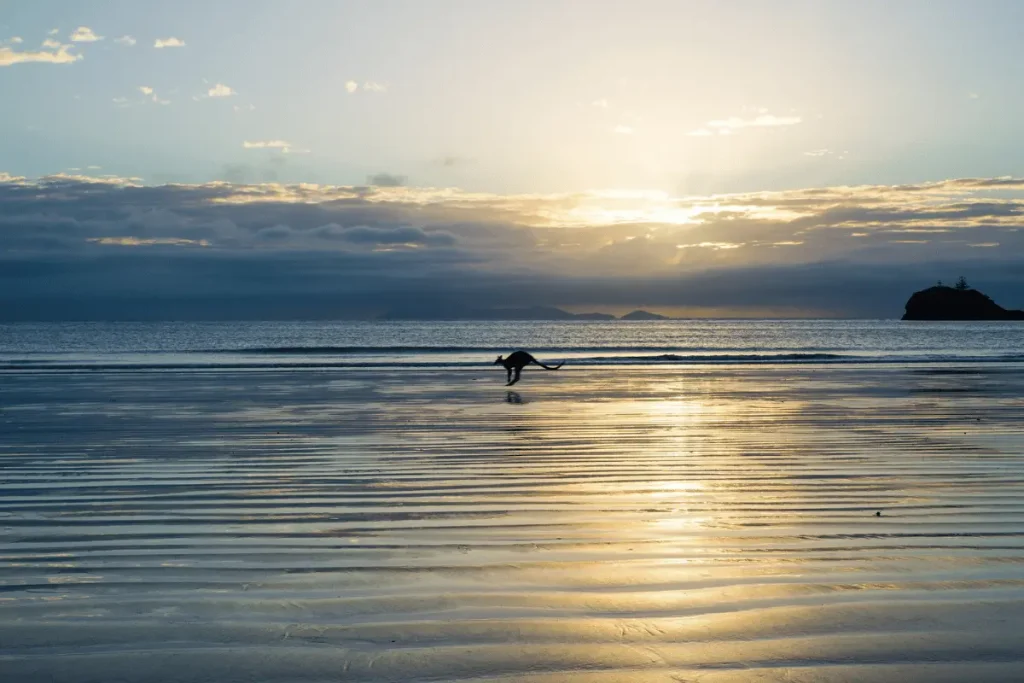
This region works well for families because you can combine beach time with short outings rather than planning long-distance sightseeing every day.
Top things to do:
- Surfers Paradise and Burleigh Heads on the Gold Coast
- Theme parks and Currumbin Wildlife Sanctuary for families
- Noosa National Park coastal walk and Noosa’s main beach
- Australia Zoo and the Glass House Mountains on the Sunshine Coast
- Hinterland rainforest at Lamington or Springbrook National Parks
Best for: families, beaches, surfing, relaxed holidays.
Ideal stay: 3–5 days. Best months: September–November and March–May.
Where to stay: the Gold Coast when entertainment and attractions are the priority; the Sunshine Coast when beaches, nature and a quieter pace matter more.
Getting there: about 1 hour by road from Brisbane to the Gold Coast, and roughly 1.5–2 hours to Noosa. Gold Coast Airport also has direct flights from Sydney and Melbourne.
Travel tip: a car is useful if you plan to explore beyond the main coastal centers. Swim between the red and yellow flags at patrolled beaches.
Affiliate pick: Compare Gold Coast theme park tickets and family-friendly activities. Compare Gold Coast Tickets & Activities
Tasmania — Wilderness, Hiking and Scenic Landscapes
Tasmania is one of the strongest choices in Australia for travelers who want nature rather than big-city sightseeing. The island offers rugged coastlines, mountains, forests, wildlife, lakes and walking trails. Freycinet National Park and Wineglass Bay are among the most recognizable landscapes, while Cradle Mountain provides a very different alpine environment.
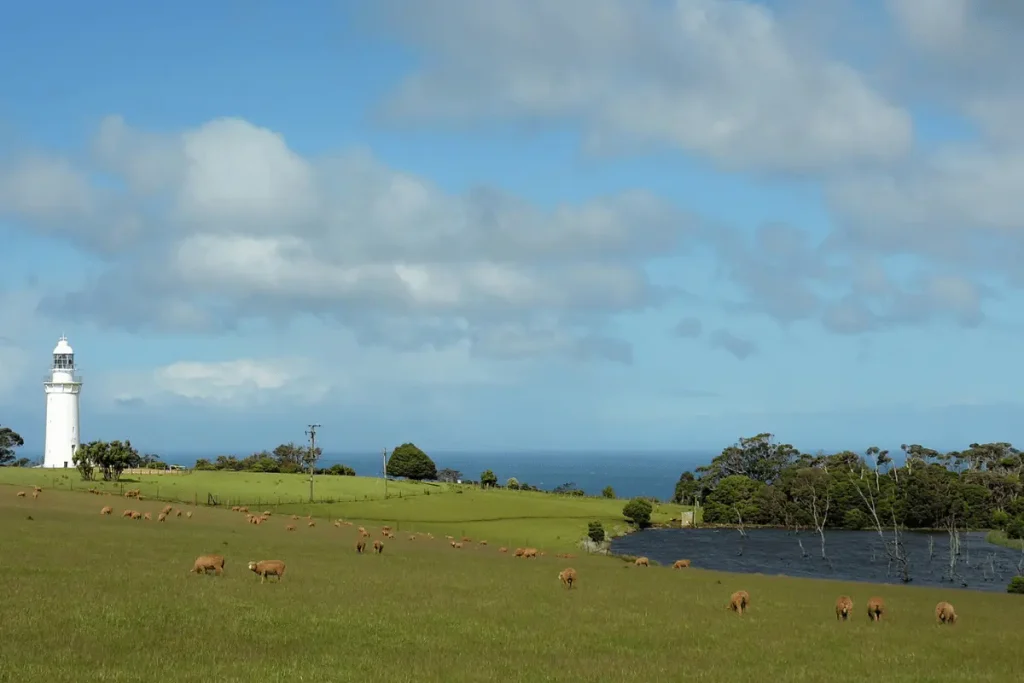
Tasmania is best experienced slowly. Trying to drive around the entire island in a few days can mean spending more time in the car than on the trails.
Top things to do:
- Hobart: Salamanca Market (Saturdays), the Museum of Old and New Art (MONA) and a drive up kunanyi/Mt Wellington
- Port Arthur Historic Site and the Tasman Peninsula
- Freycinet National Park and the Wineglass Bay lookout
- Cradle Mountain and Dove Lake, where access rules and park passes apply
- Bruny Island for food and coastal scenery; the Bay of Fires for beaches
Best for: hiking, wilderness, wildlife, photography, road trips.
Ideal stay: 5–7 days. Best months: December–March for the warmest weather; autumn is also lovely. Winters are cold and snow is possible in the mountains.
Where to stay: Hobart is a practical starting point, but road-trip travelers should plan overnight stops along their route (for example Freycinet and Cradle Mountain).
Getting there: about 1h20 by plane from Melbourne and roughly 2 hours from Sydney, or the Spirit of Tasmania overnight ferry from Melbourne with your own vehicle.
Travel tip: A rental car is often the most useful option outside Tasmania’s main towns, especially when your itinerary includes national parks, hiking areas, and remote scenic stops.
Affiliate pick: Compare Tasmania tours, wildlife experiences and outdoor activities. Compare Tasmania Tours & Activities
Perth & Western Australia — Beaches and Nature
Western Australia rewards travelers who have more time. Perth offers beaches, parks, restaurants and a relaxed urban atmosphere. But the bigger appeal lies beyond the city, in landscapes you will not find on the east coast.
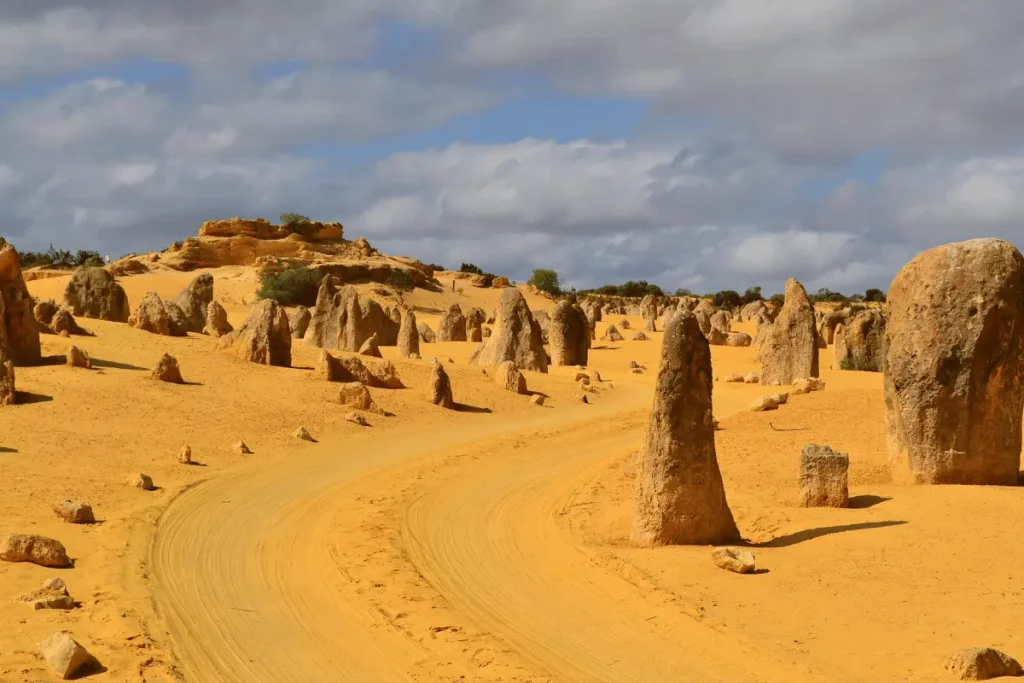
Depending on the length of your trip, you can explore the Pinnacles, Margaret River, the Coral Coast, Ningaloo Reef or more remote landscapes farther north. The distances are substantial, so Western Australia should not be treated as a quick add-on to an east-coast itinerary.
Top things to do:
- Kings Park, Cottesloe Beach and Fremantle’s markets and heritage streets
- Rottnest Island, famous for its quokkas, by ferry from Perth or Fremantle
- The Pinnacles Desert, about 2 hours north of Perth
- Margaret River for wine, caves and surf beaches, about 3 hours south
- Ningaloo Reef near Exmouth for snorkeling with marine life, including whale sharks in season; spring wildflowers appear from about August to October
Best for: beaches, wildlife, road trips, nature, photographers.
Ideal stay: 4–7 days for a focused trip, longer for a road trip. Best months: September–November and March–May; summer is hot.
Where to stay: Perth works for a city break and as a starting point for regional travel.
Getting there: about 5 hours by plane from Sydney, and two to three hours behind eastern time zones.
Travel tip: add extra days when driving between regional destinations. Western Australia is one of the places where realistic planning matters more than a checklist.
Affiliate pick: Compare Perth and Western Australia tours, wildlife experiences and day trips. Compare Perth & Western Australia Tours
Adelaide & Barossa Valley — Food, Wine and Relaxed Escapes
Adelaide is often overlooked by first-time international visitors, but it can be an excellent choice for travelers who enjoy food, wine, markets and a slower city experience. The nearby Barossa Valley, about an hour away, is one of Australia’s best-known wine regions, famous for Shiraz.

Adelaide can also work as a gateway to South Australia’s broader attractions, including McLaren Vale, the Adelaide Hills and Kangaroo Island.
Top things to do:
- Adelaide Central Market and the city’s laneway bars and restaurants
- Barossa Valley cellar doors, bakeries and farm produce
- McLaren Vale and the Adelaide Hills for more wine and scenery
- A trip to Kangaroo Island for sea lions, koalas and wild coastline
Best for: foodies, wine lovers, couples, relaxed trips.
Ideal stay: 2–4 days. Best months: March–May and September–November.
Where to stay: central Adelaide is convenient for restaurants, markets and sightseeing.
Travel tip: for wineries, consider a guided tour if you do not want to drive after tastings.
Affiliate pick: Compare Barossa Valley and Adelaide wine tours. Compare Barossa Valley Wine Tours
Whitsundays & Hamilton Island — Turquoise Waters and Island Life
The Whitsundays offer a classic tropical-island experience, with about 74 islands, turquoise water, beaches and sailing. Whitehaven Beach and Hill Inlet are the signature sights, and the islands provide access to the Great Barrier Reef.
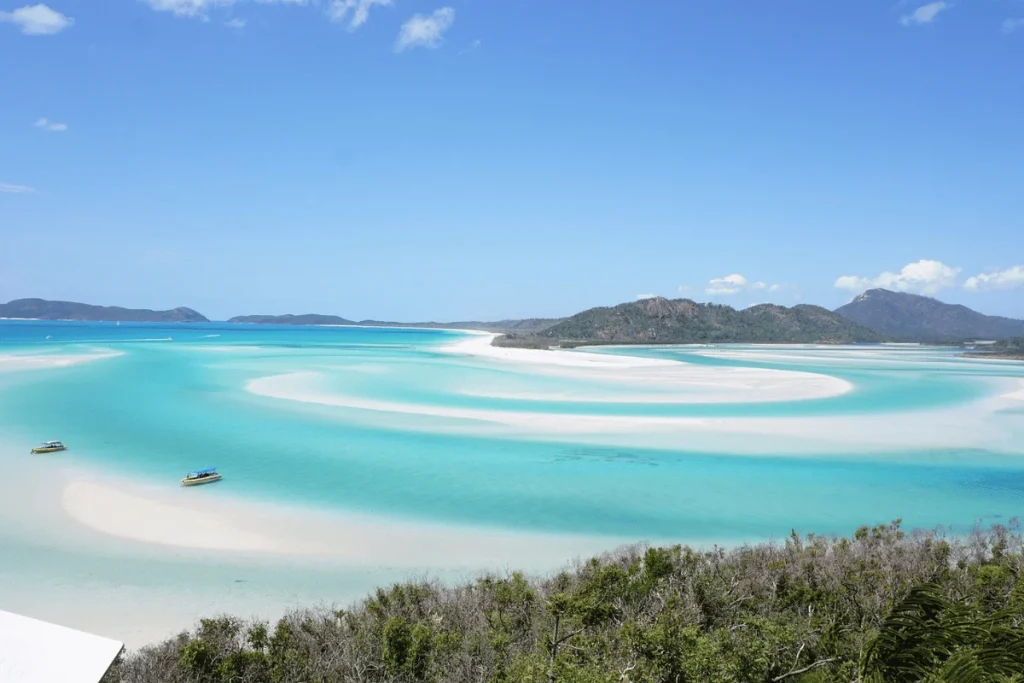
Hamilton Island is one of the easiest bases for travelers who want an island holiday without planning every detail. Airlie Beach on the mainland is the main gateway for sailing trips and day tours.
Top things to do:
- Whitehaven Beach and the Hill Inlet lookout
- A multi-day sailing trip, or a day cruise from Airlie Beach
- Snorkeling at the outer reef
- A scenic flight over Heart Reef
Best for: couples, beaches, island escapes, sailing.
Ideal stay: 3–4 days. Best months: June–October for generally drier weather and comfortable island conditions. Marine stinger season typically runs from October to May, so follow local advice and use a stinger suit when swimming during the higher-risk period.
Where to stay: Hamilton Island is the simplest option for a structured island stay. Airlie Beach suits budget travelers and sailing trips.
Getting there: Hamilton Island Airport has direct flights from several major cities, or fly to Proserpine and transfer.
Travel tip: combine the Whitsundays with another Queensland destination only when your schedule leaves enough time for both.
Affiliate pick: Compare Whitsundays sailing trips, Great Barrier Reef cruises and island excursions. Compare Whitsundays Tours & Activities
More Places Worth Adding: Blue Mountains, Byron Bay, Kangaroo Island, Darwin & Kakadu
If you have extra time, or want to build a second trip, these four places are frequently recommended and fit easily into the itineraries above.
Blue Mountains (New South Wales): the Three Sisters, cliff-top walks and waterfalls, about 2 hours from Sydney by train. Easy as a day trip or overnight.
Byron Bay (New South Wales): beaches, a famous lighthouse at Australia’s most easterly point, and whale watching from roughly June to November. About 2.5 hours from Brisbane.
Kangaroo Island (South Australia): sea lions, koalas, kangaroos and rugged coastline; reached by a short ferry or flight from Adelaide.
Darwin & Kakadu (Northern Territory): wetlands, Aboriginal rock art and waterfalls. Best in the dry season (about May–October). Crocodiles live in the north, so swim only where signs say it is safe.
Best Places to Visit in Australia by Travel Style
Best Places for Beaches and Islands
For a beach-focused trip, look at the Gold Coast, the Sunshine Coast, the Whitsundays, Sydney’s coastal neighborhoods and Western Australia. Sydney offers beaches alongside city attractions, while the Whitsundays focus on tropical island scenery. Western Australia has long, empty beaches, but you need time and a car.
Best Places for Nature and Wildlife
Cairns and the Great Barrier Reef are natural choices for marine life and rainforest. Tasmania is better for hiking, wilderness and cooler landscapes. Western Australia offers dramatic distances and remote-feeling nature, including Ningaloo Reef. Uluru is the choice for desert landscapes with a strong cultural dimension. Kangaroo Island is excellent for seeing native animals in the wild.
Best Places for Road Trips
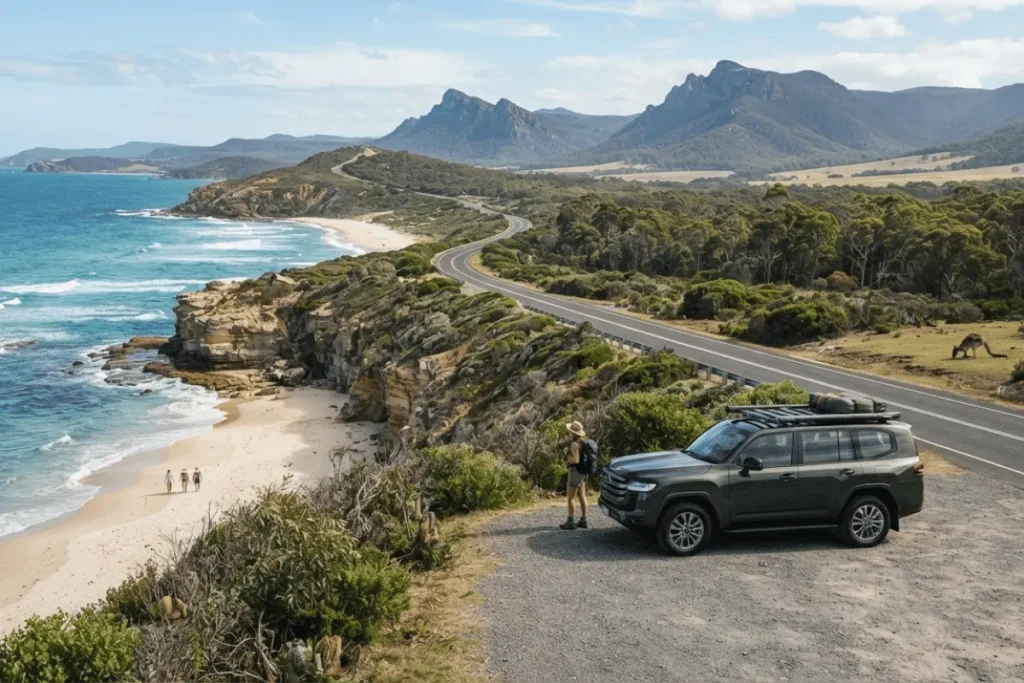
Australia is rewarding by car when the route itself is part of the experience. The Great Ocean Road is the obvious short road trip from Melbourne. Tasmania, Western Australia and parts of Queensland and New South Wales offer much longer possibilities.
Do not underestimate driving times. A route that looks short on the map can take much longer once you add stops, weather, road conditions and the distance between towns. Plan fuel and water for remote stretches, avoid driving at dusk and dawn when wildlife is active, and remember to drive on the left.
Best Places to Visit in Australia for Couples
Couples can choose very different styles of trip. Sydney works for restaurants, harbor views, beaches and city experiences. The Whitsundays are better for an island escape, while the Barossa Valley offers a slower food-and-wine trip. Tasmania works well for couples who prefer hiking, scenic drives and small-town stays.
Best Places for Families
The Gold Coast and Sunshine Coast offer a strong combination of beaches and family-oriented activities. Sydney can work well because many major attractions can be reached without long drives. Cairns is another option when children are interested in wildlife, snorkeling and rainforest experiences. The best choice depends on the children’s ages and whether the family prefers active sightseeing or a slower resort-style holiday.
Best Time to Visit Australia
Australia does not have one universal “best” season because the country spans tropical, subtropical, desert and temperate climates. Most of the south follows four seasons, while the north has a wet and a dry season. Australia’s seasons are also opposite those in the Northern Hemisphere. For regional conditions, check Tourism Australia.
Australia in Summer
December to February. Summer is a natural choice for southern beaches, coastal road trips and Tasmania. In the tropical north, including Cairns and the Whitsundays, it is the hot, humid wet season, with stingers in the water, and the outback can be extremely hot. This is also the main school-holiday period, with higher prices and busier destinations.
Australia in Autumn
March to May. Autumn is comfortable for city breaks and many outdoor destinations. Milder temperatures and fewer crowds make it a good shoulder season for combining cities, nature and road trips. Tasmania and parts of southern Australia are particularly appealing.
Australia in Winter
June to August. Winter is one of the best times for northern Australia. The north moves into its dry season, so Cairns, the Great Barrier Reef, Darwin and the Red Centre are popular for warm, sunny weather. Southern areas can be cold, with snow in alpine regions. This is also whale-watching season on the east coast.
Australia in Spring
September to November. Spring brings milder conditions to many regions and is a good time for road trips, cities, wildlife and outdoor experiences. Western Australia’s wildflowers peak around August to October. The northern wet season begins later in the year, so exact timing matters for tropical destinations.
Best Regions to Visit by Season
| Season | Regions to consider |
|---|---|
| Summer | Sydney, Melbourne, Tasmania, southern beaches |
| Autumn | Melbourne, Sydney, Tasmania, South Australia |
| Winter | Cairns, Great Barrier Reef, Darwin, Uluru |
| Spring | Sydney, Melbourne, Perth, southern road trips |
Tourism Australia’s seasonal guidance is useful for checking conditions by region before booking Tourism Australia.
Seasonal Hazards and Things to Check
Marine stingers: in tropical Queensland, stinger season runs from roughly October or November to May. Swim at stinger-netted beaches, wear a stinger suit on reef tours, and follow local signs.
Wet and cyclone season: the tropical north is wettest from about December to March, and cyclones are possible from about November to April. Check forecasts and insurance cover.
Bushfires and heat: summer can bring extreme heat and bushfires in the south. Check state emergency warnings before long drives and national park visits.
School holidays: the December–January period is the most expensive and busiest. Book accommodation and tours early.
Uluru in summer: days can exceed 40°C, and some trails close in extreme heat.
How Many Days Do You Need to Visit Australia?
The honest answer is that Australia needs more time than most travelers expect. Count flight days, and plan at least 3–4 days in any major destination.
Best Places to Visit in Australia in 7 Days
With one week, stay focused. A practical first-trip option is Sydney (4 days) and Melbourne (3 days), including the short flight between them. Another option is to focus on Queensland: Cairns and the Great Barrier Reef (4 days) and the Whitsundays (3 days).
Avoid trying to combine Sydney, Melbourne, Cairns and Uluru in seven days.
Australia in 10 Days
Ten days gives you more flexibility. One city-and-coast example:
- Days 1–3: Sydney, including the Blue Mountains or a Bondi coastal walk.
- Days 4–6: fly to Melbourne (about 1.5 hours) for food and culture.
- Days 7–8: pick up a rental car and drive the Great Ocean Road with an overnight stop.
- Days 9–10: return to Melbourne with a buffer for onward flights.
For a nature-focused trip, try Cairns (4 days), the Whitsundays (3 days) and Sydney (3 days).
Australia in 14 Days
Two weeks is enough for a more ambitious trip, but you still need to choose carefully. A balanced route could be:
- Sydney: 4 days
- Melbourne: 3 days
- Great Ocean Road: 2 days
- Cairns and the reef: 5 days
Another approach is to dedicate the whole trip to one side of the country, especially if you want a road trip.
Longer Australia Trips
Three weeks or more opens the door to Western Australia, Tasmania, the Red Centre or a longer Queensland and New South Wales road trip. At this point, build the itinerary around geography rather than the number of attractions. For example, add Tasmania (5–6 days) and Uluru (2–3 days) to the two-week route, and treat Western Australia as a separate trip.
Planning Your Trip to Australia
Visa and Entry Requirements
Most visitors need permission to enter Australia before they fly. Many travelers from eligible countries, including the United States, Canada and Japan, use the Electronic Travel Authority (ETA, subclass 601), which costs AUD $20 and must be applied for through the official Australian ETA app. Travelers from many European countries use the free eVisitor (subclass 651), and other nationalities need a Visitor visa (subclass 600). Eligibility lists change, so check the Department of Home Affairs. Apply well before departure and avoid third-party sites that add extra fees.
Affiliate pick: Compare Australia eSIM options for your trip. Compare Australia eSIMs with Airalo
How Much Does a Trip to Australia Cost?
Australia is not a cheap destination, and costs vary by city and season. Sydney, Melbourne and Perth have higher accommodation prices, and the December–January school holidays push prices up everywhere. The biggest line items are usually flights, accommodation and reef or outback tours. Fixed costs in 2026 include:
ETA: AUD $20 per person (eligible passports).
Uluru-Kata Tjuta National Park pass: AUD $38 for adults, 3 days.
Domestic flights: fares vary widely by route and date; book early for popular routes.
To save money, travel in shoulder season, fly between regions only when the time saved justifies it, and choose a base with public transport. See our How to Travel on a Budget guide for more tips.
How to Get Around Australia
Australia’s cities are generally easier to explore without a car, while regional destinations are much more convenient with one. Use public transportation for city breaks in Sydney and Melbourne, then consider renting a car for the Great Ocean Road, Tasmania, regional Queensland or parts of Western Australia. Domestic flights save substantial time on long-distance routes, especially between the east, west and central regions.
Where to Stay in Australia
Accommodation should match your itinerary, not only your budget. For city trips, staying centrally reduces transportation time. For road trips, a well-located overnight stop can be more valuable than the cheapest available town. Before booking, compare:
- Location
- Recent guest reviews
- Cancellation policy
- Parking
- Breakfast
- Airport or station access
- Total price rather than the advertised nightly rate
Tours and Activities to Book
Tours make the most sense when they solve a genuine planning problem. Examples include:
- Great Barrier Reef snorkeling or diving
- Rainforest excursions from Cairns
- Whitsundays sailing trips
- Wine tours from Adelaide
- Guided Uluru cultural experiences
- Wildlife excursions
For Australia, the quality and logistics of the activity matter more than simply choosing the cheapest option.
Affiliate pick: Compare top-rated Australia tours and activities. Compare Australia Tours & Activities
Car Rental and Road Trip Planning
A rental car is useful when your itinerary includes multiple regional stops, national parks, beaches or scenic routes. Do not rent one simply because you are visiting Australia: in Sydney or Melbourne, parking and traffic can make a car unnecessary. For Tasmania, the Great Ocean Road and many Western Australia itineraries, a vehicle is much more valuable. Before booking, compare total rental cost including insurance, fuel, parking and one-way fees.
Domestic Flights in Australia
Australia’s size means domestic flights are part of most longer itineraries. Instead of spending a large part of a two-week vacation driving between distant regions, fly between major cities and rent a car locally. A useful rule: fly between major regions, drive within a region. It is not always the cheapest approach, but it makes a short vacation much more realistic.
| From Sydney to… | Approx. flight time | Notes |
|---|---|---|
| Melbourne | ~1.5 hours | Very frequent; ~9 hours by road |
| Gold Coast / Brisbane | ~1.5 hours | Gateway to the Gold and Sunshine Coasts |
| Cairns | ~3 hours | Reef and Daintree |
| Uluru (Ayers Rock) | ~3.5 hours | Direct flights from several cities |
| Hobart | ~2 hours | Also ~1h20 from Melbourne |
| Adelaide | ~2 hours | Barossa Valley is ~1 hour by road |
| Perth | ~5 hours | Two to three hours behind eastern time |
Flight times are approximate and vary by airline and route. Search flights with TripAndAtlas.
Safety, Sun and Wildlife Tips
Sun: UV levels are very high. Use sunscreen, a hat and sunglasses, and avoid midday sun in summer.
Beaches: swim between the red and yellow flags where lifeguards patrol, and ask about currents.
Marine stingers and crocodiles: follow local signs in northern Queensland and the Northern Territory.
Roads: drive on the left, and watch for wildlife at dawn and dusk.
Remote areas: carry water, check fuel stops and tell someone your plan.
For a broader overview, see the Australia Travel Guide.
Frequently Asked Questions About the Best Places to Visit in Australia
What are the best places to visit in Australia for a first trip?
Sydney, Melbourne and Cairns are three practical starting points because they offer very different experiences: city and coast, food and culture, and tropical nature. For a shorter trip, choose one or two rather than trying to combine all three.
How many days do you need in Australia?
A week can work for one region or two closely connected destinations, such as Sydney and Melbourne. Ten days allows more flexibility, while 14 days lets you build a more varied itinerary. Distances mean longer trips are not simply about adding destinations; you must also account for transport between them.
What is the best time to visit Australia?
There is no single answer. Winter (June–August) is best for northern Australia and the Red Centre, summer (December–February) for southern beaches and Tasmania, and spring and autumn offer comfortable conditions across many regions. The tropical north follows wet and dry seasons.
What are the best places in Australia for a road trip?
The Great Ocean Road, Tasmania and Western Australia are especially well suited to road trips. Queensland and New South Wales also offer strong coastal driving routes.
Which part of Australia is best for beaches and nature?
For tropical beaches and reef experiences, Queensland is a natural choice. For rugged scenery and wilderness, Tasmania is more suitable. Western Australia is a strong option when you want beaches combined with long drives and spacious landscapes.
Do I need a visa to visit Australia?
Most visitors do. Many eligible passports use the AUD $20 Electronic Travel Authority through the official app, while many Europeans use the free eVisitor. Check your eligibility with the Department of Home Affairs before you book.
Is Australia expensive to visit?
It can be, particularly in Sydney, Melbourne and Perth and during December–January school holidays. Travel in shoulder season, compare accommodation, and fly between regions only when the time saved is worth the cost.
Should I visit Sydney or Melbourne first?
Sydney is better for harbor views, beaches and landmarks, while Melbourne is better for food, coffee, art and neighborhood exploring. If you have time, visit both; they are only about 1.5 hours apart by air.
When is stinger season in Queensland?
Marine stingers are present in tropical Queensland roughly from October or November to May. Reef tours provide stinger suits, and stinger-netted beaches are available. June to October is the safest and driest time to swim.
Can you climb Uluru?
No. The climb has been closed since October 2019. Visitors can walk the base, join ranger-guided walks and visit the Cultural Centre. An adult 3-day park pass costs AUD $38 in 2026.
Final Thoughts on the Best Places to Visit in Australia
The best places to visit in Australia are not interchangeable, and that is what makes planning the country so interesting. Sydney works when you want an energetic city with beaches and iconic landmarks. Melbourne suits food, culture and urban exploration. Cairns opens the door to the Great Barrier Reef and tropical rainforest, while Uluru offers a very different experience in the heart of the country.
For road trips, the Great Ocean Road and Tasmania provide dramatically different landscapes. Western Australia is better suited to travelers with more time, while the Gold Coast, Sunshine Coast, Adelaide and the Whitsundays can each support a more focused getaway.
The smartest approach is to choose destinations according to your travel style, available days and the season, rather than trying to see as much of Australia as possible. Start with one region, build a realistic route, and leave enough time to actually enjoy each stop.
For your next step, explore the Australia Travel Guide for more destination ideas and practical trip-planning information.