
Melbourne 3-Day Itinerary: The Perfect 3 Days in Melbourne (2026 Guide)
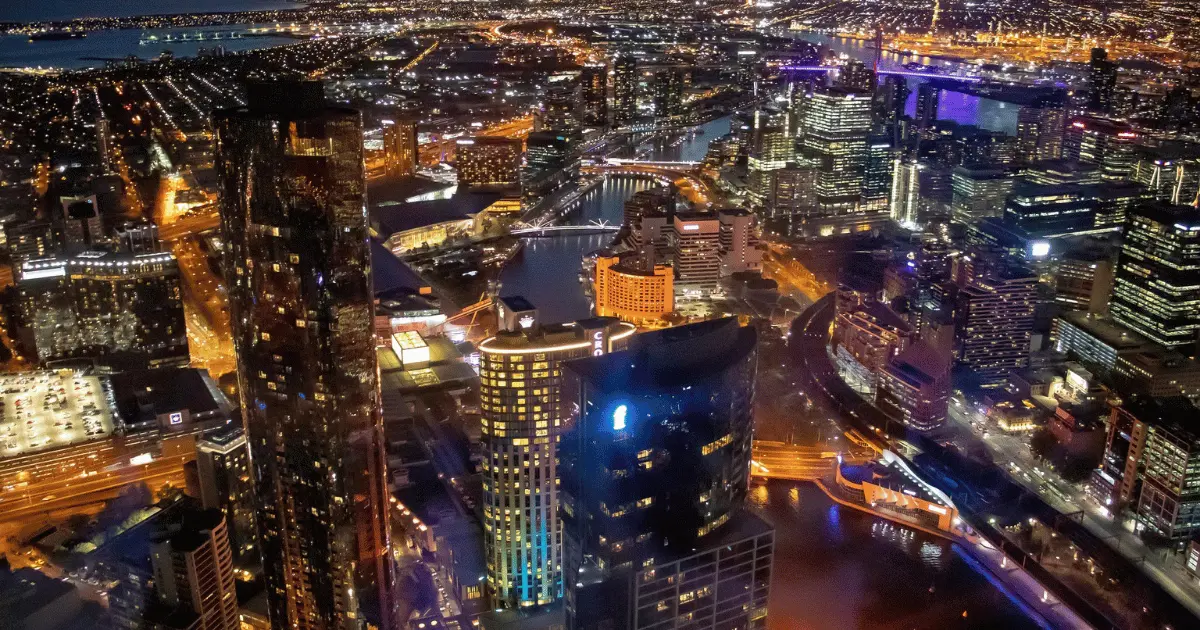
Quick answer: The best way to spend 3 days in Melbourne is to explore the CBD and Southbank on Day 1, South Melbourne and St Kilda on Day 2, and Carlton and Fitzroy on Day 3. This itinerary is built around neighborhoods, walking and trams, so you spend less time crossing the city. You can also replace Day 3 with a Great Ocean Road or Yarra Valley day trip.
Melbourne rewards travelers who slow down. Instead of trying to visit every attraction, this plan groups nearby sights, cafés, markets and waterfront areas into practical days. It also answers the questions that matter when you are actually planning: where to stay, whether you need a car, how the trams work, what to do when a market is closed, and whether a day trip fits into a 3-day stay.
Affiliate disclosure: Some links in this guide are affiliate links. We may earn a commission if you book or buy through them, at no extra cost to you. This does not change how we recommend places or travel products.
Melbourne 3 Days at a Glance
| Day | Area | Main highlights | Best for |
|---|---|---|---|
| Day 1 | CBD + Southbank | Federation Square, laneways, State Library, Queen Victoria Market, Yarra River | First-timers, culture, cafés, city views |
| Day 2 | South Melbourne + Albert Park + St Kilda | South Melbourne Market, Albert Park Lake, St Kilda Beach, Luna Park, Acland Street | Food, beach, sunset |
| Day 3 | Carlton + Fitzroy | Carlton Gardens, Melbourne Museum, Lygon Street, Brunswick Street, Gertrude Street | Food, neighborhoods, nightlife |
| Day 3 alternative | Great Ocean Road or Yarra Valley | Coastal scenery or wineries | Nature, day trips, couples |
Melbourne 3-Day Itinerary Map
How Much Does 3 Days in Melbourne Cost?
Your Melbourne budget depends mainly on where you stay, how often you eat out, and whether you add paid attractions or a day trip.
| Travel style | Approx. daily budget per person | 3-day estimate | Typical spend |
|---|---|---|---|
| Budget | AUD 100–160 | AUD 300–480 | Budget accommodation, casual meals, public transport and mostly free attractions |
| Mid-range | AUD 180–320 | AUD 540–960 | Comfortable hotel, restaurants, cafés, transport and some paid attractions |
| Higher-end | AUD 450+ | AUD 1,350+ | Premium accommodation, higher-end dining, taxis and paid experiences |
These are planning ranges rather than fixed prices. International flights are not included, and a Great Ocean Road or Yarra Valley day trip should be treated as an additional cost.
How to save money in Melbourne
Stay somewhere well connected rather than choosing a cheaper hotel far from the center. Combine Melbourne’s free or low-cost experiences—such as the laneways, Federation Square, Carlton Gardens, Southbank and St Kilda—with only a few paid attractions.
For a three-day trip, keeping Day 3 in Melbourne instead of adding a full-day excursion is also the easiest way to control your total spend.
Before You Go: Practical Tips for Melbourne
1. Stay central
For most first-time visitors, the Melbourne CBD is the easiest base. It puts you close to Day 1’s sights and inside the Free Tram Zone. If you are weighing it against St Kilda or Fitzroy, see our complete guide to where to stay in Melbourne.
Compare Melbourne hotels on Klook →
2. Understand the Free Tram Zone
Tram travel is free inside the central city and Docklands, so you don’t need a myki for trips that start and end inside the zone. St Kilda, Fitzroy and Carlton are outside it, so you need a myki on Days 2 and 3. Check exact routes with the Public Transport Victoria journey planner.
3. Plan around market days
This matters more than it looks. Queen Victoria Market is generally closed on Mondays and Wednesdays, while South Melbourne Market is open on Wednesdays and Fridays to Sundays. Some Coventry Street traders also open on Thursdays. Check both official websites for your travel dates, including public holidays, before finalizing your itinerary. Adjust the order of Day 1 and Day 2 where practical to fit the markets’ opening days.

4. Pack for changeable weather
Melbourne weather can change several times in a day. Bring layers and a light rain jacket or compact umbrella. Packing cubes keep layered outfits organized in a carry-on:
Check these compression packing cubes on Amazon →
5. You do not need a car
Walking, trams and trains cover the core plan. A car only helps if you turn Day 3 into a self-drive trip.
6. Sort your mobile data before landing
Maps, transport apps and ride-hailing are much easier with data from the moment you arrive.
Get an Airalo eSIM for your Australia trip →
7. Book popular tours in advance
Day trips and popular attractions like the Skydeck can be in higher demand during weekends, school holidays and major events.
TripAndAtlas Tip: Book the parts of your trip that can sell out first—your hotel, major ticketed attractions and any full-day tour. Keep laneways, Southbank, St Kilda and neighborhood walks flexible so you can adapt to weather and opening days.
Day 1: Melbourne CBD, Laneways and Southbank
Area: CBD and the Yarra River · Best for: first-time visitors, culture, architecture, food · Pace: full but manageable
TripAndAtlas Tip: Check the South Melbourne Market schedule before deciding which day to use this route. If the market is closed, start at Albert Park Lake and continue to St Kilda instead of rebuilding the entire itinerary.
Day 1 is concentrated in central Melbourne. Most stops are walkable, with free trams for longer hops.
Morning (about 9:00): Flinders Street Station and Federation Square
Begin at Flinders Street Station, one of Melbourne’s most recognizable landmarks, then cross to Federation Square. Grab a coffee and get your bearings. You get historic architecture, modern public space and easy access to the Yarra in one spot.
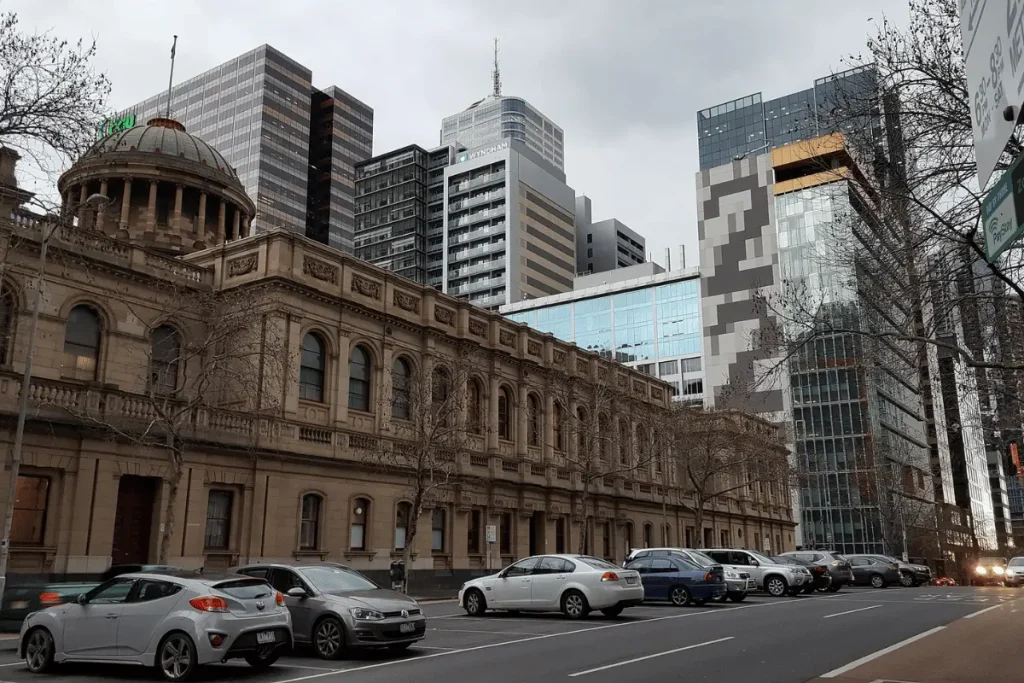
Late morning (about 10:30): Melbourne’s laneways
Walk into the laneways. Start with Hosier Lane and its constantly changing street art, then continue to Centre Place and Degraves Street for cafés. Do not treat it as a checklist. Allow roughly 60–90 minutes and leave room to wander.
Lunch (about 12:30): Arcades and Chinatown
Head to the Block Arcade and Royal Arcade, then into Chinatown around Little Bourke Street. Dumplings, noodles and casual cafés are easy here, so you do not need to travel for lunch.
Afternoon (about 2:00): State Library and Queen Victoria Market
Visit the State Library Victoria. The grand reading room is the highlight for many visitors. Then check whether Queen Victoria Market is open that day. Allow 60–90 minutes for it, and treat it as a flexible stop for snacks, produce and souvenirs.
Evening (about 5:30): Southbank and the Yarra
Walk across the river to Southbank for the promenade, skyline views and restaurants. For a panoramic view at sunset, consider the Eureka Skydeck. You can compare attraction tickets and tours here:
Compare Melbourne attractions and tours on Klook →
Rainy-day alternative
Reduce the outdoor walking and visit the National Gallery of Victoria (general collection entry is generally free, special exhibitions are ticketed). Then continue through the arcades and State Library.
Day 2: South Melbourne, Albert Park and St Kilda
Area: south of the Yarra · Best for: food, waterfront views, sunset · Pace: relaxed
Day 2 moves south of the river and follows a natural line toward St Kilda. It is outside the Free Tram Zone, so you need a myki.
Morning (about 9:00): South Melbourne Market
Take a tram from the CBD to South Melbourne Market. Route 96 is a common option and also continues toward St Kilda, but confirm the best route in the journey planner. Come for breakfast, coffee or an early lunch.
TripAndAtlas Tip: Check the South Melbourne Market schedule before deciding which day to use this route. If the market is closed, start at Albert Park Lake and continue to St Kilda instead of rebuilding the entire itinerary.
Late morning (about 11:00): Albert Park Lake
Walk the paths around Albert Park Lake. You get open green space with the skyline in the distance, a very different view from Day 1. It is also associated with the Australian Grand Prix circuit, so motorsport fans may enjoy it. Allow 60–90 minutes.
Afternoon (about 1:00): St Kilda Beach, Pier and Acland Street
Continue to St Kilda. Walk the beach and the pier, then head to Acland Street, known for cafés and cake shops. For a classic photo stop, visit Luna Park. You do not need to spend hours inside, since the entrance and surrounding streets are enough for many visitors.
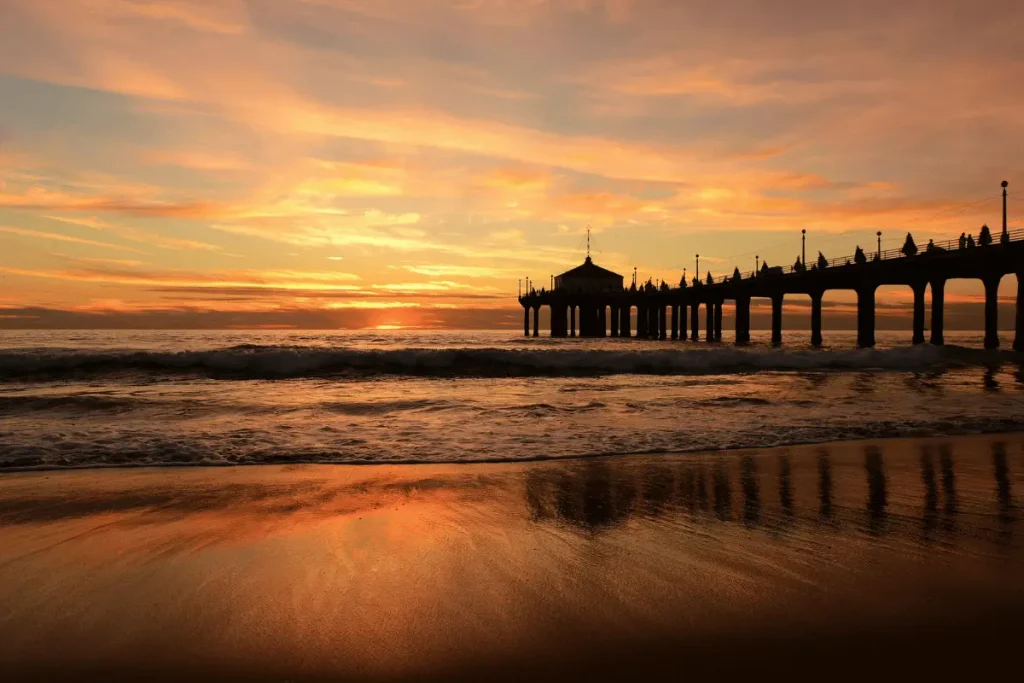
Sunset and dinner (about 6:00): St Kilda waterfront
Stay for sunset over Port Phillip Bay. Dinner can be casual around Acland Street or the Esplanade, and The Esplanade Hotel (“The Espy”) is a well-known pub for bay views and live music.
A useful rule: do not overpack this day. The most common mistake is adding too many suburbs between South Melbourne and St Kilda. The CBD to St Kilda trip alone takes roughly 25–35 minutes by tram.
Day 3: Carlton and Fitzroy
Area: Carlton and Fitzroy · Best for: food, local neighborhoods, museums, nightlife · Pace: moderate
Day 3 is deliberately less attraction-heavy. After two busy days, you see the side of Melbourne that does not fit a list of famous landmarks.
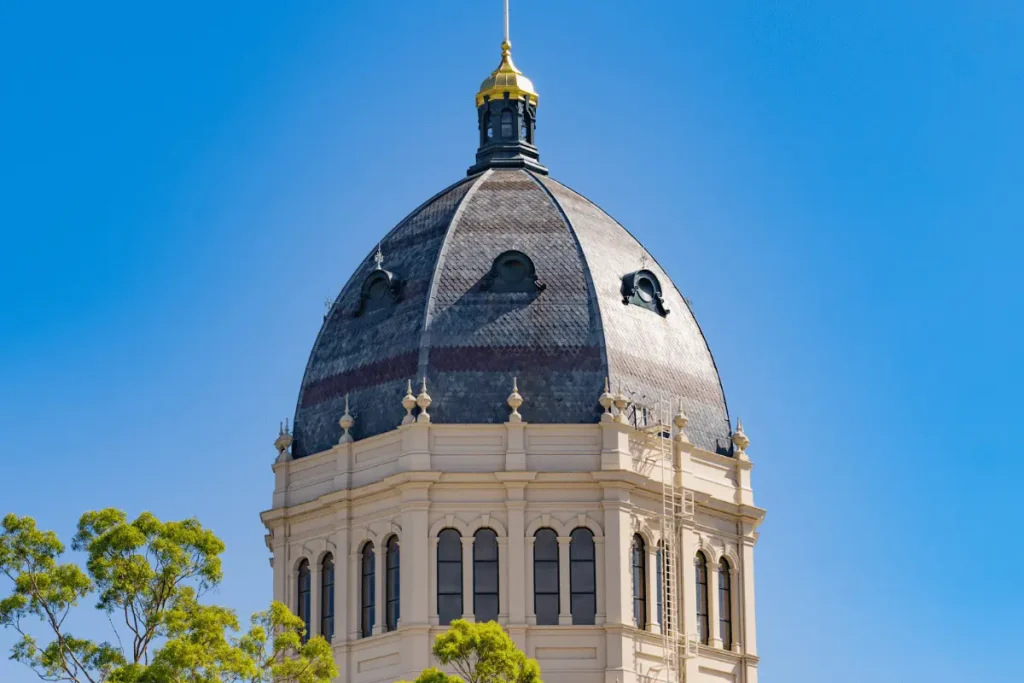
Morning (about 9:30): Carlton Gardens and the Royal Exhibition Building
Start at Carlton Gardens, walk toward the Royal Exhibition Building, then continue to the Melbourne Museum if museums are part of your travel style. It suits visitors interested in natural history and culture. Skip it if you would rather spend the time in cafés.
Lunch (about 12:30): Lygon Street
Lygon Street is Melbourne’s well-known Italian dining area. Choose pasta, pizza, coffee or gelato and take a long lunch.
Afternoon (about 2:30): Fitzroy
Continue to Fitzroy, focusing on Brunswick Street and Gertrude Street. Look for independent shops, vintage stores, galleries, cafés and street art. You do not need a list of attractions here, because the neighborhood is the experience.
Evening (from about 6:00): Dinner in Fitzroy
Stay for dinner and drinks. Fitzroy offers plenty of restaurants and bars without another cross-city trip, which makes it a good final evening.
Should You Replace Day 3 With a Day Trip?
Yes, but choose carefully. Not every 3-day Melbourne itinerary needs the Great Ocean Road. It is spectacular, but it turns a relaxed city trip into a long excursion.
| Day 3 option | Best for | Effort | Choose it when |
|---|---|---|---|
| Carlton + Fitzroy | Food, neighborhoods | Low | You want more of Melbourne itself |
| Great Ocean Road | Coast, scenery | High | You want a major Australian road-trip experience |
| Yarra Valley | Wine, countryside | Medium | You prefer food, wine and a slower escape |
Option A: Stay in Melbourne
Our recommended plan for most first-timers. You see more of the city, commute less and finish more relaxed.
Option B: Great Ocean Road day trip
Choose it when dramatic scenery matters more than another neighborhood. It is a substantial journey, and a full-day organized tour is usually the simplest choice if you do not want to drive. Do not try to combine it with the full Carlton and Fitzroy plan.
Compare Great Ocean Road day tours on Klook →
Option C: Yarra Valley
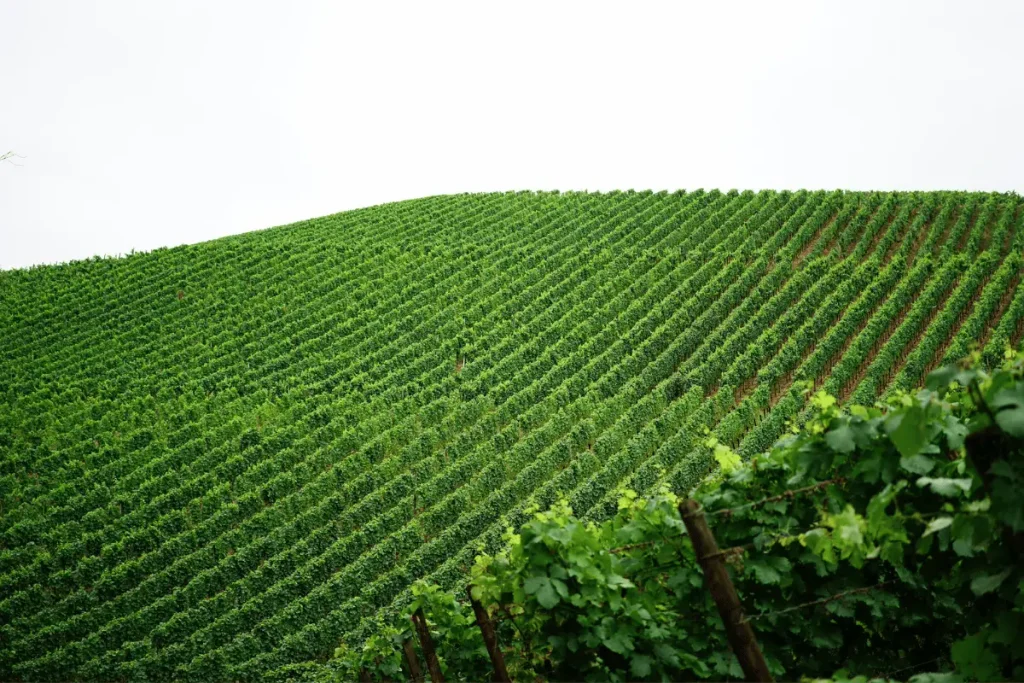
The better alternative for wineries, food and countryside. It can work as a half-day or full-day trip depending on the tour.
Where to Eat During 3 Days in Melbourne
You do not need a complicated restaurant plan. Eat where the itinerary takes you:
- Day 1: laneway cafés, Chinatown and Southbank
- Day 2: South Melbourne Market, Acland Street and the St Kilda waterfront
- Day 3: Lygon Street for lunch and Fitzroy for dinner
Melbourne is especially strong for coffee, so a café stop each morning is more useful than reserving every meal weeks ahead.
How to Get Around Melbourne Without a Car
- Day 1: mostly walking. Free trams inside the Free Tram Zone cover longer hops.
- Day 2: tram plus walking. You need a myki, and route 96 is a common option for South Melbourne and St Kilda.
- Day 3: tram plus walking between Carlton and Fitzroy. Both are outside the Free Tram Zone.
Services can change because of events, maintenance and disruptions, so check your travel date in the Public Transport Victoria journey planner.
Arriving at Melbourne Airport
As of 2026, there is still no direct rail link from Melbourne Airport to the CBD. The simplest public option is SkyBus to Southern Cross Station, which takes about 30 minutes. Fares were roughly AUD 25–30 one-way at the time of writing, so check the current price. Taxis and rideshare also work, especially for groups.
Flying in? Compare fares here:
Compare flights to Melbourne on Aviasales →
Melbourne 3-Day Itinerary for Different Travelers
- First-time visitors: follow the plan exactly and keep Day 3 in Carlton and Fitzroy.
- Couples: stay in St Kilda through sunset on Day 2 and choose a slower Fitzroy dinner on Day 3.
- Food lovers: spend more time in Chinatown, South Melbourne Market, Lygon Street and Fitzroy.
- Photographers: prioritize Flinders Street Station, Hosier Lane, Southbank, St Kilda Pier and Fitzroy’s streets.
- Families: shorten the laneway walk and allow more time for museums, parks and attractions.
- Road-trip travelers: replace Day 3 with the Great Ocean Road and continue your Australia journey afterward. For wider planning, see our best places to visit in Australia.
What to Do With More or Less Than 3 Days
Only 2 days? Keep Day 1 (CBD and Southbank) and Day 2 (South Melbourne and St Kilda). Skip Carlton and Fitzroy unless you have extra evening time.
4 days? Add a Great Ocean Road or Yarra Valley day trip, or a day for the Royal Botanic Gardens, the Shrine of Remembrance and the MCG.
Staying longer? Use our Australia Travel Guide to plan the next stage of your trip.
Best Time for This Melbourne 3-Day Itinerary
Melbourne works year-round, but the experience changes by season:
- Spring and autumn: good for walking, neighborhoods, markets and outdoor attractions
- Summer: best for St Kilda, waterfront time and long evenings
- Winter: stronger for museums, cafés and galleries, with more flexibility needed for wet weather
For a broader weather guide, see our best time to visit Australia. Keep at least one indoor alternative ready whatever the season.
Melbourne 3-Day Itinerary FAQs
Is 3 days enough for Melbourne?
Yes. Three days is enough for a strong first visit covering the CBD, Southbank, St Kilda and at least one inner-city neighborhood. You can also replace Day 3 with a major day trip.
Where should I stay for 3 days in Melbourne?
The CBD is the easiest choice for most first-timers because it reduces travel time and sits inside the Free Tram Zone. St Kilda suits a beach atmosphere, and Fitzroy suits food, independent shops and nightlife. See where to stay in Melbourne for a full comparison.
Do I need a car in Melbourne?
No. Walking and public transport cover this itinerary. A car is most useful if you decide to self-drive the Great Ocean Road.
Can I do the Great Ocean Road in a 3-day Melbourne trip?
Yes, but treat it as a replacement for Day 3 rather than an add-on. It is a long day, so an organized tour can be easier for first-timers.
Is Queen Victoria Market open every day?
No. It is generally closed on Mondays and Wednesdays and operates on the other main market days, subject to holidays and special events. Check the official website before assigning it to a day.
What should I do in Melbourne when it rains?
Move more of Day 1 indoors with the National Gallery of Victoria, State Library, arcades, museums and cafés instead of long outdoor walks.
What is the best time of year for 3 days in Melbourne?
Spring and autumn offer a good balance for walking and sightseeing. Summer suits St Kilda and outdoor evenings, and winter suits museums, cafés and galleries.
Plan the Rest of Your Trip
Related guides
- Where to Stay in Melbourne
- Australia Travel Guide
- Best Places to Visit in Australia
- Best Time to Visit Australia
For official visitor inspiration, see Visit Melbourne.
As an Amazon Associate we earn from qualifying purchases.