
Best Time to Visit Uluru: Month-by-Month Weather, Crowds and Tips

The best time to visit Uluru is May to September, when average daytime highs are about 20°C to 29°C and conditions are comfortable for walking, sunrise and sunset. August and September add desert wildflowers, while October to March suits travelers who can plan around extreme heat, flies and the chance of dramatic summer storms.
The right month still depends on your priorities: cool weather for hiking, fewer people, better photos, or the rare sight of rain pouring down the rock. This guide breaks down the best time to visit Uluru by season and month, with crowd levels, packing advice and booking tips.
Affiliate disclosure: This article contains affiliate links. We may earn a commission at no extra cost to you if you book or buy through them.
Uluru at a glance
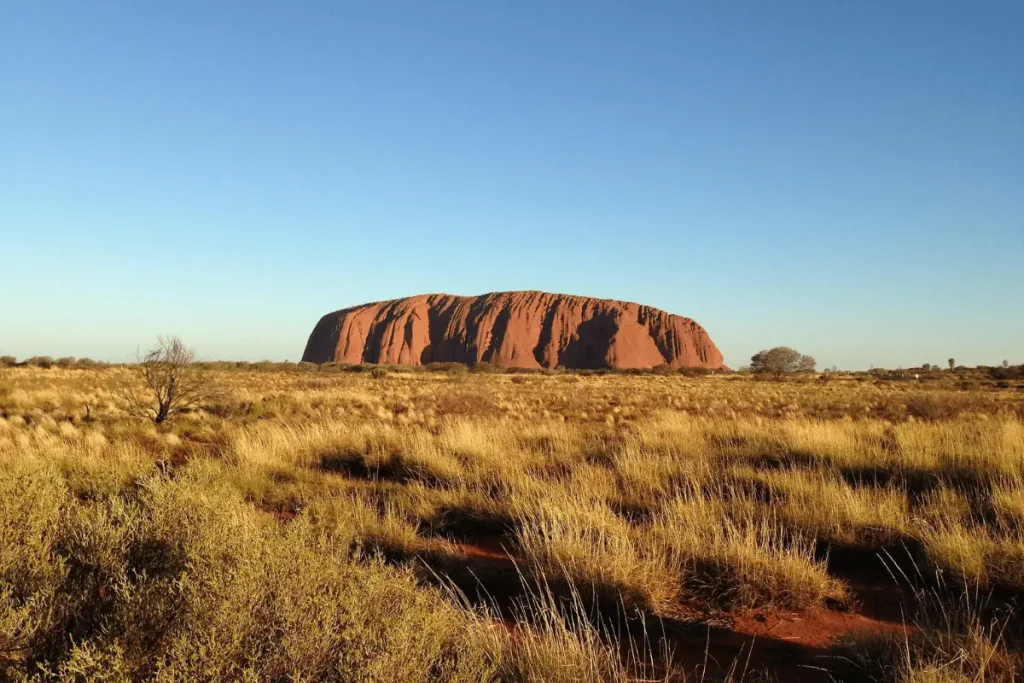
- Best overall: May–September
- Coolest days: June–August (highs around 20–24°C)
- Wildflowers: August–September
- Hottest months: December–February (highs of 36–38°C)
- Coldest nights: June–August (lows of 4–6°C)
- Weather data: averages for Yulara, the main visitor hub, published by Parks Australia using Bureau of Meteorology data
What Is the Best Time to Visit Uluru?
For most travelers, May through September is the best time to visit Uluru. Parks Australia recommends this window because daytime temperatures are cooler and rainfall is very low. Tourism Australia also treats May to September as the dry-season high season for outdoor activities in the Red Centre.
For a first visit, May to September is the easiest recommendation. If wildflowers matter most, aim for August or September. If you travel in summer, plan every outdoor activity around the heat.
Quick Answer
| Travel goal | Best time |
|---|---|
| Best overall | May–September |
| Best for mild weather | June–August |
| Best for wildflowers | August–September |
| Comfortable hiking | May–September |
| Best shoulder months | April and October |
| Avoid extreme heat | May–September |
| Experience summer storms | December–February |
Winter nights are cold, so pack warm layers even if the daytime forecast looks mild.
Uluru Weather by Season
Australia is in the Southern Hemisphere, so the seasons are the reverse of Europe and North America. The Red Centre is a desert, which means big swings between hot days and cold nights, especially in winter. If you are comparing Uluru with other regions, see our Best Time to Visit Australia guide.
Uluru in Spring
Spring: September to November
Early spring is one of the most attractive times to visit. September still offers comfortable daytime temperatures (an average high of about 28.7°C), dry conditions and some of the best chances to see desert wildflowers. Parks Australia lists August and September as the usual peak months for flowers.
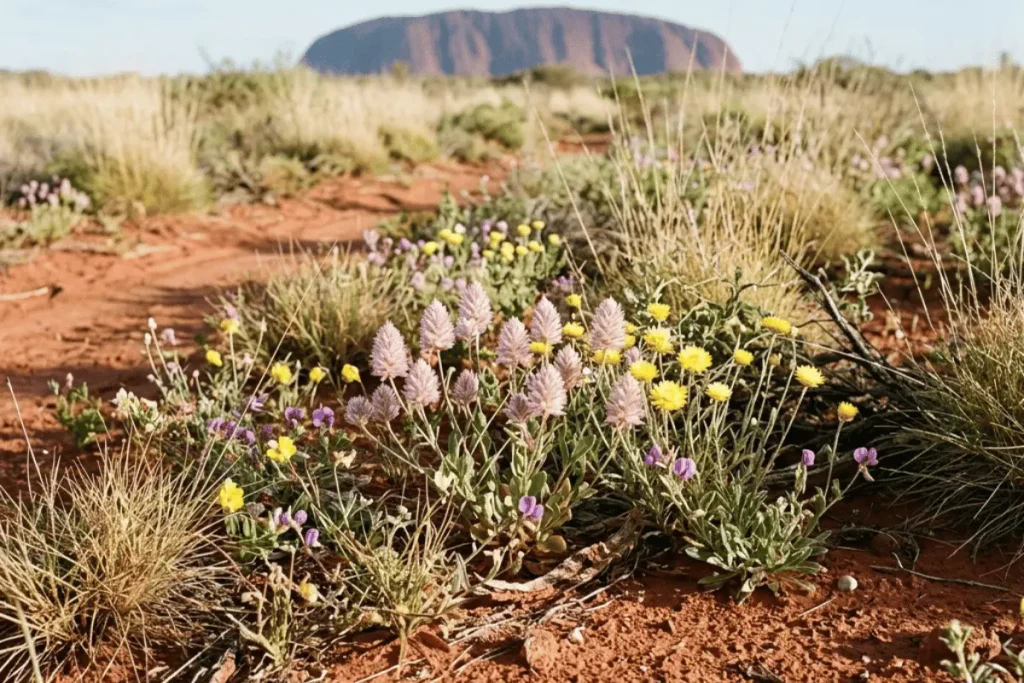
By October the average high reaches about 32.3°C, and November averages 35.1°C. For long walks, September is far better than late spring.
Uluru in Autumn
Autumn: March to May
Autumn is a transition period. March is still hot, with an average high of about 34.5°C, but conditions improve through April (29.9°C) and May (24.3°C).
Late April and May suit travelers who want pleasant weather with a slightly quieter feel than midwinter.
Uluru in Winter
Winter: June to August
Winter is the easiest season for first-time visitors. Average highs are about 20.4°C in June, 20.6°C in July and 23.7°C in August. The trade-off is cold mornings and nights, with average lows of roughly 4–6°C.
Winter works well for:
- hiking and the Uluru base walk
- sunrise, sunset and photography
- full days of sightseeing
- clear desert skies and stargazing
Winter is also high season, so accommodation and popular tours sell out earlier. Pack layers rather than only warm-weather clothing: a jacket that is essential at sunrise can be unnecessary by mid-morning.
Uluru in Summer
Summer: December to February
Summer is the most challenging season. Average highs are 38.4°C in January, 37.0°C in February and 36.5°C in December.
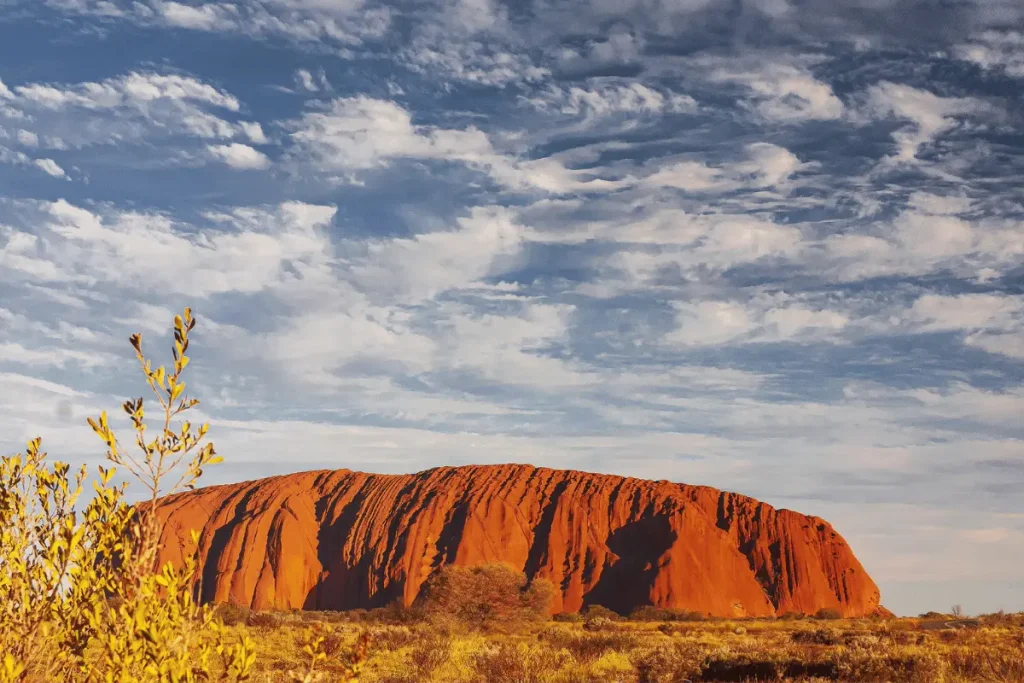
That does not make a summer trip impossible, but it needs a different strategy: start early, drink plenty of water and avoid long walks in the heat. Parks Australia advises visitors not to walk after 11:00 am in summer.
There is an upside. Summer storms can fill waterholes and, on rare occasions, send waterfalls down the sides of Uluru, one of the most dramatic sights in the Australian outback.
Best Time to Visit Uluru Month by Month
If your dates are flexible, this table makes the choice easy.
Best Time to Visit Uluru in Each Month
| Month | Avg. high | Avg. low | Avg. Rainfall | Weather | Crowds | Best for |
|---|---|---|---|---|---|---|
| January | 38.4°C | 22.8°C | 28.8 mm | Very hot | Low | Storms, very early starts |
| February | 37.0°C | 22.1°C | 38.4 mm | Hot, possible storms | Low | Storm photography |
| March | 34.5°C | 19.3°C | 32.6 mm | Hot to warm | Low–moderate | Late-summer travel |
| April | 29.9°C | 14.5°C | 15.7 mm | Mild | Moderate | Shoulder-season hiking |
| May | 24.3°C | 9.3°C | 14.3 mm | Cool and dry | High | All-round choice |
| June | 20.4°C | 5.6°C | 18.2 mm | Cool days, cold nights | Very high | Hiking and sightseeing |
| July | 20.6°C | 4.4°C | 17.6 mm | Coldest nights | Very high | Sunrise, photography, stargazing |
| August | 23.7°C | 5.9°C | 5.0 mm | Cool and dry | Very high | Wildflowers and outdoor activities |
| September | 28.7°C | 10.7°C | 9.0 mm | Warm, comfortable | High | Wildflowers and hiking |
| October | 32.3°C | 14.9°C | 21.1 mm | Warming up | Moderate | Early-season shoulder travel |
| November | 35.1°C | 18.4°C | 33.1 mm | Hot | Low | Early starts, lower prices |
| December | 36.5°C | 20.8°C | 45.5 mm | Very hot | Moderate | Storms, early-morning activities |
Source: Parks Australia, Average temperatures and rainfall at Yulara. Rainfall figures are long-term monthly averages, not forecasts for a specific year. Parks Australia
Temperature and rainfall figures are long-term averages for Yulara, the main visitor hub near Uluru, published by Parks Australia using Australian Bureau of Meteorology data. Actual weather can vary from year to year. Crowd levels reflect general seasonal patterns rather than official visitor counts, and demand can increase during Australian school holidays.
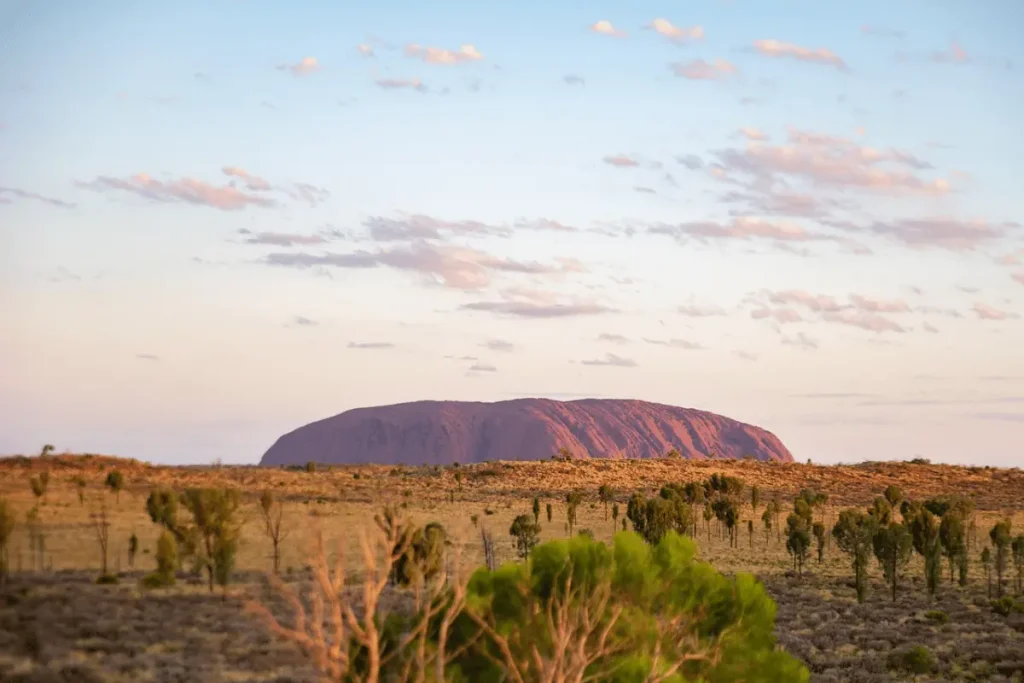
Which month should you choose?
- May: one of the best months for comfortable daytime weather.
- June–July: coolest days, excellent for walking, but cold mornings and nights.
- August: arguably the best balance of mild weather, wildflowers and good conditions.
- September: great for flowers and hiking, though temperatures are climbing.
- April and October: useful shoulder months with fewer visitors, but heat becomes noticeable.
- November–March: best for travelers who accept the heat and structure the day around the cooler hours.
If you must pick a single month, August is one of the strongest all-around choices.
Best Time to Visit Uluru for Hiking, Sunrise and Sunset
Best Time for Hiking
May through September is the safest and most comfortable window for longer walks. The 10.6 km Uluru base walk and the walks at Kata Tjuta are far more enjoyable in cool conditions. In warmer months, start at first light, carry more water than you think you need, and check Parks Australia for current conditions, as some walks can close in extreme heat.
Best Time for Sunrise and Sunset
Sunrise and sunset are among the most memorable ways to experience Uluru, and the cooler months make them easier to enjoy. Winter mornings can be bitterly cold, so bring a warm outer layer. In summer, mornings are warm, but an early start is still far better than being outside later in the day. Check Parks Australia for exact times for Yulara.
If you would rather not organize transport and timing yourself, a guided sunrise or sunset tour takes care of both. You can compare Uluru and Australia tours on Klook.
Best Time for Stargazing
The dry winter months are best for the night sky: low light pollution, mostly dry air and long, dark evenings. Winter evenings are cold, so pack layers even when the day felt warm.
When to Visit Uluru to Avoid Crowds and Flies
When Is Uluru Most Crowded?
The main dry season, May to September, is also the busiest. Expect higher demand for accommodation, tours and rental cars, especially in June, July and August. That does not make winter a bad choice, only one that needs advance planning.
For a good compromise between pleasant weather and fewer people, consider late April, early May, or late September to early October.
When Are Flies Worst?
Flies are the less glamorous reality of the Red Centre. Parks Australia notes that summer brings large numbers of flies and recommends considering a protective head net. A lightweight fly net weighs almost nothing and makes a big difference when you are standing still for photos or walking in exposed areas.
Best Time to Visit Uluru for Tours and Road Trips
Best Time to Book Uluru Tours
Because May to September is high season, book your flights, accommodation and main tours early, ideally two to three months ahead for June to August. In the cooler shoulder months you can usually book closer to your trip.
Good starting points:
- Tours: Explore Uluru tours and activities on Klook, including sunrise, sunset and Kata Tjuta options.
- Flights: Compare flights for your Australia trip. Connellan Airport (AYQ) is close to Yulara.
- Accommodation: staying in Yulara makes early starts much easier. Compare options at Ayers Rock Resort and look at total value, not just the nightly rate.
Uluru Travel Essentials: Park Pass and Transport
Before visiting Uluru, arrange your park entry and transportation in advance. Distances in Australia’s Red Centre are long, and planning ahead makes it easier to enjoy sunrise, sunset and the walks around Uluru and Kata Tjuta.
Do You Need a Park Pass for Uluru?
Yes. Visitors need a valid park pass to enter Uluṟu-Kata Tjuṯa National Park. Buying your pass online before arrival can make entry quicker, particularly during busy school holidays.
Check the available options and purchase your pass through the official Parks Australia park pass page.
How Do You Get Around Uluru?
Having your own vehicle is the most convenient way to explore the area. Roads within the national park are sealed, so a standard two-wheel-drive rental car is generally suitable.
If you prefer not to drive, you can join a guided tour or use the Uluṟu hop-on hop-off bus service. There are no taxis or regular public transport services within the national park, so arrange your transport before setting out.
Rental cars are available at Connellan Airport, Yulara and Alice Springs. Availability in Yulara is limited, so booking several weeks ahead is recommended during popular travel periods.
For current transport options, visit the official Getting Around Uluru guide.
How Do You Get to Uluru?
Most visitors arrive by air at Ayers Rock/Connellan Airport (AYQ), near Yulara. Direct flights are available from selected Australian cities, including Sydney, Melbourne, Brisbane and Cairns.
If you are planning a road trip, Alice Springs is approximately 465 km from Uluru, with a direct drive taking around 5.5 hours in typical conditions. Allow additional time for fuel stops, rest breaks and changing road conditions.
For the latest travel options and driving information, check the official Getting to Uluru guide.
Travel tip: Book your park pass, accommodation and transport before the busiest winter months, especially if you want to join a sunrise or sunset tour. Check the latest park alerts and walking conditions before departure.
Best Time for a Red Centre Road Trip
For a self-drive trip, May to September is ideal because you can combine Uluru, Kata Tjuta and scenic stops without spending hours in extreme heat. Roads inside the national park are sealed, and Parks Australia says a standard two-wheel-drive vehicle is enough for the park. Alice Springs is about 450 km away, so allow most of a day for the drive.
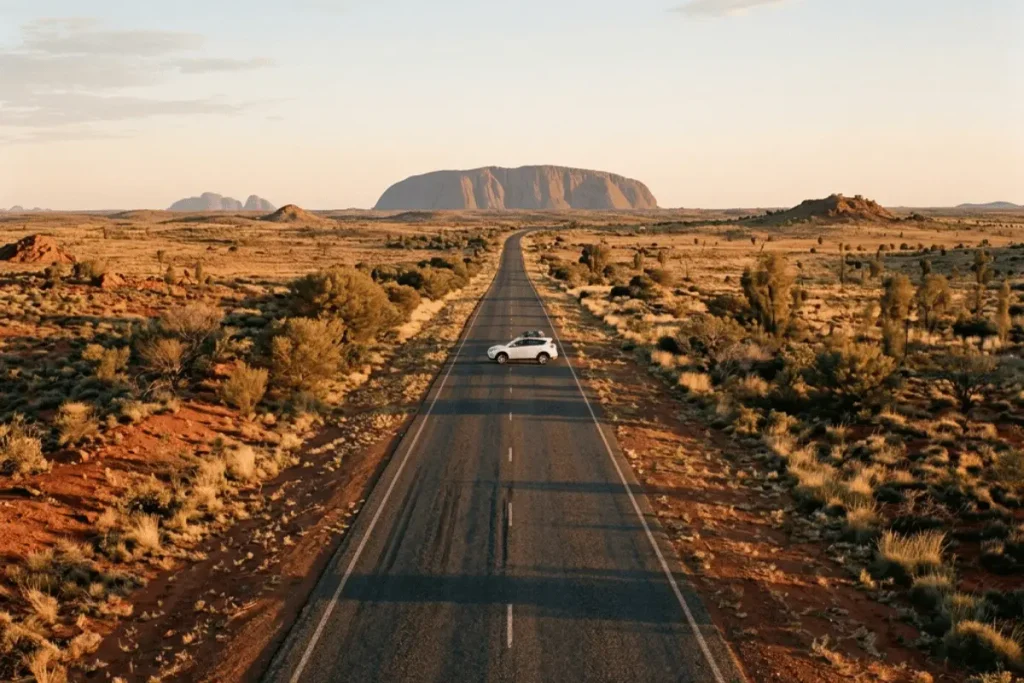
A few practical tips:
- Carry extra water and fill up on fuel whenever you can, because distances are long.
- Avoid driving at dawn and dusk, when wildlife is most active on the road.
- Mobile coverage can be patchy outside Yulara. An Australia eSIM from Airalo keeps you connected for maps and bookings without hunting for Wi-Fi.
If Uluru is part of a bigger trip, start with our Australia Travel Guide and our list of the Best Places to Visit in Australia.
How to Spend 2–3 Days in Uluru
Spending two or three days at Uluru gives you time to experience its famous sunrises and sunsets, explore the surrounding desert, visit Kata Tjuta, and learn about Aṉangu culture. Two days are enough to cover the main highlights, while a third day allows for a more relaxed pace and additional experiences.
Day 1: Explore Uluru and Watch the Sunset
Start early at Talinguṟu Nyakunytjaku, one of the main sunrise viewing areas, to watch the first light illuminate Uluru. Arrive before sunrise to give yourself time to find a viewing spot and enjoy the changing colours of the desert.
After sunrise, visit the Uluru-Kata Tjuta Cultural Centre to learn about Aṉangu culture, the traditional owners of this land, and the park’s natural environment. Allow around two hours to explore the centre, its exhibits and Aboriginal art galleries.
Later in the morning, join a ranger-guided Mala Walk or choose a suitable section of the Uluru base walk. If you prefer a shorter walk, the Kuniya Walk to Muṯitjulu Waterhole is another option.
During the hottest part of the afternoon, take a break at your accommodation or spend time indoors. When temperatures become more comfortable, return to the park for sunset at the designated Uluru viewing area.
Day 1 highlights: Sunrise, the Cultural Centre, a guided or self-guided walk, and sunset photography.
Day 2: Discover Kata Tjuta
Dedicate your second day to Kata Tjuta, a remarkable group of large rock domes located west of Uluru. Start early and visit the Kata Tjuta dune viewing area for sunrise.
Continue to the Waḻpa Gorge Walk, which takes approximately one hour and offers views of steep rock walls and the surrounding desert vegetation.
If you have enough time, energy and suitable weather, consider the Valley of the Winds walk. You can choose a shorter walk to the Karu Lookout or allow around four hours for the full circuit.
Check current trail conditions before setting out, as sections of the Valley of the Winds walk can close during hot weather. Carry sufficient water, wear sturdy walking shoes and follow all park safety advice.
In the late afternoon, head to the designated Kata Tjuta sunset viewing area if conditions and park opening hours allow. The drive from Yulara takes close to an hour, so plan your return well before the park closes.
Day 2 highlights: Kata Tjuta sunrise, Waḻpa Gorge, an optional Valley of the Winds walk, and the striking desert scenery.
Day 3: Add a Cultural Experience or a Relaxed Desert Adventure
With a third day, you can explore Uluru at a slower pace instead of squeezing every activity into the first two days.
Consider hiring a bicycle to explore the area around Uluru, joining a guided cultural experience, or taking part in an art workshop featuring local Aṉangu traditions. You could also revisit a favourite viewing area for sunrise or sunset and spend more time appreciating the landscape.
If you are interested in an evening experience, check availability for the Field of Light installation or an outdoor dining experience near Yulara. Book popular activities in advance, particularly during the busy winter season.
Leave some flexibility in your schedule for changing weather, rest breaks and any walking-track closures.
Day 3 highlights: Cultural experiences, cycling, photography, optional evening activities and a more relaxed itinerary.
Practical Tips for Planning Your Uluru Itinerary
- Start early: Cooler morning hours are generally more comfortable for walking, especially from late spring through summer.
- Check park hours: Opening and closing times vary by month. Make sure you have enough time to complete your activities and leave before closing.
- Plan around the heat: Rest during the hottest part of the day and check for walking-track closures before heading out.
- Book ahead: Reserve accommodation, transport and popular tours in advance during the peak season.
- Respect local culture: Follow signs and guidance from park staff, remain on designated paths and respect requests concerning culturally sensitive places and photography.
For the latest walking conditions, cultural activities and opening hours, consult the official Uluṟu-Kata Tjuṯa National Park website before your trip.
Respecting Anangu Culture and Staying Safe at Uluru
Uluru is more than an iconic Australian landmark. It is a living cultural landscape and a deeply significant place for Aṉangu, the Traditional Owners of the land. Understanding local customs and preparing for the desert climate will help you enjoy your visit responsibly.
Respecting Aṉangu Culture
Aṉangu culture is closely connected to the land through Tjukurpa, the traditional law, stories and spirituality that guide cultural life.
During your visit, keep these important guidelines in mind:
- Respect sacred places: Follow signs and park guidance, and never enter restricted areas or culturally sensitive sites.
- Follow photography rules: Some locations must not be photographed or filmed. Check signs and visitor maps, and put your camera away wherever photography is prohibited.
- Ask before taking photos of people: Always request permission before photographing Aṉangu.
- Stay on designated tracks: Do not climb onto rock formations or boulders, and avoid disturbing the surrounding landscape.
- Learn from local guides: Consider visiting the Uluṟu-Kata Tjuṯa Cultural Centre or joining an appropriate guided cultural experience to learn more about local traditions and the significance of the landscape.
You can find more guidance on the official Respecting Culture page.
Staying Safe in the Desert Heat
Temperatures at Uluru can exceed 40°C during summer. Heat exhaustion and dehydration are serious risks, especially on exposed walking tracks.
To reduce the risks during your visit:
- Start early: Walk during the cooler parts of the day. In summer, Parks Australia strongly recommends not walking after 11:00 am.
- Carry enough water: The park recommends carrying and drinking at least one litre of water per person per hour while walking.
- Protect yourself from the sun: Wear a broad-brimmed hat, sunscreen and sturdy walking shoes.
- Check track conditions: Some walks may close when temperatures become extreme. Check official alerts and follow instructions from park staff.
- Know when to rest: Avoid pushing yourself during hot conditions, and stop if you feel unwell.
For the latest advice, visit the official Staying Safe at Uluru guide.
Wildlife and Walking Safety
Uluru’s desert environment is home to native wildlife, including dingoes and snakes. Observe animals from a safe distance, never feed or touch dingoes, and give snakes plenty of space if you encounter one.
Remain on marked walking tracks and use authorised roads and viewing areas. Conditions can change, so check park alerts before setting out, particularly if you plan to visit Kata Tjuta or undertake a longer walk.
With a little preparation and respect for local guidance, you can experience Uluru’s landscapes while helping protect its natural environment and cultural significance.
Frequently Asked Questions About the Best Time to Visit Uluru
What is the best time to visit Uluru?
For most travelers, the best time to visit Uluru is May to September, when temperatures are cooler and conditions are comfortable for walking and outdoor activities.
What is the best month to visit Uluru?
August is one of the best all-around months: comfortable weather, low rainfall and a good chance of wildflowers. Choose June or July for the coolest days.
Is winter a good time to visit Uluru?
Yes. Winter is the most popular time because days are mild (about 20–24°C), but nights and early mornings can drop to 4–6°C, so bring warm layers.
Is summer too hot to visit Uluru?
Summer is very hot, with average highs above 36°C from December to February. A visit is possible, but you need to start early, avoid walking after 11:00 am and stay well hydrated.
How many days do you need at Uluru?
2–3 days is a practical starting point for a first visit. It gives you time for Uluru, Kata Tjuta and a sunrise or sunset without rushing.
When are flies worst at Uluru?
Flies are worst in the warmer summer months. A head net makes outdoor sightseeing much more comfortable.
Is April a good time to visit Uluru?
Yes, April is a good shoulder-season choice. The average high is about 29.9°C, much more comfortable than summer, though conditions vary as the season changes.
Is September a good time to visit Uluru?
Yes. September combines outdoor-friendly weather with wildflowers. It is warmer than midwinter but still far more comfortable than late spring and summer.
Can you still climb Uluru?
No. The climb was permanently closed on 26 October 2019. Visitors can walk the base or join guided cultural experiences led by Anangu, the traditional owners.
Final Verdict: When Should You Visit Uluru?
For most travelers, May to September is the best time to visit Uluru. Choose June or July for the coolest days, August or September for wildflowers and comfortable hiking, and April or October for a quieter shoulder-season trip. Summer is a different kind of adventure: extreme heat and flies, but also dramatic storms and the chance of waterfalls on the rock.
The best date is the one that matches the experience you want from the Red Centre.
Packing tip: layers are the key in winter, and sun protection, water and a fly net matter most in summer. A set of compression packing cubes keeps layers organized across a multi-stop Australia itinerary.
Before you book, check the latest park conditions, alerts and weather on the Parks Australia Uluru page, then plan the rest of your trip with our Best Time to Visit Australia guide.