
Las Vegas Travel Guide: 10 Amazing Things & Essential Tips

This Las Vegas Travel Guide starts with one important reality: Las Vegas can be very easy to visit and surprisingly easy to plan badly. The famous Strip puts hotels, restaurants, shows, shopping, attractions, and nightlife close together, but the distances are larger than they look, resorts can take time to navigate, and outdoor attractions require a completely different style of planning.
A good Las Vegas trip is not just about deciding where to go. It is about deciding where to stay, how to move around, which attractions are worth paying for, when to schedule outdoor activities, and how much time to leave between plans.
For first-time visitors, the easiest approach is to treat Las Vegas as several connected areas rather than one compact city. The central Strip, north and south Strip, Downtown, and the desert landscapes beyond the city all offer different experiences.
This Las Vegas Travel Guide covers what you need to know before your trip, the best things to do, where to stay, when to visit, how many days you need, what to eat, transportation, safety, money-saving strategies, and the most practical day trips from Las Vegas.
Las Vegas Travel Guide: What to Know Before You Go
The biggest mistake first-time visitors make is assuming that Las Vegas is smaller and simpler than it actually is.

The Las Vegas Strip is the main tourist corridor, but most of it is not technically inside the city of Las Vegas itself. It runs mainly through the unincorporated communities of Paradise and Winchester in Clark County. For travelers, the more useful takeaway is that the resort corridor is spread out, even when several hotels look close together on a map.
Walking is possible and often enjoyable, especially between neighboring resorts. However, a hotel may take several minutes just to exit, cross, or reach the street. The official Las Vegas tourism organization recommends combining walking with options such as the Monorail, buses, trams, taxis, and rideshare services. (visitlasvegas.com)
It is also worth planning around the desert climate. Summer afternoons can be extremely hot, making a long outdoor walk much less pleasant than it looks on a map. Comfortable shoes, water, sunscreen, and sensible timing can make a noticeable difference.
You do not need to gamble to enjoy Las Vegas. The city offers shows, museums, restaurants, shopping, sports, live entertainment, pools, architecture, and easy access to hiking and desert scenery.
For visitors considering casino gaming, Nevada law prohibits people under 21 from playing licensed gaming games or placing wagers. (leg.state.nv.us)
Another useful habit is to look beyond the advertised price when planning your trip. Hotel rates, resort or destination fees, parking, attraction tickets, food, and transportation can all contribute significantly to the final cost.
Finally, Las Vegas is an event-driven destination. Major conventions, concerts, sporting events, holiday weekends, and large citywide events can affect hotel availability and prices. Checking the event calendar before choosing your dates can save money and frustration.
Las Vegas at a Glance
| Category | Quick Guide |
|---|---|
| Best for | Entertainment, dining, shows, resorts, nightlife & desert adventures |
| Recommended stay | 3–4 days |
| Short trip | 1–2 days |
| Longer trip | 5–7 days with day trips |
| Best seasons for outdoor sightseeing | Spring and fall |
| Summer | Extremely hot outdoors |
| Winter | Mild days, cooler nights |
| Getting around | Walking, Monorail, buses, trams, taxis & rideshare |
| Rental car | Usually unnecessary for a Strip-only trip |
| Main airport | Harry Reid International Airport (LAS) |
| Planning strategy | Group attractions by area |
Harry Reid International Airport is very close to the main resort corridor, making airport transfers relatively straightforward. The official tourism organization places the airport roughly 2 miles from Las Vegas Boulevard and notes that many hotels are within about a 15-minute drive under typical conditions.
For a first visit, three to four days provides enough time to experience the major areas without turning the entire trip into a race between attractions.
Las Vegas Travel Guide: Best Things to Do
Top Attractions
The classic Las Vegas experience starts with the Strip, but you do not need to spend every hour inside a casino to enjoy it.

1. Bellagio Fountains
The Bellagio Fountains are one of the easiest attractions to add to a first-time itinerary because the outdoor show is free. They are particularly enjoyable in the evening when the Strip starts to light up around them. The official tourism site continues to list the fountains among the city’s major free attractions. (visitlasvegas.com)
2. Sphere

The Sphere is one of the most distinctive modern landmarks in Las Vegas. Its exterior display is visible from various points around the city, while the venue hosts immersive entertainment and changing programming. Check the official schedule before planning your visit because shows and experiences change over time.
3. High Roller Observation Wheel
The High Roller offers a different view of the Strip and works particularly well around sunset or after dark.
4. Fremont Street Experience

Downtown Las Vegas feels very different from the resort corridor. Fremont Street is a pedestrian-focused entertainment area known for its huge LED canopy, historic casinos, live performances, and nightlife. The tourism authority continues to highlight it as one of the city’s signature experiences.
5. The Venetian
The Venetian combines themed architecture, restaurants, shopping, and indoor canals. Even travelers who are not interested in gambling can spend time exploring the resort.
6. The STRAT
The STRAT is useful for travelers looking for elevated views and a very different perspective of Las Vegas Boulevard.
7. AREA15
AREA15 offers immersive entertainment, attractions, art installations, and experiences that appeal to visitors looking for something outside the traditional casino-resort formula.
8. The Mob Museum
Located Downtown, the Mob Museum provides historical context around organized crime and law enforcement in the United States.
9. The Neon Museum
This is a particularly interesting stop for travelers who want to understand Las Vegas through its signs and visual history rather than only its modern resorts.
10. Resort architecture and public spaces
One of the most underrated Las Vegas activities costs nothing: simply exploring the major resorts. Themed architecture, public spaces, gardens, shopping promenades, and indoor attractions can fill several hours without requiring a full schedule of ticketed activities.
A practical strategy is to choose two or three paid attractions and balance them with free experiences. That usually creates a more relaxed itinerary than trying to buy tickets for everything.
Popular Tours and Experiences
Las Vegas is also a useful base for organized excursions beyond the Strip.
Grand Canyon tours are available in several formats, including coach, helicopter, and aircraft experiences. The important difference is not simply price but total travel time and what is included.
Red Rock Canyon tours are useful for travelers who want dramatic desert scenery without organizing a full day of driving themselves.
Hoover Dam tours appeal to visitors interested in engineering, infrastructure, history, and the Colorado River.
Food tours can be a good option for travelers who want to discover restaurants outside the predictable resort dining circuit.
Night sightseeing tours can provide a different view of the Strip and are particularly useful for first-time visitors who want an easy introduction to the city after dark.
Before booking any Las Vegas tour, compare the pickup location, duration, transportation, admission fees, meals, cancellation policy, and actual time spent at the destination. A cheaper headline price is not always the lower total cost.
Las Vegas Travel Guide: Best Places to Stay
Where you stay can shape the entire trip.
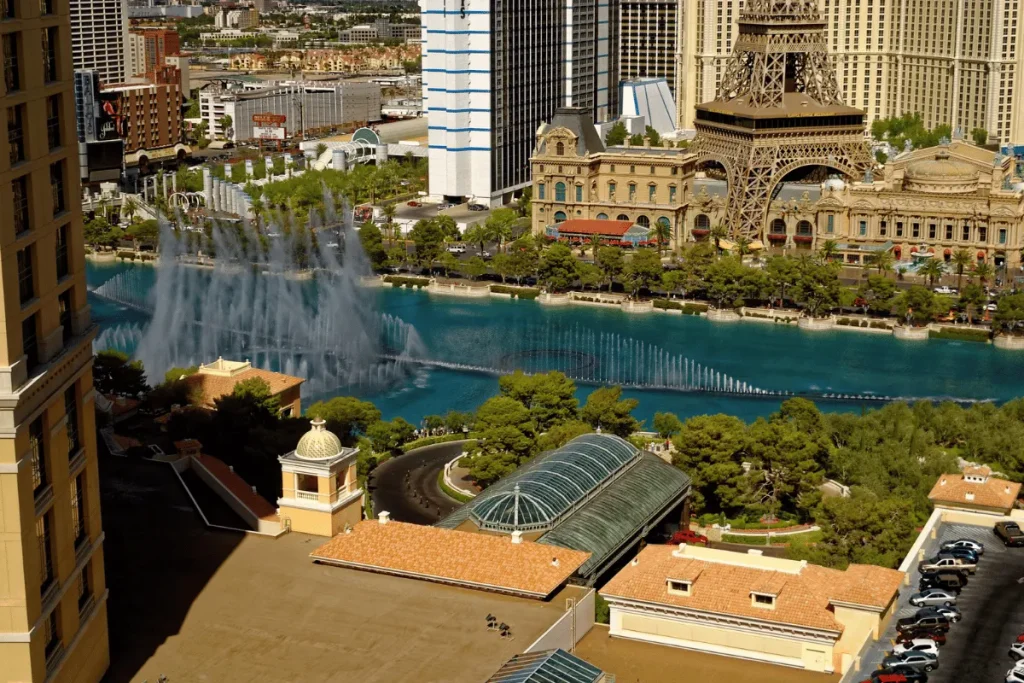
For most first-time visitors, the Las Vegas Strip is the most convenient base because it places you close to a large concentration of attractions, restaurants, entertainment, and major resorts.
However, not every traveler needs the same location.
Best Areas to Stay
The Strip
The Strip is the easiest choice for a classic Las Vegas vacation. It works especially well for first-time visitors, couples, short trips, and travelers who want to spend most of their time around major resorts.
Center Strip
Center Strip is particularly convenient for travelers who want to stay close to several major resorts and attractions without constantly traveling long distances. It is a practical location for a first visit because many important sights can be combined in the same part of the itinerary.
South Strip
South Strip can appeal to visitors who prefer to be closer to the airport or who want access to major resort and convention properties toward the southern end of Las Vegas Boulevard.
Downtown Las Vegas
Downtown provides a different atmosphere, centered around Fremont Street and the city’s older entertainment district. It can work well for travelers who want historic Vegas character and a more compact Downtown experience. (visitlasvegas.com)
Off-Strip
Off-Strip hotels can make sense for visitors who prioritize quieter surroundings, potentially lower accommodation costs, easier parking, or access to a rental car.
The best area is therefore less about a universal answer and more about matching the location to your itinerary.
Best Hotels in Las Vegas
Las Vegas has everything from enormous integrated resorts to smaller properties, so choosing a hotel is easier when you start with the type of trip you want.
For a classic first-time experience, consider large Strip resorts where you can combine lodging with restaurants, pools, entertainment, and attractions.
For luxury-focused trips, compare high-end resort rooms, suites, dining, pools, spas, and location rather than looking only at the room itself.
For value-oriented stays, look carefully at the final price rather than the advertised nightly rate.
For Downtown trips, choose a property that allows easy access to Fremont Street and the surrounding attractions.
When comparing hotels, check:
- Nightly room rate
- Resort or destination fees
- Parking charges
- Taxes
- Location
- Room size
- Cancellation terms
- Distance to your main activities
- Recent guest reviews
- Restaurant and pool options
A room advertised at a lower nightly price can cost more overall once mandatory fees, parking, transportation, and additional meals are included.
For a commercial travel site, this is also where readers benefit most from booking links. A useful hotel comparison should help them understand why a location fits their trip, rather than simply displaying a long list of properties.
Las Vegas Travel Guide: Best Time to Visit
There is no single perfect time for every Las Vegas traveler.
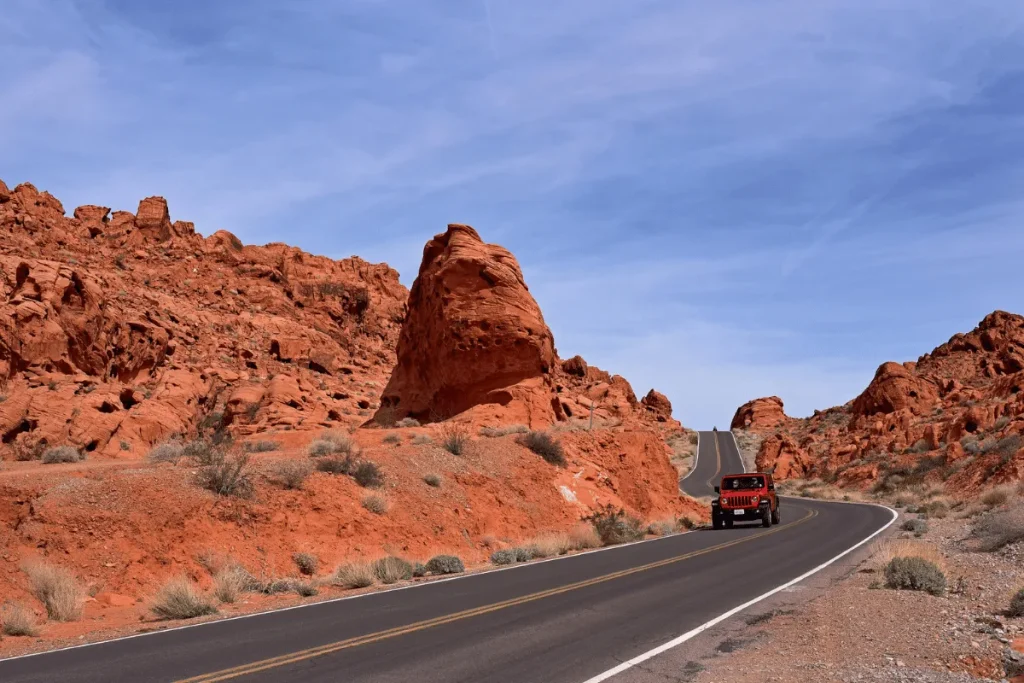
The right season depends on whether your trip is mainly about indoor entertainment, outdoor sightseeing, pool time, events, or day trips.
Spring is often a comfortable period for combining the Strip with desert excursions and sightseeing.
Summer can still be enjoyable for travelers who focus on resorts, shows, restaurants, shopping, and nightlife, but outdoor activities require much more careful scheduling because of the heat.
Fall is another useful season for combining city attractions with outdoor excursions.
Winter generally brings milder daytime conditions than many U.S. destinations, although desert nights can be cool.
One important planning factor is the city’s event calendar. Conventions, sporting events, concerts, holidays, and major weekends can influence hotel demand and availability, so compare your dates before committing to a hotel.
Las Vegas Weather by Season
| Season | Typical Travel Experience |
|---|---|
| Spring | Warm days and comfortable outdoor sightseeing |
| Summer | Very hot afternoons; plan outdoor activities carefully |
| Fall | Warm to mild weather and good conditions for sightseeing |
| Winter | Mild afternoons with cooler evenings |
Weather affects more than comfort. Desert terrain, direct sun, wind, and elevation can make outdoor activities harder than expected.
For hiking or scenic drives, check the conditions before leaving rather than assuming that normal city weather tells you what conditions will be like outside Las Vegas.
How Many Days Do You Need in Las Vegas?
A first-time visitor can see the major highlights in two days, but three to four days usually provides a better balance. For most travelers, this Las Vegas Travel Guide works best as a starting point for planning your stay around the experiences you care about most.
One day is enough for a concentrated introduction.
Two days allow you to combine the main Strip sights with Downtown.
Three days create room for a desert excursion without completely sacrificing time in the city.
A fourth or fifth day becomes useful when you want to add a longer day trip, more shows, shopping, restaurants, or a slower pace.
1-Day Las Vegas Itinerary
Morning: Start around the central Strip and explore one or two major resorts.
Afternoon: Choose one paid attraction such as Sphere, the High Roller, or a museum.
Evening: Continue walking through the Strip, see the Bellagio Fountains, have dinner, and attend a show or evening experience.
The key is restraint. Trying to visit every major resort in one day usually results in more walking and less actual enjoyment.
2-Day Las Vegas Itinerary
Day 1: Focus on the central Strip, Bellagio, Caesars Palace, the Venetian area, shopping, dinner, and evening entertainment.
Day 2: Explore Downtown Las Vegas and Fremont Street, then return to the Strip for another attraction, restaurant, or evening show.
This structure works because it separates two distinct Las Vegas experiences rather than mixing Downtown and the Strip repeatedly.
3-Day Las Vegas Itinerary
Day 1: Explore the major Strip landmarks and resorts.
Day 2: Visit Red Rock Canyon or another daytime excursion, then return for dinner and entertainment.
Day 3: Spend time in Downtown Las Vegas, visit a museum or additional attraction, and enjoy one final evening on the Strip.
Three days is often enough to create variety without turning the trip into an overly packed schedule.
What to Eat in Las Vegas
Las Vegas has become a serious food destination, and the dining scene extends well beyond traditional casino buffets.

You can find everything from casual food halls and neighborhood restaurants to luxury dining rooms and internationally recognized chefs.
Steakhouses remain a major part of the city’s dining culture.
Buffets continue to attract visitors, although prices, concepts, and quality vary significantly between properties.
Asian cuisine is particularly diverse, with Chinese, Japanese, Korean, Thai, and Vietnamese options.
Mexican and Latin American restaurants add another important part of the city’s food scene.
Food halls and casual restaurants can be useful when you want more choice or need to control the budget.
Do not feel that every meal has to be on the Strip. Chinatown, Downtown, and other neighborhoods offer another side of Las Vegas dining, and leaving the resort corridor can be worthwhile for travelers interested in local restaurants.
For popular restaurants, especially during busy weekends, reservations can be useful.
A practical food strategy is to combine one memorable dinner with easier breakfasts, casual lunches, food halls, or neighborhood restaurants. That creates variety without making food one of the biggest expenses of the trip.
How to Save Money in Las Vegas
Las Vegas can be expensive, but the biggest savings usually come from planning rather than simply choosing the cheapest option.
Start with accommodation. Compare the complete hotel cost, including fees and parking, rather than focusing on the room rate alone.
Next, build free experiences into your itinerary. Bellagio Fountains, many public resort spaces, walking the Strip, and parts of Downtown can provide plenty of entertainment without individual admission charges. The city’s official tourism organization maintains a current guide to free attractions. (visitlasvegas.com)
Food is another major opportunity. A trip does not need to contain expensive restaurant meals every night.
Transportation deserves attention as well. A rental car may be unnecessary for a trip focused mainly on the Strip and Downtown. Public transportation, walking, rideshare, and resort transportation can be more practical depending on your itinerary. (visitlasvegas.com)
Another common mistake is buying attraction packages before deciding what you actually want to see. Compare individual ticket prices with passes and packages only after you have built a realistic itinerary.
One of the simplest ways to save is to group activities geographically. Spending the morning in one area, rather than crossing the city several times, reduces transportation time and unnecessary costs.
Getting Around Las Vegas
You can explore a large part of Las Vegas without renting a car.

The Las Vegas Monorail is useful for moving along the Strip, while buses, taxis, and rideshare services provide additional coverage. The Deuce serves the Strip and Downtown, and free resort trams connect selected properties. (visitlasvegas.com)
The official Las Vegas transportation resources also provide maps for the Strip, Downtown, Monorail, airport, Fremont Street, and RTC bus routes.
From Harry Reid International Airport, rideshare services such as Uber and Lyft are authorized, with designated pickup areas at the terminals. (Harry Reid International Airport)
Walking the Strip
Walking works very well between nearby resorts.
It becomes less practical when you try to cover a large part of Las Vegas Boulevard in one stretch, especially in summer.
A simple rule works well:
Walk between nearby attractions → use transportation for longer distances.
Also remember that a hotel entrance is not necessarily close to your actual destination inside the property. Large resorts can require considerable walking once you are indoors.
Rental Cars
A rental car is usually unnecessary when your plans are limited to the Strip and Downtown.
It becomes considerably more useful when you want to visit:
- Red Rock Canyon
- Valley of Fire
- Hoover Dam
- Death Valley
- Grand Canyon West
- Other destinations outside the main tourist corridor
This makes car rental more of an itinerary decision than a default Las Vegas expense.
Is Las Vegas Safe for Travelers?
Like any major tourist destination, Las Vegas is best explored with normal urban awareness.
Keep phones, wallets, and other valuables secure in crowded areas. Avoid leaving belongings visible in rental cars, and be particularly attentive in busy nightlife environments.
At night, stay aware of your surroundings and use established transportation when moving between areas you do not know well.
Outdoor safety is just as important as city awareness. Desert environments can become dangerous because of extreme heat, thunderstorms, flash flooding, and difficult terrain. The Bureau of Land Management specifically warns visitors to Red Rock Canyon about changing desert conditions, lightning, and flooding hazards.
For any desert day trip, carry enough water, check weather and road conditions, and avoid assuming that a short-looking trail will be easy simply because it is close to the city.
Las Vegas Travel Guide: Best Day Trips
One of the advantages highlighted in this Las Vegas Travel Guide is the number of desert landscapes and attractions within driving distance.
If you’re planning to explore more scenic routes beyond the city, see our guide to the best road trips in the United States.

The right day trip depends on how much time you want to spend driving versus exploring.
Red Rock Canyon
Red Rock Canyon is one of the easiest outdoor escapes from Las Vegas.
It is about 17 miles west of the Strip and features a 13-mile scenic drive, hiking, climbing, cycling, and desert scenery.
Currently, timed-entry reservations are required for the Scenic Drive between October 1 and May 31 for arrivals between 8 a.m. and 5 p.m. Policies can change, so check the official information before your visit. (Bureau of Land Management)
Red Rock works particularly well for travelers who want dramatic scenery without committing to a long-distance road trip.
Hoover Dam
Hoover Dam is roughly 30 miles southeast of Las Vegas near the Nevada-Arizona border. (U.S. Bureau of Reclamation)
It is a practical half-day excursion, although travelers interested in tours, the visitor center, and surrounding viewpoints can spend longer.
Because operating conditions can occasionally change, check current visitor information before leaving. For example, the Bureau of Reclamation temporarily closed visitor access in July 2026 during repairs and announced reopening afterward.
Hoover Dam is particularly interesting for visitors who enjoy engineering, history, infrastructure, and large-scale landscapes.
Valley of Fire State Park
Valley of Fire is known for its vivid red sandstone formations, petroglyphs, scenic drives, and desert scenery.
The park is open from sunrise to sunset and currently lists a day-use entrance fee of $10 for Nevada residents and $15 for non-Nevada vehicles. Many trails are seasonally closed from May 15 through September 30 because of extreme heat. (Nevada State Parks)
That seasonal restriction makes timing particularly important. Always check current trail status before planning a hiking-focused visit.
Death Valley National Park
Death Valley is a much more ambitious day trip, but its scale and landscape make it one of the most distinctive destinations within reach of Las Vegas.
The park is open year-round, but individual roads, facilities, and services can have changing conditions. (Service des Parcs Nationaux)
Current road conditions can change quickly, and the National Park Service continues to publish active road and facility updates.
Treat Death Valley as a full-day excursion, not a quick sightseeing stop. Start early, carry adequate water and fuel, and check current conditions before departure.
Grand Canyon West
Grand Canyon West is another popular excursion from Las Vegas and is approximately a two-hour drive from the city according to the Hualapai Tribe’s visitor information. (Grand Canyon West)
It is important to understand that Grand Canyon West is not Grand Canyon National Park. It is operated by the Hualapai Tribe and offers its own viewpoints and experiences, including the Skywalk.
For visitors comparing Grand Canyon options from Las Vegas, the distinction matters because Grand Canyon West and the South Rim are different destinations with different travel times, ownership, experiences, and planning requirements.
Las Vegas Travel Tips
Wear comfortable shoes. The amount of walking can surprise first-time visitors.
Carry water. Desert heat and long walks make hydration particularly important.
Plan outdoor activities early. This becomes especially useful during hotter months.
Do not judge distance by the map alone. Crossing between resorts can take much longer than expected.
Book high-demand experiences in advance. Popular shows, restaurants, events, and certain attractions may require advance planning.
Check current outdoor conditions. Red Rock Canyon and Death Valley publish current conditions and restrictions. (Bureau of Land Management)
Try at least one meal away from the Strip. Downtown and surrounding neighborhoods add variety to the trip.
Build some free experiences into every itinerary. This helps keep the overall budget under control.
Leave gaps between activities. Las Vegas works better when you have time to wander rather than moving constantly from one reservation to another.
Check event dates before booking hotels. Large events can influence both availability and prices.
Do not over-schedule your first day. After a flight, airport transfer, hotel check-in, and walking around a large resort, a lighter schedule may be more enjoyable.
Las Vegas Map and Nearby Attractions
Las Vegas becomes much easier to understand when you divide it into practical zones rather than thinking of the whole destination as one continuous area.
Central Strip: Bellagio, Caesars Palace, Flamingo, The Cosmopolitan and surrounding attractions.
North Strip: Sphere, Sahara, and the area around the Las Vegas Convention Center.
South Strip: Mandalay Bay, Luxor, Excalibur, and the Welcome to Fabulous Las Vegas Sign area.
Downtown: Fremont Street Experience, Mob Museum, and the Arts District.
West of the Strip: Red Rock Canyon and the Summerlin area.
The official Las Vegas tourism site provides maps covering the Strip, Downtown, airport, Monorail, Fremont Street, and public transportation. (visitlasvegas.com)
For itinerary planning, the most useful habit is simple: group nearby attractions together.
For example, spending one half-day around the central Strip is usually more efficient than visiting one attraction in the north, another in the south, then returning to the center.
Las Vegas Travel Guide FAQ
Is Las Vegas Worth Visiting? Las Vegas Travel Guide FAQ
Las Vegas can suit a wide range of travelers because the destination is not limited to casinos.
A first trip can be built around entertainment, restaurants, resorts, shopping, museums, architecture, outdoor adventures, or a combination of several interests.
The key is choosing the parts of Las Vegas that match your travel style rather than trying to experience everything.
How Many Days Are Enough for Las Vegas?
Three to four days is a practical starting point for a first visit.
Two days can cover the main Strip experience and Downtown. Five or more days provide additional room for day trips, restaurants, shows, shopping, and a slower schedule.
The number of days becomes more important when you add destinations such as Death Valley, Grand Canyon West, or Valley of Fire.
What Is the Best Area to Stay in Las Vegas?
For many first-time visitors, the Las Vegas Strip is the most convenient base because it places you near a high concentration of attractions, restaurants, and entertainment.
Center Strip is useful for travelers prioritizing convenience.
Downtown works for visitors interested in historic and alternative Vegas experiences.
Off-Strip accommodation can make more sense for travelers prioritizing quieter surroundings, parking, or potentially lower total accommodation costs.
Is Las Vegas Easy to Explore Without a Car?
Yes, particularly when most of your itinerary is concentrated on the Strip and Downtown.
Walking, buses, the Monorail, resort trams, taxis, and rideshare services can cover a large part of a typical city itinerary. A rental car becomes much more useful once you add outdoor attractions and longer day trips. (visitlasvegas.com)
What Is the Best Time to Visit Las Vegas?
For travelers who want to combine city sightseeing with outdoor excursions, spring and fall are generally easier seasons for managing desert conditions.
Summer can work well for travelers focused on indoor attractions, resorts, restaurants, shows, and nightlife, but outdoor activities require careful attention to heat and timing.
Winter offers relatively mild daytime conditions, although evenings can be cool and outdoor temperatures can change quickly.