
10 of the best road trips in the United States

Some of the best road trips in the United States are about much more than getting from one destination to another. The drive itself becomes part of the experience, with scenic overlooks, national parks, historic towns, local attractions, and unexpected places worth stopping along the way.
The best route also depends on what you want from the trip. A coastal drive through California feels very different from a national park adventure in Utah or a fall foliage journey through New England. Some road trips are ideal for a long vacation, while others can work well as shorter getaways.
This guide covers 10 of the best road trips in the United States, including options for scenic views, national parks, families, beaches, history, wildlife, and seasonal travel.
What Makes the Best Road Trips in the United States Worth Taking?
A great road trip is not necessarily the longest one. The best routes combine interesting destinations with a drive that is enjoyable in its own right.
Scenery is usually a major part of the experience, whether that means Pacific Ocean views, mountain roads, desert landscapes, dense forests, or colorful fall foliage. But scenery is only part of what makes a road trip memorable. The best routes also give you plenty of reasons to stop.
Some journeys are built around famous attractions and national parks, while others are more about historic towns, local restaurants, roadside landmarks, and smaller communities along the way.
Flexibility is another major advantage. A road trip gives you the freedom to slow down, stay longer in a place you enjoy, or add an unexpected stop without completely changing your plans.
That is why the best road trips in the United States range from short scenic drives to journeys that can take a week or more.
Quick Comparison: Best Road Trips in the United States
| Road Trip | Best For | Recommended Time |
|---|---|---|
| Pacific Coast Highway | Coastal scenery | 3–5 days |
| Route 66 | Classic American road trip | 1–2 weeks |
| Blue Ridge Parkway | Mountains and fall colors | 3–5 days |
| Going-to-the-Sun Road | Mountain scenery | 1–2 days |
| Utah’s Mighty Five | National parks and hiking | 5–10 days |
| Florida Keys | Beaches and warm weather | 3–5 days |
| Great River Road | History and small towns | 5–10 days |
| New England Fall Foliage | Fall colors and charming towns | 4–7 days |
| Yellowstone & Grand Teton | Wildlife and nature | 4–7 days |
| Olympic Peninsula | Coast, rainforest, and mountains | 3–5 days |
These timeframes are flexible. You can shorten many of these trips by focusing on a smaller section or extend them by adding nearby destinations.
10 Best Road Trips in the United States
1. Pacific Coast Highway — California
The Pacific Coast Highway is one of the classic American road trips, especially for travelers who want dramatic coastal scenery.
California’s Highway 1 follows sections of the Pacific coastline and becomes especially memorable around Big Sur, where mountains rise above the ocean and the road passes viewpoints overlooking rugged cliffs and beaches.
A popular itinerary runs between San Francisco and Los Angeles, although you can also travel in the opposite direction or focus on a shorter section of the coast.
Along the way, you can combine the scenery with stops in Monterey, Carmel-by-the-Sea, Big Sur, and Santa Barbara.
Best for: Coastal scenery, couples, photographers, and first-time road trippers.
Recommended time: About 3–5 days for a relaxed section of the coast.
Main highlights: Big Sur, Bixby Creek Bridge, Monterey, Carmel-by-the-Sea, and coastal viewpoints.
Practical tip: Do not plan the trip entirely around driving time. Some of the best parts of Highway 1 are the viewpoints and short stops along the way. Check road conditions before leaving because weather, construction, or closures can affect some sections.
2. Route 66 — Illinois to California
If you want a road trip connected to American history and classic roadside culture, Route 66 is difficult to beat.
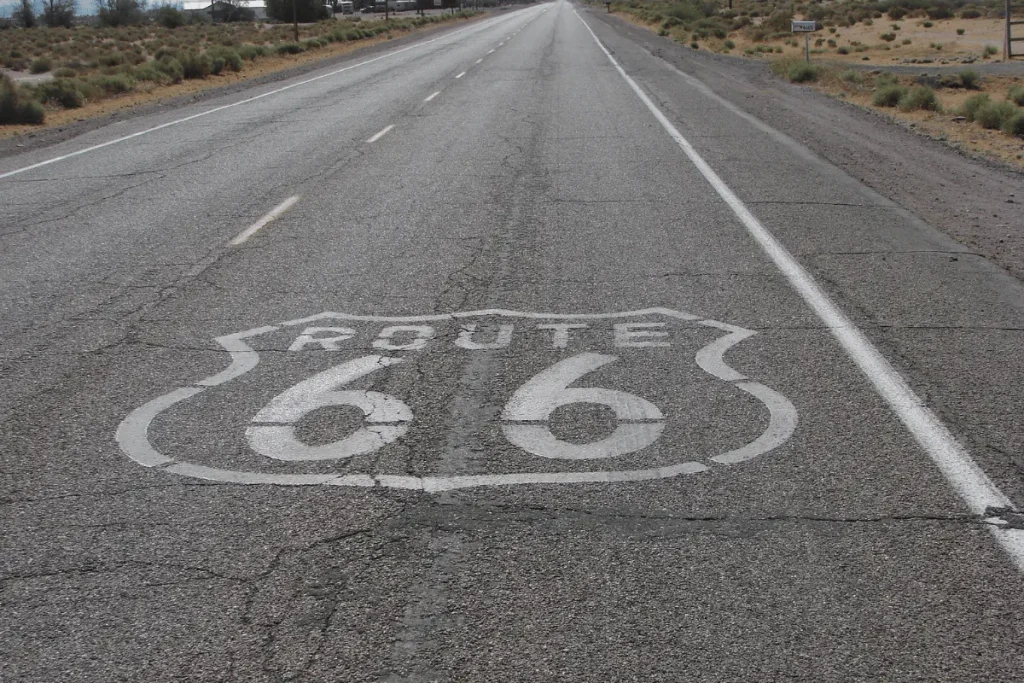
Historic Route 66 originally stretched about 2,400 miles from Chicago to Los Angeles through eight states. Although the original highway was decommissioned in 1985, many historic sections, buildings, and roadside attractions remain. The National Park Service provides additional information about historic Route 66 sites and attractions along the route. Explore Travel Route 66.
The journey moves through a wide range of landscapes, from the Midwest to the Southwest, with historic towns, old motels, diners, gas stations, and unusual roadside attractions along the way.
Route 66 also works well for travelers who enjoy taking their time. Rather than trying to cover everything quickly, you can choose a section and explore it more deeply.
Best for: History, classic Americana, and travelers who enjoy the journey as much as the destination.
Recommended time: About 1–2 weeks for a substantial section, or longer if you want to explore more of the historic route.
Main highlights: Chicago, St. Louis, Oklahoma, Texas, New Mexico, Arizona, and California.
Practical tip: Historic Route 66 does not follow one continuous modern highway today. Plan around the historic sections and attractions you want to visit instead of simply following a GPS route from Chicago to Los Angeles.
3. Blue Ridge Parkway — Virginia to North Carolina
The Blue Ridge Parkway is one of the best road trips in the United States for travelers who prefer mountain scenery and a slower pace.
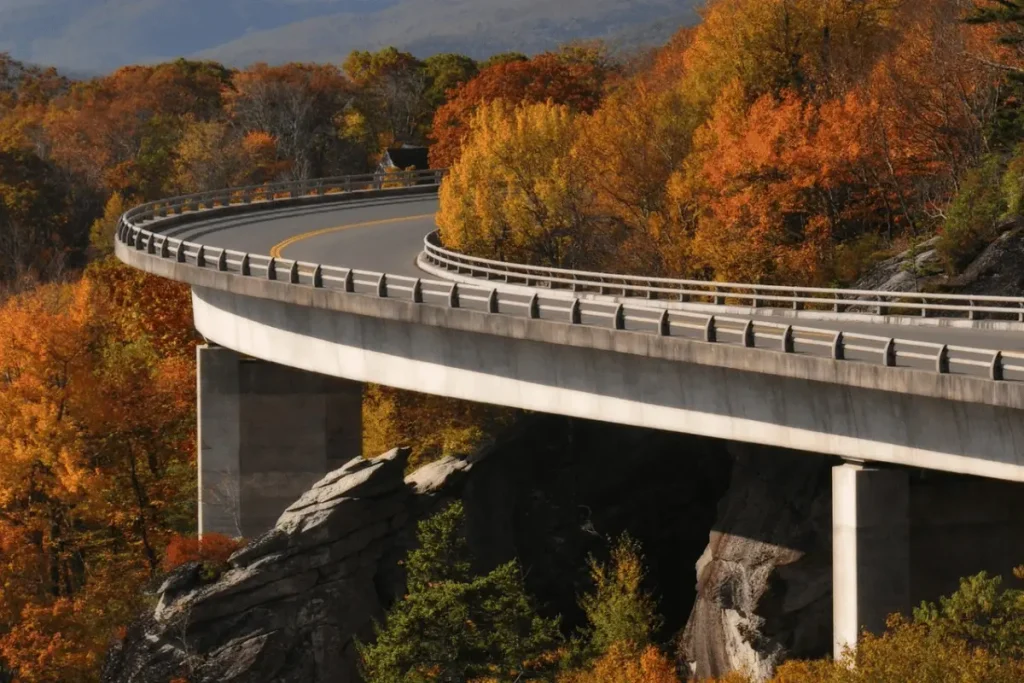
The route follows the Blue Ridge Mountains through Virginia and North Carolina, with frequent overlooks, hiking opportunities, and access to mountain communities.
It is especially popular in autumn, when the forests are filled with changing colors. The parkway can also be enjoyable in spring and summer, when the landscape is greener and outdoor activities are easier to combine with scenic stops.
Rather than treating the parkway as a road you need to finish quickly, think of it as a scenic journey where the stops are part of the experience.
Best for: Mountain scenery, hiking, photography, and fall foliage.
Recommended time: Around 3–5 days for a meaningful section.
Main highlights: Mountain overlooks, hiking trails, Asheville, and the surrounding Blue Ridge region.
Practical tip: Allow more time than your navigation app suggests. Curving mountain roads, overlooks, and short hikes can make a relatively short distance take most of a day.
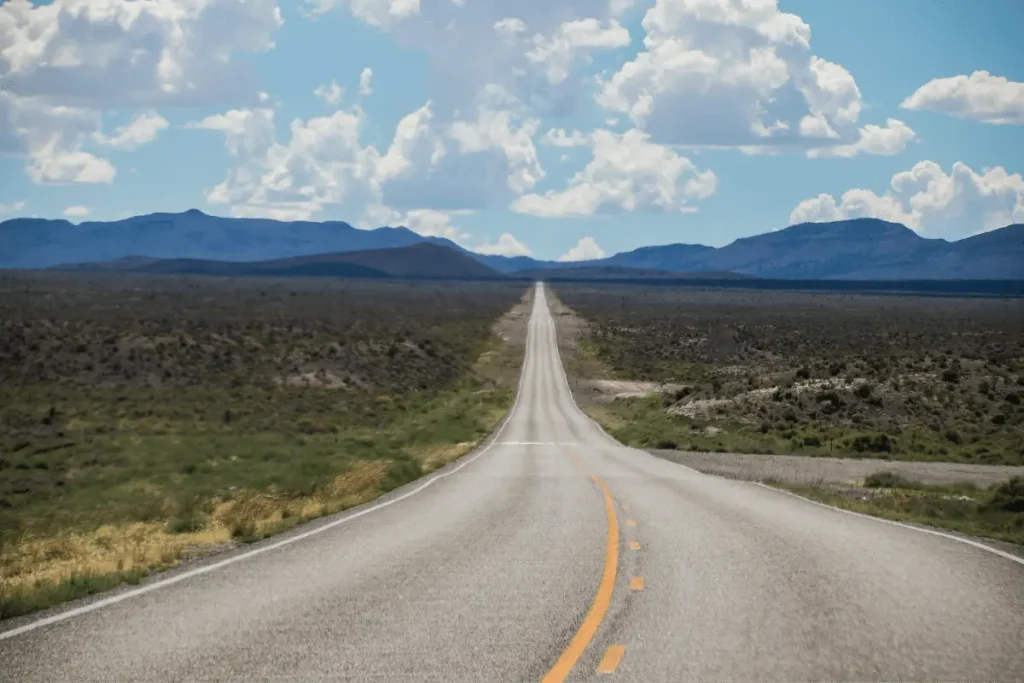
4. Going-to-the-Sun Road — Montana
For dramatic mountain scenery, few drives compare with Going-to-the-Sun Road in Glacier National Park.
The road crosses Glacier National Park and reaches Logan Pass, taking drivers through mountains, forests, valleys, and alpine landscapes.
The full road is about 50 miles long, but the experience is much bigger than the distance suggests. The route includes steep terrain, dramatic viewpoints, and access to some of the park’s most popular areas.
For the 2026 season, Glacier National Park does not require vehicle reservations for Going-to-the-Sun Road, although access and parking arrangements at Logan Pass have changed. Seasonal conditions can also affect the experience.
Best for: Mountain scenery, hiking, and national park enthusiasts.
Recommended time: 1–2 days if you are focusing mainly on the road, or several days if you are exploring more of Glacier National Park.
Main highlights: Logan Pass, alpine scenery, mountain viewpoints, and hiking trails.
Practical tip: Check official park conditions before driving. Weather, construction, seasonal access, and vehicle restrictions can affect your plans.
5. Utah’s Mighty Five Road Trip — Utah
Utah’s Mighty Five is one of the best road trips in the United States for travelers who want to combine scenic driving with several spectacular national parks.
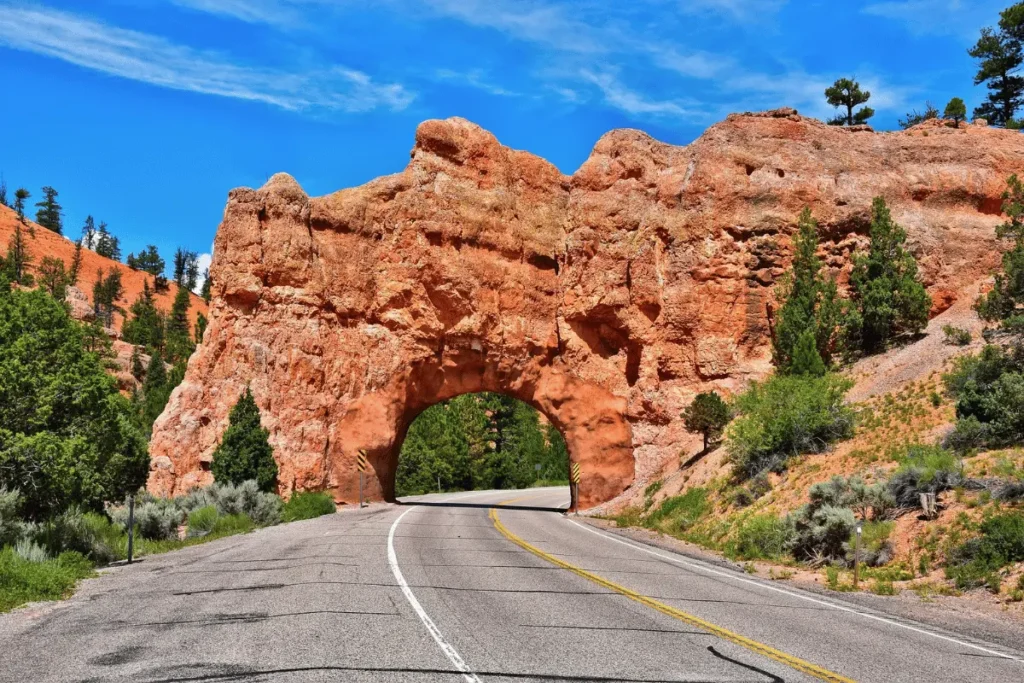
The route connects five national parks:
- Zion National Park
- Bryce Canyon National Park
- Capitol Reef National Park
- Arches National Park
- Canyonlands National Park
The scenery changes dramatically as you travel through southern Utah. Red rock cliffs give way to narrow canyons, natural arches, high plateaus, and enormous desert landscapes.
A week can provide a good introduction, but travelers who want more time for hiking and exploration should consider a longer itinerary.
For more national park ideas, see our guide to the best national parks in the United States.
Best for: National parks, hiking, photography, and dramatic landscapes.
Recommended time: About 5–10 days.
Main highlights: Zion, Bryce Canyon, Capitol Reef, Arches, and Canyonlands.
Practical tip: Do not underestimate driving and hiking time. Summer heat can make strenuous hikes much harder, so start early when necessary and plan outdoor activities around the weather.
6. Florida Keys Road Trip — Florida
The Florida Keys offer a completely different type of road trip.
Instead of mountains and forests, this journey is about tropical scenery, warm weather, bridges over turquoise water, and a relaxed island atmosphere.

The Overseas Highway connects the Florida mainland with the Keys and eventually reaches Key West. The drive itself is part of the attraction, with opportunities to stop at different islands rather than treating Key West as the only destination.
Key Largo, Islamorada, Marathon, and Key West each offer a slightly different experience. You can spend time snorkeling, relaxing on beaches, trying local restaurants, or simply enjoying the scenery.
Best for: Beaches, warm weather, couples, and relaxed vacations.
Recommended time: About 3–5 days.
Main highlights: Key Largo, Islamorada, Seven Mile Bridge, Marathon, and Key West.
Practical tip: Avoid rushing through the Keys. The route is relatively straightforward, but the experience is much better when you allow enough time for stops, water activities, and meals.
7. Great River Road — Mississippi River
The Great River Road is ideal for travelers who want a road trip built around American history, river towns, and changing landscapes rather than a single famous attraction.
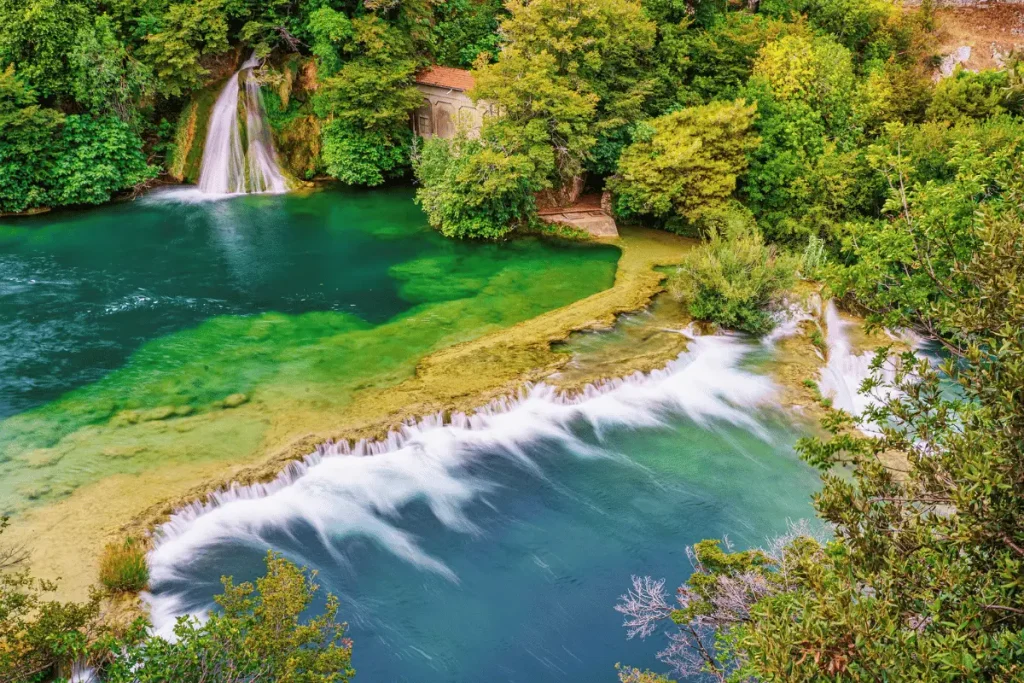
The route follows the Mississippi River through multiple states, giving travelers opportunities to explore historic communities, scenic viewpoints, local restaurants, and cultural attractions.
One of its biggest strengths is flexibility. You do not have to drive the entire length to enjoy it. Instead, you can choose a section based on your available time and interests.
It is especially appealing to travelers who enjoy discovering smaller destinations rather than moving between major tourist cities.
Best for: History, small towns, local culture, and scenic driving.
Recommended time: Around 5–10 days for a substantial section.
Main highlights: Mississippi River communities, historic towns, river overlooks, and regional food.
Practical tip: Choose a specific section before your trip. The Great River Road covers a huge distance, so trying to experience everything in one journey can turn a relaxing trip into a race against the clock.
8. New England Fall Foliage Road Trip — New England
Few road trips are as visually rewarding as a drive through New England during peak fall foliage.
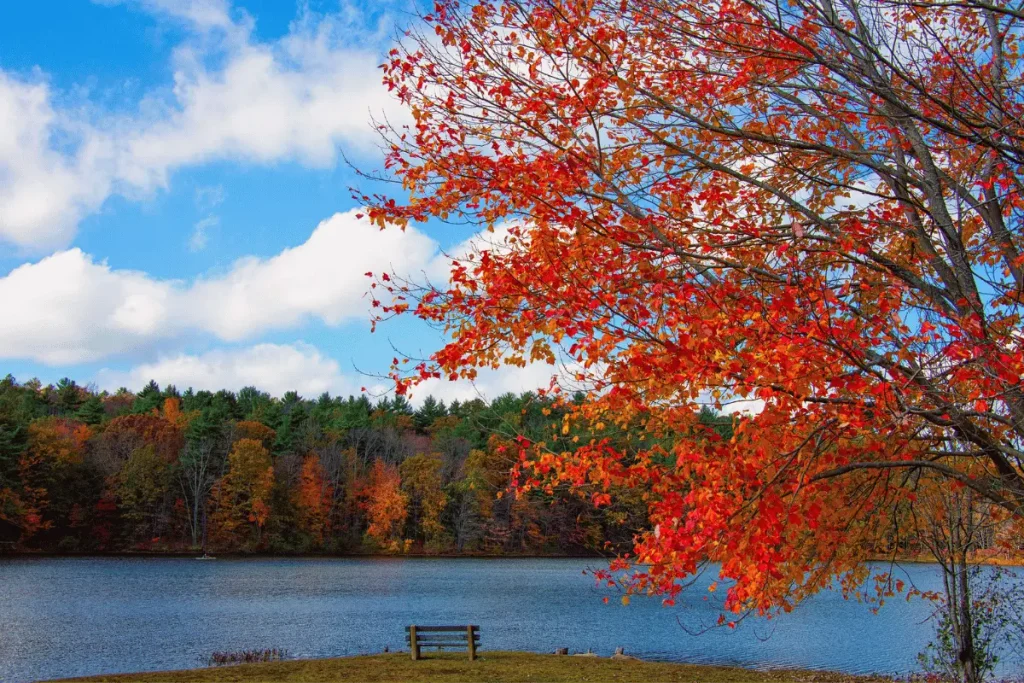
Connecticut, Massachusetts, Vermont, New Hampshire, and Maine offer forests, mountain roads, historic towns, covered bridges, and scenic countryside.
The exact timing of peak foliage changes from year to year and from one area to another. That makes flexibility especially useful. Instead of relying on one fixed date, check current foliage reports when planning your route.
A route through Vermont and New Hampshire can be particularly rewarding if your priority is colorful mountain scenery. Coastal Maine offers a different combination of forests, villages, and ocean views.
Best for: Fall colors, scenic drives, charming towns, and photography.
Recommended time: About 4–7 days.
Main highlights: Vermont, New Hampshire, the Berkshires, the White Mountains, and coastal Maine.
Practical tip: Fall is one of the busiest periods in popular foliage areas. Book accommodations early, especially if your trip falls on a weekend during peak color.
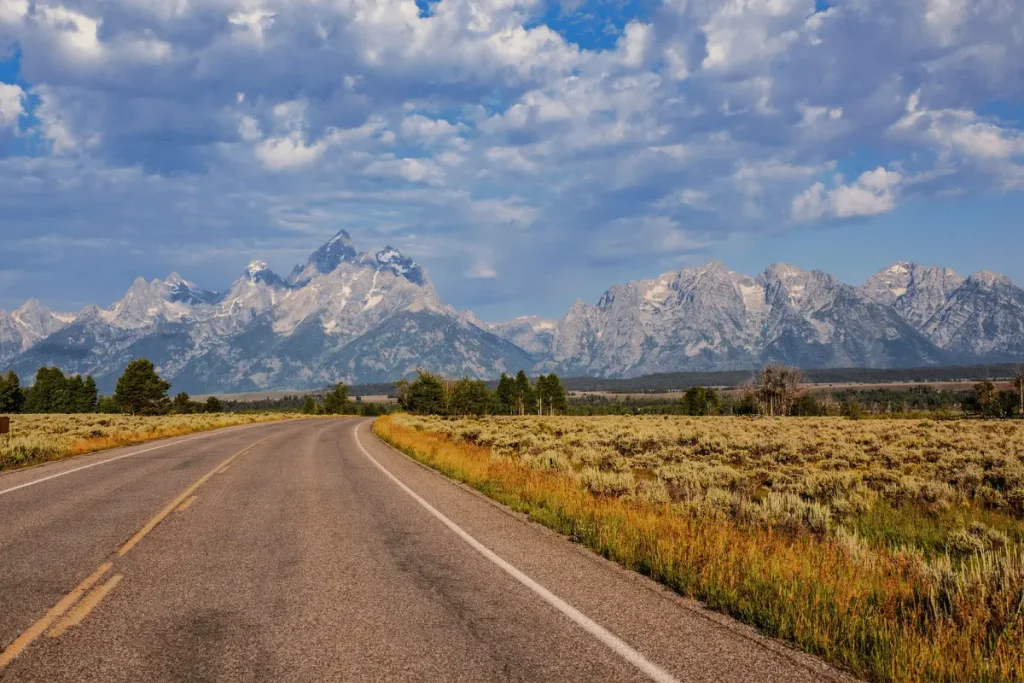
9. Yellowstone and Grand Teton Road Trip — Wyoming
Combining Yellowstone and Grand Teton creates one of the best road trips in the United States for wildlife, mountains, and dramatic natural landscapes.
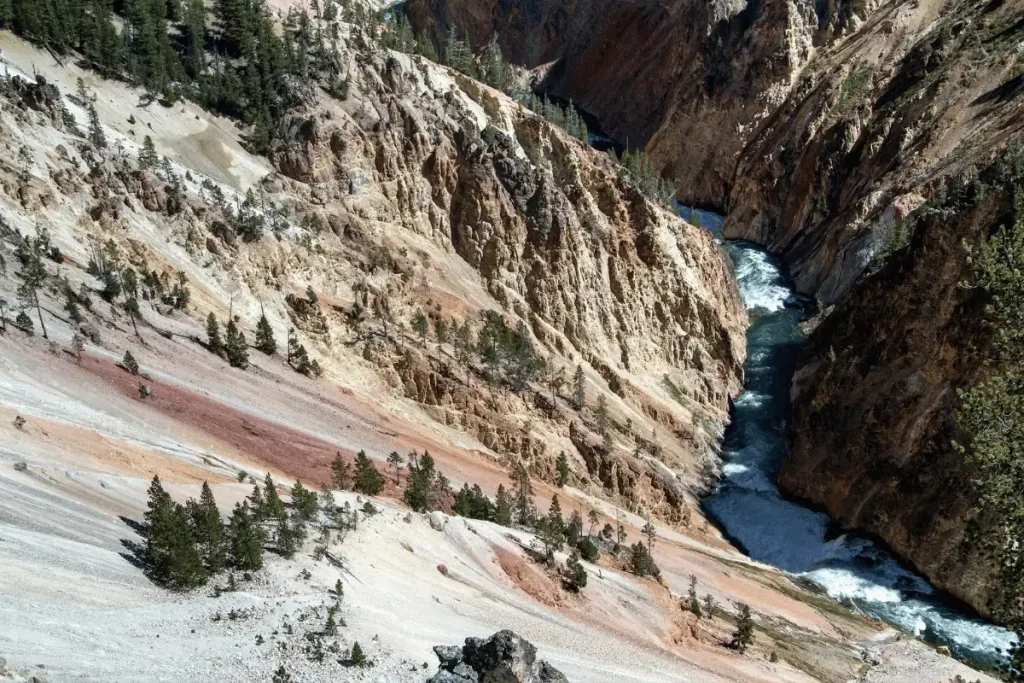
The two parks are close enough to combine into one trip, yet each offers a very different experience.
Yellowstone is known for geothermal features, wildlife, and enormous landscapes. Grand Teton, just to the south, is dominated by the dramatic Teton Range, lakes, and mountain scenery.
This route works especially well for travelers who want several days of outdoor exploration without moving between completely different regions of the country.
Best for: Wildlife, hiking, photography, and national parks.
Recommended time: About 4–7 days.
Main highlights: Yellowstone’s geothermal areas, Grand Prismatic Spring, Old Faithful, Yellowstone Lake, Grand Teton, and Jenny Lake.
Practical tip: Give yourself plenty of time between major stops. Distances inside Yellowstone can be deceptive, and wildlife sightings or road congestion can quickly change your schedule.
You can also compare this itinerary with other destinations in our guide to the best national parks in the United States.
10. Olympic Peninsula Road Trip — Washington
The Olympic Peninsula offers an impressive variety of landscapes within a single road trip.
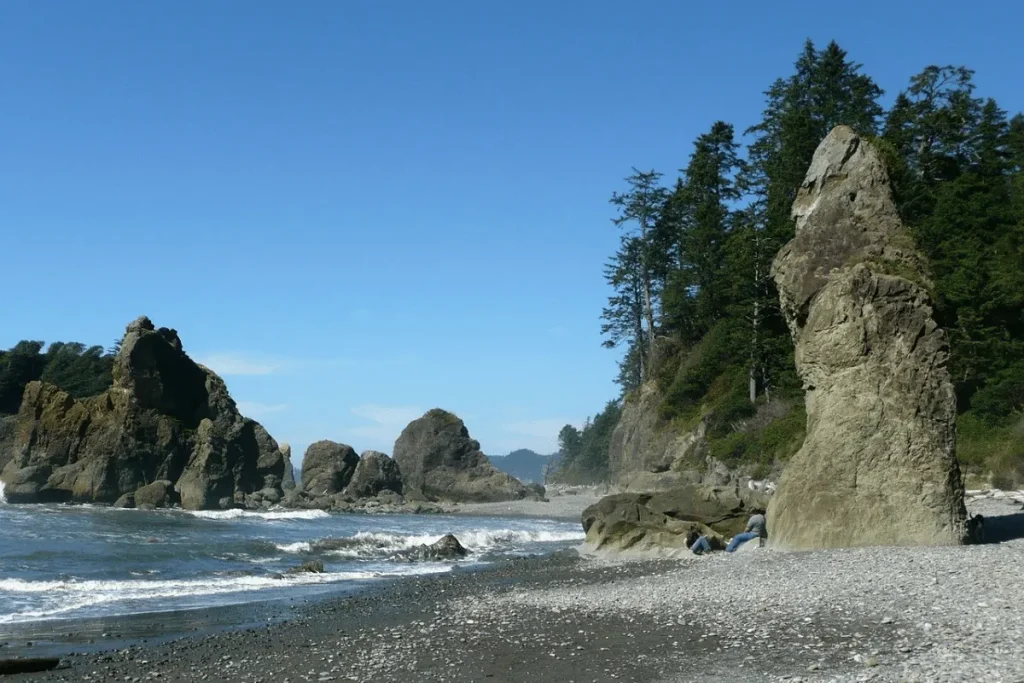
In a relatively compact region, you can experience Pacific coastline, temperate rainforest, mountain scenery, and lakes.
Olympic National Park is the centerpiece of the journey, but the surrounding peninsula also provides opportunities to visit small communities, beaches, and viewpoints.
This makes the route especially appealing to travelers who want variety without crossing several states.
Best for: Coastlines, forests, mountains, and outdoor adventures.
Recommended time: About 3–5 days.
Main highlights: Olympic National Park, Hurricane Ridge, Hoh Rain Forest, Lake Crescent, and the Pacific coast.
Practical tip: Do not try to see every part of the peninsula in one day. Roads can be slower than they appear on a map, and some of the best experiences require short hikes or extra time at viewpoints.
How to Choose the Best Road Trip in the United States
There is no single road trip that is best for everyone. The right choice depends on how much time you have, what you want to see, and how much driving you actually enjoy.
Best Road Trips in the United States for Scenic Views
For pure scenery, the Pacific Coast Highway is one of the strongest choices because of its combination of ocean views, cliffs, and coastal communities.
If mountains are more appealing, the Blue Ridge Parkway and Going-to-the-Sun Road offer very different but equally memorable landscapes.
For a mixture of desert scenery and dramatic geological formations, Utah’s Mighty Five is difficult to beat.
Best Road Trips in the United States for National Parks
Travelers who want to visit several national parks in one trip should consider Utah’s Mighty Five, Yellowstone and Grand Teton, or the Olympic Peninsula.
Utah offers an especially high concentration of national parks, while Yellowstone and Grand Teton combine wildlife with mountain and geothermal landscapes.
Best Road Trips in the United States for Families
For families, the best choice depends on the children’s ages and how comfortable everyone is with long drives.
The Florida Keys can work well for families who want beaches and water activities without a mountain-focused itinerary.
Yellowstone and Grand Teton are strong choices for families interested in wildlife and nature, while shorter sections of the Pacific Coast Highway can work well when you want scenery without committing to a long cross-country drive.
How to Plan a Road Trip in the United States
A successful road trip usually comes down to planning the right amount rather than planning every minute.

You want enough structure to know where you are sleeping and which major attractions may require reservations, while still leaving room for unexpected stops.
Best Time to Take a Road Trip
The best season depends heavily on the route.
Spring can be excellent for many southern and coastal destinations, although mountain roads may still have winter conditions.
Summer is the main season for high-elevation mountain routes such as Glacier and many northern national parks. However, popular destinations can also be crowded.
Fall is especially attractive for the Blue Ridge Parkway and New England, where changing leaves become a major part of the experience.
Winter can be ideal for Florida and some southern routes but can make northern and mountain road trips more difficult.
Always check current road and weather conditions before leaving, especially when your route includes mountain passes or national parks.
How Many Days Do You Need?
There is no universal answer.
A short road trip can work in 2–3 days if you stay within one region. A larger route may require 5–7 days, while major historic journeys such as Route 66 can easily take one or two weeks or more.
A useful rule is to avoid planning every day around maximum driving distance. Spending fewer hours behind the wheel often gives you more time to actually enjoy the destinations.
For longer journeys, build in some flexibility. A delayed start, an unexpected attraction, or bad weather can quickly change a tightly packed itinerary.
What to Pack for a US Road Trip
What you pack will depend on the season and route, but a few basics are useful for almost every journey:
- Reusable water bottles
- Phone charger and car adapter
- Offline maps or downloaded navigation
- Comfortable walking shoes
- Light layers
- Sunglasses and sunscreen
- Basic first-aid supplies
- Snacks
- Flashlight
- Car emergency supplies
- Physical or digital copies of important travel documents
For national park road trips, add hiking gear appropriate for the terrain and weather.
It is also worth downloading maps before entering remote areas. Cell service can be limited in parts of national parks, mountain regions, and rural highways.
Final Thoughts on the Best Road Trips in the United States
The best road trips in the United States are not necessarily the ones that cover the most miles. They are the journeys that give you enough time to enjoy the scenery, stop at interesting places, and experience the destinations along the way.
Choose the Pacific Coast Highway for dramatic coastal scenery, Route 66 for classic Americana, the Blue Ridge Parkway for mountain landscapes, and the Florida Keys for a relaxed tropical drive.
If national parks are your priority, Utah’s Mighty Five and the Yellowstone–Grand Teton route are excellent choices. For seasonal scenery, New England in fall is difficult to match.
Most importantly, choose a route that fits your available time. A shorter road trip that leaves you wanting more is often better than an ambitious itinerary that spends most of the vacation behind the wheel.