
Best Time to Visit Mexico

Mexico is a year-round destination, but the best time to visit Mexico depends on where you are going and what you want to experience. A beach vacation in Cancún can have very different ideal dates from a city break in Mexico City, a cultural trip to Oaxaca, or a wildlife-focused journey through Baja California.
In broad terms, Mexico is often divided into a drier season from November to April and a wetter period that becomes more noticeable from late spring into autumn. However, the country’s size and varied geography mean that weather can change considerably between the Caribbean coast, Pacific coast, central highlands, southern Mexico, and Baja California.
For many travelers, November through April is a practical starting point if drier weather is the priority. May through October can also be attractive, particularly for travelers looking for potentially lower prices or fewer crowds, but rain, humidity, tropical weather systems, and sargassum become more relevant in some destinations.
For official climate and travel-planning information, you can also check the Visit Mexico Official Travel Planning & Climate Guide.
Best Time to Visit Mexico: Quick
Answer
For a broad first trip, November through April is a useful window to consider, especially if you want a combination of drier weather, comfortable sightseeing conditions, and beach-friendly days in many popular destinations.
November is particularly interesting for culture-focused travelers because Día de los Muertos takes place around November 1 and 2. December through April is popular for beach holidays, while May through October can suit flexible travelers who are willing to accept more variable weather in exchange for potentially lower demand.

There is no single perfect month for the entire country. If your trip centers on Cancún, Tulum, or the Riviera Maya, beach conditions, hurricanes, and sargassum deserve extra attention. If you are visiting Mexico City or Oaxaca, inland weather patterns may matter much more than Caribbean conditions. If you haven’t chosen your destinations yet, our guide to the 10 Best Places to Visit in Mexico is a good starting point before matching a region to a month.
Quick Planning Table
| Travel Priority | Useful Months to Consider | Main Consideration |
|---|---|---|
| Drier weather | November–April | Higher demand in popular destinations |
| Beach vacation | November–April | Holiday crowds and pricing |
| Culture & festivals | November, July, October–December | Event dates and local demand |
| Lower prices | Often May–October | More variable weather |
| Wildlife | Winter to spring for selected regions | Depends on species and destination |
| Fewer crowds | Shoulder and wetter periods | Greater weather flexibility |
Affiliate disclosure: Some links on this page are affiliate links, which may earn TripAndAtlas a commission at no extra cost to you.
Ready to book flights? Search Mexico flight deals here.
Mexico Travel Seasons
Dry Season
The broadly defined dry season is most often associated with November through April. Many popular destinations experience less rainfall during this period, making it convenient for beach vacations, city sightseeing, road trips, and outdoor activities.
The main trade-off is demand. Christmas and New Year, winter holidays, spring-break periods, and major festivals can make popular destinations noticeably busier.
Rainy Season
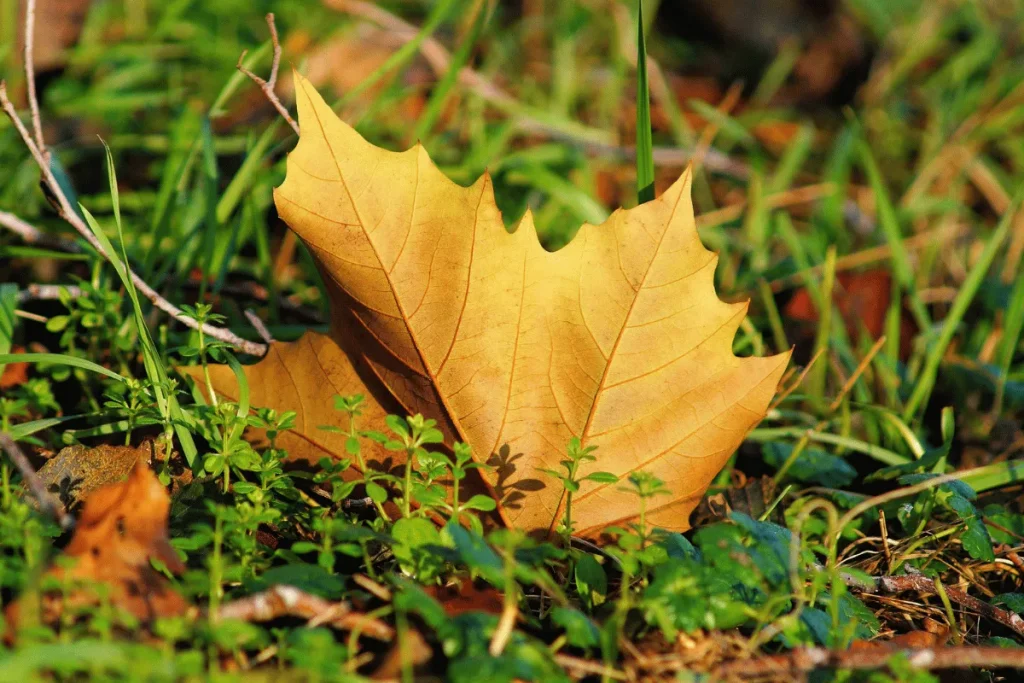
The wetter part of the year generally becomes more noticeable from May into October, although the exact pattern varies by region. Tropical and southern destinations can receive strong showers, often concentrated in the afternoon rather than lasting all day.
Rainy season does not automatically mean a bad trip. Travelers who build flexible outdoor plans can still enjoy warm mornings, cultural attractions, food tours, and quieter destinations while potentially finding better accommodation value.
Hurricane Season
Mexico can be affected by tropical cyclones on both its Caribbean/Atlantic and Pacific coasts. The Atlantic hurricane season runs from June 1 through November 30, while the eastern Pacific hurricane season runs from May 15 through November 30.
The Atlantic season reaches its climatological peak around September 10, while eastern Pacific activity is typically highest around late August. These dates describe historical activity patterns, not a guarantee that a storm will affect a particular destination.
For coastal trips during hurricane season, it is better to monitor official forecasts close to departure than to rely only on historical averages. The National Hurricane Center — Tropical Cyclone Climatology is the most reliable source for historical storm patterns and current-season tracking.
Typical Temperature and Rainfall by Region
Exact figures vary year to year, but these approximate ranges give a useful sense of what to expect:
| Region (example city) | Nov–Apr (dry season) | May–Oct (rainy season) |
|---|---|---|
| Cancún / Riviera Maya | ~24–29°C, mostly sunny | ~26–33°C, humid with afternoon storms |
| Mexico City (highlands) | ~6–23°C, cool nights, little rain | ~12–23°C, frequent afternoon showers |
| Oaxaca | ~10–27°C, dry and mild | ~16–28°C, warm with periodic rain |
| Puerto Vallarta (Pacific) | ~18–30°C, dry and sunny | ~24–32°C, humid, heavier rain in Jul–Sep |
| Los Cabos (Baja California) | ~14–26°C, dry, desert climate | ~22–33°C, hot, occasional tropical storms |
Figures are approximate seasonal averages intended for general trip planning, not exact forecasts.
Mexico Month by Month
January
January is one of the most popular months for visiting Mexico. Many destinations are relatively dry, which makes the month convenient for beaches, sightseeing, and road trips.

Coastal areas remain warm, while higher-elevation cities such as Mexico City can feel cooler, especially at night. Popular resort destinations can also be busy because of winter demand, so travelers with fixed dates should plan accommodation and flights early.
February
February continues the drier-season pattern in many major destinations.
It can be a useful month for combining beaches and cities because outdoor sightseeing is generally comfortable without the full summer humidity found in some tropical regions.
Baja California is also important during this period for travelers interested in winter wildlife experiences, including whale-watching opportunities in suitable locations.
March
March is popular for beach trips and spring travel.
The biggest consideration is demand. School vacation periods can increase visitor numbers in major resort destinations, making advance planning more useful.
For travelers focused on Mexico City, Oaxaca, or inland cultural attractions, March can also provide comfortable conditions for walking, sightseeing, food tours, and outdoor activities.
April
April is generally warmer, and temperatures begin moving toward the hotter part of the year.

Beach conditions can still be attractive, but humidity and the possibility of rain gradually become more relevant. For Riviera Maya travelers, April is also a useful point to start checking current sargassum conditions rather than relying only on seasonal expectations.
May
May can be a useful shoulder-season month.
Temperatures are warmer, while rainfall starts becoming more noticeable in many parts of Mexico. At the same time, travelers may find better value than during the busiest winter months.
May can therefore work well for flexible travelers who want a balance between peak-season demand and summer conditions.
June
June is wetter in many parts of Mexico, with hot and humid conditions common in tropical destinations.
Rain can arrive as short but heavy showers, so travelers with flexible itineraries can still enjoy sightseeing and cultural activities.
The Atlantic hurricane season has also begun by this point, and eastern Pacific hurricane season is already underway, making weather monitoring especially relevant for coastal trips.
July
July is warm and wetter in many destinations, but it can be particularly appealing for culture-focused travelers.

Oaxaca is notable because Guelaguetza takes place in July, bringing major cultural performances and celebrations to the region.
Travelers visiting coastal destinations should be prepared for humidity, rain, and changing conditions, while those prioritizing festivals, food, and local culture may find July rewarding.
August
August remains part of the wetter season in many regions.
Rain and humidity can affect outdoor plans, and tropical weather systems may become more relevant. The eastern Pacific also reaches its climatological peak in tropical cyclone activity around late August.
Inland destinations can still work well when travelers build flexible schedules and leave room for weather changes.
September
September deserves extra attention for Caribbean travelers because Atlantic hurricane activity reaches its climatological peak around September 10.
This does not mean every trip will experience a storm, but travelers should allow some flexibility and monitor official forecasts.
Inland destinations can have a very different experience from the Caribbean coast, so September should not be treated as equally risky or unsuitable throughout Mexico.
October
October is a transition month.
Rainfall may begin easing in some areas, although conditions remain variable and coastal hurricane risk can continue, particularly early in the month.
Travelers who want a quieter experience may find October appealing, especially outside major events and holiday periods.
November
November is one of the most useful months to consider for a broad Mexico trip.
The country is moving into the drier season, while cultural events make the month especially attractive. Día de los Muertos, celebrated around November 1 and 2, brings traditions involving altars, flowers, food, music, family gatherings, and community celebrations.
For travelers interested in culture, food, photography, and city exploration, November can offer an especially strong combination of experiences.
December
December combines favorable conditions in many destinations with a festive atmosphere.
The first part of the month can offer a different balance from the Christmas and New Year period, when demand often rises in popular destinations.
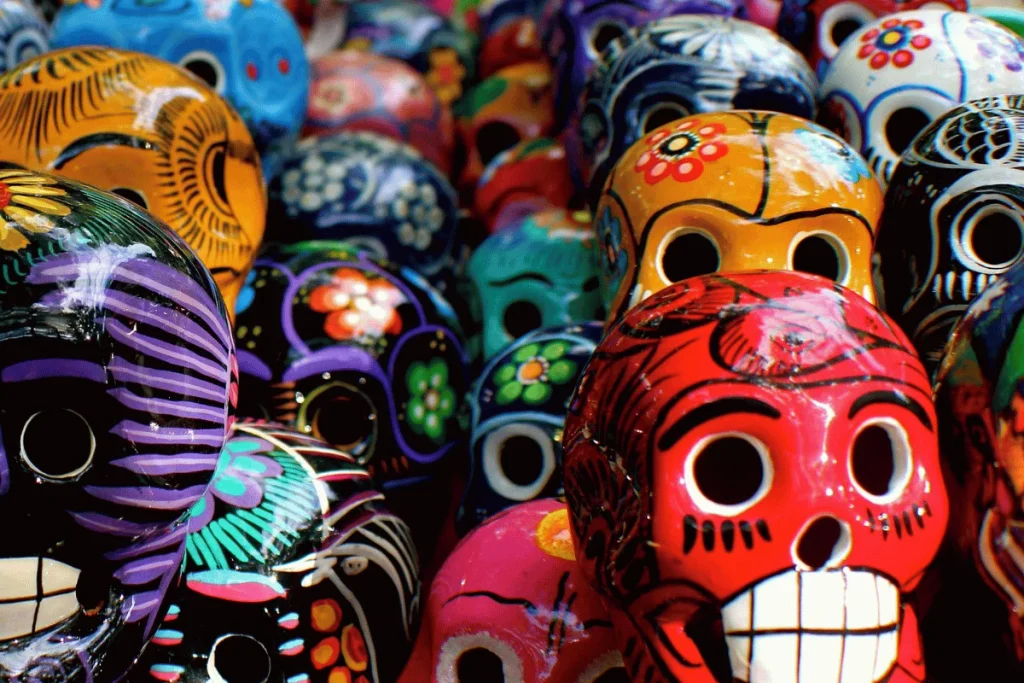
Mexico also has important December traditions, including celebrations around the Virgin of Guadalupe, Christmas posadas, and Oaxaca’s Noche de Rábanos on December 23.
Best Time to Visit Mexico by Region
Cancún and Riviera Maya
For Cancún, Tulum, Playa del Carmen, and the Riviera Maya, November through April is a useful broad window for travelers who prioritize drier beach weather.

January through April can be busy, while late spring and summer require more attention to rain, humidity, hurricane season, and current sargassum conditions.
Mexico City and Central Mexico
Mexico City, Guadalajara, and Puebla have more moderate conditions than tropical coastal destinations.
City breaks can work throughout much of the year, although wetter months may bring afternoon rain. November through spring is convenient for walking tours, museums, architecture, food, and outdoor sightseeing.
Oaxaca and Southern Mexico
Oaxaca is attractive throughout much of the year for food, markets, archaeology, and cultural experiences.
The drier months can make walking and sightseeing easier, while July is particularly interesting for travelers planning around Guelaguetza.
Late October and early November can also be important for travelers interested in Día de los Muertos traditions.
Pacific Coast
Destinations such as Puerto Vallarta, Mazatlán, and Huatulco have seasonal patterns that differ from the Caribbean coast.
The drier months are generally convenient for outdoor activities and beach trips, while summer and early autumn require greater attention to rainfall and Pacific tropical cyclone activity.
Baja California
Baja California combines desert landscapes, beaches, and marine experiences, so it should not be planned using Caribbean weather assumptions.
Winter is particularly notable for wildlife-focused travel, including whale-watching opportunities in suitable locations, while other periods can appeal to travelers interested in sunshine, water activities, or quieter travel.

For a broader shortlist of destinations across all these regions, see our 10 Best Places to Visit in Mexico.
Best Time to Visit Mexico by Travel Style
Beach Vacations
For a classic beach holiday, November through April is a practical starting point for many destinations.

The Caribbean side is particularly popular during the drier months, while Pacific destinations follow their own seasonal patterns.
For Tulum and the Riviera Maya, check recent beach conditions close to your travel dates, especially during spring and summer.
Culture and Festivals
Mexico’s cultural calendar makes year-round travel possible.
November stands out for Día de los Muertos, while July is particularly notable in Oaxaca because of Guelaguetza. October and December also bring important cultural and religious events in different regions.
Wildlife and Nature
The ideal timing depends on the species and location.
Baja California is especially important during winter for whale-watching, while other ecosystems offer different wildlife experiences throughout the year.
For hiking and road trips, drier months can simplify planning in many regions.
Budget Travel
Travelers focused on value may want to investigate the shoulder and wetter seasons.
May through October can offer lower demand in some destinations, although prices vary by hotel, destination, holidays, events, and local demand.
Comparing several nearby travel dates is often more useful than assuming one month will always be the cheapest.
Hurricane and Sargassum Season
Hurricane Season
The official Atlantic hurricane season runs from June 1 through November 30, while the eastern Pacific season runs from May 15 through November 30.

The key question for travelers is not simply whether a month falls within hurricane season. What matters is whether your destination is exposed and whether an active tropical system is developing around your travel dates.
For coastal vacations, check the National Hurricane Center — Tropical Cyclone Climatology and local weather authorities before departure.
Sargassum Season
Sargassum is mainly a consideration for Mexico’s Caribbean coast.
Its arrival can vary from one beach to another and from one week to the next, so a generic monthly calendar should not be treated as a guarantee of clear beaches.
Travelers planning Cancún, Tulum, Playa del Carmen, or the Riviera Maya should check recent local beach reports, particularly from spring into summer.
This is one reason why recent destination information can be more useful than choosing a trip solely from historical averages.
Crowds, Prices, and Booking Tips
The dry season is popular because many travelers want warm conditions and less rain.
Christmas, New Year, spring vacation periods, and major festivals can increase demand in popular destinations.
If your dates are fixed, booking earlier can provide more accommodation and flight choices.
Shoulder Season
Late spring and autumn can provide a middle ground between peak demand and the wetter summer period.
You may find better value and fewer crowds, but weather becomes more variable.
Cheapest Time to Visit
There is no universally cheapest month across Mexico.
In many destinations, June through October can offer softer demand and potentially better accommodation value, although the exact price depends on local demand, holidays, events, and property type.
Flexible travelers can compare several departure and return combinations before choosing the final dates. Search Mexico flight deals here.
Best Time to Visit Popular Destinations
Cancún
For a sunny beach-focused trip, November through April is a useful window.
Travelers going from late spring through autumn should pay more attention to rain, hurricane risk, and sargassum.
Tulum
Tulum can work particularly well during the drier months when beach conditions are a major priority.
Spring and summer require more attention to current sargassum conditions, while September and October remain within the Atlantic hurricane season.
Puerto Vallarta
The drier part of the year is convenient for travelers combining beaches, restaurants, sightseeing, and outdoor activities.
Summer and early autumn travelers should monitor Pacific weather conditions because the eastern Pacific hurricane season continues through November 30.
Cabo San Lucas
Cabo’s desert-coast environment makes it different from tropical Caribbean destinations.
Winter and spring are popular for outdoor conditions, while other periods can appeal to travelers interested in marine wildlife, water activities, or a quieter pace.
Oaxaca
Oaxaca works well for food, markets, historic attractions, and cultural travel throughout much of the year.
July is particularly notable for Guelaguetza, while late October and early November can be important for Día de los Muertos traditions.
Looking for more inspiration beyond these five? Browse the full list in 10 Best Places to Visit in Mexico.
Frequently Asked Questions
What is the best month to visit Mexico?
There is no single best month for every destination.
November is a strong all-around option because many regions are entering the drier season and major cultural experiences take place around Día de los Muertos.
Beach travelers may prefer a different month depending on the coast, destination, and current conditions.
What are the rainy months in Mexico?
Mexico’s wetter period is commonly described as May through October, but rainfall patterns vary considerably.
Some tropical destinations receive strong but short showers, while central and northern regions follow different seasonal patterns.
When is hurricane season in Mexico?
The Atlantic hurricane season runs from June 1 through November 30, and the eastern Pacific hurricane season runs from May 15 through November 30. Activity typically peaks around late August (eastern Pacific) and September 10 (Atlantic). Check the National Hurricane Center for current-season tracking before a coastal trip.
What is the cheapest time to visit Mexico?
There is no single cheapest month for all destinations.
June through October can offer lower prices in some areas because demand is often softer than during the busiest dry-season periods.
Is November a good time to visit Mexico?
November can be an excellent all-around option for travelers interested in a mix of drier weather, cultural events, city sightseeing, and beach travel.
The ideal choice still depends on your destination and the experience you want from the trip.