
Best Places to Visit in Mexico
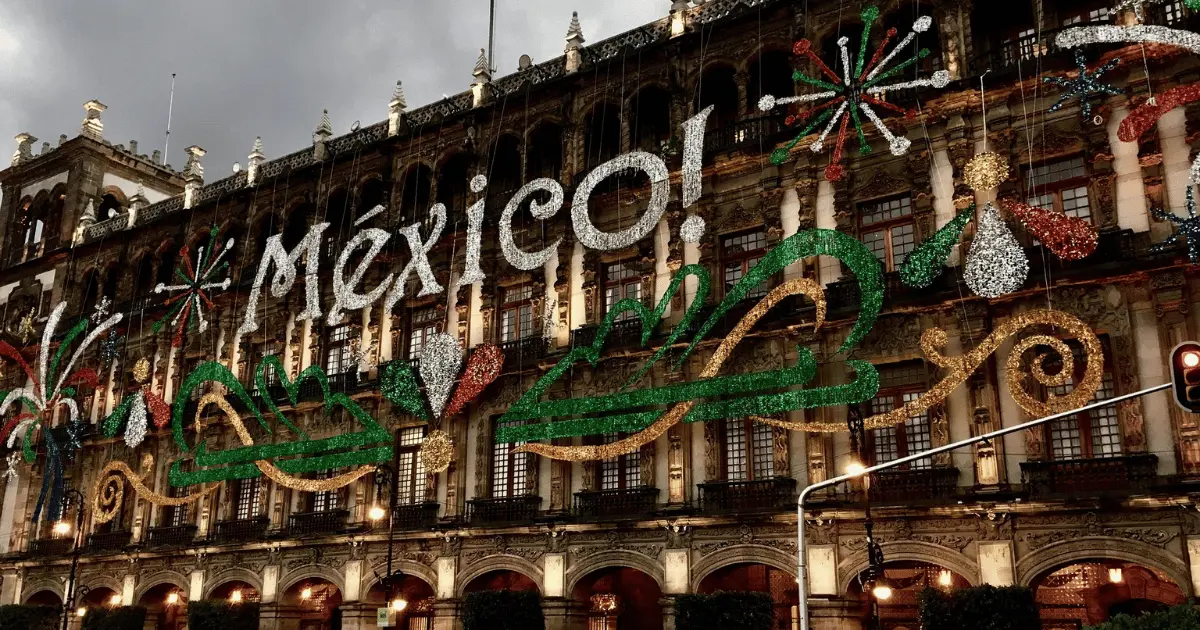
Mexico is one of the most diverse travel destinations in North America, combining ancient civilizations, colonial towns, Caribbean and Pacific beaches, extraordinary food, and landscapes that range from deserts to tropical coastlines. The best places to visit in Mexico depend on the kind of trip you want: some destinations are built for beaches and resorts, others for culture, food, history, or architecture.
Because Mexico is geographically large, choosing the right destination changes your trip completely. A beach vacation around Cancún or the Riviera Maya feels nothing like exploring Mexico City, Oaxaca, or the colonial streets of Guanajuato. This guide highlights 10 destinations that cover beaches, culture, food, history, romance, and relaxation — with practical notes on where to stay, how long to spend, and how to plan around them.
Quick Answer: Where Should You Go in Mexico?
The best places to visit in Mexico include Mexico City, Oaxaca, Cancún, Tulum, Riviera Maya, Puerto Vallarta, Los Cabos, Mérida, San Miguel de Allende, and Guanajuato.
For culture, food, and museums, Mexico City and Oaxaca are excellent starting points. Mexico City combines major museums, historic landmarks, and one of the country’s most varied food scenes, while Oaxaca is known for its cuisine, traditions, markets, and nearby archaeological heritage. UNESCO recognizes the historic centers of both as World Heritage properties.
For beaches and resort vacations, Cancún and the Riviera Maya offer Caribbean coastlines, while Tulum adds Maya archaeological sites, cenotes, and a boutique atmosphere. On the Pacific coast, Puerto Vallarta combines beaches with restaurants and nightlife, and Los Cabos suits travelers looking for upscale resorts and dramatic coastal scenery.
For colonial architecture and a slower cultural getaway, San Miguel de Allende and Guanajuato are two distinctive, UNESCO-recognized choices.
Planning tip: If your dates are flexible, book flights and key hotels 2–3 months out — prices in Tulum, Los Cabos, and the Riviera Maya climb fast between December and March.
Quick Comparison Table
| Destination | Best For | Ideal Stay | Travel Style |
|---|---|---|---|
| Mexico City | Culture, museums & food | 3–5 days | City & Culture |
| Oaxaca | Food, traditions & history | 3–4 days | Cultural |
| Cancún | Beaches & resorts | 3–5 days | Beach |
| Tulum | Beaches, cenotes & Maya sites | 3–4 days | Beach & Culture |
| Riviera Maya | Beaches, resorts & excursions | 4–6 days | Beach & Resort |
| Puerto Vallarta | Beaches, dining & couples | 3–5 days | Coastal |
| Los Cabos | Luxury, scenery & relaxation | 3–4 days | Luxury |
| Mérida | Culture, food & day trips | 3–4 days | Cultural |
| San Miguel de Allende | Architecture & romance | 2–3 days | Colonial |
| Guanajuato | History & architecture | 2–3 days | Cultural |
Map of the Best Places to Visit in Mexico
Use this map to see where the top destinations in Mexico are located and plan an itinerary that fits your travel style and available time.
Tip: Mexico is a large country, so check the distance between destinations before combining several regions in one trip.
The 10 Best Places to Visit in Mexico
Mexico City
Why Mexico City Belongs on Your List
Mexico City is the country’s best all-in-one destination — culture, history, food, museums, and urban energy in a single stop. The capital brings together historic landmarks, archaeological remains, major cultural institutions, traditional markets, and distinctive neighborhoods.
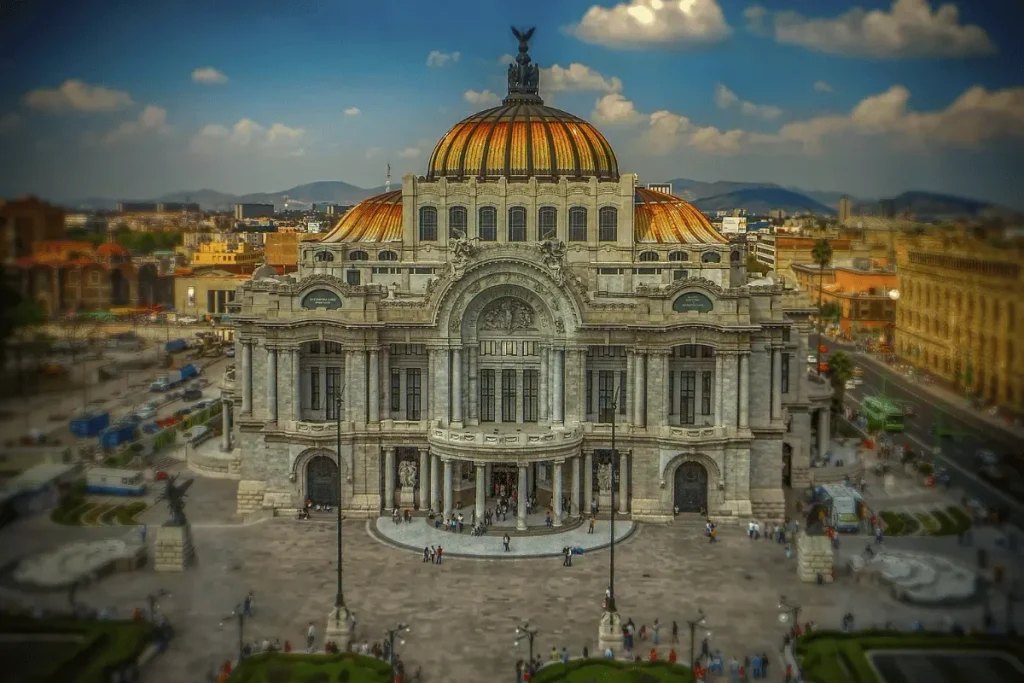
The Historic Centre of Mexico City and Xochimilco is a UNESCO World Heritage property. Don’t miss the Zócalo, Templo Mayor, the National Museum of Anthropology, Palacio de Bellas Artes, and the neighborhoods of Coyoacán and Roma.
Food is a destination in itself here. You can move from street-food stalls and taco counters to some of Latin America’s most acclaimed modern Mexican restaurants in the same afternoon — one of the reasons the capital keeps pulling repeat visitors back.
Who Should Prioritize Mexico City
- First-time visitors wanting a broad introduction to Mexico
- Museum and history lovers
- Food-focused travelers
- Couples who enjoy urban travel
- Architecture and neighborhood enthusiasts
Plan on three to five days for a first visit.
Where to Stay in Mexico City
For first-time visitors: Centro Histórico, Roma Norte, Condesa, or Polanco.
Centro Histórico puts you next to the major landmarks. Roma Norte and Condesa are best for restaurants, cafés, and walkable streets. Polanco suits travelers who want higher-end hotels and easy museum access.
Booking tip: Compare neighborhoods before booking — the experience shifts dramatically depending on where you sleep.
Oaxaca
Why Oaxaca Belongs on Your List
Oaxaca is Mexico’s strongest destination for food, tradition, crafts, and archaeology. The historic center mixes plazas, churches, markets, and colonial architecture, while Monte Albán delivers a major archaeological experience just outside town.

UNESCO recognizes the Historic Centre of Oaxaca and Monte Albán together as one World Heritage property. Food drives most itineraries here — mole, tlayudas, chocolate, and mezcal culture are reason enough to fly in.
Who Should Prioritize Oaxaca
- Food lovers
- Travelers interested in Indigenous and Mexican traditions
- History and archaeology enthusiasts
- Couples wanting a cultural getaway
- Visitors interested in crafts and local markets
A three-to-four-day stay covers the city plus one or two excursions.
Where to Stay in Oaxaca
The Centro Histórico is the easiest base — restaurants, markets, and cultural sites are all within walking distance. Prioritize proximity to the center if your trip is food-focused, since evening dining is a big part of the experience.
Cancún
Why Cancún Belongs on Your List
Cancún remains Mexico’s most recognizable Caribbean destination and the most straightforward choice for a classic beach vacation: long sandy beaches, warm turquoise water, large resorts, and easy access to excursions.
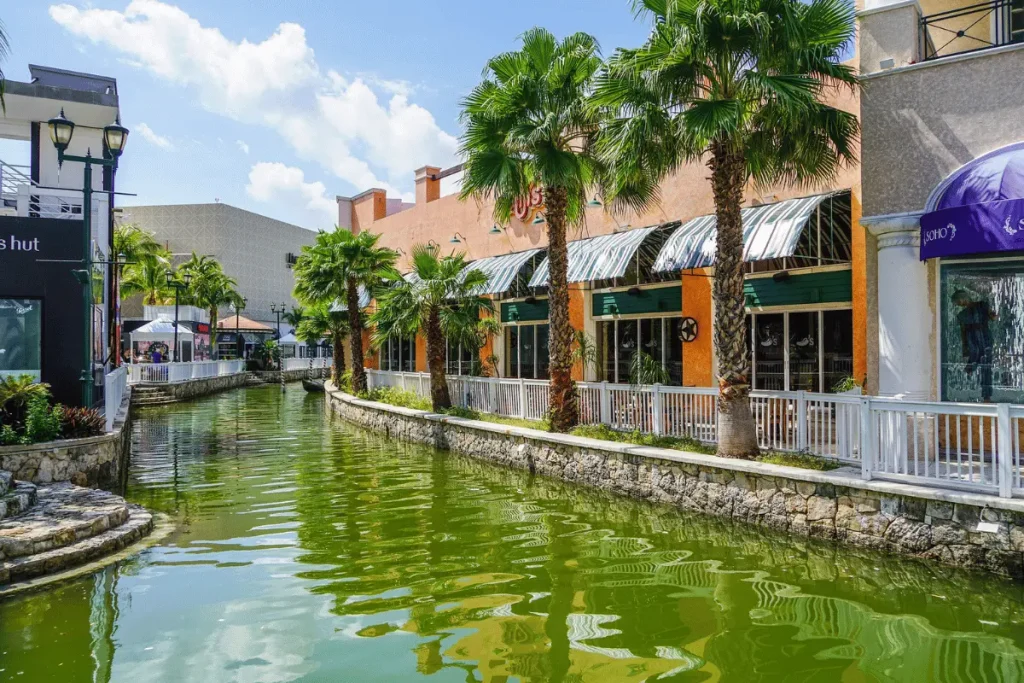
It also works well as a launch point for exploring the wider Yucatán Peninsula and Maya region.
Who Should Prioritize Cancún
- Beach lovers and resort travelers
- Families
- Couples
- First-time visitors wanting an easy coastal vacation
- Travelers interested in organized day trips
A three-to-five-day stay is enough for a classic beach trip.
Where to Stay in Cancún
The Hotel Zone is the go-to choice for beaches, resorts, and convenience. Travelers wanting more local restaurants and a less touristy feel should compare downtown Cancún instead.
Booking tip: When comparing resorts, always check what’s actually included — meals, airport transfers, activities, and cancellation terms vary enormously between listings that look identical on price.
Tulum
Why Tulum Belongs on Your List
Tulum pairs Caribbean beaches with Maya heritage, cenotes, boutique hotels, and a wellness-driven travel scene. Its clifftop archaeological site overlooking the coast gives it a cultural dimension most resort towns can’t match.
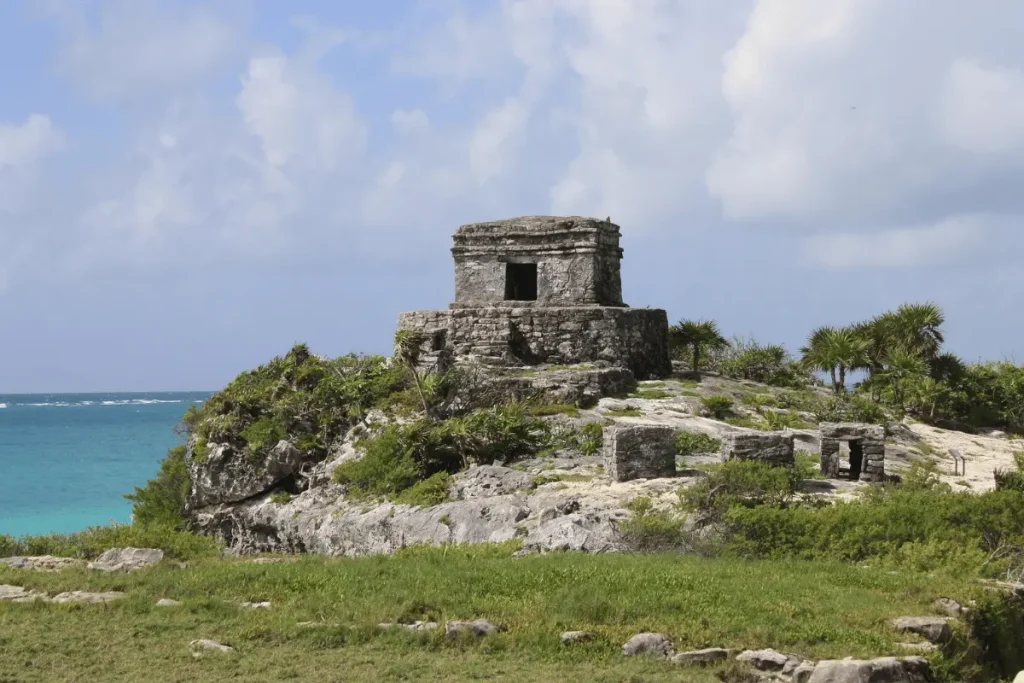
The experience depends heavily on where you base yourself: the beach strip is boutique and resort-oriented, while the town center offers more everyday restaurants and budget-friendly stays.
Who Should Prioritize Tulum
- Couples
- Beach travelers
- Travelers interested in Maya history
- Boutique-hotel seekers
- Wellness and lifestyle travelers
Plan around three to four days.
Where to Stay in Tulum
The beach zone suits travelers prioritizing the coast and resort-style stays. Tulum Pueblo is more practical for restaurants, shops, and lower-cost accommodation.
Riviera Maya
Why Riviera Maya Belongs on Your List
The Riviera Maya isn’t one city — it’s a stretch of Caribbean coastline covering Playa del Carmen, Puerto Morelos, Akumal, and Tulum. That range is its biggest strength: a single trip can combine resorts, cenotes, snorkeling, wildlife encounters, and Maya archaeological sites.
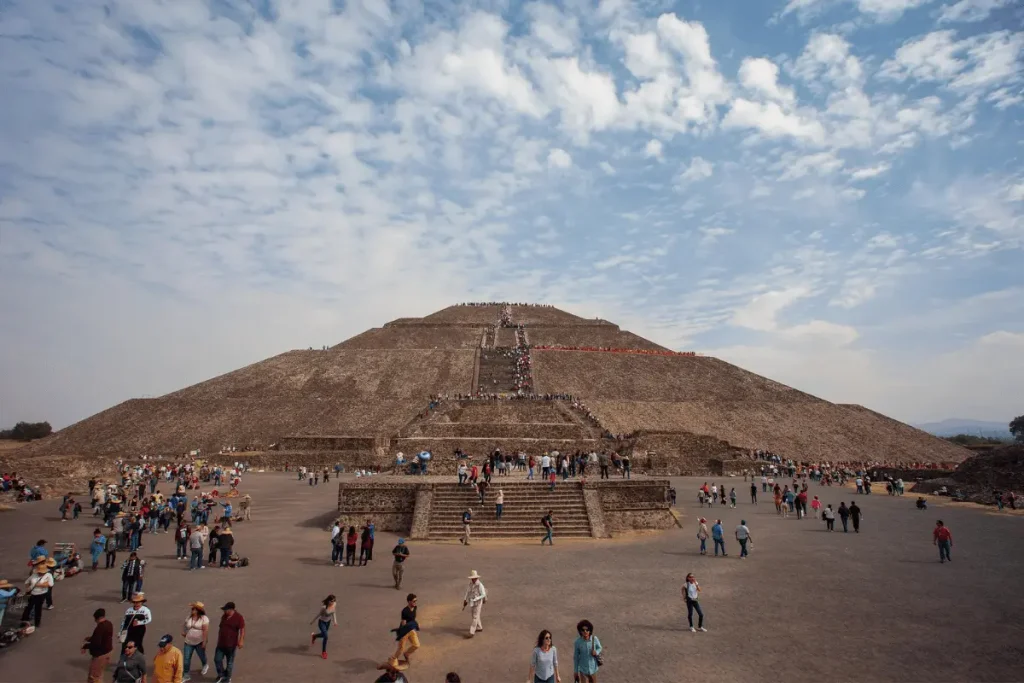
You can build either a pure relaxation trip or an activity-heavy itinerary from the same base.
Who Should Prioritize Riviera Maya
- Beach travelers, couples, and families
- Resort-vacation seekers
- Travelers interested in cenotes or Maya archaeology
- Visitors who want organized excursions
Allow four to six days for a balanced trip.
Where to Stay in Riviera Maya
Playa del Carmen works for restaurants, nightlife, and an active town feel. Akumal suits a quieter coastal stay. Tulum fits travelers combining beaches with boutique stays and culture.
Puerto Vallarta
Why Puerto Vallarta Belongs on Your List
On the Pacific coast, Puerto Vallarta combines beaches with restaurants, galleries, nightlife, and a historic waterfront atmosphere. The Malecón is the city’s signature landmark — waterfront views, public art, and pedestrian streets that make it easy to explore without a car.
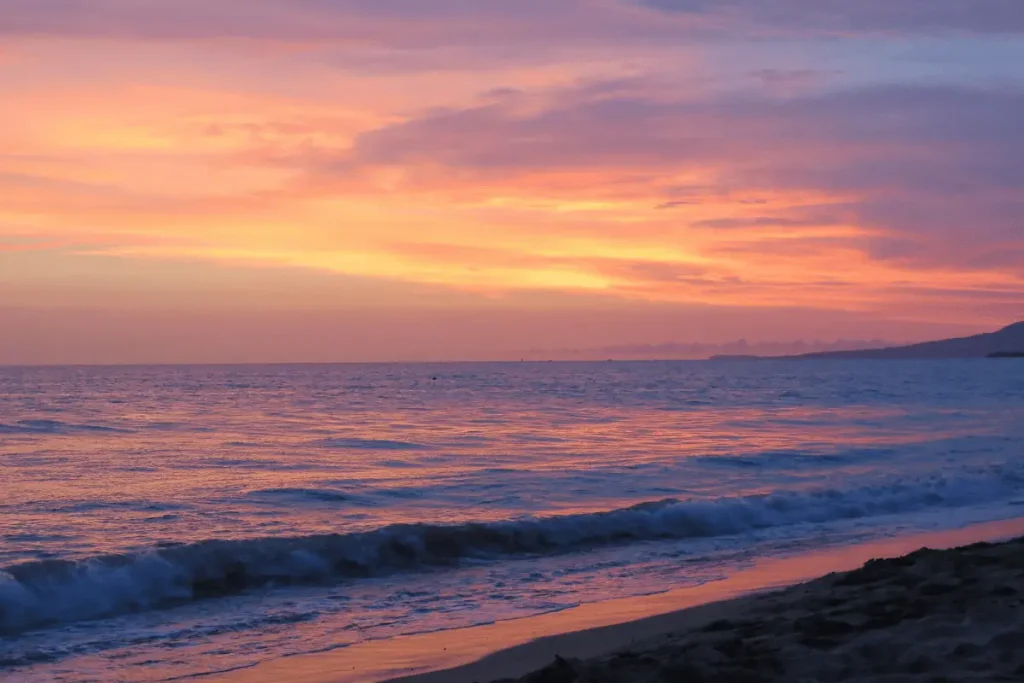
It also works as a base for boat trips and outdoor activities, so you’re not confined to a resort for the whole stay.
Who Should Prioritize Puerto Vallarta
- Couples and food lovers
- Beach travelers who enjoy nightlife
- Visitors who prefer a walkable town atmosphere
- Outdoor and adventure travelers
A three-to-five-day stay suits a first visit.
Where to Stay in Puerto Vallarta
Zona Romántica is best for restaurants, cafés, and nightlife. Centro puts you near the Malecón and historic streets. Resort areas farther north suit travelers wanting larger, self-contained properties.
Los Cabos
Why Los Cabos Belongs on Your List
Los Cabos has one of Mexico’s most distinctive coastal landscapes, where desert scenery meets the Pacific and the Sea of Cortez. It’s associated with upscale resorts, boating, golf, and dramatic coastal views.
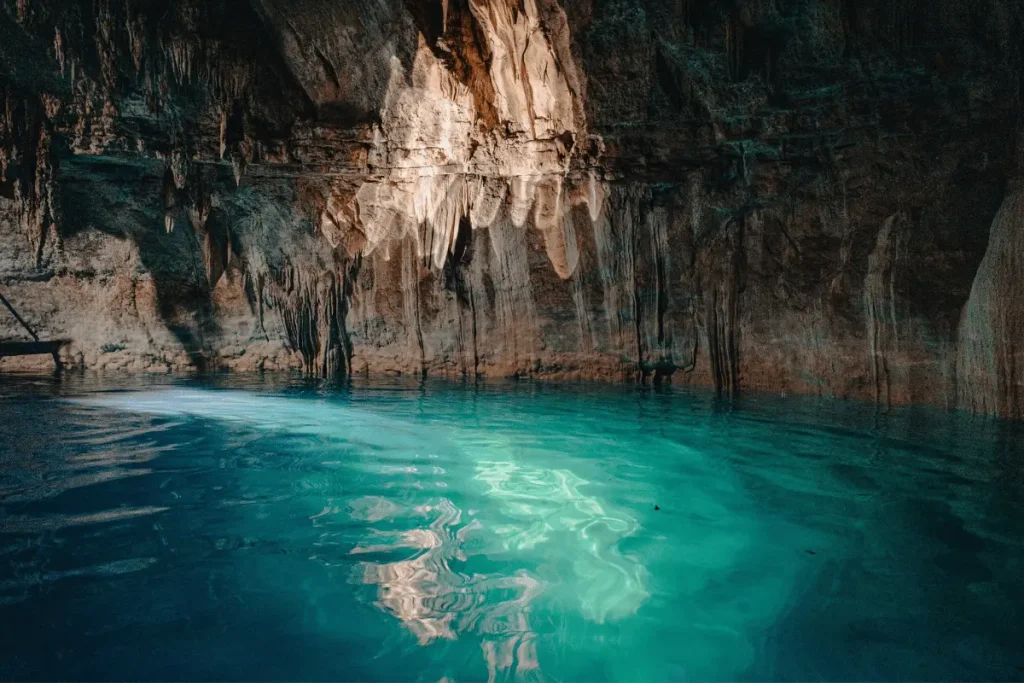
There are two bases: Cabo San Lucas, livelier and more resort-driven, and San José del Cabo, quieter with a historic center.
Who Should Prioritize Los Cabos
- Couples and luxury travelers
- Resort vacationers and golfers
- Travelers seeking relaxation
- Short, upscale getaways
A three-to-four-day stay works for a focused trip; five-plus days allows a slower pace.
Where to Stay in Los Cabos
Choose Cabo San Lucas for nightlife and marina access, or San José del Cabo for a quieter, historic-center base. Properties along the corridor between the two suit resort-only stays.
Mérida
Why Mérida Belongs on Your List
Mérida is the cultural anchor of the Yucatán Peninsula — colonial architecture, plazas, markets, and regional cuisine, with easy access to Maya heritage sites.
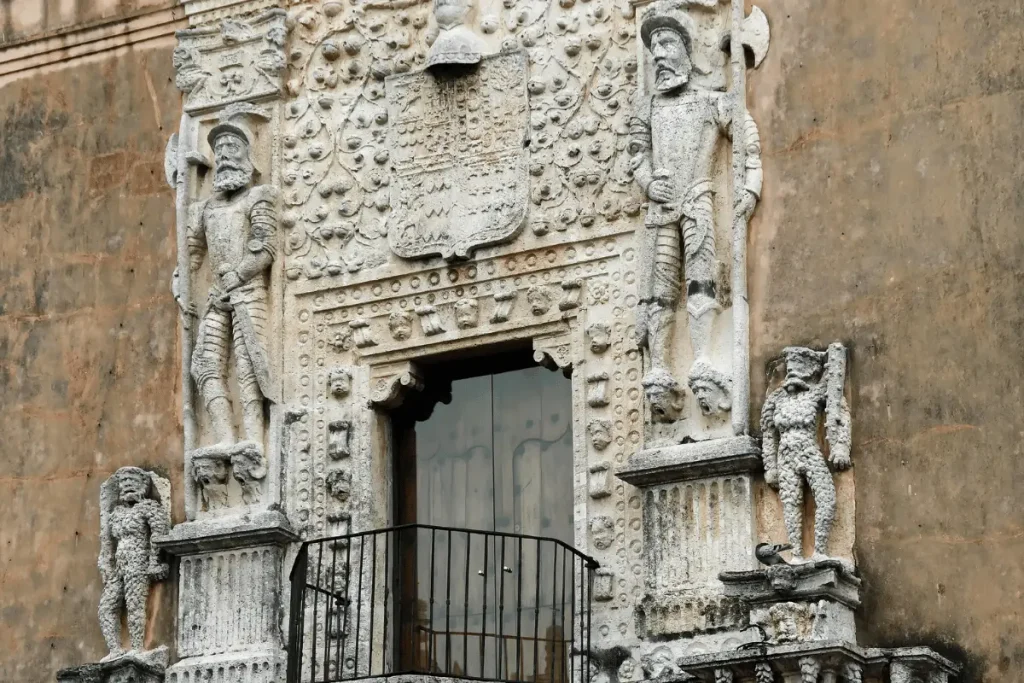
Its biggest advantage is being a base for day trips: Chichén Itzá, Valladolid, Izamal, cenotes, and Progreso are all reachable without changing hotels.
Who Should Prioritize Mérida
- Culture and food-focused travelers
- History enthusiasts
- Couples and slow travelers
- Visitors planning day trips or a Yucatán road trip
Plan for three to four days, longer if you want several excursions.
Where to Stay in Mérida
The Centro Histórico is the practical base — restaurants, plazas, and attractions within walking distance, especially useful if you’re exploring mostly on foot.
San Miguel de Allende
Why San Miguel de Allende Belongs on Your List
Colorful colonial buildings, cobbled streets, art galleries, and a distinctive skyline define San Miguel de Allende. It’s built for walking, sightseeing, and lingering over long dinners.
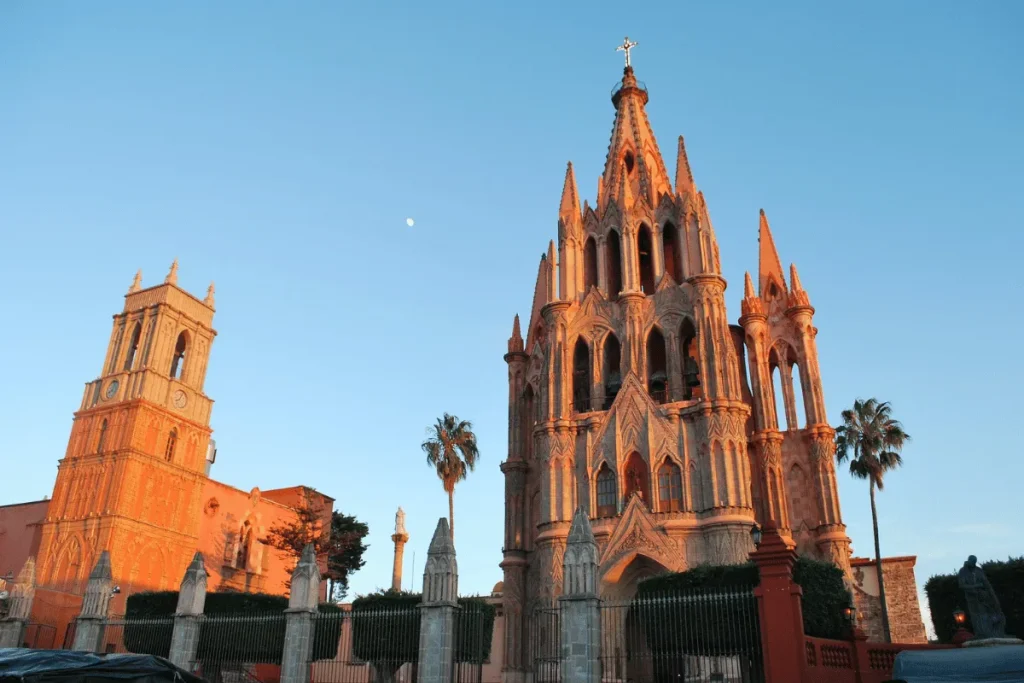
UNESCO recognizes the historic town and the Sanctuary of Jesús Nazareno de Atotonilco as a World Heritage property.
Who Should Prioritize San Miguel de Allende
- Couples and romantic getaways
- Architecture, art, and design lovers
- Food-focused travelers
- Visitors who enjoy walkable historic centers
A two-to-three-day stay covers the main sights.
Where to Stay in San Miguel de Allende
The historic center puts restaurants, plazas, and galleries within walking distance. For a quieter stay, compare properties just outside the busiest streets.
Guanajuato
Why Guanajuato Belongs on Your List
Guanajuato is one of Mexico’s most visually striking colonial cities — colorful buildings, steep streets, underground tunnels, and a dramatic valley setting. UNESCO lists the Historic Town of Guanajuato and Adjacent Mines as a World Heritage property.
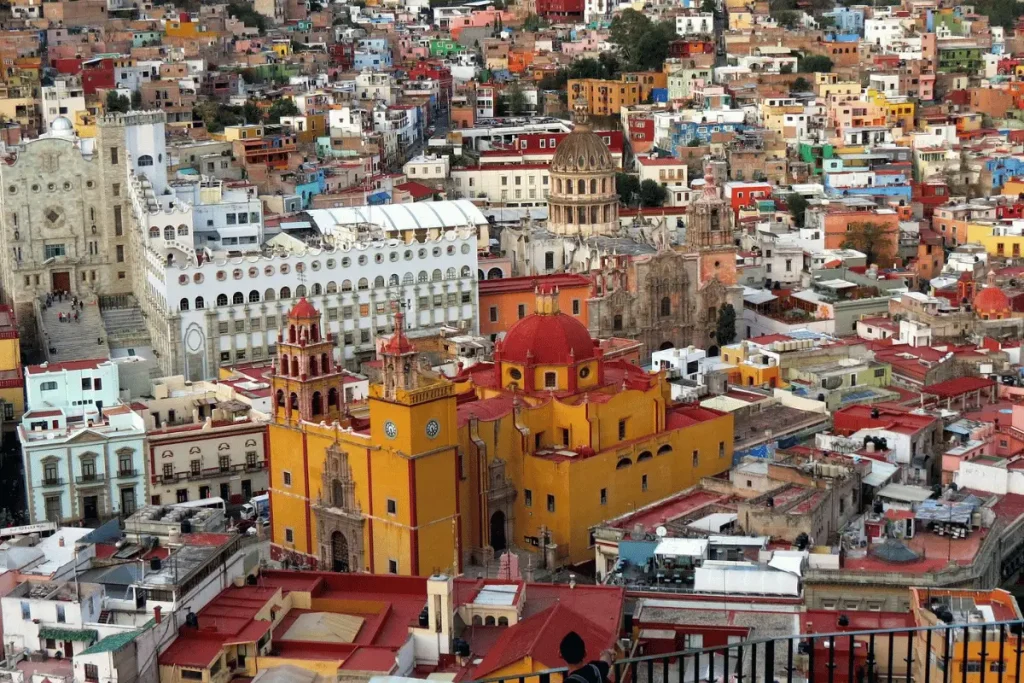
It rewards travelers who like exploring on foot and photographing architecture around every corner.
Who Should Prioritize Guanajuato
- History and architecture lovers
- Couples and photographers
- Visitors who prefer cultural city breaks
Plan for two to three days.
Where to Stay in Guanajuato
Stay close to the historic center for easy access to plazas and landmarks. The city’s steep streets and layout mean it’s worth checking your hotel’s exact location before booking.
Best Places to Visit in Mexico by Travel Style
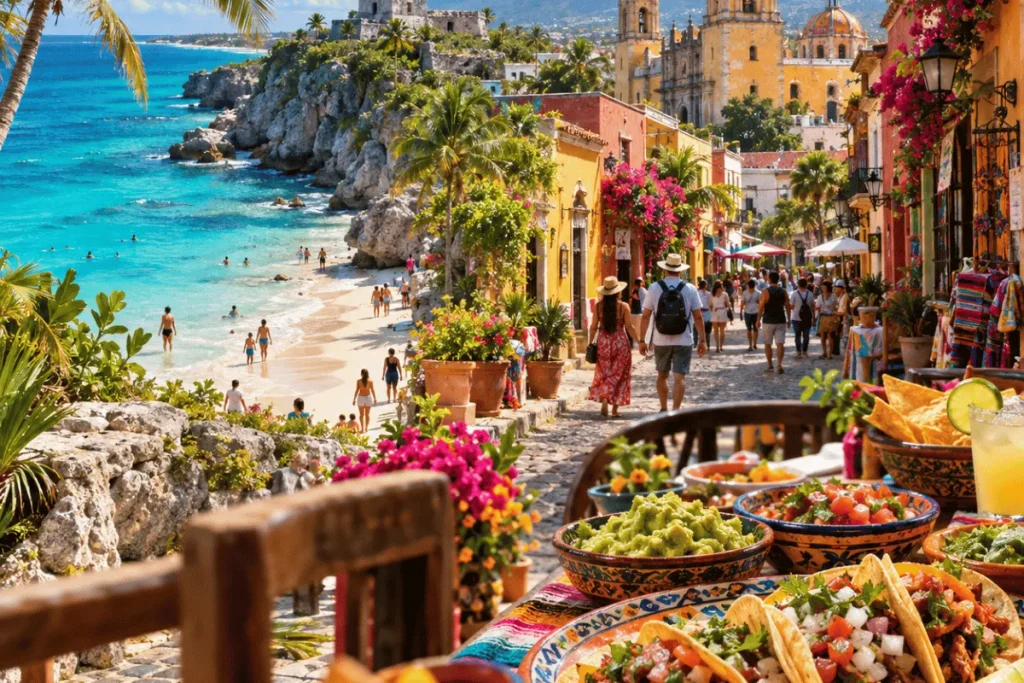
For Beaches
Cancún and the Riviera Maya for classic Caribbean resort trips; Tulum for beaches plus cenotes and Maya heritage; Puerto Vallarta and Los Cabos on the Pacific side.
For Culture and History
Mexico City for the broadest urban experience; Oaxaca for food, crafts, and Monte Albán; Mérida for Yucatán and Maya culture; San Miguel de Allende and Guanajuato for colonial architecture.
For Food
Oaxaca tops any food-focused itinerary; Mexico City has the largest and most varied dining scene; Mérida for Yucatecan cuisine; Puerto Vallarta for a strong international mix.
For Couples
San Miguel de Allende for a romantic, walkable colonial getaway. Bacalar — a quieter lagoon town not among the 10 primary picks here but increasingly popular for couples — is worth a dedicated look if you want something off the main circuit. For beach romance, Tulum, Puerto Vallarta, Los Cabos, and the Riviera Maya each offer a different mix.
For Families
Riviera Maya for resorts, beaches, and organized activities; Cancún for straightforward resort convenience; Mexico City for museums, parks, and urban experiences.
Best Time to Visit Mexico
There’s no single best month for the whole country — Mexico’s regions have very different climates. November through April is generally the driest, most comfortable window for beach trips, city breaks, and road trips across most of the country. May and June can bring warmer weather and lower-season pricing in some destinations, while the wetter months from June through October still work for travelers comfortable with heat and occasional rain — and often come with lower hotel rates.
Always check the specific pattern for your destination: Caribbean, Pacific, central, and northern Mexico don’t move on the same calendar.
Planning Your Trip
How Much Does a Trip to Mexico Cost?
Costs vary widely by region and travel style, but as a rough daily guide per person (excluding flights):
- Budget: $40–$70/day — hostels or budget hotels, street food and local eateries, public transport
- Mid-range: $100–$180/day — boutique hotels or 3–4 star resorts, mix of restaurants, some tours
- Luxury: $250+/day — upscale resorts in Los Cabos, Tulum, or Riviera Maya, private tours, fine dining
Resort towns (Cancún, Tulum, Los Cabos) run noticeably more expensive than colonial cities like Oaxaca, Mérida, or Guanajuato, where $60–$90/day covers a comfortable mid-range trip.
Practical tip: Travel insurance is worth budgeting for on any Mexico trip, particularly if your plans include cenote diving, road trips, or remote excursions.
Getting Around Mexico
- Domestic flights are the fastest way to cover long distances (e.g., Mexico City to Cancún, or to Oaxaca).
- First-class buses (ADO, ETN) are comfortable, affordable, and well-suited to routes like Mérida–Cancún or Oaxaca–Mexico City.
- Rental cars make sense for the Yucatán (Mérida–Valladolid–Tulum) or colonial-city routes (San Miguel de Allende–Guanajuato), but aren’t necessary in dense cities like Mexico City or Oaxaca.
- Local SIM/eSIM is worth setting up before you land — connectivity in Mexico is generally reliable, and having data from the airport onward makes navigating rideshares and bus schedules much easier.
Where to Stay, Region by Region
In Mexico City, compare Centro Histórico, Roma Norte, Condesa, and Polanco based on your priorities. In Oaxaca and Mérida, stay near the historic center. For Cancún, Tulum, and the Riviera Maya, decide between a resort-only stay or a base near town. In Puerto Vallarta, compare Zona Romántica, Centro, and the resort corridor north of downtown. In Los Cabos, choose between Cabo San Lucas’ energy and San José del Cabo’s quieter pace. In San Miguel de Allende and Guanajuato, staying near the historic center makes sightseeing far easier.
When comparing hotels, look past the headline room rate — check location, included meals, transportation, resort fees, and cancellation policy.
How Many Days Do You Need?
- 3–4 days: One compact destination — Oaxaca, Mérida, San Miguel de Allende, or Guanajuato
- 5–7 days: A focused regional trip — Riviera Maya, Puerto Vallarta, Los Cabos, Cancún, Tulum, or Mexico City
- 10–14 days: Enough to combine experiences — Mexico City + Oaxaca, or several stops across the Yucatán and Caribbean coast
For a first trip, spending more time in one region beats cramming in frequent long-distance transfers.
How to Choose the Right Destination
Start with the experience you want, not the destination name:
- Mexico City — museums, food, history, city life
- Oaxaca — food, traditions, markets, archaeology
- Cancún — straightforward Caribbean beach and resort trip
- Tulum — beaches, cenotes, boutique stays, Maya heritage
- Riviera Maya — beaches, resorts, excursions, flexibility
- Puerto Vallarta — Pacific beaches, restaurants, nightlife
- Los Cabos — upscale resorts, dramatic scenery, relaxation
- Mérida — Yucatán culture, food, day trips
- San Miguel de Allende — colonial architecture, art, romance
- Guanajuato — historic architecture, distinctive colonial character
Frequently Asked Questions
Is Mexico safe to visit?
Safety conditions vary considerably across Mexico, so travelers should check the latest government travel advisory for the specific states and destinations on their itinerary. Stay in well-reviewed accommodation, use reputable transportation, and take additional care when traveling at night or visiting remote areas.
Do I need a visa to visit Mexico?
Many nationalities, including the US, Canada, UK, EU countries, and Australia, can enter Mexico visa-free for tourism for up to 180 days with a valid passport. Requirements vary by nationality, so check with the Mexican consulate or your airline before booking.
What currency is used in Mexico, and should I bring cash?
Mexico uses the Mexican peso (MXN). Cards are widely accepted in cities and resorts, but carrying some cash is useful for markets, small restaurants, and tips, especially in smaller towns like Oaxaca or Mérida.
What language is spoken in Mexico?
Spanish is the official language. English is widely spoken in major resort areas (Cancún, Riviera Maya, Los Cabos, Puerto Vallarta) but less so in smaller colonial towns — a few basic Spanish phrases go a long way.
Can I drink the tap water in Mexico?
Tap water is generally not recommended for drinking anywhere in Mexico. Bottled or filtered water is standard practice, and most hotels provide it.
What’s the best first-time Mexico itinerary?
For a first trip, pairing one culture-focused stop with one beach stop works well — for example, Mexico City + Oaxaca for culture and food, or Cancún + Tulum for a beach-and-culture combination.
Ultimately, the best places to visit in Mexico are the ones that match how you actually want to travel. The country’s biggest strength is variety — you can build a trip around beaches, food, history, romance, or a mix of all of them without trying to see everything in one visit.