
New York Travel Guide: Best Things to Do, Places to Visit & Travel Tips
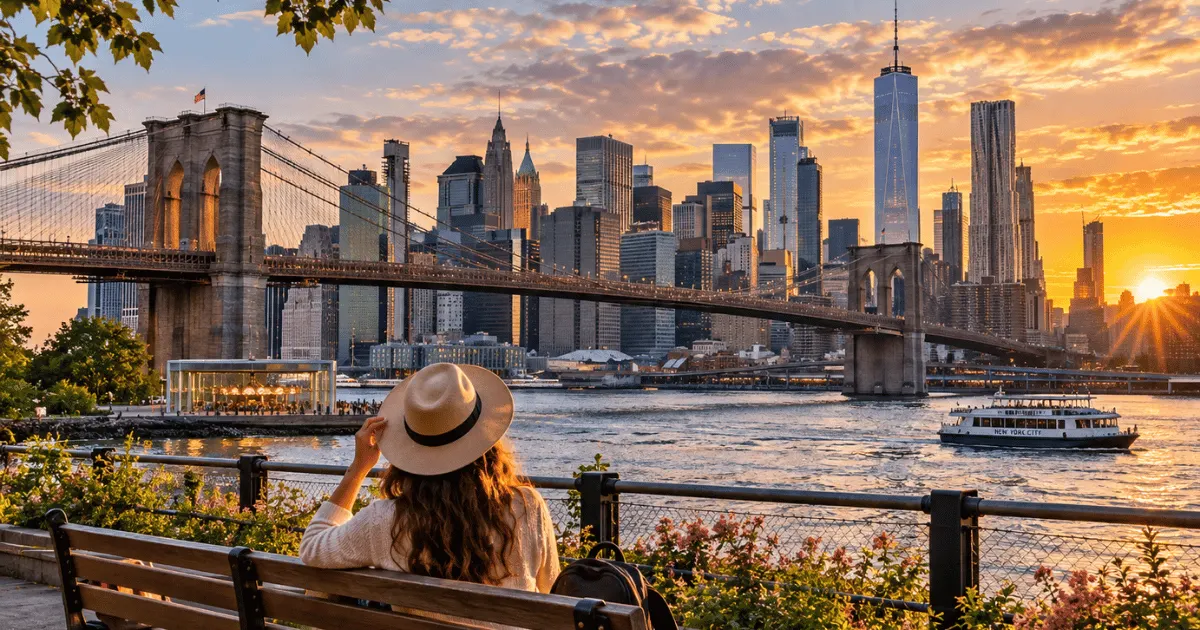
New York City is one of the world’s most exciting destinations, but planning a first trip can feel overwhelming. There is simply too much to see: famous landmarks, museums, Broadway, neighborhoods, restaurants, parks, shopping streets, and waterfront views.
This New York Travel Guide is designed to make the city easier to plan. It covers the best things to do, where to stay, the best time to visit, how many days you need, how to get around, what to eat, how to save money, airport transportation, day trips, and practical tips for first-time visitors.
The most useful strategy is to avoid treating New York like one giant sightseeing checklist. Choose a few priorities each day, group nearby attractions together, and leave enough time to enjoy the neighborhoods in between.
Why Visit New York City?
New York brings together an unusual mix of landmarks, culture, food, museums, entertainment, neighborhoods, and public spaces.
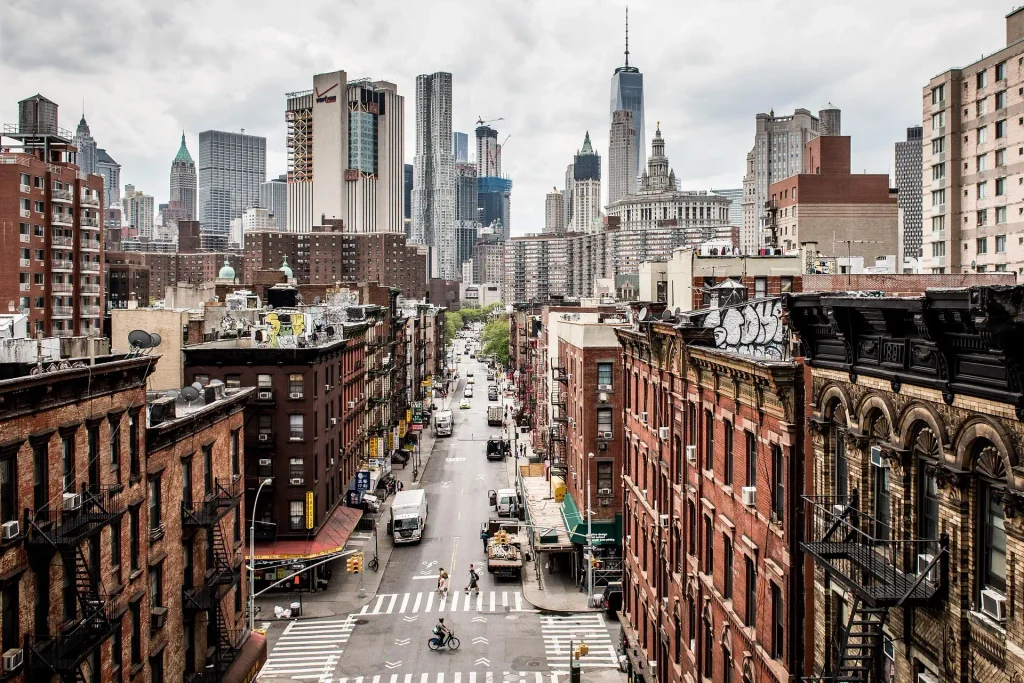
First-time visitors often come for famous sights such as the Statue of Liberty, Times Square, Central Park, the Empire State Building, and the Brooklyn Bridge. But the city becomes much more interesting when you go beyond the biggest attractions. If you’re comparing major U.S. cities for your trip, see our guide to the best cities to visit in the United States.
You might spend a morning in a museum, an afternoon walking through Greenwich Village or SoHo, and an evening at Broadway or Chinatown. Another day could focus on Brooklyn, the waterfront, and the views from the Brooklyn Bridge.
New York also works for different travel styles. Couples can build a trip around restaurants, neighborhoods, museums, and evening experiences. Families can combine parks, museums, observation decks, and major attractions. Solo travelers can explore comfortably using public transportation and walking.
For independent travelers, one of the city’s biggest advantages is the ability to combine walking with the subway and buses.
New York City at a Glance
| Category | Quick Guide |
|---|---|
| Best for | First-time city trips, food, culture, museums, nightlife |
| Recommended stay | 4–5 days for a first visit |
| Short trip | 2–3 days |
| Best time | Spring and fall for comfortable sightseeing |
| Summer | Warm, busy, and full of events |
| Winter | Cold, with a festive holiday atmosphere |
| Getting around | Subway, walking, buses, taxis, and some ferries |
| Car rental | Usually unnecessary for a city stay |
| Main airports | JFK, LaGuardia, and Newark |
| Best planning strategy | Group attractions by neighborhood |
For 2026, the New York City subway and local bus base fare is $3, while the MTA’s rolling seven-day fare cap is $35. The system uses OMNY, allowing travelers to pay with contactless cards, phones, wearables, or an OMNY card.
Best Things to Do in New York City
New York Travel Guide: Best Things to Do
New York has more attractions than most visitors can reasonably fit into one trip. Start with the landmarks that matter most to you, then build your days around their locations. For additional ideas and current visitor information, explore the official NYC Tourism & Conventions guide to New York City.

For a first visit, start with a few major sights such as Central Park, Times Square, the Statue of Liberty, the Brooklyn Bridge, and The Metropolitan Museum of Art.
Then build your days around location rather than trying to visit attractions in random order. This can save significant travel time and leave more room for walking, food, and spontaneous discoveries.
Some attractions also require advance planning. The Statue of Liberty, for example, is reached by ferry, and advance ticket planning is important, particularly if you want access to the pedestal or crown.
Popular Tours & Experiences
Tours are useful when you want more context than a simple visit can provide.
Popular experiences include:
- Harbor cruises
- Walking tours
- Food tours
- Architecture tours
- Museum experiences
- Broadway shows
- Guided landmark tours
A guided tour can be particularly helpful on a first trip when you want to understand the history of a neighborhood rather than simply take photos.

Before booking, compare the total price, duration, meeting location, cancellation terms, and transportation requirements. A lower-priced tour is not necessarily better value if it takes up most of your day.
Best Places to Visit in New York City
Times Square
Times Square is probably the most recognizable part of New York City, with huge digital billboards, Broadway theaters, bright lights, and constant crowds.

It is worth seeing, especially after dark, but you do not need to spend an entire day here.
A practical approach is to combine Times Square with Broadway, Bryant Park, Rockefeller Center, Fifth Avenue, or an evening theater performance.
Best for: First-time visitors, Broadway, nightlife, and photography.
Practical tip: Visit during the day and again after dark if your schedule allows. The atmosphere can feel very different.
Central Park
Central Park offers a completely different side of New York.
The huge urban park contains walking paths, lawns, lakes, bridges, gardens, playgrounds, and quiet places to sit away from the surrounding traffic.

You can spend one hour here or several hours depending on your plans. There is no need to try to see the entire park.
Central Park is also close to The Metropolitan Museum of Art, making the two easy to combine during the same day.
Best for: Families, walking, photography, relaxing, and outdoor activities.
Practical tip: Choose a specific entrance and a few places you want to see instead of trying to cover the entire park.
Statue of Liberty
The Statue of Liberty remains one of New York’s defining landmarks and a popular first-trip experience.

Liberty Island is accessible by ferry, with service from The Battery in Manhattan or Liberty State Park in New Jersey. Visitors planning pedestal or crown access need to pay close attention to ticket availability because those options are more limited.
The National Park Service also warns visitors to use authorized ticket sellers.
Best for: First-time visitors, history, photography, and harbor views.
Practical tip: Buy tickets through the authorized operator and plan ahead for additional access options.
Brooklyn Bridge
Walking across the Brooklyn Bridge combines sightseeing, outdoor time, and some of the city’s most recognizable views.

The bridge connects Manhattan and Brooklyn and offers views of the East River and Lower Manhattan.
After crossing, continue toward DUMBO and Brooklyn Bridge Park for another perspective on the skyline.
Best for: Walking, photography, couples, and first-time visitors.
Practical tip: Go earlier in the day for a quieter experience and wear comfortable shoes.
The Metropolitan Museum of Art
The Metropolitan Museum of Art, usually called The Met, is one of New York’s major cultural attractions.
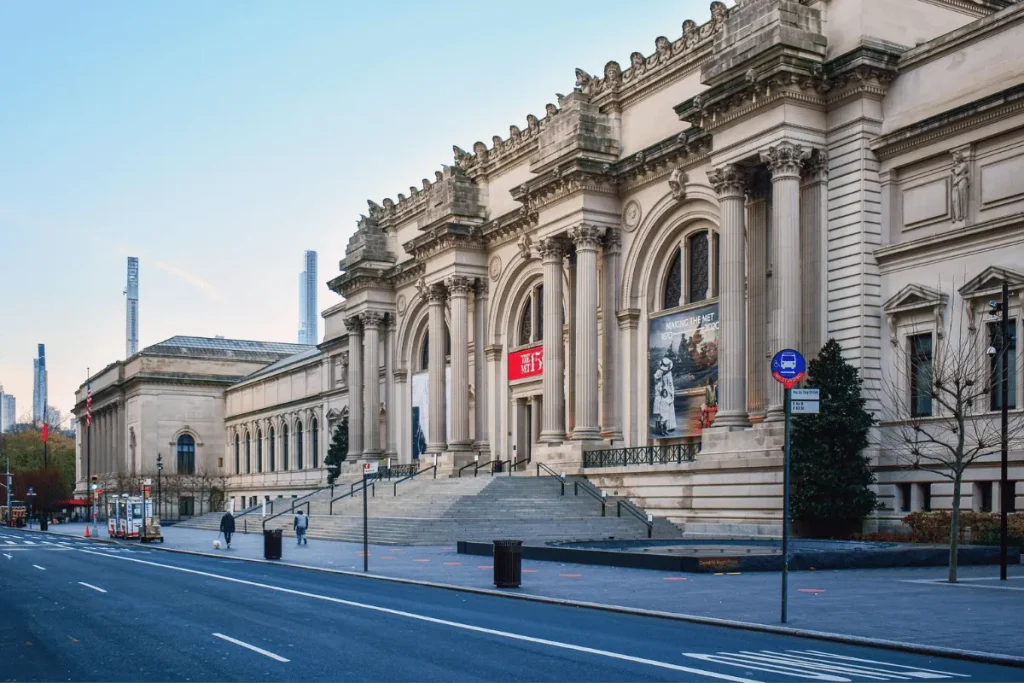
Its collections cover thousands of years of art from different cultures, regions, and historical periods. That scale is impressive, but it can also make a first visit feel overwhelming.
Instead of trying to see everything, choose a few galleries or sections before you arrive.
Best for: Art, history, museums, and rainy-day activities.
Practical tip: Give yourself several hours if museums are an important part of your trip.
Best Neighborhoods in New York City
One of the best ways to experience New York is to explore its neighborhoods rather than staying only around the most famous landmarks.
| Neighborhood | Best For | Atmosphere |
|---|---|---|
| Midtown | First-time visitors, Broadway, major sights | Central and busy |
| SoHo | Shopping, architecture, restaurants | Stylish and energetic |
| Greenwich Village | Cafés, restaurants, local atmosphere | Relaxed and historic |
| Chelsea | High Line, galleries, restaurants | Lively and creative |
| Upper West Side | Central Park, museums, quieter stays | Residential |
| Upper East Side | The Met, Central Park, museums | Residential and cultural |
| Lower Manhattan | Statue of Liberty area, Wall Street, Brooklyn access | Historic and central |
| Brooklyn | Skyline views, neighborhoods, food | Local and varied |
| Queens | Different neighborhoods and accommodation options | Diverse and less central |
Midtown Manhattan is convenient for first-time visitors because it provides access to Times Square, Broadway, Rockefeller Center, Fifth Avenue, and other major attractions.
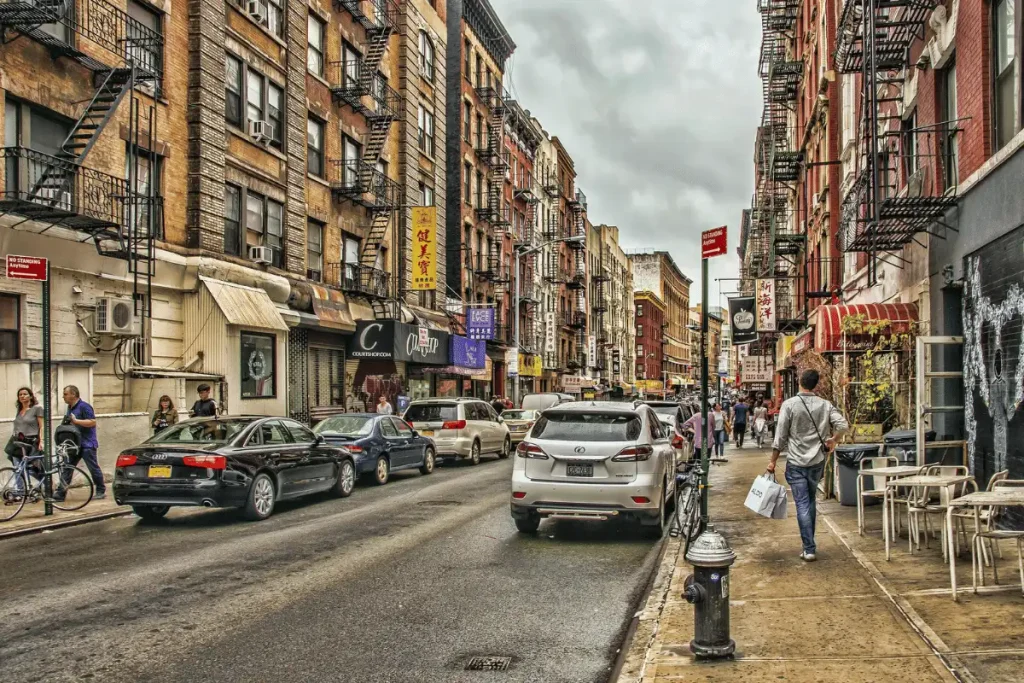
SoHo is known for architecture, shopping, galleries, and restaurants.
Greenwich Village offers a more neighborhood-oriented experience with cafés, restaurants, and small streets.
Chelsea is useful for visitors interested in the High Line, galleries, restaurants, and the Hudson River.
The Upper West Side and Upper East Side can be attractive for travelers who prefer a quieter base close to Central Park and museums.
Lower Manhattan works well for the Statue of Liberty ferry area, Wall Street, and access toward Brooklyn.
Across the river, areas such as DUMBO, Brooklyn Heights, and Williamsburg provide a different view of New York.
Where to Stay in New York City
Where you stay can have a major effect on how your trip feels.

A cheaper hotel farther away may not actually save money if you spend a large part of every day commuting. For a short visit, paying more for a convenient location can sometimes make the trip easier.
Best Areas to Stay
For first-time visitors, Midtown is convenient because many major attractions are relatively close.
For travelers interested in Central Park and museums, the Upper West Side and Upper East Side offer another option.
For food, nightlife, architecture, and a more neighborhood-focused stay, consider SoHo, Greenwich Village, Chelsea, or Lower Manhattan.
Brooklyn can also be a good choice if you prefer skyline views and a different atmosphere.
The most practical area is usually the one that keeps you close to the attractions you plan to visit most often.
Best Hotels
New York has accommodation for almost every travel style, from budget hotels to luxury properties.
Instead of choosing only by star rating, compare:
| Factor | What to Check |
|---|---|
| Location | Distance to subway and daily attractions |
| Reviews | Recent guest experiences |
| Price | Total cost including taxes and fees |
| Room | Size and sleeping arrangements |
| Cancellation | Refund and cancellation conditions |
| Transport | Access to subway and other transit |
For short stays, a smaller room in an excellent location can sometimes be more practical than a larger room that requires a long commute.
Travel booking tip: Compare current hotel prices and cancellation conditions before making a reservation, because New York accommodation prices can change significantly by date.
Best Time to Visit New York City
New York can be visited throughout the year, but each season offers a different experience.

Spring is comfortable for walking, museums, parks, and sightseeing.
Summer offers long days and many outdoor events, but temperatures can become hot and humid, while popular areas may feel crowded.
Fall is especially pleasant for walking through neighborhoods and spending time outdoors.
Winter is colder, but visitors can enjoy holiday decorations, seasonal events, ice skating, and a different atmosphere across Manhattan.
For many travelers, April–May and September–October provide a useful balance between comfortable sightseeing conditions and outdoor exploration.
New York City Weather
| Season | Typical Travel Feel |
|---|---|
| Spring | Mild and changeable |
| Summer | Warm to hot and sometimes humid |
| Fall | Comfortable for sightseeing |
| Winter | Cold, with occasional snow and shorter days |
Pack for walking rather than simply packing for the temperature.
Comfortable shoes are essential. Layers are useful in spring and fall, lightweight clothing helps in summer, and a warm coat is important in winter.
Before outdoor activities, check the short-term forecast because conditions can change.
How Many Days Do You Need in New York City?
For a first visit, 4–5 days is a practical target.
| Trip Length | What You Can Expect |
|---|---|
| 2 days | Major highlights at a fast pace |
| 3 days | Major attractions plus some neighborhoods |
| 4–5 days | Better balance of sights, food, museums, and neighborhoods |
| 7+ days | More boroughs, museums, neighborhoods, and possible day trips |
A two-day trip can work, but you will need to be selective.
Three days gives you more flexibility.
Five days makes it easier to combine landmarks with museums, neighborhoods, restaurants, and less structured time.
The key is not simply adding more days. It is avoiding an itinerary that repeatedly sends you across Manhattan.
New York City Itineraries
2-Day New York City Itinerary
Day 1: Times Square, Rockefeller Center, Fifth Avenue, Central Park, and the Theater District.
Day 2: Lower Manhattan, the Statue of Liberty area, Brooklyn Bridge, DUMBO, and Brooklyn Bridge Park.
This is a fast schedule, so avoid trying to visit every attraction inside.
3-Day New York City Itinerary
Day 1: Midtown, Times Square, Rockefeller Center, Fifth Avenue, and Central Park.
Day 2: Statue of Liberty, Lower Manhattan, the 9/11 Memorial area, and Brooklyn Bridge.
Day 3: The Met, the Upper East Side or Upper West Side, followed by Greenwich Village or SoHo.
This itinerary gives you a better balance between major sights and neighborhood exploration.
5-Day New York City Itinerary
Day 1: Times Square, Broadway area, Rockefeller Center, and Midtown.
Day 2: Central Park, The Met, Upper East Side, and nearby neighborhoods.
Day 3: Statue of Liberty, Ellis Island, Lower Manhattan, and the waterfront.
Day 4: Brooklyn Bridge, DUMBO, Brooklyn Heights, and Williamsburg.
Day 5: Greenwich Village, SoHo, Chelsea, the High Line, and a flexible evening for food, shopping, or another attraction.
Keep the schedule flexible enough to move activities around based on weather and reservations.
How to Get Around New York City
For most visitors, you do not need a rental car in New York City.
The subway is usually the most practical option for longer distances, while walking is ideal for exploring individual neighborhoods.

Buses can help when subway routes are inconvenient. Yellow taxis and app-based rides can also be useful when you have luggage or are traveling with several people.
The 2026 MTA system uses OMNY, with a $3 base fare for subway and local bus service and a $35 rolling seven-day fare cap.
A good strategy is to combine the two main modes:
Walk within a neighborhood → use public transportation → walk again at the next destination.
This keeps transportation efficient without missing the experience of being on the streets.
How to Save Money in New York City
New York can be expensive, but you can control a large part of your spending through planning.
Accommodation is often one of the biggest costs, so start by deciding how much location is worth to you.
Then mix ticketed attractions with free and low-cost activities.
Some options include:
- Walking across the Brooklyn Bridge
- Exploring Central Park
- Walking through neighborhoods
- Spending time in public spaces
- Enjoying waterfront areas
- Choosing affordable local restaurants
Food costs vary considerably. You do not need expensive restaurants for every meal to experience New York’s food culture.
Also be careful with attraction passes. Calculate how many attractions you would realistically visit before buying multiple passes.
Budget tip: Compare accommodation, attraction tickets, and transportation costs together rather than evaluating each expense separately.
What to Eat in New York City
New York’s food culture is one of the city’s biggest attractions.

Start with classics such as New York-style pizza, bagels, deli sandwiches, cheesecake, and street food.
Then explore the city’s international food scene.
Chinatown is a natural area for Chinese food, while Jackson Heights offers an especially diverse mix of South Asian and Latin American cuisines. Other neighborhoods reflect the traditions of communities from around the world.
You also do not need to plan every meal around famous restaurants. A busy neighborhood restaurant that fits your budget can be just as memorable.
When dining out, check menu pricing and disclosed fees before ordering.
New York City Culture & Customs
New York moves quickly, but visitors do not need to match the city’s pace every second.
When checking your phone near subway entrances or on busy sidewalks, step to the side rather than stopping in the middle of pedestrian traffic.
On escalators, leave room for people who want to pass when the setting allows it.
Tipping is common in restaurants and for many service workers, and some restaurant bills may include disclosed mandatory fees.
New York is also one of the world’s most diverse cities. Visitors can expect to encounter many different languages, cuisines, religions, cultural traditions, and communities.
For international travelers, it is useful to understand that New York City’s Human Rights Law provides protections against discrimination in many public and private settings.
Is New York City Safe for Tourists?
As with any major city, visitors should use normal urban awareness.
Keep your phone, wallet, passport, and other valuables secure, especially in crowded tourist areas and on public transportation.
Avoid leaving bags or personal belongings unattended, and be cautious when distracted by crowded attractions or street performances.
Pay particular attention to unofficial ticket sellers. Use authorized providers when booking major attractions.
For accommodation, use legitimate hotels or established booking platforms and review the property’s cancellation and payment conditions carefully.
Your experience can also vary by neighborhood and time of day, so stay aware of your surroundings and use official transportation information when necessary.
New York Travel Tips for First-Time Visitors
The biggest planning mistake is trying to do too much.
Choose a few major attractions each day and group them geographically. For example, Central Park and The Met work naturally together, while Brooklyn Bridge and DUMBO fit well into the same day.
Wear comfortable shoes. A New York sightseeing day can involve far more walking than expected.
Book high-demand attractions and shows ahead of time when reservations are available.
Use public transportation for longer distances and walk once you reach your chosen neighborhood.
Keep some flexibility in your schedule for weather, crowds, or an area that you unexpectedly enjoy.
And leave time for ordinary moments. Sitting in a café, walking through a neighborhood, or relaxing in a park can be just as memorable as visiting a major landmark.
Getting to New York City from the Airports
New York is served by three major airports:
- John F. Kennedy International Airport (JFK)
- LaGuardia Airport (LGA)
- Newark Liberty International Airport (EWR)
JFK
JFK is a major international gateway in Queens and connects to the city’s transportation system through AirTrain connections.

Because airport projects and transportation conditions can change, check current information before your arrival.
LaGuardia
LaGuardia is also in Queens and can be convenient for travelers staying in Manhattan or northern parts of the city, depending on the route.
Newark
Newark Liberty International Airport is located across the Hudson River in New Jersey.
Travelers using EWR can connect to rail services through the Newark Airport Train Station. During parts of 2026, AirTrain service has been affected by construction on certain weekdays, so checking current airport information is particularly important.
Airport tip: Compare travel time, cost, luggage requirements, and your hotel’s location before choosing between taxi, rideshare, train, bus, or airport-transfer options.
Best Day Trips from New York City
New York is large enough to fill an entire vacation, but several destinations can work as day trips.
Hudson Valley
The Hudson Valley offers hiking, river scenery, historic towns, and a slower pace than Manhattan.
Philadelphia
Philadelphia is accessible by train and offers a very different combination of American history, neighborhoods, museums, and urban attractions.
Washington, D.C.
Washington, D.C. is possible as a long day trip by rail, although an overnight visit is more comfortable if you want enough time for several museums and landmarks.
The Hamptons and Long Island
During warmer months, Long Island and the Hamptons offer beaches and coastal scenery.
For most first-time visitors, however, day trips make the most sense once you already have enough time planned for New York City itself.
New York City Map
A map is particularly useful in New York because the city makes more sense once you start thinking geographically.
Instead of choosing attractions randomly, organize your trip around clusters.
| Area | Main Places |
|---|---|
| Midtown | Times Square, Broadway, Rockefeller Center, Fifth Avenue |
| Upper Manhattan | Central Park, The Met, major museums |
| Lower Manhattan | Wall Street, Statue of Liberty ferry area, Brooklyn Bridge access |
| West Side | Chelsea, High Line, Hudson River |
| Brooklyn | Brooklyn Bridge, DUMBO, Brooklyn Heights, Williamsburg |
Planning by clusters reduces unnecessary transportation and gives you more time to explore on foot.
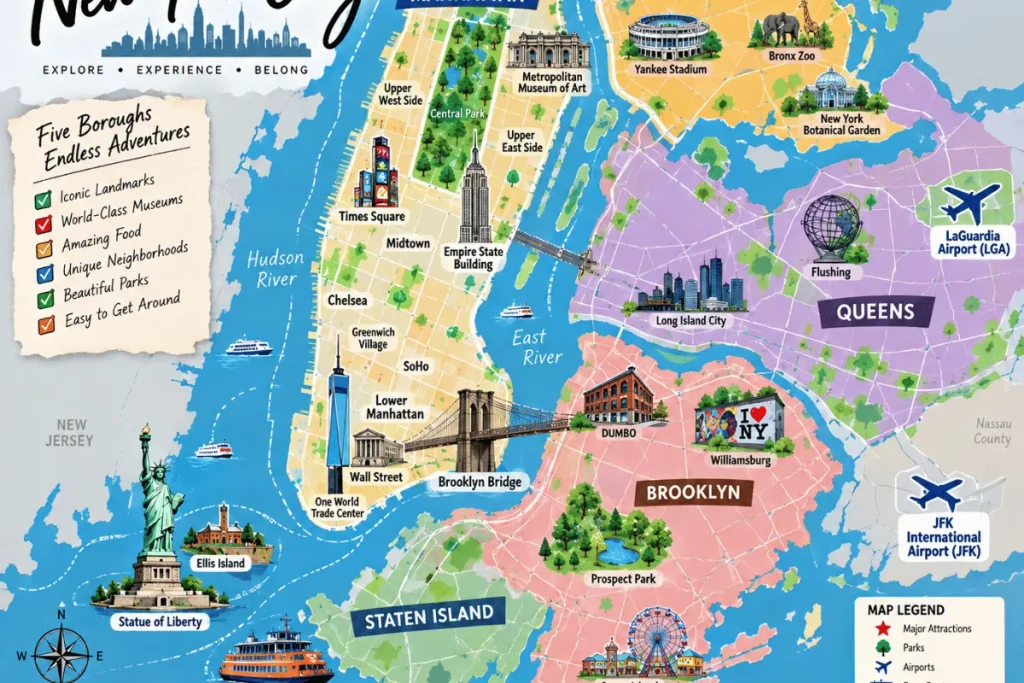
Suggested map: Add an interactive New York City map here showing the major attractions, neighborhoods, airports, and key visitor areas.
Frequently Asked Questions
Is New York City Worth Visiting for the First Time?
New York offers a broad mix of landmarks, museums, neighborhoods, food, entertainment, culture, and outdoor spaces.
The city can support very different types of trips, so your experience will depend largely on what you enjoy and how you organize your days.
How Many Days Are Enough for New York City?
Four to five days is a useful starting point for a first visit.
Two or three days can cover major highlights, while a week gives you more time for neighborhoods, museums, Brooklyn, additional attractions, and possible day trips.
What Is the Best Area to Stay in New York City?
For many first-time visitors, Midtown is convenient because of its central location and access to major attractions.
The Upper West Side, Upper East Side, Chelsea, SoHo, Greenwich Village, Lower Manhattan, and parts of Brooklyn can make sense depending on your itinerary and travel style.
The most practical choice is usually the area that keeps you close to the places you plan to visit most often.
What Is the Best Month to Visit New York City?
There is no single best month for every traveler.
April–May and September–October are often attractive for people who prioritize comfortable walking weather.
Summer offers longer days and many outdoor events, while winter can appeal to visitors who enjoy holiday decorations and seasonal activities.
Is New York City Easy to Explore Without a Car?
Yes. For most visitors, a rental car is unnecessary.
The subway, buses, walking, taxis, and other public transportation options make it possible to reach most major tourist areas without renting a vehicle.
Final Thoughts
A useful New York Travel Guide should do more than list famous places. The city becomes much easier to enjoy when you understand how its neighborhoods connect and organize each day around a manageable number of nearby experiences.
For a first visit, begin with a few major attractions such as Central Park, Times Square, the Statue of Liberty, Brooklyn Bridge, and The Met. Then leave room for neighborhoods, restaurants, museums, and the unexpected moments that make the city memorable.
Choose accommodation with convenient transportation, use the subway and walking as your main combination for getting around, and plan popular attractions ahead of time.
Most importantly, do not measure your trip by how many landmarks you can check off. Some of the best parts of New York happen between the famous sights: on a neighborhood street, inside a small restaurant, in a park, or simply while walking to your next destination.