
Best Places to Visit in Spain
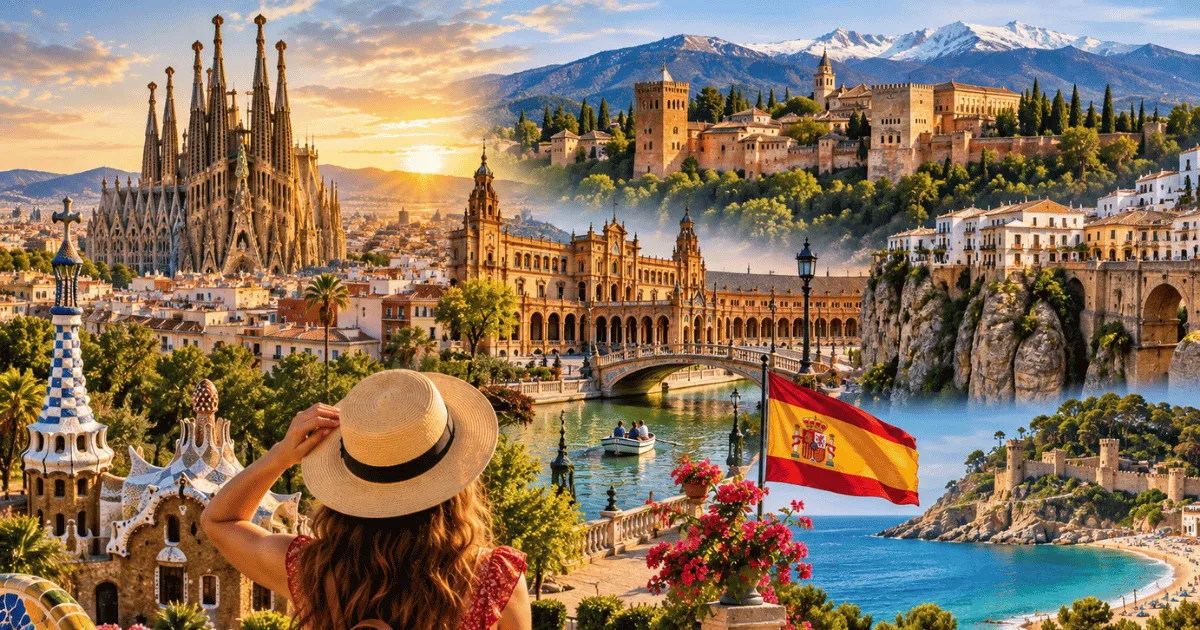
Spain is one of Europe’s most diverse travel destinations, combining historic cities, Mediterranean beaches, distinctive regional cultures, dramatic landscapes, and memorable food experiences. From Barcelona’s modernist architecture and Madrid’s world-class museums to the white villages of Andalusia and the beaches of Mallorca, Spain offers destinations for almost every type of traveler.
Choosing the best places to visit in Spain depends largely on what you want from your trip. First-time visitors often combine Madrid, Barcelona, and Seville, while couples may prefer Granada, Mallorca, or San Sebastián. Beach lovers can choose from the Mediterranean, Atlantic, Balearic Islands, and Canary Islands, while travelers interested in history can explore cities such as Córdoba and Toledo.
For a first visit, Madrid, Barcelona, and Seville provide three very different experiences: Spain’s capital and major museums, Catalan architecture and Mediterranean scenery, and the historic atmosphere of Andalusia.
This guide covers Spain’s top destinations, the best places for different travel styles, practical trip-planning advice, transportation options, and questions travelers commonly ask before visiting.
Best Places to Visit in Spain: Quick Comparison
| Destination | Best For | Ideal Trip Length | Highlights |
|---|---|---|---|
| Barcelona | Architecture & city breaks | 3–4 days | Sagrada Família, Gothic Quarter, beaches |
| Madrid | Museums & culture | 2–4 days | Prado Museum, Royal Palace, Retiro Park |
| Seville | Andalusian culture | 2–3 days | Alcázar, Cathedral, tapas, flamenco |
| Granada | History & couples | 2 days | Alhambra, Albaicín, Sierra Nevada |
| Valencia | Beaches & food | 2–3 days | City of Arts and Sciences, paella |
| Málaga | Beaches & city breaks | 2–3 days | Historic center, museums, Costa del Sol |
| San Sebastián | Food & scenery | 2–3 days | La Concha, pintxos, coastal views |
| Mallorca | Beaches & nature | 4–7 days | Palma, Serra de Tramuntana, coves |
The map below shows the main destinations featured in this guide, making it easier to understand their locations and plan a multi-city Spain itinerary.
Barcelona: Gaudí, Beaches and City Life
Barcelona combines Mediterranean beaches with remarkable architecture, historic neighborhoods, museums, food markets, and a lively urban atmosphere. For many travelers, the city’s biggest attraction is the work of Antoni Gaudí, especially the Sagrada Família and Park Güell.

The Gothic Quarter provides a completely different experience, with narrow medieval streets, historic buildings, small squares, and restaurants. La Rambla, the waterfront, and the city’s beaches add a coastal dimension to the urban experience.
Barcelona works especially well for travelers who want to combine sightseeing with restaurants, shopping, nightlife, architecture, and time by the sea.
Best for: Architecture, culture, food, beaches, first-time visitors.
Madrid: Museums, Culture and Spanish City Life
Madrid is Spain’s capital and a major destination for travelers interested in art, history, food, and city life. The Prado Museum, Royal Palace, Plaza Mayor, and Retiro Park are among its best-known attractions.
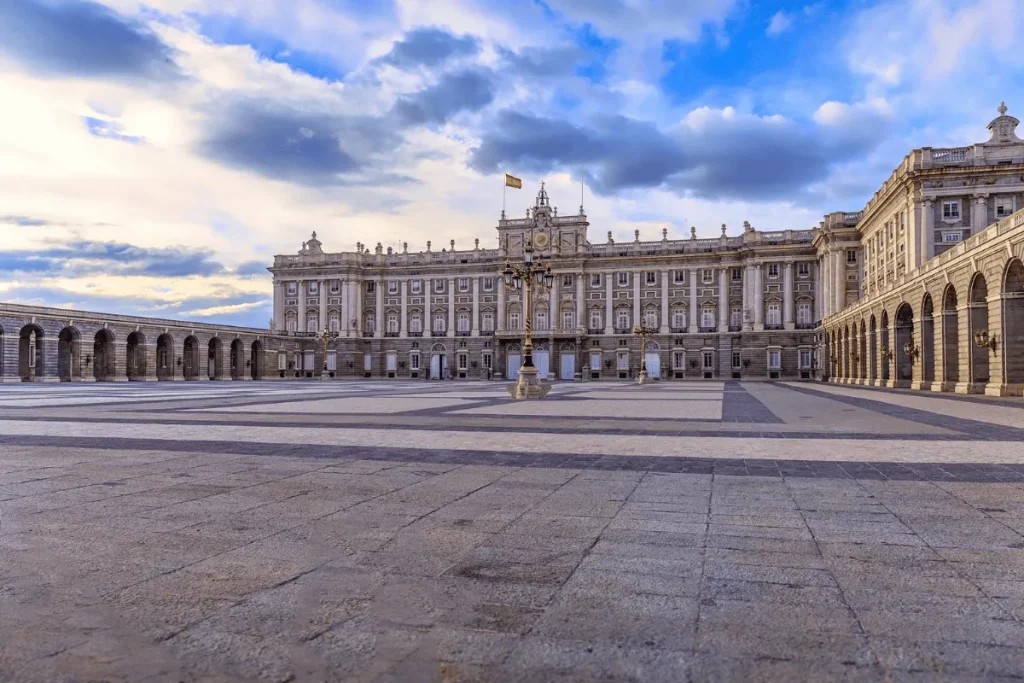
The city also offers an excellent introduction to Spanish dining culture, with traditional restaurants, tapas bars, food markets, and late-evening dining forming an important part of the local experience.
Madrid’s central position also makes it useful for a wider Spain itinerary, especially when traveling by train to other major cities.
Best for: Museums, culture, food, nightlife, city breaks.
Seville: Andalusian History, Architecture and Flamenco
Seville captures many of the experiences travelers associate with Andalusia. Its historic center is filled with architectural landmarks, orange-tree-lined streets, traditional tapas bars, and atmospheric plazas.
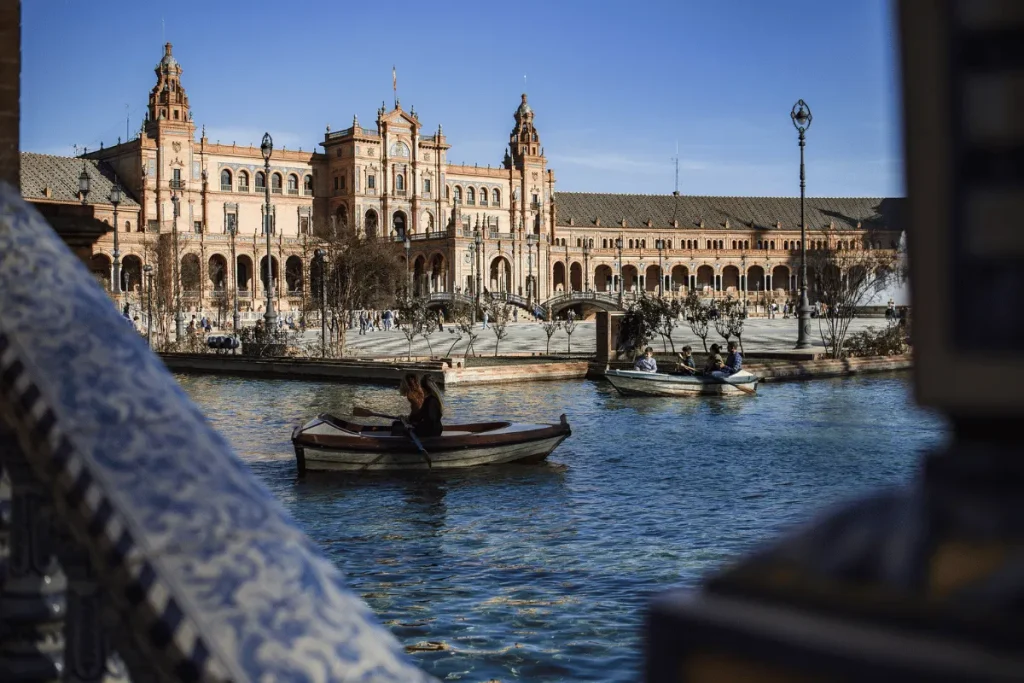
The Royal Alcázar, Seville Cathedral, and Plaza de España are among the city’s major highlights. Seville is also strongly associated with flamenco, making it an appealing destination for travelers interested in Andalusian traditions.
Spring and fall can be particularly comfortable for travelers who plan to spend much of the day walking between attractions.
Best for: History, architecture, flamenco, food, couples.
Granada: The Alhambra and Historic Neighborhoods
Granada is best known for the Alhambra, one of Spain’s most important historic attractions. The palace and fortress complex combines Islamic architecture, gardens, courtyards, and centuries of history above the city.

Beyond the Alhambra, the Albaicín neighborhood is worth exploring for its narrow streets, traditional buildings, and views toward the historic complex. Granada also has a strong tapas culture and sits close to the Sierra Nevada mountains.
The city is especially appealing to travelers who want a smaller urban experience with major cultural and historic attractions.
Best for: History, architecture, couples, mountain scenery.
Valencia: Beaches, Paella and Modern Architecture
Valencia offers a balance between historic attractions, modern architecture, beaches, and Mediterranean food. The city is closely associated with paella, which originated in the Valencia region.
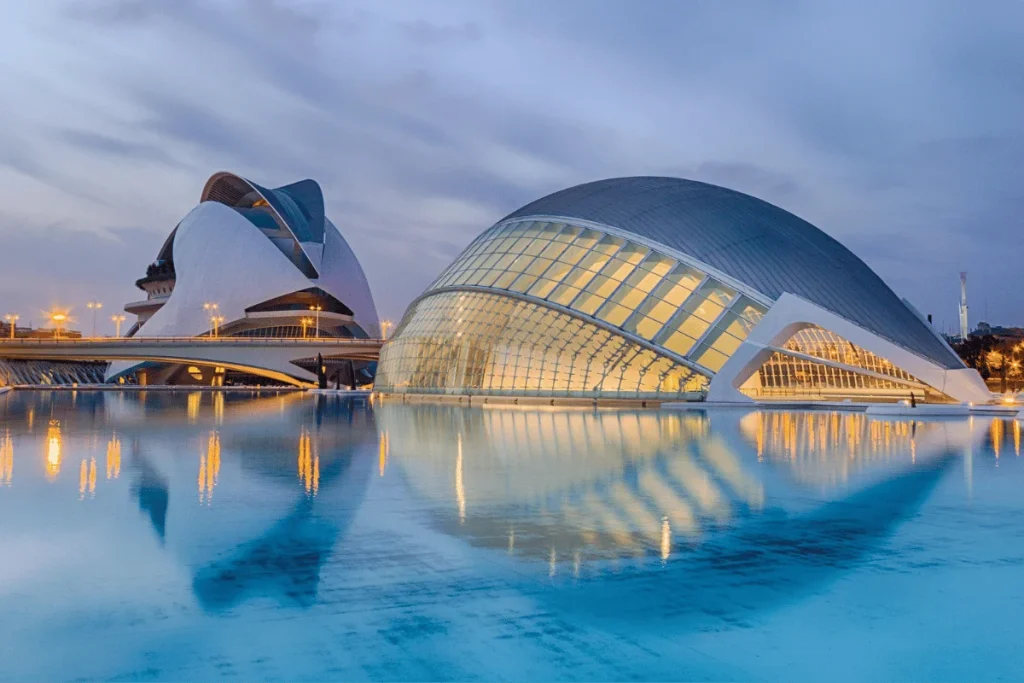
The City of Arts and Sciences provides some of Valencia’s most recognizable modern architecture, while the historic center offers traditional streets, markets, churches, and plazas.
The city’s beaches make it easy to combine sightseeing with time beside the Mediterranean, giving Valencia a different feel from Spain’s more inland cultural centers.
Best for: Beaches, food, architecture, families, city breaks.
Málaga: Costa del Sol Beaches and Culture
Málaga is one of the major destinations on Spain’s Costa del Sol, but it offers much more than a traditional beach vacation. Its historic center, museums, restaurants, waterfront, and cultural attractions make it a versatile destination for a city break.
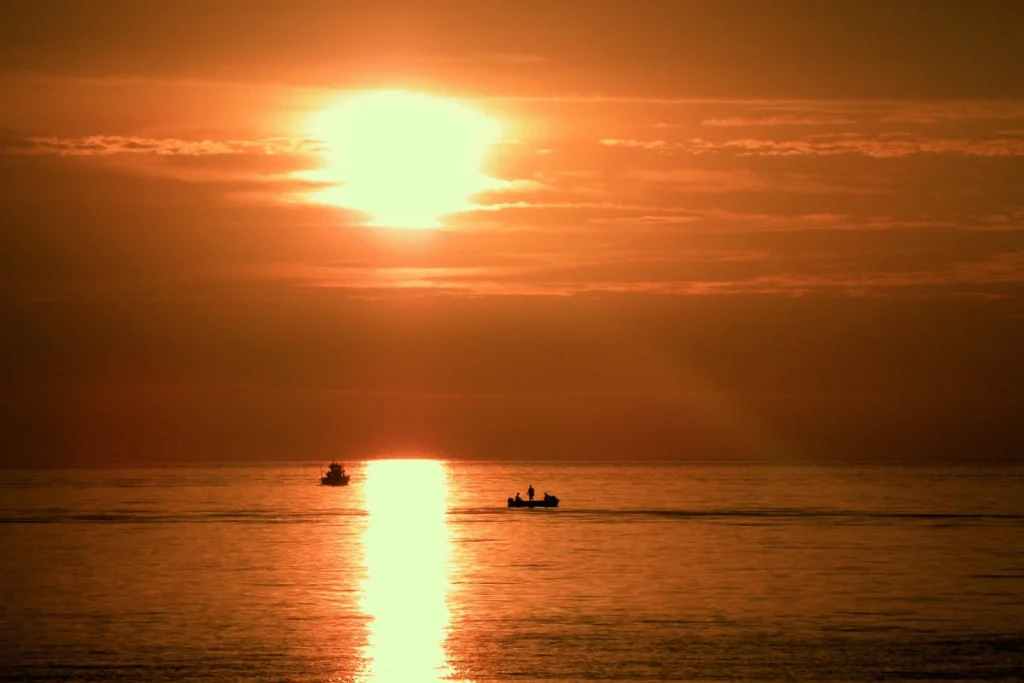
Visitors can explore the Alcazaba, Roman Theatre, Málaga Cathedral, and waterfront before spending time on nearby beaches. Málaga also works well as a base for exploring other parts of Andalusia.
Its combination of culture, coastal scenery, and convenient access to southern Spain makes it useful for travelers with different itineraries.
Best for: Beaches, culture, museums, warm-weather trips.
San Sebastián: Coastal Scenery and Pintxos
San Sebastián, in Spain’s Basque Country, combines a beautiful coastal setting with a renowned food culture. La Concha Bay is the city’s signature landscape, while the surrounding hills provide panoramic views over the coastline.
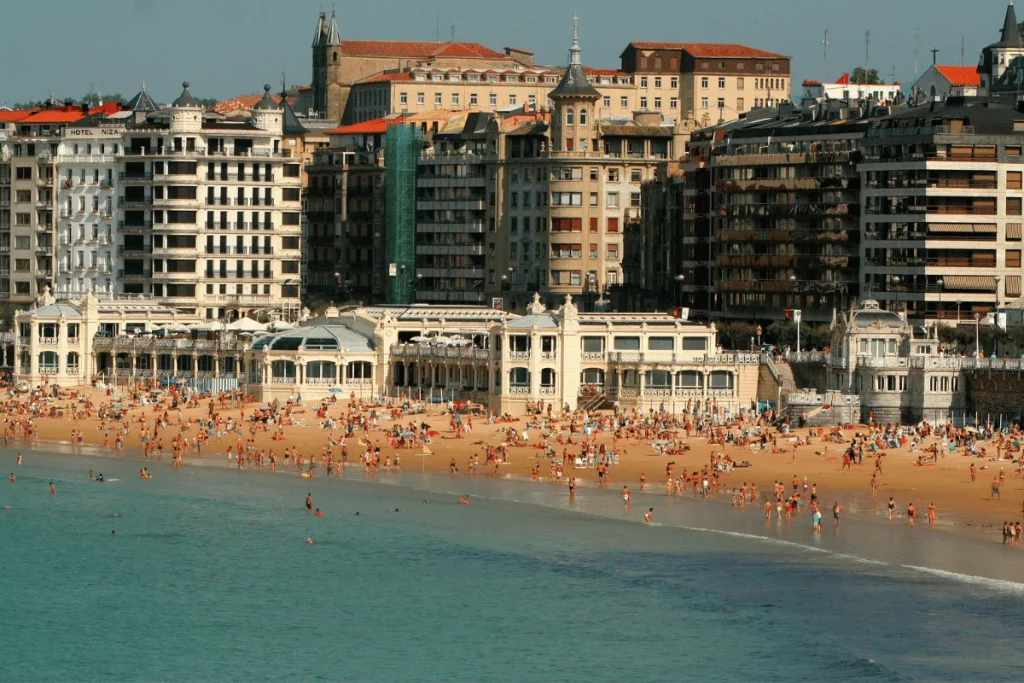
The city is particularly famous for pintxos, the Basque style of small dishes enjoyed in bars and restaurants. Travelers can explore the old town while moving between food spots and enjoying the beach and waterfront.
San Sebastián is a good fit for travelers who want scenery and food within a compact and walkable city.
Best for: Food, beaches, couples, coastal scenery.
Mallorca: Beaches, Mountains and Scenic Villages
Mallorca offers a different experience from Spain’s major mainland cities. The island combines Mediterranean beaches, mountain landscapes, small villages, coastal roads, and historic towns.
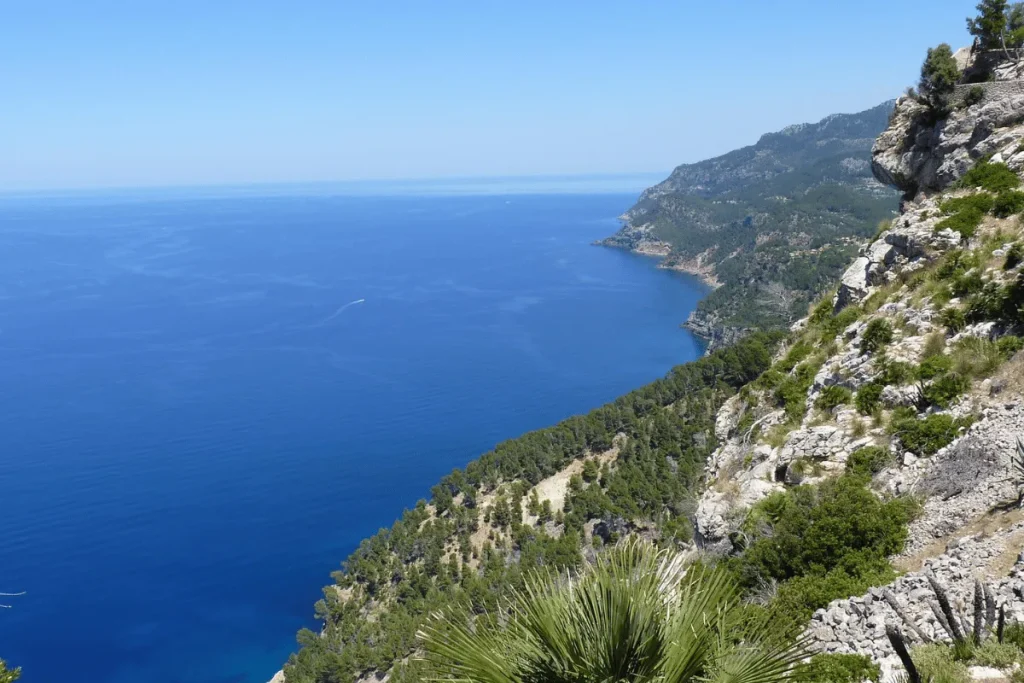
Palma is a useful base for travelers who want culture, restaurants, and city amenities, while other parts of the island offer quieter beaches and scenic landscapes. The Serra de Tramuntana is especially attractive to hikers and travelers interested in dramatic mountain and coastal scenery.
Mallorca is best explored at a slower pace, particularly when beaches, villages, scenic drives, and outdoor activities are part of the trip.
Best for: Beaches, nature, road trips, couples, longer stays.
Best Places to Visit in Spain by Travel Style
Best Places to Visit in Spain for First-Time Visitors
For a first trip to Spain, Madrid, Barcelona, and Seville provide a broad introduction to the country’s different regions and experiences. Madrid offers major museums and capital-city culture, Barcelona combines architecture with the Mediterranean, while Seville introduces travelers to Andalusian traditions.
A longer first trip can add Granada or Valencia. Granada works especially well for history and architecture, while Valencia provides beaches, modern attractions, and Mediterranean food.
Rather than trying to visit too many destinations, first-time travelers can benefit from focusing on a manageable number of cities and allowing enough time to experience each one.
Best Places to Visit in Spain for Beaches
Spain has beaches along both the Mediterranean and Atlantic coasts, as well as across the Balearic and Canary Islands.
Mallorca is particularly attractive for travelers who want a combination of beaches, mountain scenery, villages, and road trips. Valencia and Málaga are convenient options for combining a beach vacation with a city break.
San Sebastián offers a different coastal experience, with urban beaches surrounded by green hills and the Basque landscape.
For a dedicated island beach vacation, Mallorca and Ibiza provide extensive coastal options, while mainland destinations are useful when the beach is only one part of a broader itinerary.
Best Places to Visit in Spain for History and Culture
Spain’s history can be seen in its architecture, neighborhoods, museums, religious buildings, castles, and archaeological sites.
Granada stands out for the Alhambra and its Islamic architectural heritage. Seville combines Moorish, Christian, and later architectural influences, while Córdoba and Toledo offer especially rich historic environments.
Madrid is home to major art museums and national cultural institutions, while Barcelona offers a distinctive combination of Catalan culture and modernist architecture.
Travelers interested in historic architecture may also want to include smaller destinations such as Ronda, Santiago de Compostela, or the historic villages of Andalusia.
Best Places to Visit in Spain for Couples
Couples can choose among beaches, historic cities, scenic mountain areas, and food-focused destinations depending on the type of trip they want.
Seville offers historic architecture, atmospheric plazas, and evening dining. Granada combines the Alhambra with views across the Albaicín, while Mallorca provides beaches, coves, mountain villages, and scenic drives.
San Sebastián is another option for couples who enjoy coastal scenery and food. For a more energetic city experience, Barcelona combines architecture, restaurants, beaches, and nightlife.
Best Places to Visit in Spain for Nature and Scenic Escapes
Travelers looking beyond cities can find mountains, beaches, cliffs, forests, islands, and rural landscapes throughout Spain.
Mallorca’s Serra de Tramuntana is particularly notable for combining mountain scenery with Mediterranean coastline. The area around Granada provides access to the Sierra Nevada, while northern Spain offers greener landscapes and rugged Atlantic scenery.
Ronda and the surrounding Andalusian countryside are also appealing for travelers interested in dramatic landscapes, traditional villages, and scenic road trips.
More of the Best Places to Visit in Spain
Ronda
Ronda is one of Andalusia’s most dramatic hilltop towns. It is famous for its deep gorge, historic bridge, whitewashed buildings, and surrounding countryside.
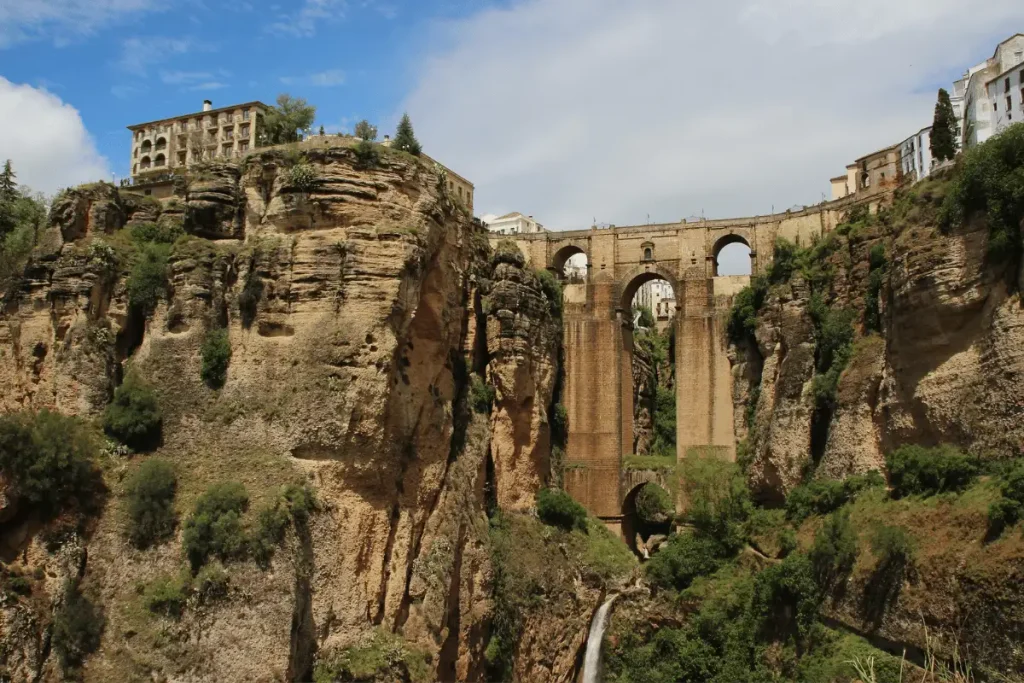
Its compact center makes it possible to see many of the main sights during a short visit, although staying overnight allows travelers to experience the town after many day-trippers have left.
Best for: Scenic views, villages, couples, Andalusia road trips.
Córdoba
Córdoba is one of Spain’s most historically significant cities. Its historic center contains the famous Mosque-Cathedral, narrow streets, courtyards, and reminders of its diverse religious and cultural past.
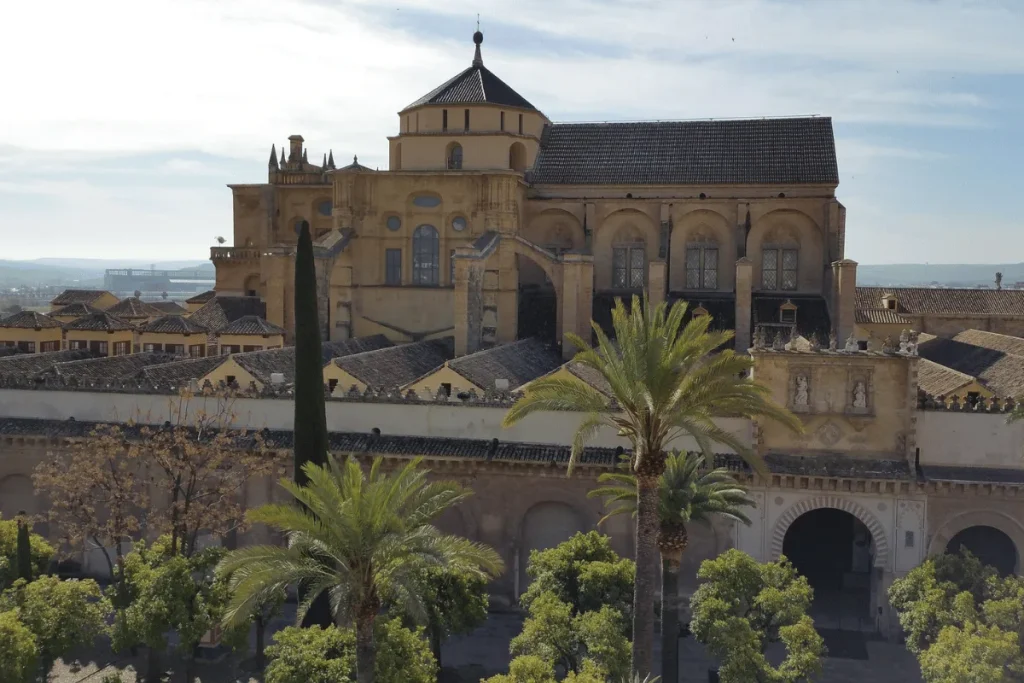
The city can be visited as a day trip from Seville or Madrid, but staying overnight gives travelers more time to explore its historic neighborhoods.
Best for: History, architecture, cultural travel.
Toledo
Toledo sits on a hill above the Tagus River and is strongly associated with centuries of Christian, Muslim, and Jewish heritage.
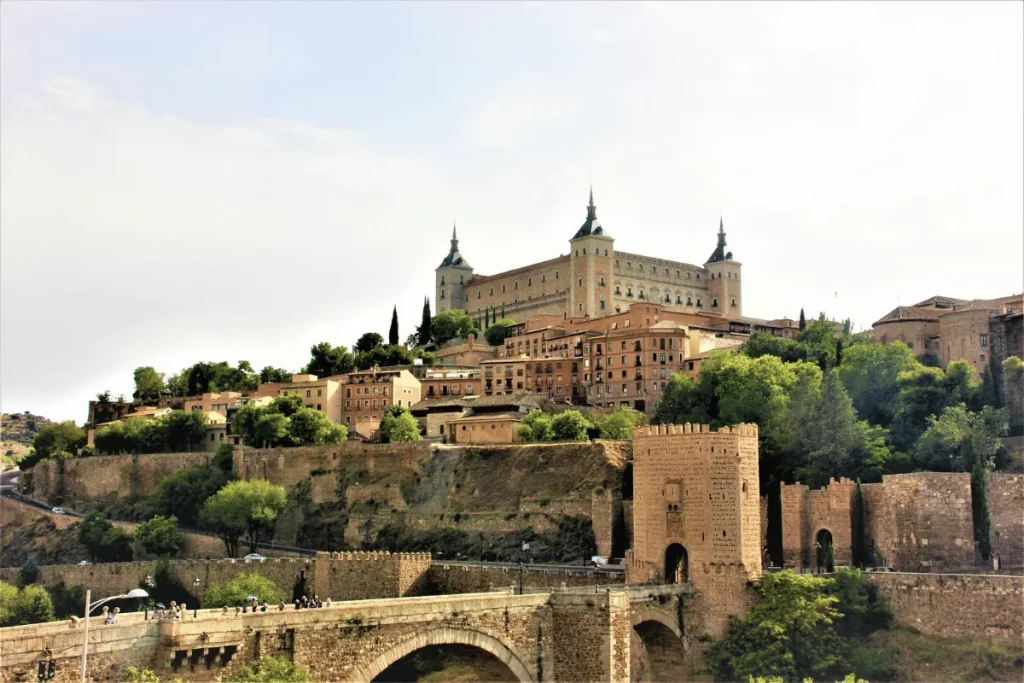
The city’s medieval streets, historic buildings, cathedral, and former Jewish quarter make it a rewarding destination for travelers interested in Spanish history.
Its proximity to Madrid also makes Toledo convenient for a day trip.
Best for: History, architecture, day trips from Madrid.
Cádiz
Cádiz is a historic coastal city in southwestern Spain with beaches, a compact old town, seafood restaurants, and Atlantic views.
It offers a different atmosphere from the major Andalusian cities and works well for travelers looking for a combination of history and seaside scenery.
Best for: Beaches, seafood, coastal culture.
Bilbao
Bilbao is the largest city in Spain’s Basque Country and has undergone significant urban transformation. The Guggenheim Museum is its best-known modern landmark, while the old town provides traditional Basque food and architecture.

Bilbao can also serve as a base for exploring northern Spain and the surrounding Basque landscape.
Best for: Art, food, architecture, northern Spain.
Santiago de Compostela
Santiago de Compostela is famous as the final destination of the Camino de Santiago pilgrimage routes. Its historic center and cathedral attract both pilgrims and general travelers.
The city’s atmosphere is different from Spain’s Mediterranean destinations, with greener landscapes and a strong Galician identity.
Best for: History, pilgrimage, architecture, northern Spain.
Frigiliana
Frigiliana is a picturesque white village in Andalusia near the Costa del Sol. Its narrow streets, whitewashed buildings, flower-filled balconies, and surrounding hills make it an attractive stop for travelers exploring southern Spain.
It can be combined with nearby coastal destinations for a day focused on village scenery and Mediterranean landscapes.
Best for: Villages, photography, couples, scenic escapes.
Ibiza
Ibiza is internationally known for nightlife, but the island offers more than clubs. Visitors can find beaches, secluded coves, historic sites, rural landscapes, and relaxed coastal communities.
Travelers interested in a quieter experience can explore smaller beaches and countryside areas away from the busiest nightlife zones.
Best for: Beaches, nightlife, couples, island escapes.
How to Choose the Best Places to Visit in Spain for Your Trip
Best Places to Visit in Spain for a Short Trip
With only three to five days, it is usually better to concentrate on one major city or combine destinations that are easy to connect.
Madrid works well for a compact city break, while Barcelona can fill several days with architecture, neighborhoods, food, and beaches. Seville is another option for a shorter trip focused on Andalusian culture.
With around five days, pairing Madrid with Toledo or Seville with Córdoba can provide greater variety without creating an overly complicated itinerary.
Best Places to Visit in Spain for a Longer Trip
With seven to fourteen days, travelers have more flexibility to combine several regions.
A classic itinerary can connect Madrid, Seville, Granada, and Barcelona, although the exact route depends on transportation and personal interests.
Another approach is to focus on one region. Andalusia alone can support a longer trip through Seville, Córdoba, Granada, Málaga, Ronda, Cádiz, and nearby white villages.
For a slower vacation, Mallorca or another island can also justify several days, particularly when beaches, hiking, villages, and scenic drives are part of the plan.
Best Places to Visit in Spain by Season
Spring: Spring is a popular time to explore cities such as Seville, Córdoba, Madrid, and Barcelona before the hottest summer temperatures arrive.
Summer: Coastal destinations and islands become especially attractive in summer. Mallorca, Ibiza, Málaga, Valencia, and northern coastal cities offer opportunities to combine sightseeing with time by the sea.
Fall: September and October can be comfortable months for city trips and cultural travel, with conditions that are often milder than during the hottest part of summer.
Winter: Southern Spain can appeal to travelers looking for milder conditions, while Madrid and Barcelona continue to offer museums, restaurants, architecture, and indoor attractions.

Spain Travel Tips Before You Go
How Many Days Do You Need in Spain?
The ideal trip length depends on how much of Spain you want to experience.
A three- to five-day trip can focus on one city or a small combination of nearby destinations. For a broader first visit, seven to ten days gives travelers more flexibility to combine several major destinations.
Two weeks or longer makes it easier to explore multiple regions without rushing from one city to another.
The key is to avoid trying to cover the entire country in one trip. Spain is large and regionally diverse, so spending more time in fewer destinations can create a more enjoyable itinerary.
Where to Stay When Visiting Spain
The best area to stay depends on your itinerary and travel style.
In major cities, staying near the historic center or in a well-connected neighborhood can reduce travel time and make sightseeing easier. In beach destinations, staying close to the coast may be worthwhile, while travelers exploring rural areas may prefer smaller towns or villages.
For multi-city trips, accommodation near major train stations or public transportation can also make transfers more convenient.
When choosing accommodation, consider more than the price. Location, public transport, walking distance to attractions, and the amount of time you plan to spend in the destination can all affect the overall experience.
How to Get Around Spain
Spain has an extensive transportation network, including high-speed trains connecting many major cities.
Trains are particularly useful for routes between Madrid, Barcelona, Seville, Córdoba, Valencia, and other major destinations. For smaller towns and places without direct rail connections, buses can be practical alternatives.
Rental cars become more useful when exploring rural Andalusia, Mallorca, mountain areas, or smaller coastal villages where public transportation may be less convenient.
For a first trip, combining high-speed trains between major cities with a rental car for selected regional sections can provide a practical balance between convenience and flexibility.
Useful official resources:
- Spain’s Official Tourism Website
- Renfe – Spain’s Railway Operator
- The Alhambra and Generalife – Official Website
Frequently Asked Questions About Visiting Spain
What are the best places to visit in Spain for a first trip?
Madrid, Barcelona, and Seville are three popular choices for a first trip because they offer very different experiences. Madrid is known for museums and city life, Barcelona for architecture and the Mediterranean, and Seville for Andalusian culture and historic landmarks.
How many days do you need in Spain?
Three to five days can work for one city or a small combination of nearby destinations. Seven to ten days gives travelers more time to combine several major destinations, while two weeks or longer allows for a more regional and slower-paced itinerary.
What is the best time to visit Spain?
The best time depends on your destination and travel style. Spring and fall are often appealing for city sightseeing, summer is popular for beaches and islands, and winter can be suitable for exploring cities or traveling through parts of southern Spain.
Is Spain expensive to visit?
Spain offers a wide range of travel styles and accommodation options. Costs can vary significantly depending on the city, season, accommodation type, transportation, restaurants, and activities, so travelers can build anything from a budget trip to a more upscale itinerary.
Is it better to travel around Spain by train or car?
High-speed trains are practical for many major-city connections, while rental cars provide more flexibility in rural areas, islands, and smaller towns. Many travelers use a combination of both rather than relying on only one form of transportation.
Which Spanish destination is best for beaches and city sightseeing?
Valencia and Málaga are convenient choices for combining city sightseeing with beach time. Mallorca is another strong option for travelers who want beaches together with villages, mountains, and scenic drives.
What are the best places in Spain for couples?
Granada, Seville, Mallorca, and San Sebastián are popular options for couples because they combine different experiences such as historic architecture, beaches, scenic landscapes, food, and romantic city settings.
Is Barcelona or Madrid better for a first visit?
Barcelona and Madrid offer different experiences rather than identical ones. Barcelona combines modernist architecture, historic neighborhoods, beaches, and Catalan culture, while Madrid focuses more on museums, capital-city attractions, parks, food, and nightlife.
Final Thoughts
The best places to visit in Spain depend on the kind of trip you want to create.
Madrid and Barcelona are ideal for travelers looking for major cities, culture, food, and iconic attractions. Seville and Granada are especially appealing for history and Andalusian atmosphere, while Valencia and Málaga combine city sightseeing with beach access.
For slower trips, Mallorca, San Sebastián, Ronda, and other scenic destinations provide a different side of Spain. Travelers with more time can combine several regions, while those with only a few days may have a better experience by choosing one city or one region and exploring it properly.
The most important step is to match your destinations to your interests, available time, and preferred pace. Spain offers enough variety that you do not need to see everything in one trip to have a memorable experience.