
12 of the best places to visit in Greece
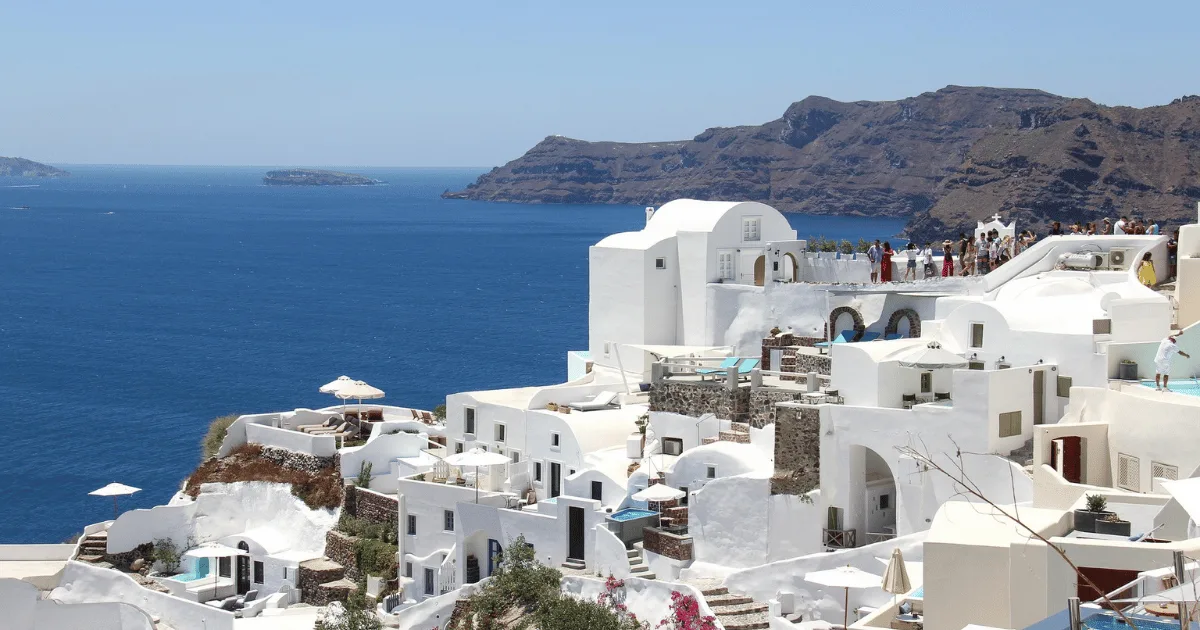
Greece is one of those destinations where choosing where to go can be harder than finding things to do. The best places to visit in Greece range from ancient cities and archaeological sites to spectacular islands, sandy beaches, mountain landscapes, and charming coastal towns.
The right destination depends on how much time you have, what kind of trip you want, and whether you prefer island hopping or a slower itinerary built around a few bases.
Athens gives first-time visitors an easy introduction to Greek history and culture. Santorini is famous for dramatic caldera scenery, while Naxos offers long beaches, villages, and a more relaxed island experience. Crete provides greater variety, Milos is known for its unusual coastline, and destinations such as Meteora, Delphi, and Nafplio show why mainland Greece deserves just as much attention as the islands.
This guide covers 12 of the best places to visit in Greece, including what to see, how long to stay, how to reach each destination from Athens, the best times to visit, where to stay, and how to build a realistic Greece itinerary.
For a broader overview of the country, continue with our Greece Travel Guide.
Affiliate Disclosure: Some links in this guide may be affiliate links. If you book through them, TripAndAtlas may earn a commission at no additional cost to you. Affiliate relationships do not affect our travel guidance.
Quick Answer: What Are the Best Places to Visit in Greece?
For a first trip, Athens is the natural starting point for history, culture, food, and transport connections.
From Athens, add one or two destinations depending on your interests:
- Santorini for dramatic scenery, caldera views, sunsets, and photography.
- Naxos for sandy beaches, villages, food, and a relaxed pace.
- Milos for unusual volcanic landscapes and boat trips.
- Crete for a longer trip combining beaches, food, history, villages, and road trips.
- Mykonos for nightlife, luxury, and beach clubs.
- Corfu for greener landscapes, beaches, and European-influenced architecture.
- Rhodes for medieval history and beaches.
- Meteora for monasteries, mountain scenery, and hiking.
- Nafplio for a charming historic town and Peloponnese road trips.
- Delphi for ancient history and mountain scenery.
- Thessaloniki for food, nightlife, Byzantine history, and city life.
For a week, try to keep the trip to one or two islands. Each ferry or flight takes time, and changing hotels too often can make the trip feel rushed.
Key Facts at a Glance
- Best first-trip combination: Athens for 2–4 days plus Santorini or Naxos for around 3–4 days.
- Best months: Late April to early June and mid-September to October offer a useful balance of warm weather and fewer crowds than July and August.
- Ferries from Athens: Travel times from Piraeus vary considerably by destination and ship type. Santorini can take around 4.5–8 hours, Naxos around 3h15–7h, Milos around 2.5–7.5 hours, and Mykonos around 2h40–5h30.
- Flights: Athens has direct flights to destinations including Crete, Santorini, Rhodes, Corfu, and Thessaloniki, often in roughly an hour or less.
- Best planning rule: Avoid changing hotels every night. Give yourself at least 2–3 nights per island when possible.
- Biggest mistake: Trying to cover too many islands in a short trip.
Travel times, prices, opening hours, and ferry schedules can change by season, weather, and operator. Always confirm live details before you travel.
Best Places to Visit in Greece: Quick Comparison
Use this table to match each destination with the type of trip you want.
| Destination | Best for | Ideal stay | Travel style | From Athens | Budget |
|---|---|---|---|---|---|
| Athens | First-time visitors, history, culture | 2–4 days | City & Culture | Starting point | €€ |
| Crete | Beaches, food, villages, road trips | 4–7 days | Island & Road Trip | Flight or overnight ferry | €€ |
| Santorini | Caldera views, couples, photography | 2–3 days | Romantic & Scenic | Flight or ferry | €€€ |
| Naxos | Beaches, families, food, value | 3–4 days | Relaxed Island | Ferry or short flight | €–€€ |
| Milos | Beaches, boat trips, landscapes | 2–4 days | Scenic & Coastal | Ferry or short flight | €€ |
| Mykonos | Nightlife, luxury, beaches | 2–3 days | Luxury & Social | Ferry or flight | €€€ |
| Corfu | Green landscapes, beaches, culture | 3–5 days | Island & Culture | Flight | €€ |
| Rhodes | History, beaches, old towns | 3–5 days | History & Beach | Flight | €€ |
| Meteora | Monasteries, scenery, hiking | 1–2 days | Culture & Nature | Train, bus or car | € |
| Nafplio | Old-town charm, history, Peloponnese | 1–2 days | Romantic Mainland | Bus or car | €–€€ |
| Delphi | Ancient history, mountains | 1 day | History & Culture | Bus or car | € |
| Thessaloniki | Food, nightlife, history | 2–3 days | City Break | Flight or train | €–€€ |
Best Places to Visit in Greece by Destination
Athens
Athens is one of the best places to visit in Greece for first-time travelers who want to understand the country beyond its islands.
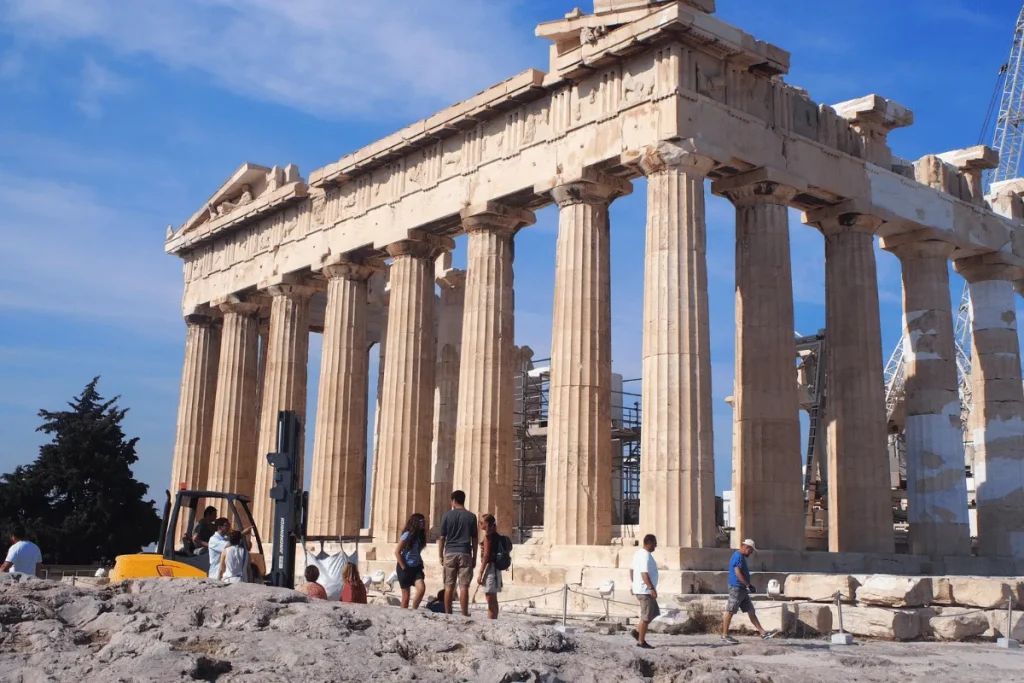
The city combines ancient landmarks, world-class museums, historic neighborhoods, modern restaurants, markets, and nightlife. The result is a destination that works equally well for a short city break and a longer cultural trip.
The Acropolis is the obvious starting point, but it should not be the only reason you spend time in Athens. Walk through Plaka and Anafiotika, explore Monastiraki, visit the Acropolis Museum, and leave time for a long lunch or dinner.
Athens is at its best when you balance major attractions with neighborhood wandering rather than treating the city like a checklist.
Top things to do in Athens
- Visit the Acropolis and Parthenon early or late in the day.
- Explore the Acropolis Museum and Ancient Agora.
- Walk through Plaka, Anafiotika, and Monastiraki.
- Visit the National Archaeological Museum.
- Watch sunset from Lycabettus Hill.
- Consider a day trip to Cape Sounion and the Temple of Poseidon.
For major archaeological attractions, check current ticketing information before your visit, especially during summer when timed entry and advance booking may be important.
Best for: first-time visitors, history, museums, food, nightlife, and city breaks.
Ideal stay: 2–4 days.
Best months: April–June and September–November for comfortable sightseeing.
Getting around: Athens has an extensive metro system, and the city center is highly walkable.
Planning your trip to Greece? You can compare available flight options with Aviasales
Crete
Crete is one of the best places to visit in Greece for travelers who want more than a conventional island holiday.
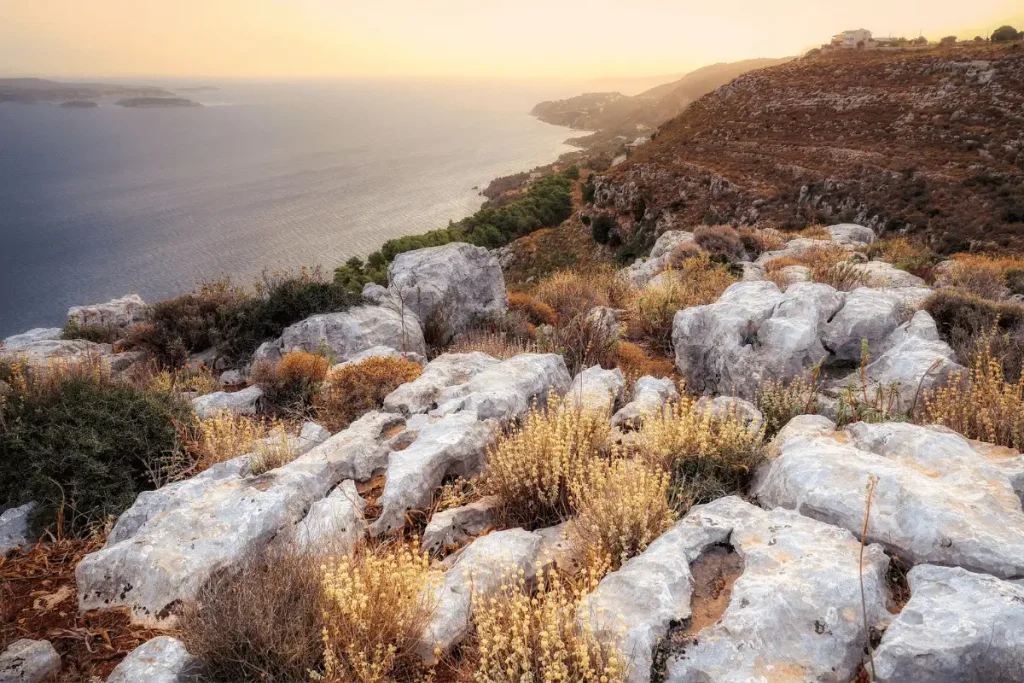
It is Greece’s largest island and combines beaches, mountains, gorges, archaeological sites, traditional villages, regional food, and cities such as Chania and Heraklion.
Chania is particularly appealing for a first stay because its Venetian harbor and old town create an attractive base for exploring western Crete.
Heraklion is more useful for travelers focused on archaeology and museums, especially the Knossos archaeological site and the Heraklion Archaeological Museum.
Crete also rewards road trips. Rather than spending an entire week in one resort, you can combine beaches with villages, scenic drives, food stops, and archaeological sites.
Because the island is large, avoid treating Crete as a single compact destination. Choose a region and build your itinerary around it.
Top things to do in Crete
- Explore Chania’s old harbor and Venetian lighthouse.
- Visit Knossos and the Heraklion Archaeological Museum.
- Discover beaches such as Balos Lagoon and Elafonissi.
- Hike Samaria Gorge when seasonal conditions allow.
- Explore Rethymno’s old town.
- Drive into the mountain villages and sample local food.
Best for: longer trips, road trips, beaches, food, history, and families.
Ideal stay: 4–7 days, or longer for a slower multi-region trip.
Best months: May–October.
Getting there: Flights from Athens reach Chania or Heraklion in roughly an hour. Overnight ferries are another option.
A rental car can make exploring Crete considerably easier.
Santorini
Santorini is one of the most recognizable destinations in Greece, but the island is much more than Oia and sunset photographs.
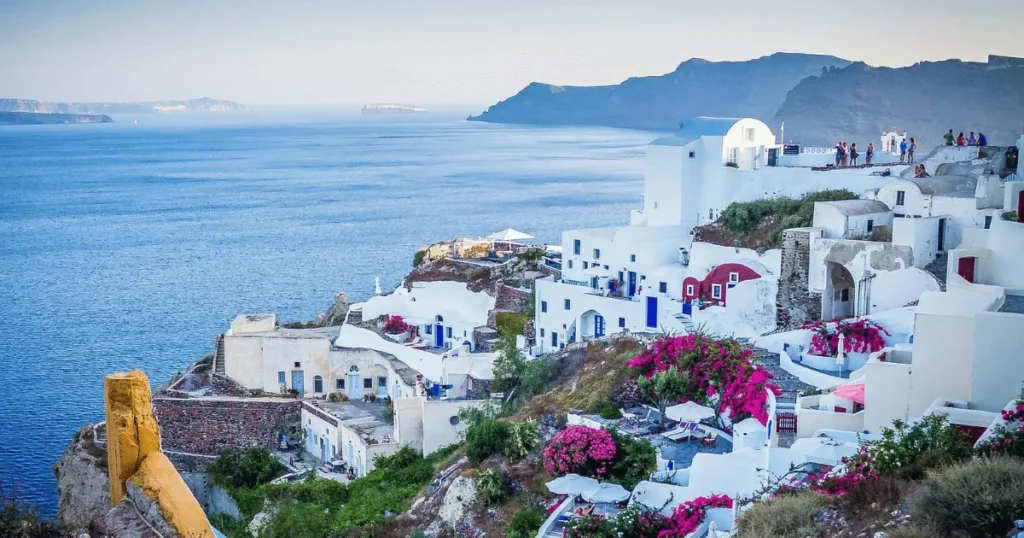
Its volcanic landscape created the dramatic caldera, cliffs, unusual beaches, and cliffside villages that make Santorini so visually distinctive.
Spend time in Oia and Fira, but also consider Imerovigli, Firostefani, Pyrgos, Megalochori, and Akrotiri.
A boat trip around the caldera adds another perspective and can turn a short visit into a more complete Santorini experience.
Santorini is particularly well suited to couples and travelers who value scenery, photography, wine, and memorable accommodation. It can also be expensive during high season, and part of what you are paying for is often the location and view.
Top things to do in Santorini
- Explore Oia in the morning, then return for sunset.
- Walk the Fira-to-Oia caldera route.
- Visit the Akrotiri archaeological site.
- Explore the Museum of Prehistoric Thera in Fira.
- Spend time at Perissa, Perivolos, or Kamari.
- Take a caldera or volcano and hot-spring boat trip.
- Visit a local winery and experience Santorini’s wine culture.
Best for: couples, scenic escapes, photography, sunsets, and wine.
Ideal stay: 2–3 days for the main highlights.
Best months: Late April–June and September–October.
Getting there: Around 45 minutes by air from Athens or roughly 4.5–8 hours by ferry from Piraeus, depending on the service.
For a complete island itinerary, continue with our Best Places to Visit in Santorini.
Naxos
Naxos is an excellent option when you want the classic Cycladic atmosphere but also want beaches, villages, food, and enough variety to fill several days.
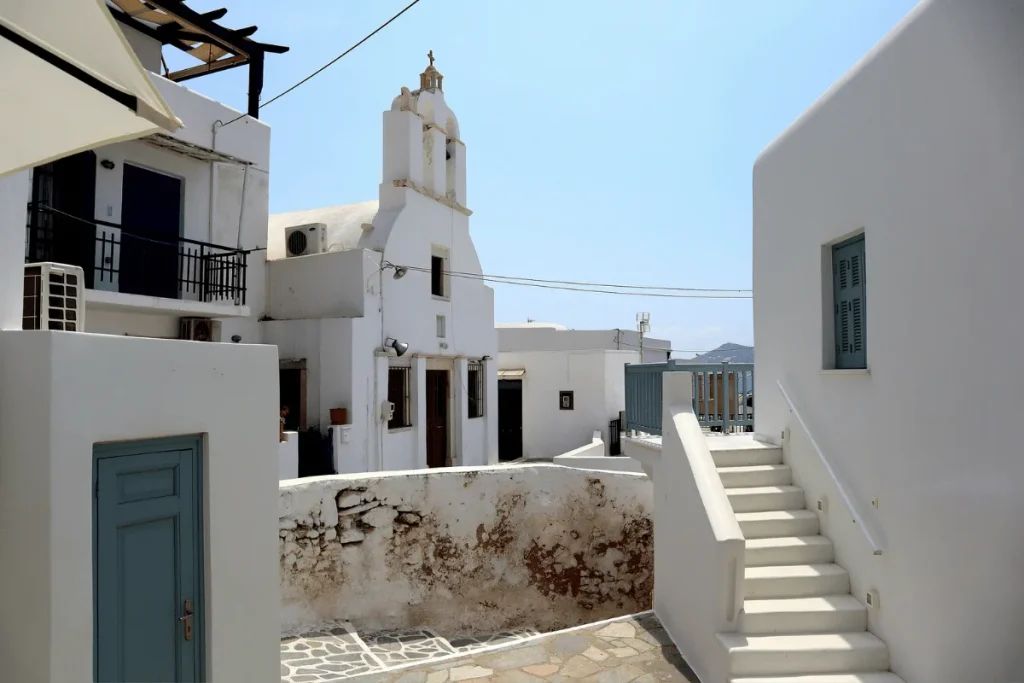
It is the largest and one of the most fertile islands in the Cyclades, combining long sandy beaches with mountain villages and traditional landscapes.
Start in Naxos Town, or Chora, and walk toward the Portara, the marble gateway of an unfinished ancient temple.
Then explore the old town and Venetian castle before heading inland to villages such as Apeiranthos and Filoti, or spend the afternoon around the west-coast beaches.
Naxos works particularly well for families and travelers who want to mix beach time with local culture instead of staying at a resort throughout the trip.
Top things to do in Naxos
- Visit the Portara and old town of Chora.
- Enjoy Agios Prokopios, Agia Anna, and Plaka beaches.
- Explore Apeiranthos and Filoti.
- Visit Halki and learn about local kitron production.
- Try local cheeses and Naxos potatoes.
- Explore inland villages and countryside.
Best for: families, beaches, food, villages, and relaxed island travel.
Ideal stay: 3–4 days.
Best months: Late May–September.
Getting there: Ferries from Piraeus can take approximately 3h15–7 hours depending on the service. Naxos also has an airport with flights from Athens.
Naxos is particularly easy to combine with Santorini or Mykonos when building a Cyclades itinerary.
Milos
Milos stands out for its volcanic coastline and unusually varied beaches.
Sarakiniko is famous for its bright white volcanic rock, while Kleftiko is best experienced from the sea, where caves and dramatic rock formations become the focus of the journey.
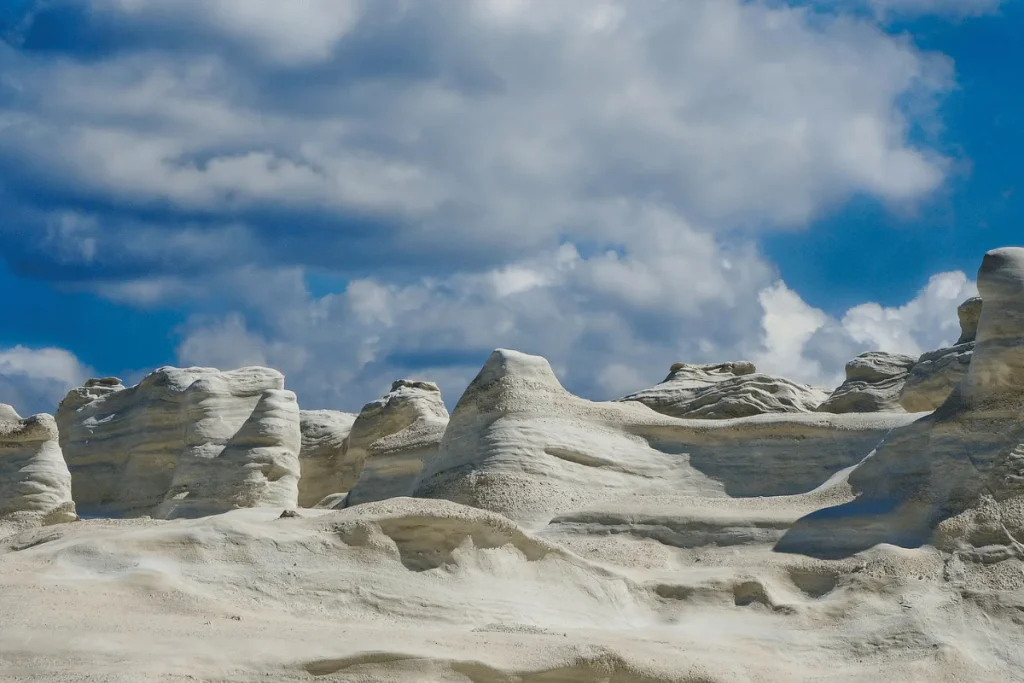
The island also has fishing villages, archaeological sites, catacombs, caves, and landscapes that feel noticeably different from the classic postcard image of the Cyclades.
Milos is especially attractive when the coastline itself is the main reason for your trip.
Top things to do in Milos
- Visit Sarakiniko early or late in the day.
- Take a boat trip to Kleftiko.
- Explore Klima’s colorful fishing houses.
- Walk around Plaka.
- Visit Pollonia.
- Discover the Catacombs of Milos.
- Explore southern beaches and coastal landscapes.
Best for: beaches, boat trips, photography, couples, and dramatic landscapes.
Ideal stay: 2–4 days.
Best months: June–September.
Getting there: Ferries from Piraeus can take around 2.5–7.5 hours depending on the service, with shorter flights also available.
A rental car can make reaching beaches and inland attractions much easier.
Mykonos
Mykonos is one of Greece’s most famous islands and is strongly associated with nightlife, beach clubs, luxury accommodation, shopping, and an energetic social scene.
At the same time, Mykonos Town has narrow paved streets, whitewashed houses, windmills, and Little Venice, making it worthwhile even for visitors who are not interested in nightlife.
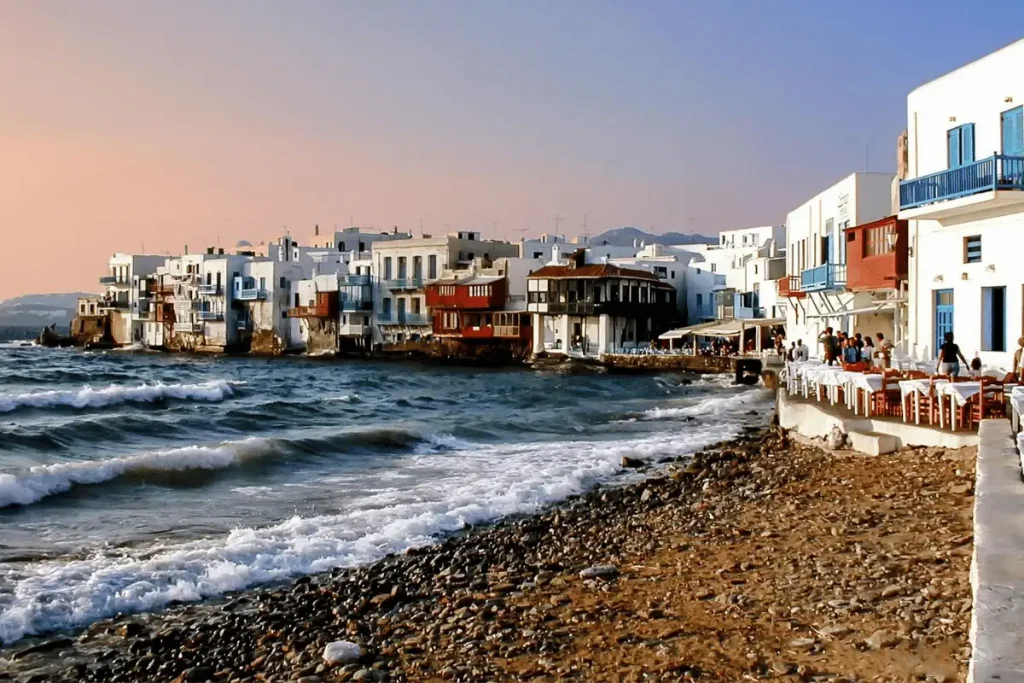
The key is choosing the right area for your trip.
Stay close to Mykonos Town when dining, nightlife, and atmosphere are priorities. Look elsewhere when your main goal is beach time or a quieter stay.
Summer can also bring stronger winds, and demand is particularly high during July and August.
Top things to do in Mykonos
- Explore Mykonos Town, Little Venice, and the windmills.
- Take a day trip to Delos.
- Visit beaches such as Psarou, Paradise, and Elia.
- Choose quieter beaches such as Agios Sostis for a different atmosphere.
- Enjoy sunset drinks and dinner in town.
Best for: nightlife, luxury, beach clubs, couples, and social travel.
Ideal stay: 2–3 days.
Best months: June–September.
Getting there: Ferries from Piraeus can take approximately 2h40–5h30, with flights also available.
Mykonos and Naxos are easy to pair in a Cyclades itinerary.
Corfu
Corfu offers a very different island experience from the drier Cycladic islands.
Its landscapes are greener, its architecture reflects strong Venetian, French, and British influences, and its coastline includes both sandy and white-pebble beaches.
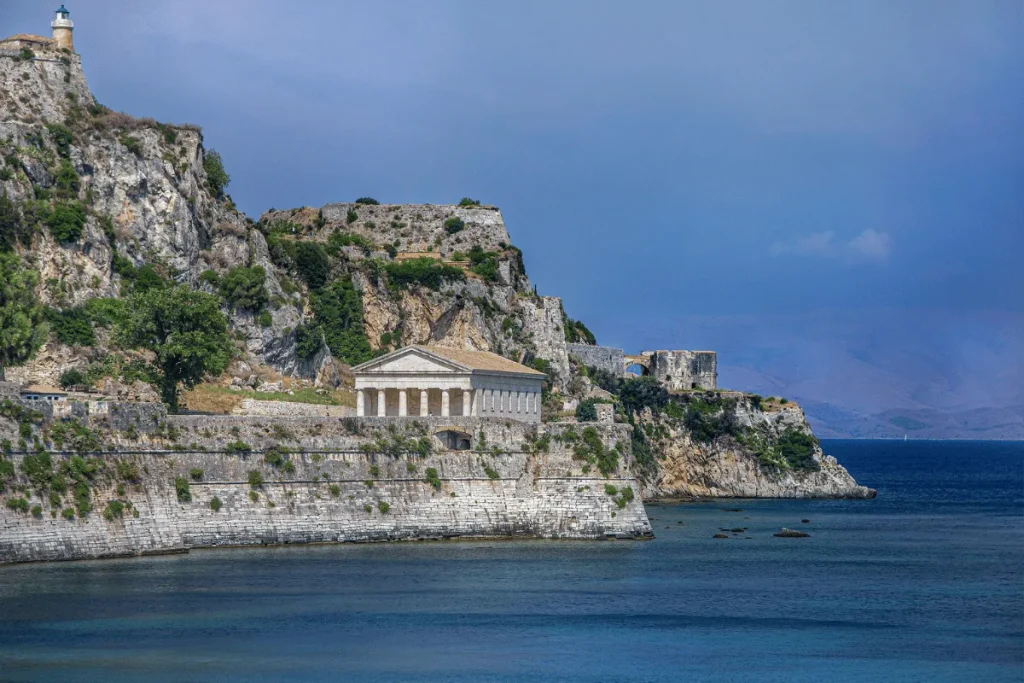
Corfu Town is one of the main reasons to visit and offers a historic center with strong architectural character.
Spend time exploring the city before using it as a base for beaches, villages, viewpoints, and scenic drives.
Corfu is a useful choice when you want culture and greenery alongside the sea.
Top things to do in Corfu
- Explore Corfu Town, the old fortress, and the new fortress.
- Walk around the Liston arcade.
- Visit Paleokastritsa and its coves.
- See the Canal d’Amour rock formations at Sidari.
- Explore the Achilleion area.
- Visit viewpoints such as Pelekas.
Best for: beaches, culture, greenery, road trips, and relaxed island holidays.
Ideal stay: 3–5 days.
Best months: May–October.
Getting there: Around one hour by air from Athens.
A rental car is useful when exploring beaches and villages outside Corfu Town.
Rhodes
Rhodes combines two experiences travelers often want from Greece: substantial historical attractions and a straightforward beach holiday.
The medieval Old Town is one of the main cultural attractions, while Lindos offers another distinctive historic setting with its hilltop acropolis and coastal views.
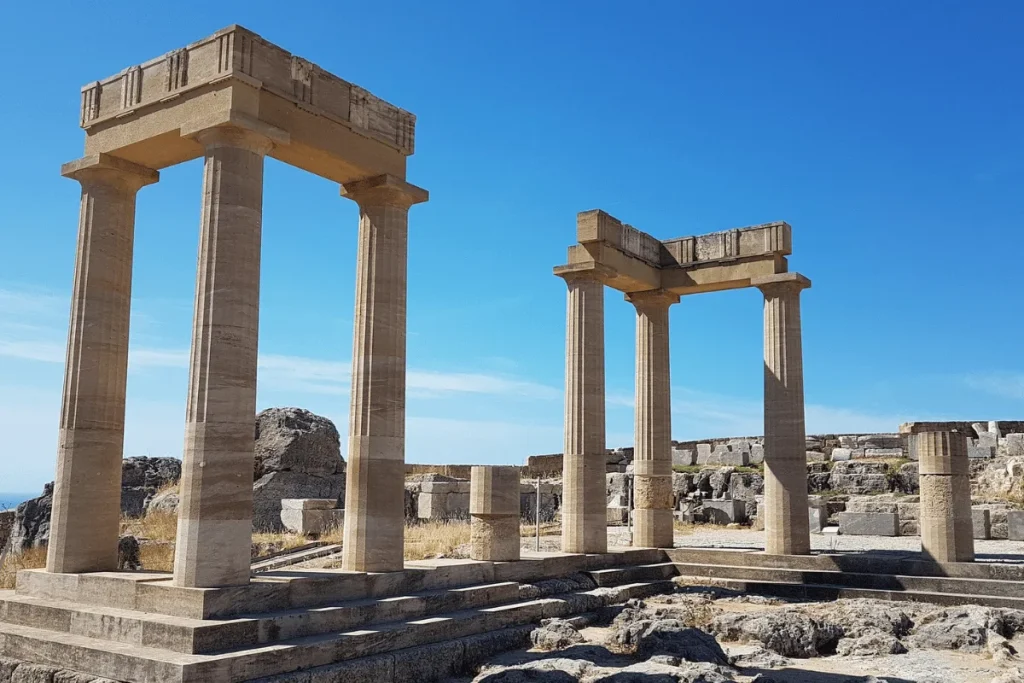
Outside the major sights, Rhodes has beaches, resorts, viewpoints, and enough variety for several days of exploration.
This makes it especially practical for couples and families who want more than a pure beach destination.
Top things to do in Rhodes
- Walk through the medieval Old Town.
- Visit the Street of the Knights and Palace of the Grand Master.
- Explore Lindos and its acropolis.
- Spend time on the east-coast beaches.
- Visit Tsambika.
- Explore Prasonisi for wind and kite sports.
- Take scenic drives through inland areas.
Best for: history, beaches, families, couples, and mixed itineraries.
Ideal stay: 3–5 days.
Best months: May–October.
Getting there: Around one hour by air from Athens. Flying is generally more practical than taking a long ferry from Piraeus.
Meteora
Meteora is one of the most striking mainland destinations in Greece.
Monasteries were built on enormous sandstone pillars, creating a landscape where natural scenery and cultural heritage are inseparable.

UNESCO recognizes Meteora as a World Heritage property, and the destination offers a completely different experience from the Greek islands.
The focus here is on rock formations, monasteries, viewpoints, hiking, and mainland landscapes.
Top things to do in Meteora
- Visit two or three monasteries rather than trying to see all of them.
- Explore the Great Meteoron and Varlaam monasteries.
- Watch sunset from one of the rock viewpoints.
- Walk the paths between the rock formations when conditions are suitable.
- Stay in Kalambaka or Kastraki.
Check opening days and dress requirements before your visit because monastery access follows specific rules and schedules.
Best for: history, photography, nature, hiking, and cultural travel.
Ideal stay: 1–2 days.
Best months: April–June and September–October.
Getting there: Approximately 4–5 hours from Athens by train, bus, or car. Guided day tours are also available.
For more background, visit the UNESCO World Heritage listing for Meteora.
Nafplio
Nafplio is one of the most charming mainland destinations in Greece.
Its old town is compact and walkable, with neoclassical buildings, waterfront restaurants, narrow lanes, and historic fortifications.
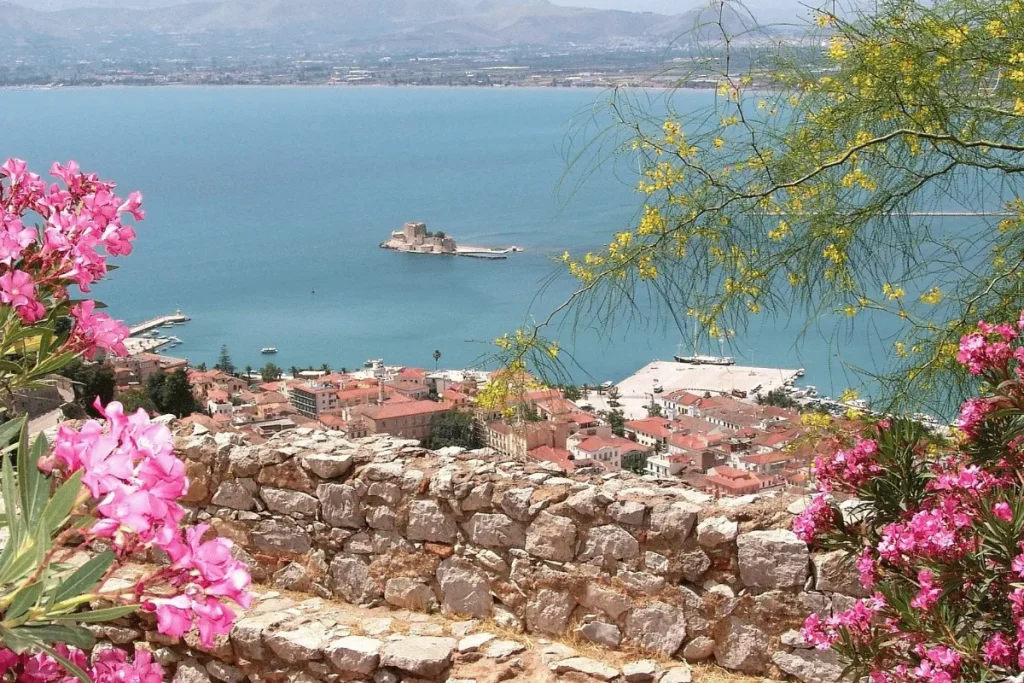
Nafplio was also the first capital of modern Greece, adding another layer of historical importance to the town.
The Palamidi Fortress provides one of the area’s best viewpoints, while Bourtzi sits offshore in the harbor.
Nafplio is also an excellent base for exploring the wider Peloponnese.
Top things to do in Nafplio
- Walk through the old town and Syntagma Square.
- Visit Palamidi Fortress.
- Walk along the Arvanitia promenade.
- Explore Bourtzi from the waterfront or by boat.
- Take day trips to Epidaurus and Mycenae.
- Use Nafplio as a base for a Peloponnese road trip.
Best for: couples, old-town atmosphere, history, and mainland road trips.
Ideal stay: 1–2 days, or longer as a Peloponnese base.
Best months: March–June and September–November.
Getting there: Approximately 2 hours from Athens by bus or car.
Delphi
Delphi is one of the most important archaeological destinations in mainland Greece.
In antiquity, it was a major religious center associated with the oracle of Apollo. Today, the sanctuary sits dramatically against the mountain landscape of Central Greece.
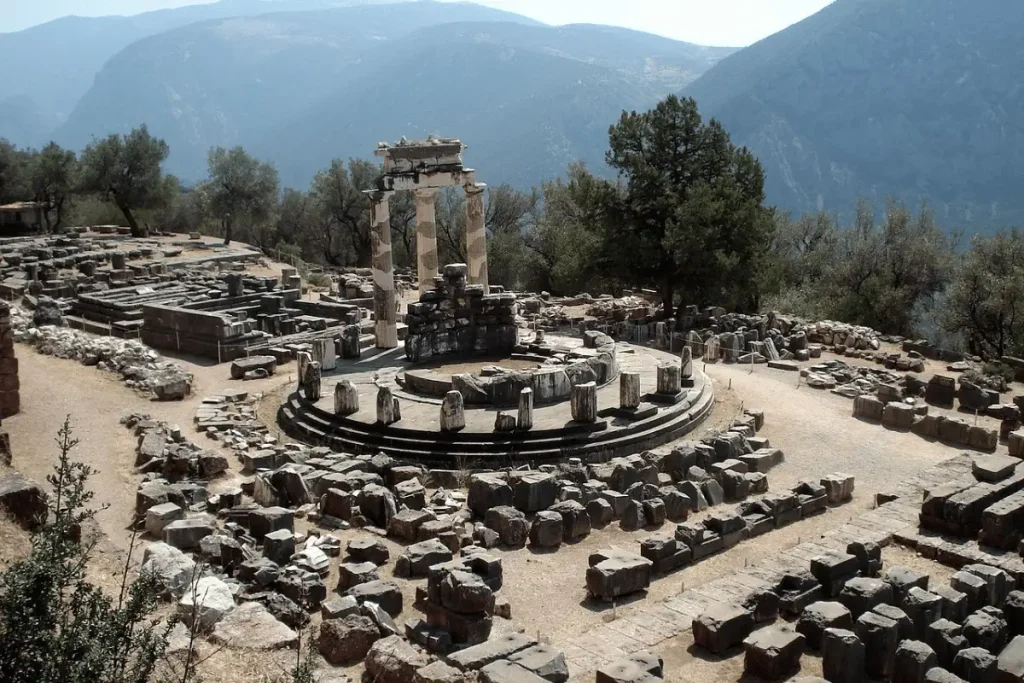
For travelers interested in ancient history, Delphi is one of the easiest major cultural additions to an Athens itinerary.
The nearby mountain village of Arachova can also be combined with the visit.
Top things to do in Delphi
- Explore the Sanctuary of Apollo.
- Visit the ancient theatre and stadium.
- See the Tholos of Athena Pronaia.
- Visit the Delphi Archaeological Museum.
- See the Charioteer of Delphi.
- Have lunch or stay overnight in Arachova.
Best for: ancient history, archaeology, culture, and mountain scenery.
Ideal stay: 1 full day or an overnight stop.
Best months: Spring and autumn.
Getting there: Around 2.5–3 hours from Athens by car or bus.
Thessaloniki
Thessaloniki brings a different energy to a Greece itinerary.
Instead of island scenery, you get a waterfront city with a strong food culture, nightlife, markets, Byzantine history, and a distinctly northern-Greece atmosphere.
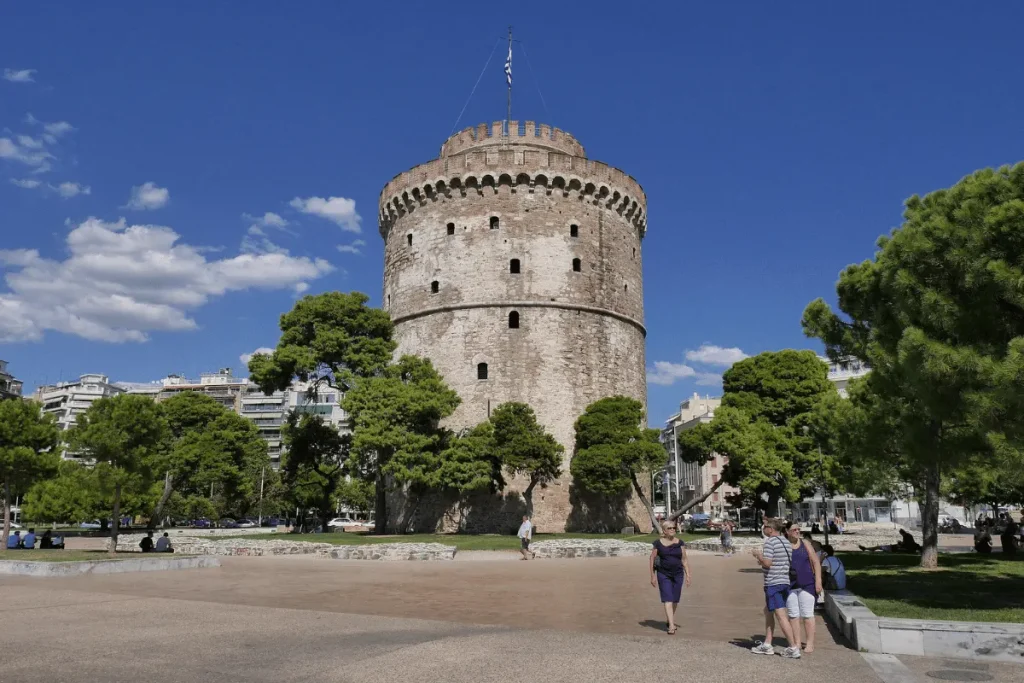
It works well as a short city break or as a starting point for exploring northern Greece.
Top things to do in Thessaloniki
- Visit the White Tower and waterfront promenade.
- Explore the Rotunda and Arch of Galerius.
- Eat in Ladadika and explore the city’s markets.
- Visit Modiano Market.
- Walk around Ano Poli.
- Explore Byzantine walls and viewpoints.
- Try local specialties such as bougatsa.
Best for: food, nightlife, history, city breaks, and northern Greece.
Ideal stay: 2–3 days.
Best months: April–June and September–November.
Getting there: Around one hour by air from Athens, or roughly 4–5 hours by train.
Thessaloniki can also be combined with a summer trip to Halkidiki.
Best Places to Visit in Greece by Travel Style
Best Places to Visit in Greece for First-Time Visitors
For a first trip, Athens is the easiest starting point because it combines ancient history, museums, neighborhoods, food, and transportation in one destination.
From Athens, add one or two contrasting destinations rather than trying to cover half the country.
Three common combinations are:
Athens + Santorini for classic Greek scenery and a first island experience.
Athens + Naxos for beaches, villages, food, and a more relaxed island atmosphere.
Athens + Crete for a longer trip with beaches, history, regional food, and road-trip possibilities.
The biggest mistake is trying to fit too many islands into a short itinerary.
Best Places in Greece for Beaches
The best beach destination depends on the kind of coastline you want.
Naxos is a strong option for long sandy beaches.
Milos is ideal for unusual volcanic landscapes and boat-access beaches.
Crete offers an enormous range of beach environments across one large island.
Corfu combines beaches with greener landscapes.
Rhodes works particularly well when you want substantial historical sightseeing alongside beach time.
Best Places in Greece for Couples
Santorini offers dramatic scenery, caldera views, sunsets, and distinctive accommodation.

Milos suits couples who prefer quieter scenery, beaches, and boat trips.
Nafplio offers a romantic mainland escape with a compact historic center, waterfront dining, and easy sightseeing.
Naxos works well for couples who want a balance of beaches, villages, food, and relaxed evenings.
Best Places in Greece for Families
Families generally benefit from choosing destinations where beach time can be mixed with activities without too much travel.
Naxos is particularly practical because it combines sandy beaches, villages, food, and outdoor activities.
Crete offers an enormous range of experiences, but the island is large, so a family itinerary should usually focus on one region.
Rhodes is another useful option when you want beaches and history in the same destination.
Best Places in Greece for History and Culture
Athens should be central to any Greece itinerary focused on history.
You can then add Delphi for ancient Greece, Meteora for the combination of heritage and dramatic scenery, Rhodes for medieval history, Nafplio for mainland historical charm, or Thessaloniki for Byzantine monuments.
Across Greece, ancient, Byzantine, Venetian, Ottoman, and modern influences appear in very different regions.
Best Places to Visit in Greece for Food and Nightlife
For nightlife, Mykonos and Athens are major choices.
Thessaloniki is particularly appealing for travelers who want a strong urban food scene.
Crete is especially interesting for regional cuisine and traditional food culture.
Santorini adds wine and distinctive local products such as fava and tomato-based dishes.
How to Choose the Best Places to Visit in Greece
The right itinerary depends less on the number of destinations and more on how much time you have.
A useful rule is to plan at least 2–3 nights per island and count the ferry or flight as part of your travel day.
Greece in 3–5 Days
Do not try to visit several islands.
A more realistic approach is one of the following:
Athens only: Spend 3–4 days exploring the city, with a possible day trip to Cape Sounion, Delphi, or Nafplio.
Athens + one island: Spend around 2 days in Athens and 2–3 days on one island.
One island only: Choose this when relaxation is more important than variety.
For a classic first trip, Athens plus Santorini is an easy combination. Travelers more interested in beaches and a slower pace can consider Athens plus Naxos.
Greece in 7–10 Days
A week or more gives you enough flexibility to combine a major city with one or two island destinations.
A balanced itinerary could be:
Athens + Santorini + Naxos
or
Athens + Crete
or
Athens + Delphi + Meteora + Nafplio
Remember that every transfer takes time.
Moving hotels every night can make an exciting itinerary feel more like a transport schedule.
Greece in 2 Weeks
Two weeks gives you much more flexibility, but you still do not need to see everything.
For an island-focused trip, consider:
Athens → Naxos → Milos → Santorini
For a combination of mainland culture and island travel, consider:
Athens → Delphi → Meteora → Nafplio → Crete
With two weeks, give each destination enough time rather than trying to maximize the number of stops.
For longer trips, see our How to Travel on a Budget guide before finalizing accommodation and transportation.
Island Hopping vs. Mainland Travel
| Island Hopping | Mainland Travel | |
|---|---|---|
| Best for | Beaches, swimming, island atmosphere | History, archaeology, mountains, road trips |
| Main transport | Ferries and flights | Car, bus, train |
| Main planning risk | Weather and ferry schedules | Generally fewer transport disruptions |
| Best season | May–October | Spring and autumn |
| Typical cost | Often higher because of ferries and island prices | Often lower outside Athens |
You can also combine both styles.
For many first-time travelers, Athens plus one or two islands offers a more manageable balance than combining multiple islands with several mainland stops.
Best Time to Visit Greece
Greece has a Mediterranean climate, but conditions vary between islands, coastal areas, mountain regions, and northern Greece.
Summers are generally hot and dry, while mountainous areas can be considerably cooler.
Spring
Spring is a strong period for comfortable sightseeing, hiking, archaeological sites, and mainland road trips.
It is particularly attractive for Athens, Delphi, Meteora, and Nafplio.
The sea can still be cool, and some island businesses may not operate fully until April or May.
Summer
Summer is the traditional beach season and the busiest period for many Greek islands.
It works well for travelers who want swimming, long daylight hours, beach clubs, and the full island atmosphere.
The trade-offs are higher prices, larger crowds, and stronger heat.
In July and August, winds can also affect some Cycladic beaches and ferry services.
Early Autumn
Early autumn can provide an excellent balance.
The sea remains warm after summer, while crowds begin to ease and walking becomes more comfortable.
September is particularly useful for combining beaches with sightseeing.
Shoulder Season
Late April to mid-June and mid-September to October can offer a useful compromise between weather, crowds, and prices.
The practical issue is logistics. Ferry frequency, hotel opening dates, restaurant schedules, and tours vary by destination and season, so check the exact services operating during your travel dates.
Winter
November to March is much quieter and cooler.
Many island hotels, restaurants, and some ferry services reduce their schedules or close seasonally.
Winter can work well for city breaks in Athens and Thessaloniki, but it is not the best period for traditional island hopping and beach holidays.
Best Months for Each Destination
| Destination | Best months | Notes |
|---|---|---|
| Athens | April–June, September–November | Hotter in July–August |
| Crete | May–October | Hiking conditions vary seasonally |
| Santorini | Late April–June, September–October | July–August are busiest |
| Naxos | Late May–September | Strong beach season |
| Milos | June–September | Boat trips depend on sea conditions |
| Mykonos | June–September | Strong summer winds can occur |
| Corfu | May–October | Greener than the Cyclades |
| Rhodes | May–October | Hot in midsummer |
| Meteora | April–June, September–October | Comfortable for walking |
| Delphi | Spring and autumn | Pleasant for sightseeing |
| Nafplio | March–June, September–November | Good for walking and road trips |
| Thessaloniki | April–June, September–November | Cooler winters |
Always check the weather and current operating schedules for the exact destination rather than relying only on country-level averages.
How Much Does a Trip to Greece Cost?
Travel costs in Greece vary significantly by destination and season.
Santorini and Mykonos generally sit at the expensive end, particularly in July and August.
Naxos and mainland destinations such as Nafplio, Delphi, and Meteora can offer better value depending on where you stay and when you travel.
Typical 2026 examples in the source material include:
- Acropolis admission around €30 for a standard timed visit, subject to current official ticketing.
- Akrotiri archaeological site around €20.
- Meteora monasteries around €5 per monastery, depending on the current admission policy.
- Some Piraeus-to-Cyclades ferry fares starting around €50–€90 depending on destination, vessel, and season.
To reduce costs, consider traveling in shoulder season, comparing conventional and high-speed ferries, and staying outside the most expensive caldera-view areas.
For more ideas, see our How to Travel on a Budget guide.
Plan Your Greece Trip
Once you know which destinations match your interests, organize accommodation, activities, and transportation around them.
Where to Stay in Greece
Where you stay changes how easy the trip feels, so location can be just as important as nightly price.
| Destination | Useful areas to stay | Why |
|---|---|---|
| Athens | Plaka, Monastiraki, Syntagma, Koukaki | Close to major sights and metro |
| Santorini | Fira, Firostefani, Imerovigli, Oia, Kamari | Different options for views, transport, and beach access |
| Naxos | Naxos Town, Agios Prokopios, Agia Anna | Town for restaurants and transport, beaches for a slower stay |
| Crete | Chania, Rethymno, Heraklion | Choose the region based on what you want to explore |
| Milos | Adamas, Plaka, Pollonia | Adamas is practical for transport and first-time stays |
| Mykonos | Mykonos Town, Ornos, Platis Gialos | Town for nightlife, beach areas for a quieter stay |
The key is choosing accommodation based on the itinerary you actually want.
On large islands such as Crete, a single hotel may not be an efficient base for exploring the entire island.
Tours and Activities
Some experiences are easy to organize independently, while others are more convenient to arrange in advance.
Popular options include:
- Acropolis and Athens walking tours
- Santorini caldera cruises
- Santorini wine tours
- Milos boat trips to Kleftiko
- Crete food and cultural experiences
- Samaria Gorge transfers
- Delphi day trips
- Meteora guided visits
- Island sailing excursions
Book first the experiences that have limited capacity or involve complicated transportation, then leave some open time for spontaneous exploration.
Ferries and Transportation
Transportation is one of the most important parts of planning a Greece trip.
Flights can save substantial time on longer routes such as Crete, Rhodes, Corfu, and Thessaloniki.
Ferries are ideal for many island connections, but schedules vary according to route, vessel, season, and weather.
During July and August, advance ferry booking becomes more important.
Also check exactly which Athens port your ferry uses. Depending on the route, departures may leave from Piraeus, Rafina, or Lavrio.
Do not build a tight itinerary around a single ferry connection. Strong winds, weather disruptions, or other operational issues can affect departures.
Leaving a buffer before an important international flight is a sensible approach.
For flights, you can compare available Greece flight options with Aviasales
For a wider planning overview, see our Greece Travel Guide.
Best Places to Visit in Greece: Frequently Asked Questions
What are the best places to visit in Greece for first-time visitors?
Athens is the most useful starting point because it combines major historical attractions, museums, neighborhoods, food, and transportation. From there, add one or two destinations such as Santorini, Naxos, or Crete depending on your interests and available time.
How many days do you need in Greece?
Five to seven days can provide a good introduction to Athens and one island. Around 10 days gives you more flexibility, while two weeks allows a broader combination of islands and mainland destinations without making every day a travel day.
Which Greek islands are best for a first trip?
Santorini is ideal for dramatic scenery and caldera views. Naxos suits travelers who want beaches, villages, food, and a relaxed pace. Crete is better for longer trips and more variety, while Milos is particularly attractive for unusual beaches and boat trips.
What is the best time to visit Greece?
Late April to early June and mid-September to October offer a useful balance of warm weather and smaller crowds than July and August. Summer is the classic beach season but is also the busiest and hottest period in many destinations.
Is Greece better for island hopping or mainland travel?
Neither is automatically better. Island hopping suits travelers focused on beaches and island culture. Mainland travel is more suitable for history, archaeology, mountains, and road trips. Combining Athens with one or two islands is a practical structure for many first trips.
Is Greece expensive?
It depends on the destination and season. Santorini and Mykonos are generally among the more expensive choices, especially during peak summer. Naxos and mainland destinations such as Nafplio, Delphi, and Meteora can offer better value.
Do you need a car in Greece?
Not necessarily.
You can get around Athens without a car, and buses or taxis are enough for many smaller islands.
A rental car becomes more useful on larger islands such as Crete and on destinations where beaches, villages, or archaeological sites are spread across a wider area.
How many islands should you visit in one trip?
For a one-week trip, two islands is a sensible limit.
With two weeks, three islands can be manageable if you plan transport carefully.
Every ferry or flight uses part of a travel day, so fewer stops often create a more enjoyable itinerary.
How do you get between Greek islands?
Most island connections are made by ferry, although some destinations also have short flights.
Ferries connect many of the Cyclades, making combinations such as Santorini and Naxos particularly practical.
Schedules are seasonal, so check live timetables before booking accommodation around them.
What is the best Greek island for families?
Naxos is a practical option because it combines sandy beaches, villages, food, and easy day-trip possibilities.
Rhodes and Crete can also work well when families want more history and variety.
Final Thoughts: How to Choose the Best Places to Visit in Greece
The best places to visit in Greece are not all trying to offer the same experience.
Athens is about history, culture, museums, and city life.
Crete offers variety, space, beaches, food, history, and road trips.
Santorini focuses on dramatic scenery, caldera views, sunsets, and distinctive accommodation.
Naxos balances beaches, villages, food, and a slower island atmosphere.
Milos stands out for its unusual coastline and boat-access landscapes.
Mykonos offers a more cosmopolitan experience centered on nightlife, beach clubs, shopping, and luxury.
Corfu brings greener scenery and European architectural influences, while Rhodes combines beaches with major historical attractions.
On the mainland, Meteora, Nafplio, Delphi, and Thessaloniki demonstrate why Greece is far more than an island destination.
The smartest way to plan Greece is not to collect as many destinations as possible.
Choose the places that genuinely match your travel style, allow enough time to enjoy them, and build your route around realistic transportation connections.
For a short trip, keep the itinerary focused. For a week, consider Athens plus one or two destinations. With two weeks, you can combine islands and mainland highlights without turning every day into a transfer day.
Start with the destinations that interest you most, then build the rest of your Greece itinerary around them.
For practical trip planning, continue with our Greece Travel Guide.