
Best Places to Visit in France
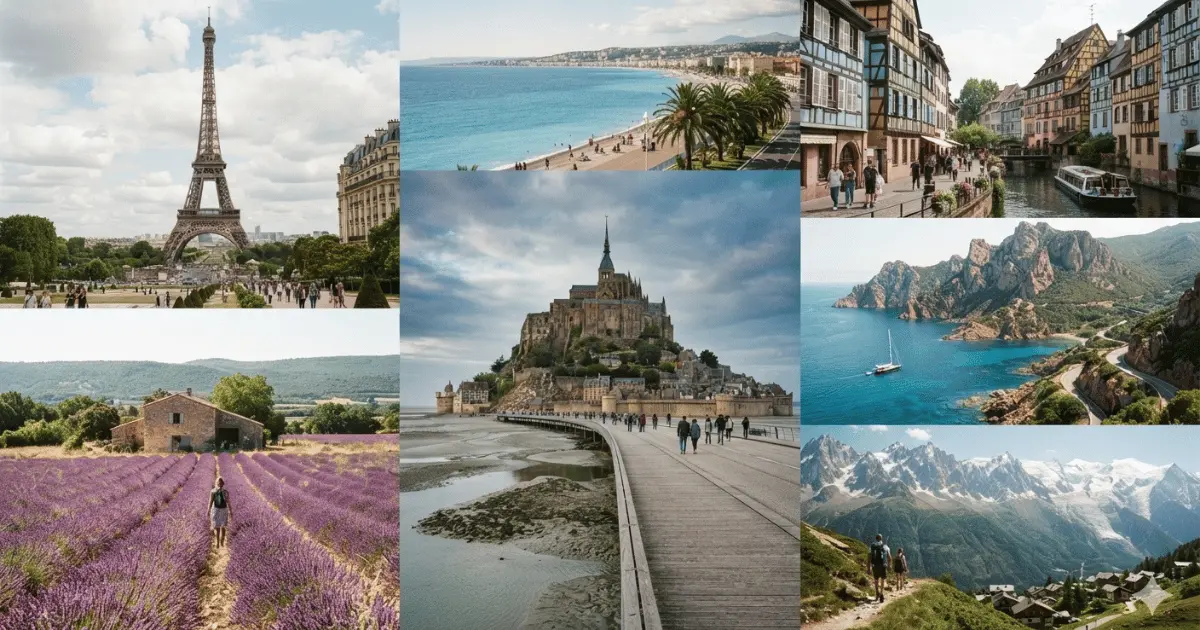
The best places to visit in France include Paris, Nice, Provence, Normandy, Mont Saint-Michel, Strasbourg and Alsace, Lyon, the Loire Valley, Bordeaux, the French Alps, Corsica, and Brittany. The right destination depends on the type of trip you want, from museums and historic landmarks to Mediterranean beaches, romantic villages, food and wine, dramatic coastlines, and outdoor adventures.
France is one of Europe’s most diverse travel destinations, offering far more than Paris and its famous landmarks. From Mediterranean cities and charming villages to medieval towns, Atlantic coastlines, mountain landscapes, and historic regions, France can suit almost every type of traveler.
For a first trip, Paris is an obvious starting point, but adding another region can give you a broader experience of the country. Nice and Provence offer Mediterranean scenery and a slower pace, Normandy combines history with dramatic coastline, Alsace provides distinctive architecture and villages, while the French Alps and Corsica offer very different outdoor experiences.
This guide highlights 12 destinations across France and explains what each is best for, how long to stay, when to visit, and how to build a practical itinerary around them.
By TripAndAtlas Editorial Team
Last updated: September 20, 2026
Best Places to Visit in France: Quick Comparison
| Destination | Best For | Ideal Stay | Best Time to Visit |
|---|---|---|---|
| Paris | First-time visitors, culture, landmarks | 3–5 days | Apr–Jun, Sep–Oct |
| Nice | Mediterranean coast, city breaks | 2–3 days | May–Oct |
| Provence | Villages, countryside, food | 3–5 days | Apr–Jun, Sep |
| Normandy | History, coastline, road trips | 2–4 days | May–Sep |
| Mont Saint-Michel | History, architecture, photography | 1–2 days | Apr–Oct |
| Strasbourg and Alsace | Architecture, villages, culture | 2–4 days | May–Jun, Sep–Dec |
| Lyon | Food, history, city breaks | 2–3 days | Apr–Jun, Sep–Oct |
| Loire Valley | Châteaux, gardens, countryside | 2–3 days | Apr–Jun, Sep |
| Bordeaux | Wine, food, architecture | 2–3 days | Apr–Jun, Sep–Oct |
| French Alps | Mountains, hiking, skiing | 3–5 days | Dec–Mar, Jun–Sep |
| Corsica | Beaches, hiking, road trips | 4–7 days | May–Sep |
| Brittany | Coastline, villages, culture | 3–5 days | May–Sep |
Map of the Best Places to Visit in France
Use the map below to see where the 12 destinations featured in this guide are located across France.
12 Best Places to Visit in France
France is large enough that choosing destinations based on your interests is usually more practical than trying to see everything in one trip. These 12 destinations cover different sides of the country, from major cities and cultural landmarks to beaches, mountains, villages, and countryside.
1. Paris
Paris is the best starting point in France for first-time visitors who want major landmarks, museums, neighborhoods, food, and history in one trip.
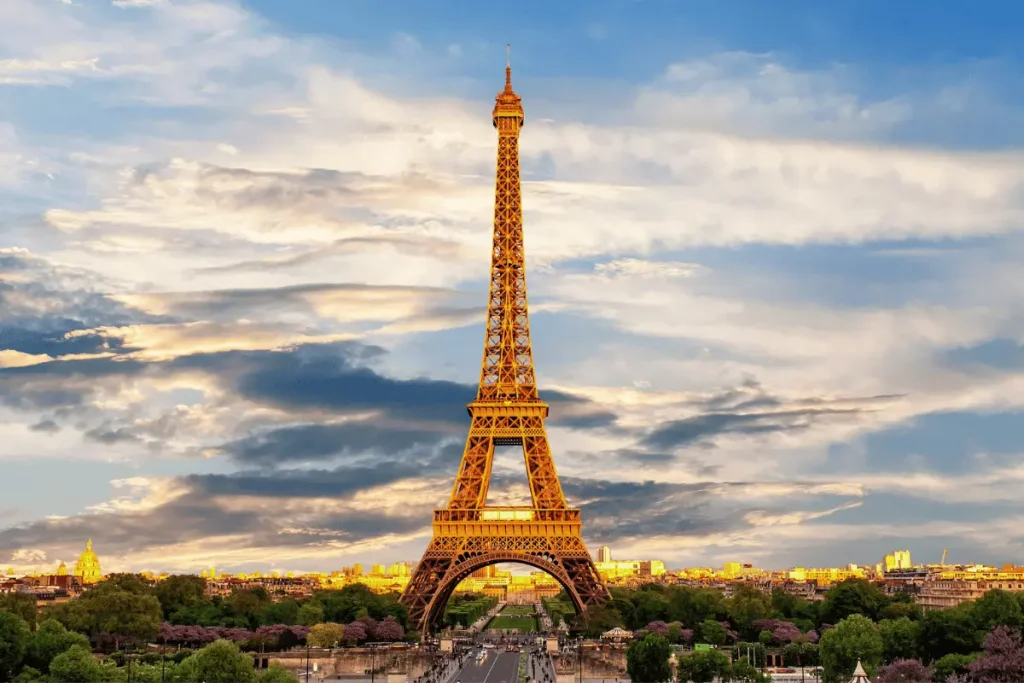
Paris combines iconic sights with historic neighborhoods, gardens, cafés, museums, and some of the country’s most recognizable landmarks. For many travelers, it is the easiest introduction to France because you can build a full itinerary without constantly changing hotels.
First-time visitors can explore the Eiffel Tower, Louvre Museum, Arc de Triomphe, Notre-Dame, Montmartre, and the Seine. Beyond the major attractions, neighborhoods such as Le Marais, Saint-Germain-des-Prés, and the Latin Quarter offer a different side of the city.
Paris also works well as a base for day trips to Versailles, Giverny, and the Champagne region, depending on your interests and available time.
Best for: First-time visitors, culture, museums, food, couples
Ideal stay: 3–5 days
Planning tip: Build your sightseeing by neighborhood instead of crossing Paris repeatedly. This makes it easier to combine nearby landmarks, cafés, museums, and historic streets in the same day.
2. Nice
Nice is ideal for travelers who want Mediterranean scenery, beaches, historic streets, and easy access to the French Riviera.
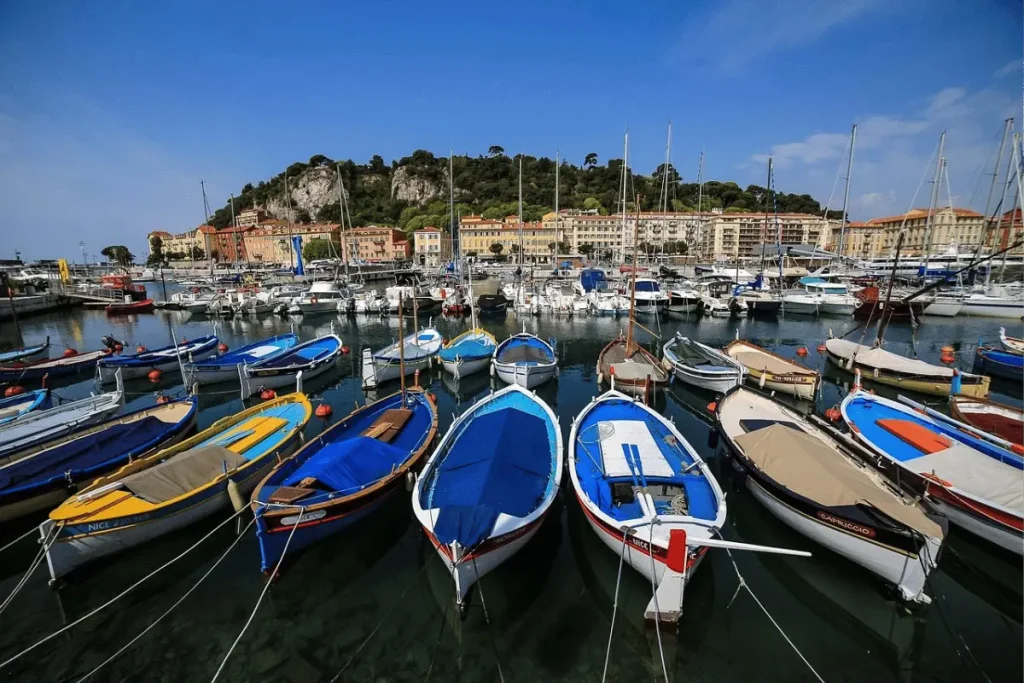
Nice offers a combination that few French cities can match: a Mediterranean coastline, historic architecture, museums, local food, and convenient connections to other Côte d’Azur destinations.
The Promenade des Anglais and the beaches along the Baie des Anges are among the city’s defining sights. In the Old Town, colorful streets, markets, churches, and lively squares create a completely different atmosphere from the seafront.
Nice is also a practical base for exploring the wider Riviera, allowing you to combine a city stay with nearby towns and hilltop villages without changing accommodation every night.
Best for: Beaches, couples, Mediterranean travel, city breaks
Ideal stay: 2–3 days
Planning tip: Staying near central Nice or the Old Town makes it easier to combine the seafront, historic center, restaurants, and local transport on foot.
3. Provence
Provence is one of the best choices in France for a slower trip focused on villages, countryside, food, markets, and Mediterranean landscapes.
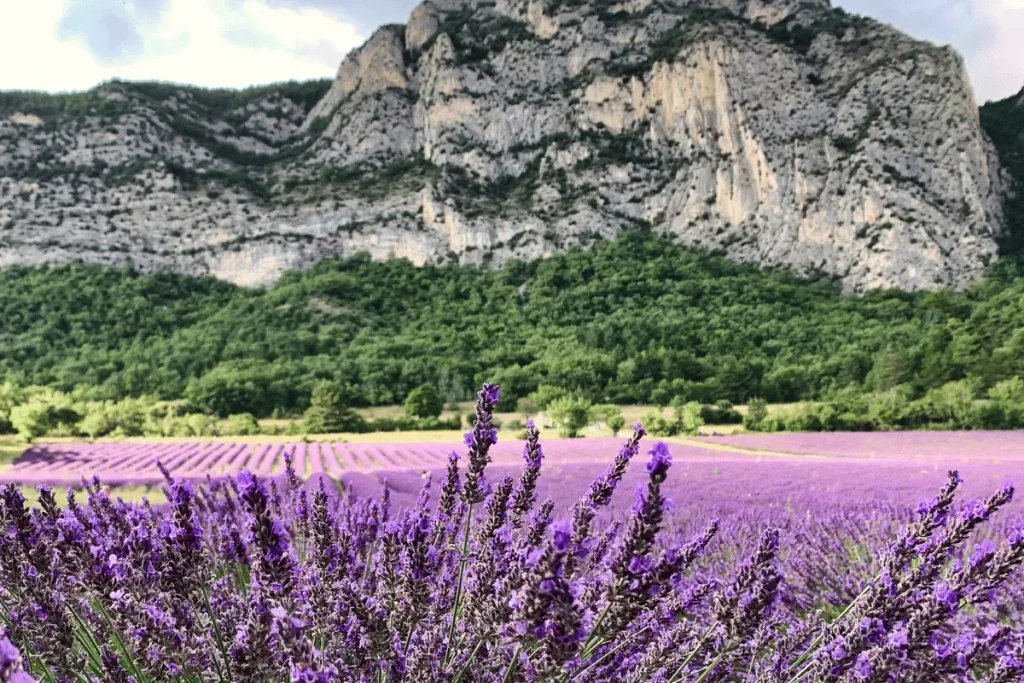
The region stretches from the Mediterranean toward the Alps and includes historic towns, vineyards, olive groves, countryside, and famous lavender landscapes.
Places such as Aix-en-Provence, Avignon, Arles, and the villages of the Luberon can offer very different experiences within the same region. You can combine historic architecture with local markets, scenic drives, vineyards, and rural landscapes.
Provence works particularly well as a road-trip destination because many of its villages, viewpoints, and countryside attractions are spread out rather than concentrated in one city.
Best for: Couples, road trips, villages, food, photography
Ideal stay: 3–5 days
Planning tip: Choose one main base and explore nearby villages from there. A rental car is particularly useful once you move beyond the larger towns and rail-connected cities.
4. Normandy
Normandy is a strong choice for travelers who want a combination of history, dramatic coastline, charming towns, and countryside.
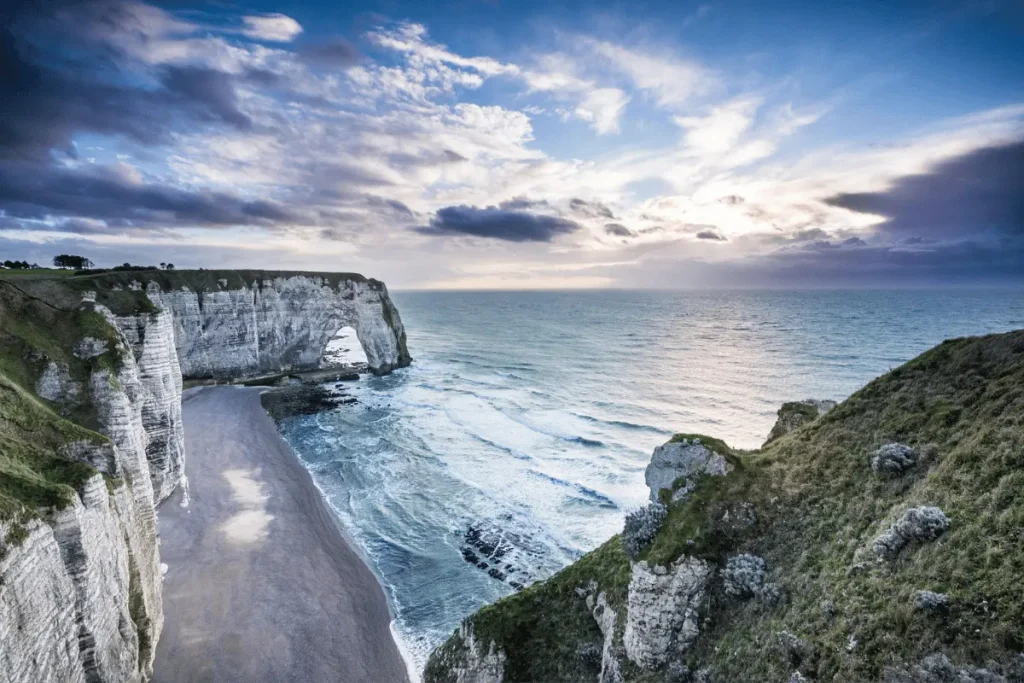
The region is particularly known for the D-Day beaches and World War II sites, but Normandy offers much more than military history. Travelers can also explore Bayeux, Étretat, Deauville, Honfleur, and the wider Normandy coastline.
The landscape changes considerably across the region, from cliffs and beaches to green countryside and historic towns. This makes Normandy especially suitable for travelers who want a road trip rather than a single-city vacation.
Mont Saint-Michel is also located in Normandy and can be included in a wider regional itinerary, although the landmark deserves enough time to be treated as a destination of its own.
Best for: History, families, road trips, coastline
Ideal stay: 2–4 days
Planning tip: For a trip centered on several D-Day sites and coastal stops, use a base that reduces backtracking. Normandy can also be explored by train between major cities, but a car is useful when linking smaller coastal and rural attractions.
5. Mont Saint-Michel
Mont Saint-Michel is one of France’s most distinctive historic destinations, especially appealing to travelers interested in architecture, photography, and medieval heritage.
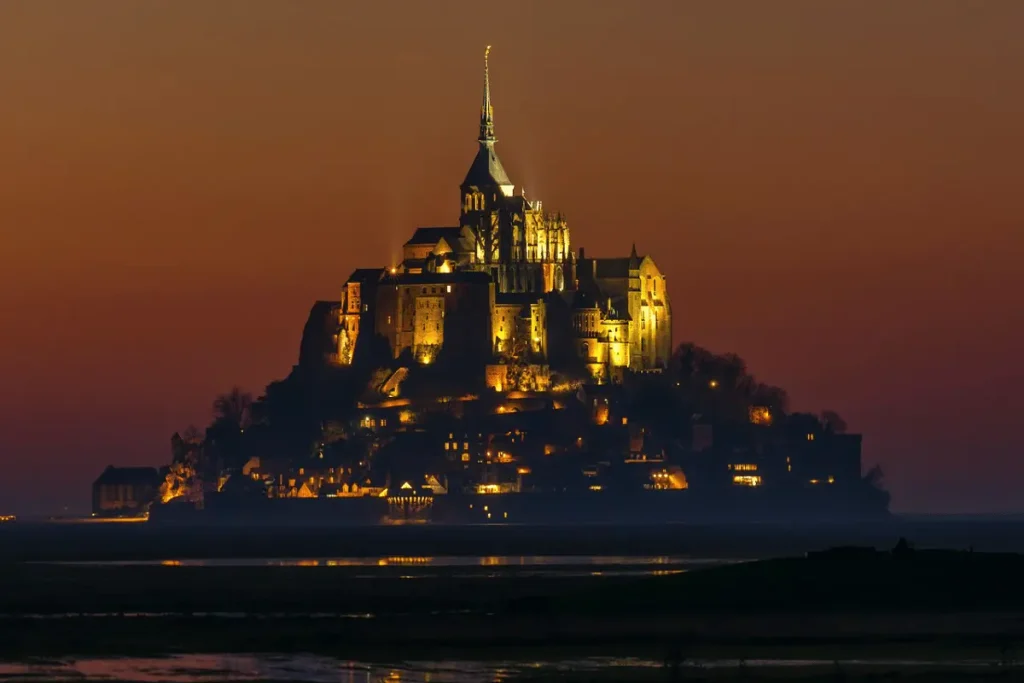
The medieval settlement rises dramatically above its bay, creating a landscape that changes with the tides. Visitors can explore its narrow streets, historic buildings, fortifications, and the famous abbey at the top of the rocky island.
Because the main historic area is compact, Mont Saint-Michel can be visited as a day trip. However, staying nearby gives you more time to experience the mount at different times of day and around the changing light and tides.
Best for: History, architecture, photography, couples
Ideal stay: 1–2 days
Planning tip: For a quieter visit, France.fr recommends arriving before 9:00 AM. It is also worth checking the tide timetable before your visit, especially if seeing the mount surrounded by water is part of your plan. Spring, particularly April–May, and autumn, particularly September–October, can offer a combination of milder conditions and fewer crowds than the peak summer period.
Learn more about Mont Saint-Michel on France.fr
6. Strasbourg and Alsace
Strasbourg and Alsace are ideal for travelers looking for distinctive architecture, historic villages, regional food, and a strong sense of place.
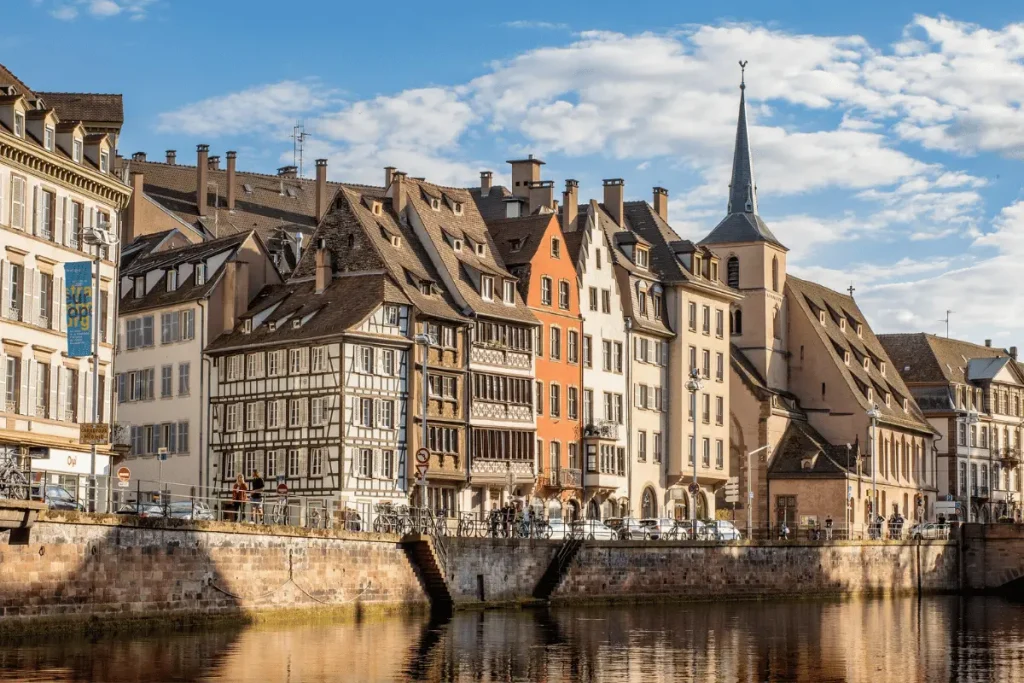
Strasbourg’s historic center includes the Grande Île, Strasbourg Cathedral, canals, and the Petite France district. The city is also a useful base for exploring the wider Alsace region, including smaller towns, vineyards, and villages along the Alsace Wine Route.
Alsace combines French and Central European influences in its architecture, cuisine, and cultural traditions. The region is particularly atmospheric during the Christmas season, when Strasbourg and surrounding towns become major festive destinations.
However, Alsace is not limited to winter. Spring, summer, and fall offer opportunities to explore vineyards, villages, walking routes, and historic centers.
Best for: Architecture, villages, couples, Christmas travel, food
Ideal stay: 2–4 days
Planning tip: Use Strasbourg as your main city base, then dedicate separate days to the surrounding villages and vineyards rather than trying to cover the entire region in one long excursion.
7. Lyon
Lyon is a particularly good destination for travelers who want French food, history, and urban culture outside Paris.
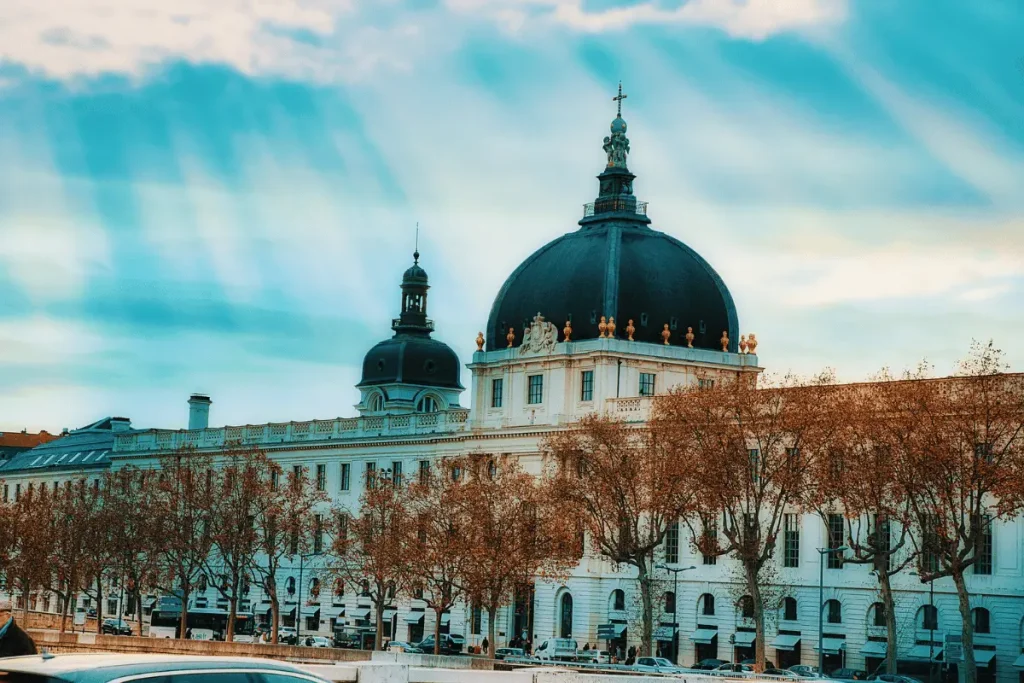
The city sits at the meeting point of the Rhône and Saône rivers and offers a mix of historic neighborhoods, traditional food, museums, markets, and modern cultural spaces.
Visitors can explore Vieux Lyon, Fourvière, the Presqu’île, traditional bouchons, and the city’s historic streets. Lyon is also useful geographically, making it practical to combine with destinations in the Alps, Burgundy, Provence, or the Rhône Valley.
For food-focused travelers, Lyon can be more than a quick stop between larger destinations. Its restaurants, markets, and local culinary traditions can easily fill a two- or three-day itinerary.
Best for: Food lovers, culture, history, city breaks
Ideal stay: 2–3 days
Planning tip: Stay centrally so you can walk between the historic districts, major sights, and restaurants. This is particularly useful when you have only two or three days in the city.
8. Loire Valley
The Loire Valley is one of the best destinations in France for travelers interested in châteaux, gardens, history, and countryside.
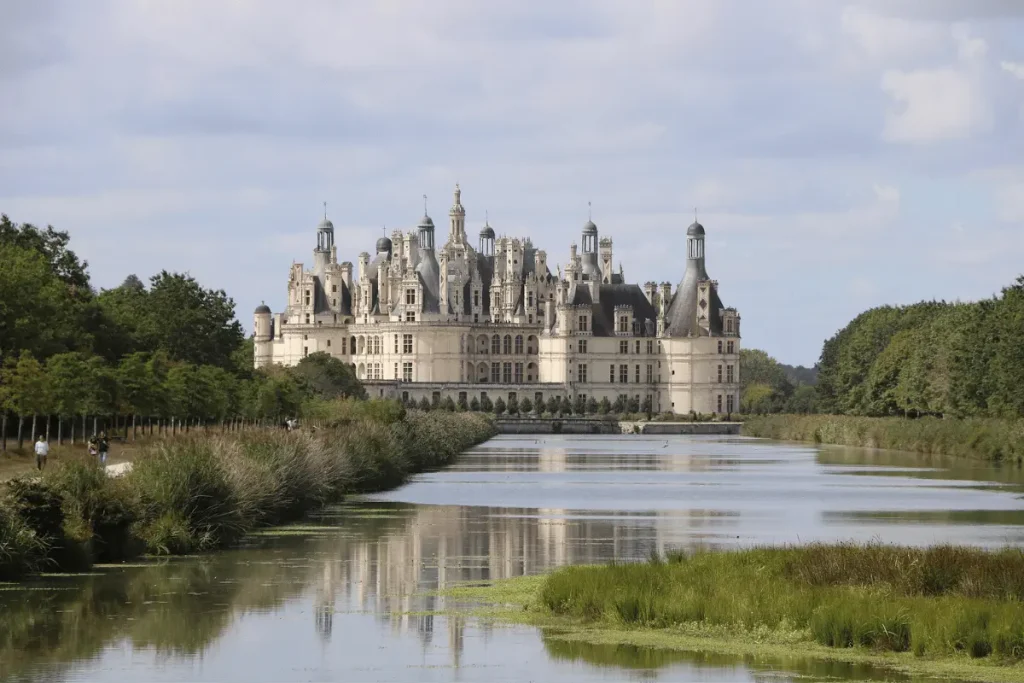
The region is famous for its Renaissance castles, including Château de Chambord and Château de Chenonceau. Beyond the major châteaux, travelers can explore gardens, historic towns, vineyards, cycling routes, and villages along the Loire River.
The Loire Valley works particularly well for couples and families because the attractions are varied enough to build a relaxed itinerary around more than castle interiors alone.
You can also combine a Loire Valley stay with Paris, making the region a practical addition to a longer central France itinerary.
Best for: History, castles, families, couples, countryside
Ideal stay: 2–3 days
Planning tip: Select two or three châteaux that are close enough to combine comfortably. Trying to visit too many in one day usually leaves little time for the gardens, villages, and countryside between them.
Visit the Loire Valley on France.fr
9. Bordeaux
Bordeaux is a strong choice for travelers interested in wine, food, architecture, and an elegant city break in southwestern France.
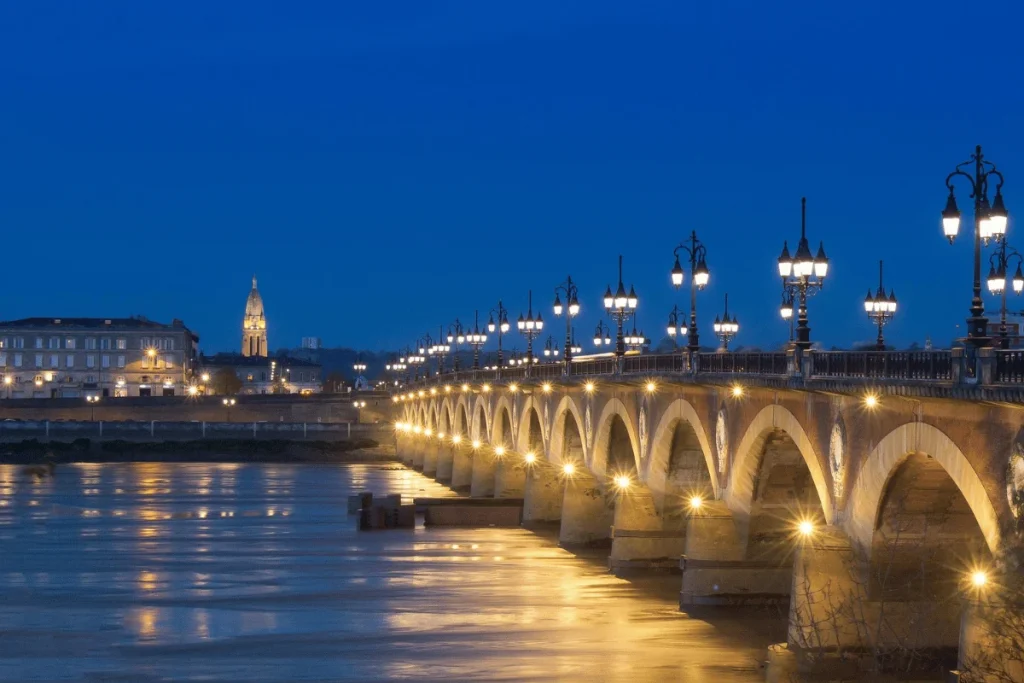
Bordeaux sits along the Garonne River and is internationally associated with its surrounding wine regions. Inside the city, visitors can explore the historic center, riverfront, Water Mirror, and Cité du Vin.
The city also works well as a base for exploring nearby wine areas, including Saint-Émilion, as well as parts of the Atlantic coast and wider Nouvelle-Aquitaine region.
Bordeaux can suit travelers who want a city experience with easy access to countryside and wine-country day trips.
Best for: Wine, food, architecture, couples
Ideal stay: 2–3 days
Planning tip: Keep the city sightseeing and vineyard visits as separate parts of the itinerary. That gives you enough time to explore central Bordeaux without turning a winery day into a rushed schedule.
10. French Alps
The French Alps are the place to go in France for dramatic mountain scenery, hiking, skiing, alpine villages, and outdoor adventures.
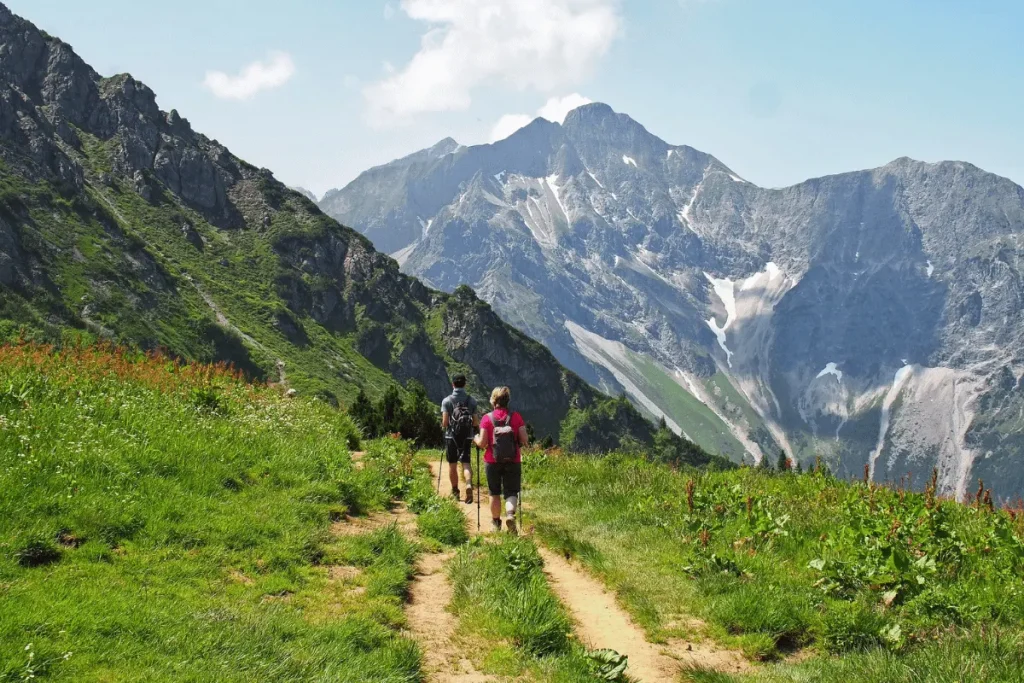
This region offers a completely different experience from France’s major cities and coastal destinations. Travelers can explore mountain towns, alpine lakes, hiking trails, ski resorts, and high-altitude scenery.
Chamonix and the Mont Blanc area are among the best-known destinations, while other Alpine towns and resorts offer opportunities for skiing, snowboarding, hiking, cycling, and other outdoor pursuits.
The experience changes significantly by season. Winter focuses on skiing and snow activities, while summer is better suited to hiking, mountain scenery, cycling, lakes, and other outdoor activities.
Best for: Nature, hiking, skiing, outdoor adventures
Ideal stay: 3–5 days
Planning tip: Choose the Alpine base around your main activity. A winter ski trip requires a different location and schedule from a summer hiking holiday, so choosing the resort first is often more useful than choosing the region as a whole.
Explore the Alps-Mont Blanc on France.fr
11. Corsica
Corsica is ideal for travelers who want Mediterranean beaches combined with mountains, hiking, dramatic scenery, and a road-trip experience.
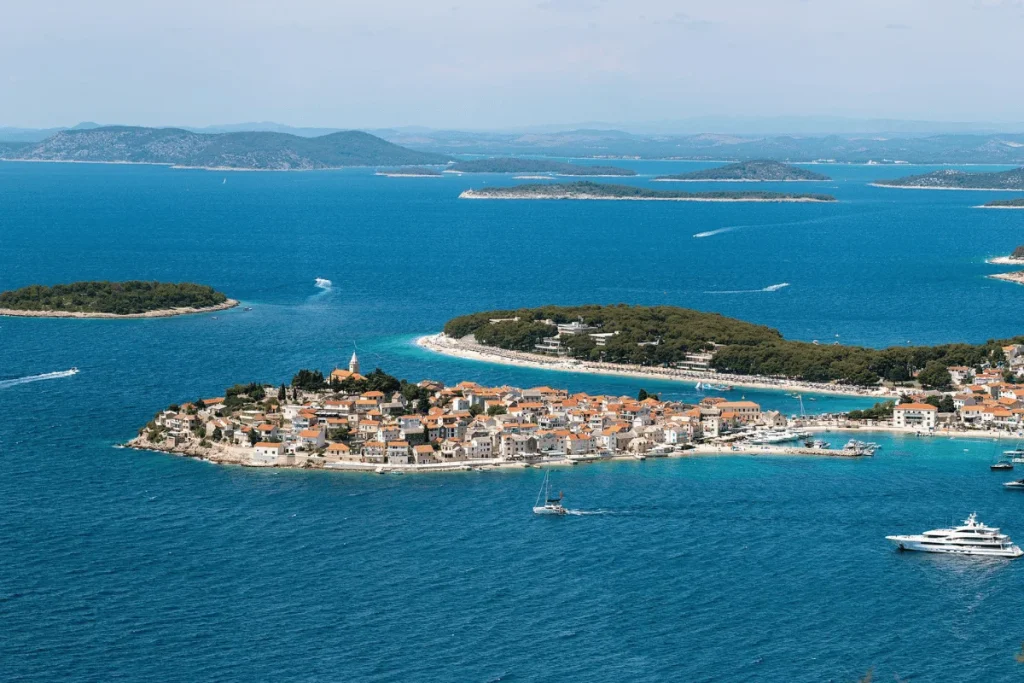
The island offers a striking combination of coastline and rugged interior landscapes. Travelers can explore clear waters, beaches, mountain villages, coastal roads, and historic towns.
Destinations such as Bonifacio, Ajaccio, Calvi, and Porto-Vecchio can be incorporated into a longer itinerary, depending on how much of the island you want to see.
Corsica is particularly well suited to road trips because the scenery changes considerably between coastal areas and the mountains. That also means driving times can be longer than distances on a map might suggest.
Best for: Beaches, hiking, road trips, nature
Ideal stay: 4–7 days
Planning tip: May, June, September, and October are particularly useful months for outdoor activities because conditions are generally more comfortable than the hottest part of summer. For a road trip, choose a small number of regions rather than attempting to see the entire island in a few days.
12. Brittany
Brittany is one of the best places to visit in France for travelers who prefer dramatic Atlantic scenery, historic towns, seafood, and coastal road trips.
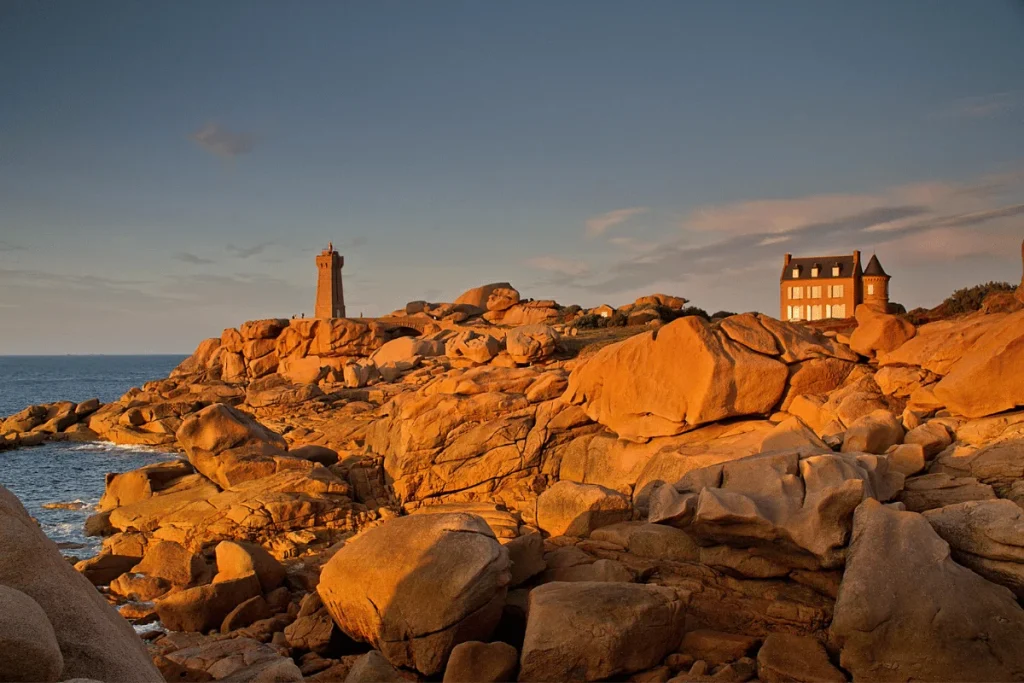
The region’s coastline is one of its biggest attractions, with cliffs, beaches, harbors, lighthouses, and coastal walking paths. Inland, travelers can explore historic towns and villages, while Breton cuisine and regional traditions add another layer to the trip.
Brittany offers a very different coastal experience from the Mediterranean. Instead of warm southern beaches and seaside resorts, the landscape is shaped by the Atlantic, rugged cliffs, changing weather, fishing ports, and long coastal stretches.
The region works particularly well for travelers who enjoy driving between small towns rather than staying in one major city.
Best for: Coastal trips, road trips, food, villages, nature
Ideal stay: 3–5 days
Planning tip: Build your route around one section of the coast at a time. Two or three bases are usually more practical than trying to cover the entire region from a single hotel.
Best Places to Visit in France by Travel Style
Best Places to Visit in France for First-Time Visitors
For a first trip, Paris is the most straightforward starting point because it combines major landmarks, museums, neighborhoods, food, and transportation connections. Travelers planning a city-focused trip can also explore our guide to Best Cities to Visit in France for more ideas.
If you have more than a few days, add one contrasting destination rather than trying to cover several regions. Paris and Normandy work well for history and coastal scenery, while Paris and the Loire Valley offer a combination of city sightseeing and castles.
For a stronger Mediterranean contrast, combine Paris with Nice. Travelers who prefer countryside and food can consider Paris and Provence instead.
The most important thing is to avoid turning a first visit into a race across France. Two well-chosen bases usually provide a better experience than several one-night stops.
Best Places to Visit in France for Couples
Couples have many options depending on the type of trip they want.
Provence is ideal for villages, countryside, markets, food, and scenic drives. Nice and the French Mediterranean coast work well for a combination of beaches and city experiences. For more ideas, explore our guide to Best Travel Destinations for Couples in France.
For a slower countryside escape, the Loire Valley is another option, especially for travelers interested in château visits, gardens, and wine.
Couples who prefer nature can also consider the French Alps in summer or Corsica for a longer beach-and-road-trip itinerary.
Best Places to Visit in France for Families
Families can choose destinations that combine sightseeing with outdoor activities and relatively easy day trips.
Paris offers museums, parks, landmarks, and attractions for different ages. The Loire Valley works well for families interested in castles and gardens, while Normandy combines history with beaches and countryside.
For outdoor-focused trips, the French Alps can offer hiking in summer and snow activities in winter. Brittany is another useful option for families who prefer coastal scenery and road trips.
When traveling with children, limiting the number of hotel changes can make a significant difference to the overall pace of the trip.
Best Places to Visit in France for Beaches and Coastal Trips
For Mediterranean beaches and warm-weather travel, consider Nice, Corsica, and the wider French Riviera.
For Atlantic scenery, Brittany offers a very different coastal experience, with cliffs, rocky shores, fishing towns, beaches, and dramatic landscapes.
Normandy is another coastal option for travelers who want to combine beaches with history, while the Atlantic coast around Bordeaux provides opportunities to add seaside destinations to a food-and-wine trip.
The best choice depends on the kind of coastline you prefer. Mediterranean destinations generally emphasize beaches, seaside towns, and warmer-weather travel, while Atlantic and Channel regions offer a more rugged landscape and stronger emphasis on coastal scenery and heritage.
Best Places to Visit in France by Season
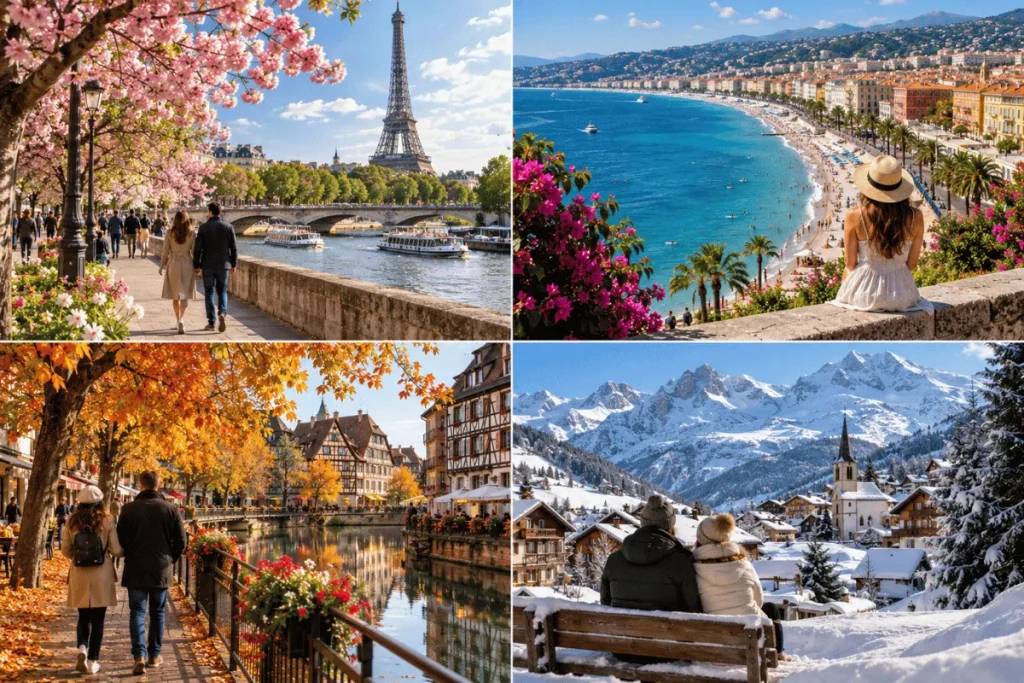
Best Places to Visit in France in Spring
Spring is a useful season for exploring cities, countryside, and southern France before the busiest summer travel period.
Paris, Provence, the Loire Valley, Nice, Lyon, Normandy, and Bordeaux can all work well depending on your interests. For Normandy, late spring, especially May, fits the seasonal window shown in the comparison table.
This season is especially useful for travelers who want to spend more time walking through historic centers, exploring gardens, visiting vineyards, or enjoying countryside scenery without making the trip entirely dependent on peak summer beach weather.
Spring can also be a practical compromise for travelers who want a broad France itinerary with a mix of city sightseeing and outdoor experiences.
Best Places to Visit in France in Summer
Summer is particularly suitable for coastal and outdoor destinations.
Nice, Corsica, Brittany, Normandy, the French Alps, and Provence can all work well depending on your interests. Coastal destinations are especially popular during this period, while the Alps shift toward hiking, cycling, lakes, and other warm-weather activities.
Corsica is included here for its peak beach and coastal season, while the comparison table extends its broader recommended window through September.
Bordeaux can also be included in a summer trip, particularly when combined with the Atlantic coast or wine-country excursions.
Because summer is a busy travel period, booking accommodation and transportation earlier is generally useful for popular destinations. For road trips, it is also worth allowing extra flexibility rather than scheduling every hour of every day.
Best Places to Visit in France in Fall
Fall can be an excellent time for city breaks, wine regions, countryside trips, and food-focused travel.
Bordeaux, Lyon, Paris, Provence, Strasbourg, the Loire Valley, Normandy, and Corsica are all worth considering. For Normandy and Corsica, September is the clearest overlap with the seasonal windows shown in the comparison table.
Normandy can be especially appealing in early fall for travelers interested in countryside, food, coastal scenery, and quieter regional travel. Corsica also remains useful in September, when outdoor activities and coastal travel can be more comfortable than during the hottest summer period.
September can be particularly attractive for travelers who want pleasant conditions while avoiding some of the busiest parts of the summer season.
Best Places to Visit in France in Winter
Winter creates a completely different France itinerary.
For snow and mountain activities, the French Alps are the obvious choice. For festive atmosphere, Strasbourg and Alsace are particularly well known for Christmas markets and seasonal decorations.
Paris also remains a practical winter city destination because museums, restaurants, historic neighborhoods, and indoor attractions can fill an itinerary even when the weather is cold.
Mont Saint-Michel and Normandy can still be visited in winter, but the experience is more focused on history, architecture, scenery, and quieter sightseeing than on a traditional coastal vacation.
Planning a Trip to France
How Many Days Do You Need in France?
The ideal length depends on how many regions you want to visit and how much time you want to spend in transit.
For 5 days, staying in Paris or combining Paris with one nearby destination is more realistic than trying to cross the country.
With 7 days, you can explore Paris and add one additional region such as Normandy, the Loire Valley, or Nice.
With 10 days, you can create a more varied itinerary with Paris plus two regions, provided you keep transportation time under control.
With 14 days, you have enough time to combine several destinations, such as Paris, the Loire Valley, and Provence, or Paris, Normandy, and Brittany.
France is large, so a slower itinerary covering fewer places can often provide a better experience than changing hotels every night.
How to Choose the Best France Route
The best route depends on geography as much as personal interests.
For a first trip, a Paris → Loire Valley → Normandy route creates a logical combination of city sightseeing, castles, and historic coastline.
For southern France, Nice → Provence works naturally because the two areas can be combined into one Mediterranean-focused itinerary.
For a western trip, Normandy → Brittany allows you to combine historic sites with Atlantic coastline and regional culture.
Another option is Paris → Lyon → French Alps, which works well for travelers interested in city culture, food, and mountain scenery.
If you want to cover several regions, look at train connections first and then decide whether renting a car would actually improve the itinerary.
Getting Around France
France has an extensive rail network, making trains one of the most convenient ways to travel between major cities.
High-speed trains can connect major destinations efficiently, while regional trains serve smaller cities and towns. Paris is particularly well connected to destinations throughout the country.
A rental car becomes more useful when exploring rural areas, villages, wine regions, Provence, Brittany, Corsica, or parts of the Loire Valley where attractions are spread out.
A combination of trains and rental cars can therefore work better than choosing only one form of transportation for the entire trip.
For multi-region trips, consider using trains between major cities and renting a car only when you reach an area where driving provides a clear advantage.
Where to Stay in France
Where you stay can significantly affect the pace of your trip.
In Paris, staying near a convenient Metro or RER connection can be more useful than choosing accommodation solely by neighborhood name.
In Nice, staying near the center or Old Town makes it easier to combine the beach, historic areas, restaurants, and transportation.
In Provence and the Loire Valley, a smaller town or countryside base can work well if you have a rental car.
For Corsica and Brittany, choosing accommodation based on your planned driving route is especially important because distances can take longer than they appear on a map.
In Normandy, staying near the attractions you plan to visit can reduce daily driving, especially if your itinerary includes D-Day sites and coastal towns.
For a multi-city itinerary, it is usually better to spend several nights in each base rather than moving every day.
Best Places to Visit in France: FAQ
What are the best places to visit in France for the first time?
The best places to visit in France for a first trip include Paris, Nice, Provence, Normandy, and the Loire Valley, depending on your interests. Paris is the easiest starting point for major landmarks and museums, while Nice suits Mediterranean travel, Provence suits countryside and food, Normandy combines history and coastline, and the Loire Valley is known for châteaux and gardens.
What is the best part of France to visit?
There is no single best part of France for every traveler. Northern and western France are particularly appealing for history and Atlantic or Channel landscapes, eastern France offers destinations such as Alsace and the Alps, while southern France is known for Mediterranean scenery, Provence, and coastal destinations. The right region depends on the type of trip you want.
How many days do you need to visit France?
A week can work well for Paris plus one additional region. Ten days allows more flexibility and makes it easier to combine two or three destinations without rushing. Two weeks is more suitable for travelers who want to explore several regions while keeping transportation time manageable. For a shorter trip, focusing on fewer places usually creates a more relaxed itinerary.
What is the best time to visit France?
The best time to visit France depends on the experience you want. Spring and fall work well for cities, countryside, sightseeing, and food-focused trips. Summer is popular for beaches, coastal destinations, and outdoor travel, while winter is especially suitable for the French Alps and festive experiences in places such as Strasbourg and Alsace.