
10 Best National Parks to Visit in the United States
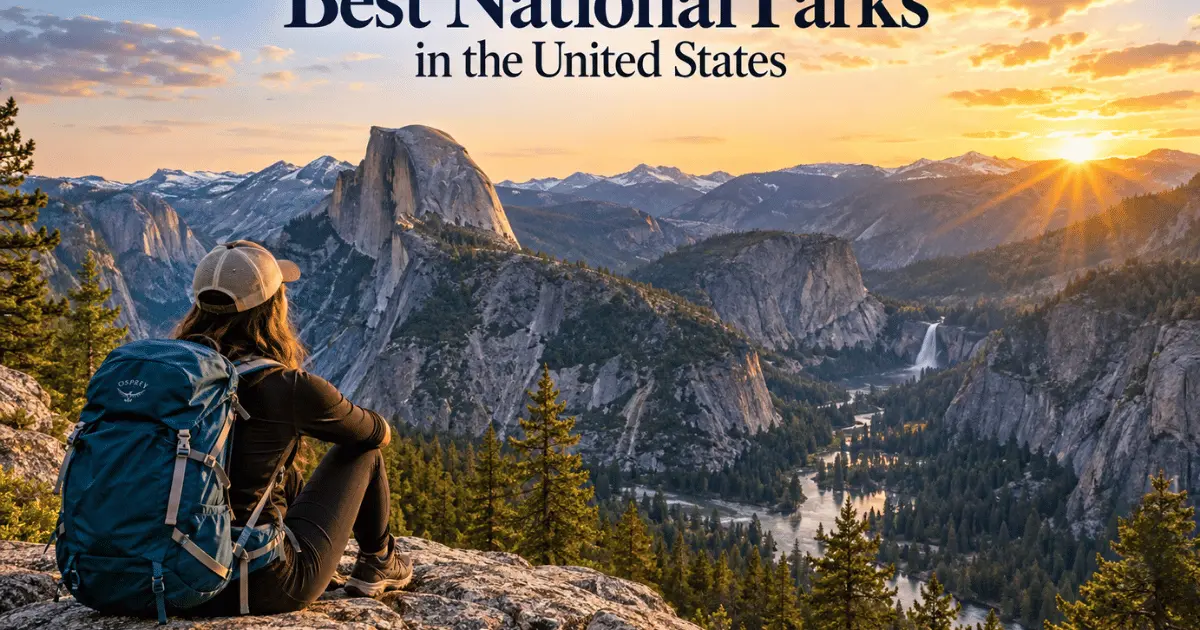
The best national parks in the United States offer some of the country’s most memorable travel experiences, from granite peaks and alpine lakes to red-rock formations, dense forests, waterfalls, beaches, and geothermal landscapes.
The difficult part is choosing where to go. A first-time visitor may want iconic scenery and easy access, while a family may prefer scenic drives, wildlife, and shorter hikes. Experienced hikers may care more about challenging trails, mountain scenery, or backcountry opportunities.
To make the decision easier, this guide highlights 10 of the best national parks in the United States, explains what makes each one worth visiting, who it suits best, and how much time to allow.If you’re also interested in exploring other top U.S. destinations, see our guide to the best places to visit in the USA.
Best National Parks in the United States
Quick Comparison of the Best National Parks in the United States
| National Park | Best For | Ideal Trip |
|---|---|---|
| Yosemite | Waterfalls, granite scenery, hiking | 2–4 days |
| Yellowstone | Wildlife, geysers, geothermal features | 3–5 days |
| Zion | Canyon scenery, hiking | 2–3 days |
| Grand Teton | Mountains, wildlife, scenic drives | 2–3 days |
| Glacier | Alpine scenery, hiking, scenic drives | 2–4 days |
| Grand Canyon | Views, hiking, road trips | 2–3 days |
| Olympic | Coast, rainforest, mountains | 2–4 days |
| Rocky Mountain | Mountain scenery, hiking, wildlife | 2–4 days |
| Great Smoky Mountains | Forests, scenic drives, families | 2–4 days |
| Arches | Red-rock formations, photography | 1–2 days |
Trip lengths are general planning suggestions rather than fixed rules. The right amount of time depends on your pace, trail choices, road conditions, seasonal access, and whether you plan to explore nearby destinations.
1. Yosemite National Park
Yosemite is one of the best national parks in the United States for travelers who want dramatic scenery without giving up a wide range of outdoor activities.
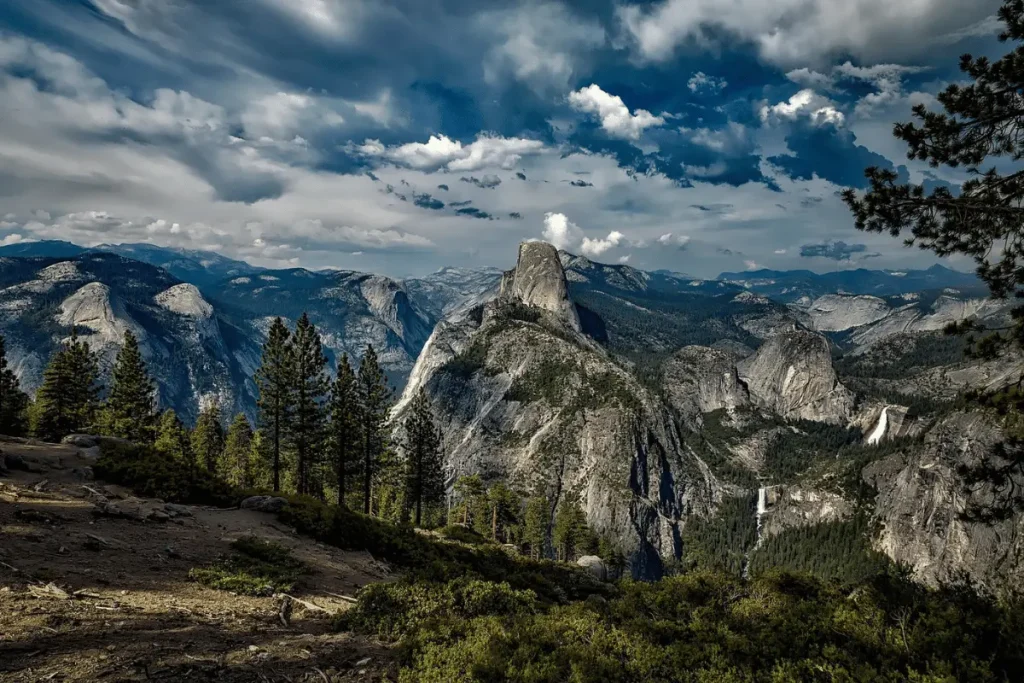
The park is famous for towering granite formations, waterfalls, meadows, deep valleys, and giant sequoias. Yosemite Valley is the main focus for many first-time visitors, but the park extends far beyond the valley and offers a much wider variety of landscapes. The National Park Service notes that Yosemite covers nearly 1,200 square miles and is especially well known for its waterfalls. (National Park Service)
One of the best ways to experience Yosemite is to mix different types of activities instead of trying to see everything in one day. You might spend one morning visiting major viewpoints, another hiking a trail, and another exploring quieter parts of the park.
Spring can be especially rewarding for waterfalls because snowmelt increases their flow, while summer generally provides greater access to higher areas. Yosemite can also become extremely busy from spring through fall, so starting early can make the experience much easier.
Best for: Waterfalls, granite landscapes, hiking, photography, and first-time national park visitors.
Recommended stay: 2–4 days.
Practical tip: Plan accommodation and major activities ahead of time. In 2026, an entrance reservation is not required, but lodging, camping, and backpacking should still be planned well in advance.
2. Yellowstone National Park
Yellowstone is unlike almost anywhere else in the United States. It combines geysers, hot springs, wildlife, forests, lakes, waterfalls, and enormous mountain landscapes across a huge area.
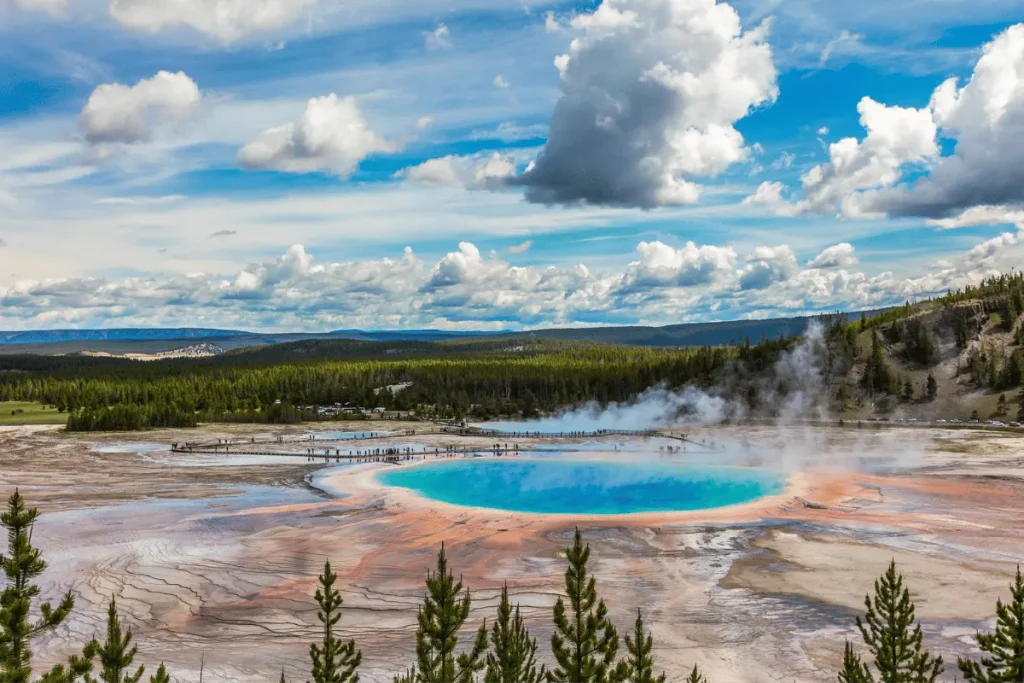
The park covers about 2.2 million acres and has five main entrances, so distances can be significant. Its geothermal features are the main attraction for many visitors, but wildlife viewing and scenic drives can be just as memorable.
Old Faithful is the obvious starting point, but it is only one part of the experience. The Grand Canyon of the Yellowstone, Yellowstone Lake, Hayden Valley, and the park’s other geothermal areas show just how diverse the landscape is.
Yellowstone also requires more planning than a typical short getaway. During peak season, the National Park Service recommends arriving at entrances before 7 a.m. or after noon and avoiding major attractions during the busiest hours when possible.
Best for: Wildlife, geysers, scenic drives, hiking, photography, and outdoor adventures.
Recommended stay: 3–5 days.
Practical tip: Choose your accommodation based on the parts of the park you want to explore. Yellowstone is too large to treat like a compact destination, and reducing daily driving can make a major difference.
3. Zion National Park
Zion is one of the best national parks in the United States for travelers who want dramatic canyon scenery and memorable hiking without planning a week-long trip.
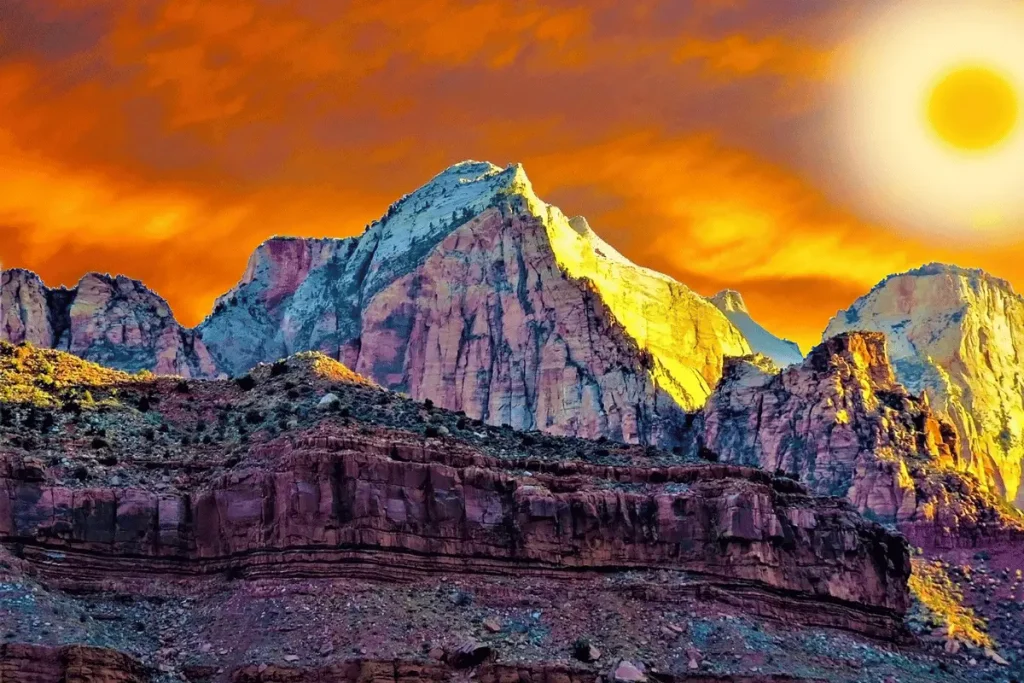
The park’s towering sandstone cliffs create a completely different environment from Yosemite or Yellowstone. Hiking is one of its biggest attractions, with options ranging from relatively accessible trails to demanding routes for experienced visitors.
The National Park Service states that Zion is open year-round, although visitor-center hours and shuttle schedules change seasonally. Most visitors do not need a reservation or permit simply to enter the park or ride the shuttle, although permits are required for certain activities such as Angels Landing.
The shuttle system can also make a major difference in how easily visitors explore Zion Canyon, particularly during busy periods.
Best for: Hiking, canyon scenery, photography, and short outdoor getaways.
Recommended stay: 2–3 days.
Practical tip: Check current trail conditions, weather, and shuttle information before starting your day. Conditions can change quickly, especially during warmer or stormier periods.
4. Grand Teton National Park
Grand Teton is an excellent choice for travelers who want dramatic mountain scenery without the enormous scale of Yellowstone.
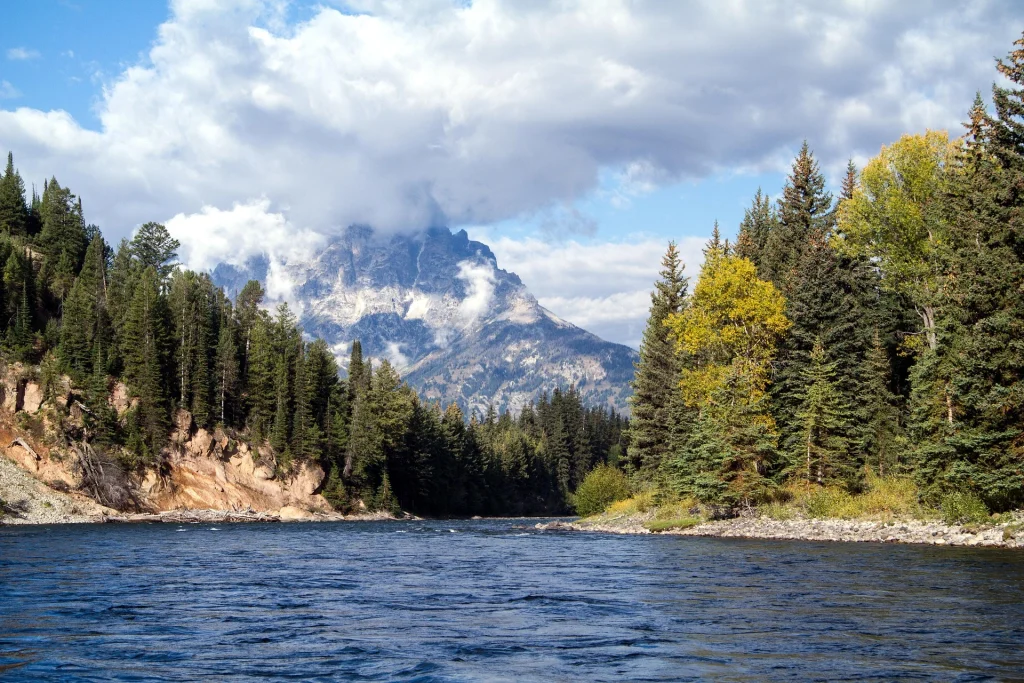
The Teton Range dominates the landscape, creating spectacular views from scenic roads, lakes, trails, and overlooks. The park is particularly appealing for photography, wildlife watching, hiking, and road trips.
Grand Teton can also be combined naturally with Yellowstone because of their proximity. However, the two parks feel very different. Yellowstone is defined by geothermal features and a wide variety of environments, while Grand Teton is immediately dominated by its mountain backdrop.
For 2026, the National Park Service advises visitors to plan ahead and remain flexible because construction is underway in different parts of the park. It also recommends checking conditions and arriving early or later in the day for busy locations such as Jenny Lake.
Best for: Mountain scenery, wildlife, scenic drives, hiking, and photography.
Recommended stay: 2–3 days.
Practical tip: Consider combining Grand Teton and Yellowstone into one longer trip rather than trying to experience both in a rushed itinerary.
5. Glacier National Park
Glacier National Park is one of the best choices for travelers who want alpine landscapes, mountain lakes, scenic drives, and hiking in the same trip.
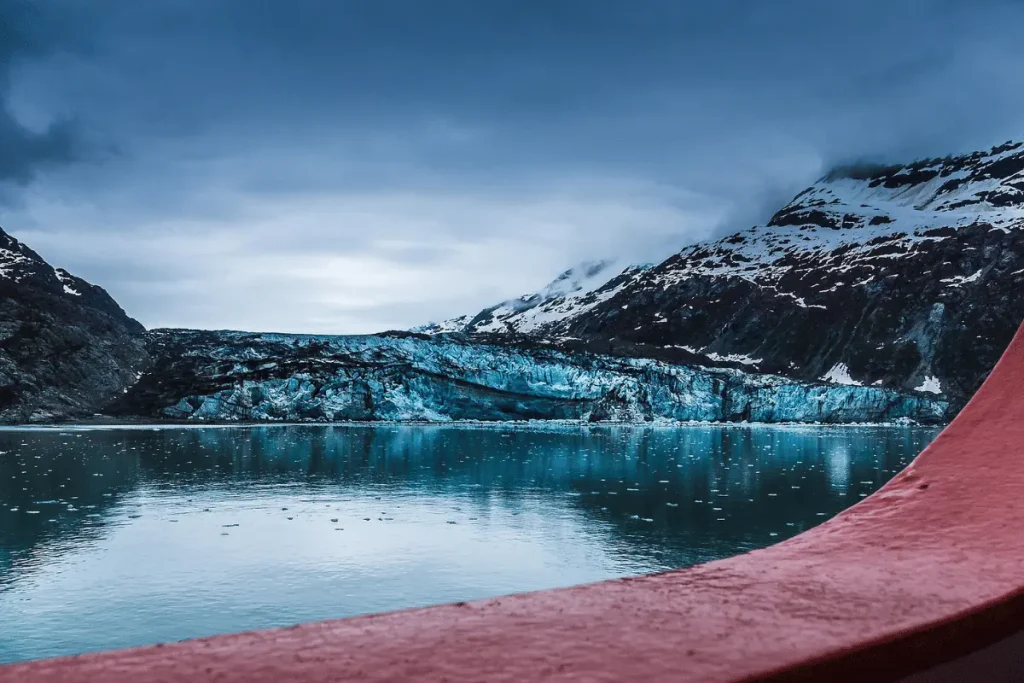
The park contains mountains, forests, lakes, valleys, and dramatic viewpoints. Going-to-the-Sun Road is one of its best-known experiences, but the National Park Service points out that it is only one part of the park. There are many other areas worth exploring.
Hiking is a major reason people visit Glacier, but the park also offers biking, boating, camping, ranger programs, and guided activities.
Summer is the busiest period, and even September can remain crowded. Checking road, trail, and campground conditions before traveling is particularly important.
Best for: Hiking, alpine scenery, scenic drives, photography, and outdoor adventures.
Recommended stay: 2–4 days.
Practical tip: Download important maps and park information before entering. Cell service can be limited in remote areas, so having offline resources available is useful.
6. Grand Canyon National Park
Grand Canyon National Park is one of the easiest recommendations for anyone searching for the best national parks in the United States.
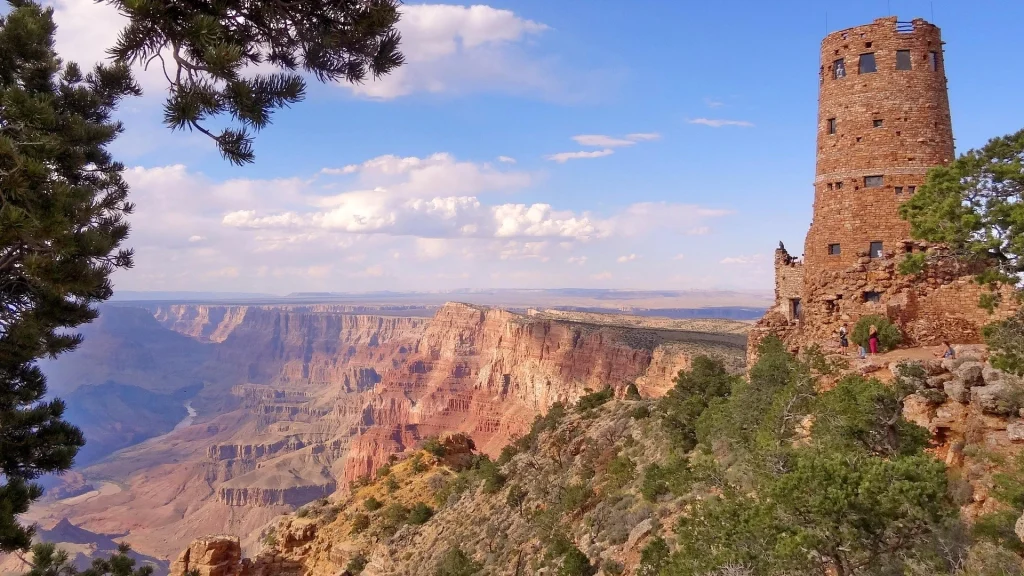
Its scale is difficult to appreciate from photographs alone. The layered canyon, enormous viewpoints, changing light, and Colorado River far below create an experience that can be impressive even for visitors who never hike below the rim.
The South Rim is open year-round, making it one of the most flexible choices for a first national park trip. The park offers viewpoints, trails, scenic drives, lodging, camping, and more ambitious hiking and river experiences.
You do not need to hike deep into the canyon to have a rewarding visit. For many travelers, combining several viewpoints with a section of the Rim Trail is enough for a memorable first trip.
Best for: Scenic views, photography, hiking, road trips, and first-time national park visitors.
Recommended stay: 2–3 days.
Practical tip: Give yourself more time than you think you need. Distances, traffic, parking, and time spent at viewpoints can make a single-day visit feel rushed.
7. Olympic National Park
Olympic is one of the most diverse national parks on this list because it combines several very different ecosystems in one destination.

You can find mountain landscapes, beaches, temperate rainforests, and large wilderness areas. The National Park Service describes Olympic as a place where forest, coastal, and mountain ecosystems come together.
That diversity makes Olympic especially attractive for travelers who do not want to choose between mountains and the coast.
It also means you need to think carefully about distances. There are no roads that cross directly through the park, and the National Park Service recommends planning activities with both time and distance in mind. Summer, particularly June through September, is the busiest season.
Best for: Coastlines, rainforests, mountains, hiking, and road trips.
Recommended stay: 2–4 days.
Practical tip: Avoid trying to cover every major area in one day. Choose a few regions and build your route around them instead.
8. Rocky Mountain National Park
Rocky Mountain National Park is one of the best options for travelers who want classic mountain scenery, wildlife, scenic drives, and hiking.
Located in northern Colorado, the park offers wildlife viewing, scenic drives, hiking, fishing, camping, and ranger-led programs. It is open year-round, although conditions vary considerably with elevation and season.
The landscape changes dramatically as you gain elevation, which is part of the park’s appeal. Summer is ideal for many higher-elevation adventures, while fall brings colorful foliage and winter creates a very different experience.
Some summer and fall visits require additional planning. The National Park Service currently notes that timed-entry reservations are required during certain hours of parts of the season, so visitors should check the official requirements before traveling.
Best for: Mountain scenery, hiking, wildlife, scenic drives, and families who enjoy the outdoors.
Recommended stay: 2–4 days.
Practical tip: Do not underestimate elevation. A trail that looks short on a map can be considerably more challenging at high altitude.
9. Great Smoky Mountains National Park
Great Smoky Mountains National Park offers a very different experience from the dramatic deserts and alpine scenery of the western parks.
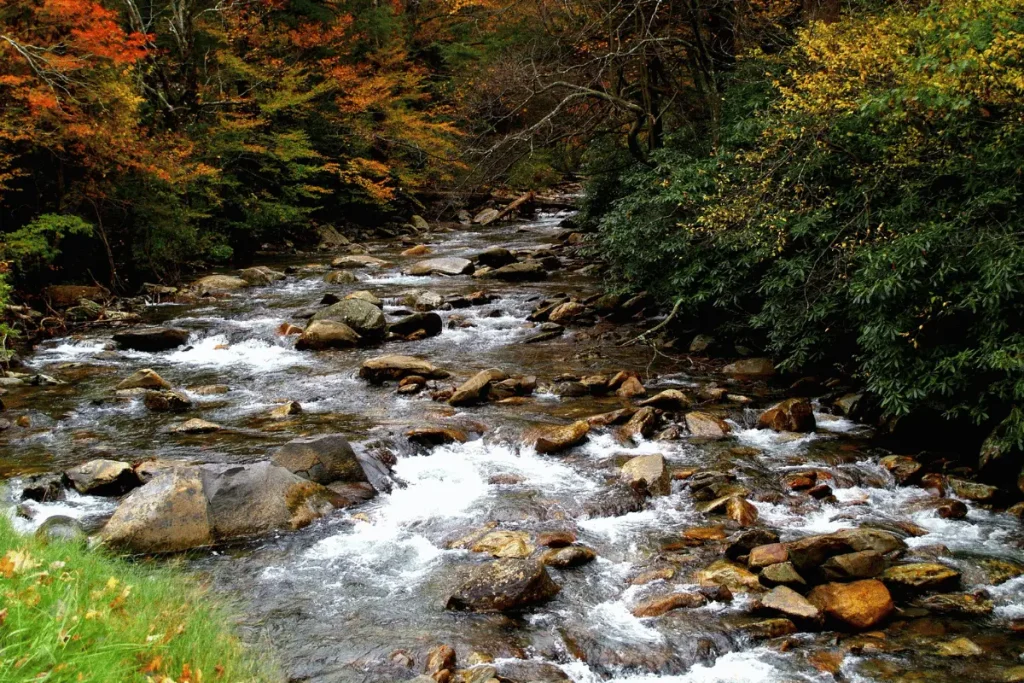
The park is known for forests, mountain ridges, wildlife, wildflowers, historic structures, and scenic roads. It stretches across Tennessee and North Carolina and contains more than 500,000 acres.
It is particularly attractive for families and travelers who want a mixture of scenic drives, shorter hikes, wildlife viewing, picnic areas, and opportunities to explore the region’s cultural history.
Another important practical detail is that parking tags are required for vehicles parked in the park for more than 15 minutes.
Best for: Families, scenic drives, forests, wildlife, easy outdoor experiences, and fall scenery.
Recommended stay: 2–4 days.
Practical tip: Cell service can be extremely limited. Download maps before you go and keep a physical map available as a backup.
10. Arches National Park
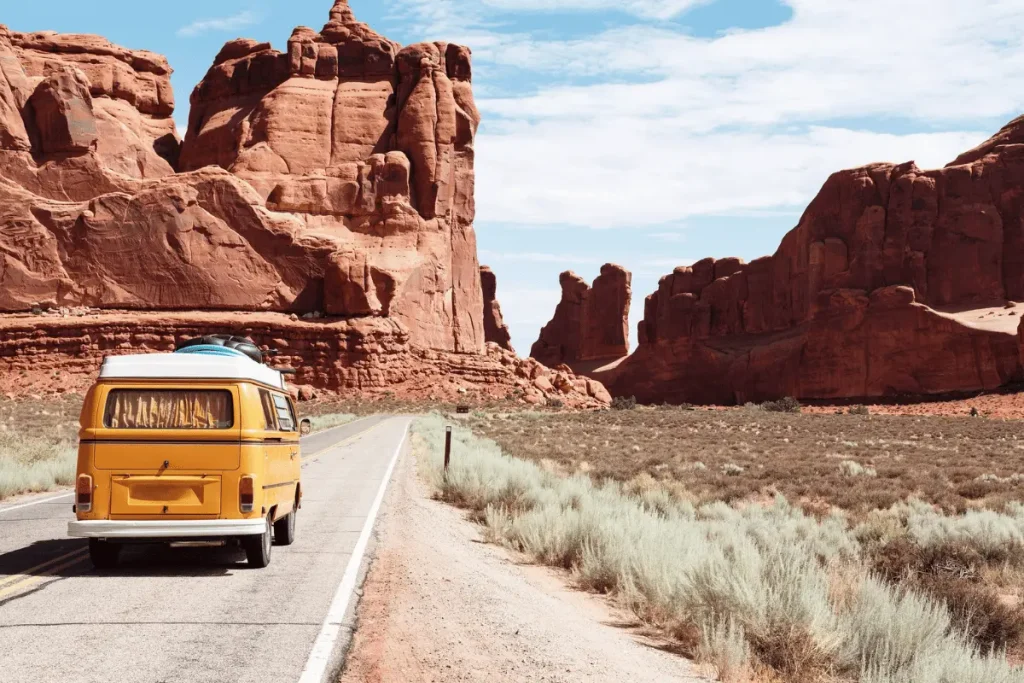
Arches is a strong choice for travelers who want spectacular scenery without committing to a long national park itinerary.
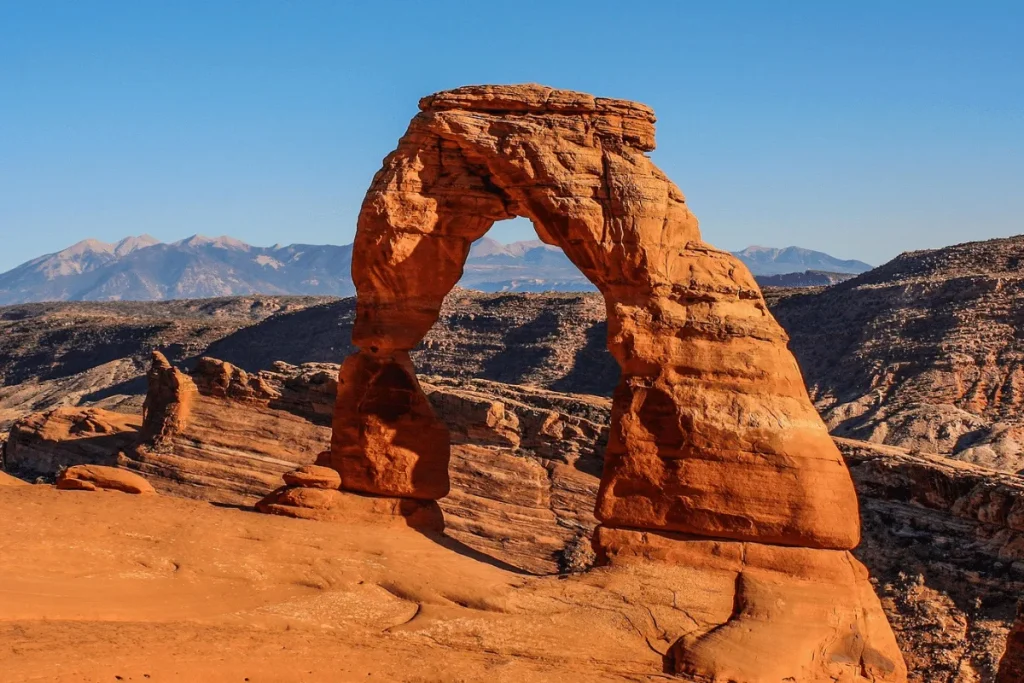
The landscape is dominated by red-rock formations, towering fins, balanced rocks, and thousands of natural stone arches. The National Park Service describes the park as having more than 2,000 natural stone arches. (National Park Service)
Many visitors combine Arches with nearby Canyonlands and the town of Moab, making it a useful stop on a Southwest road trip.
Because much of the park can be hot and exposed, timing matters. Sunrise and early morning can be especially pleasant for hikes and photography, while midday is often better for shorter stops or other nearby activities.
For 2026, Arches does not require an advanced timed-entry reservation to enter, although reservations remain necessary for Devils Garden Campground and certain Fiery Furnace experiences.
Best for: Red-rock scenery, photography, short trips, hiking, and road trips.
Recommended stay: 1–2 days.
Practical tip: Start outdoor activities early, especially during warmer months, and carry enough water for the conditions.
How to Choose the Best National Parks in the United States for Your Trip
Choosing a national park becomes much easier when you start with the experience you want rather than simply picking the most famous name.
Best Parks for First-Time Visitors
For a first national park trip, Yosemite, Yellowstone, Grand Canyon, and Zion are excellent starting points.
Yosemite provides an impressive mix of waterfalls, granite landscapes, and hiking. Yellowstone gives you wildlife and geothermal features. The Grand Canyon delivers unforgettable scenery with relatively straightforward access to major viewpoints, while Zion is ideal when hiking and canyon landscapes are the priority.
Your choice should depend on how you like to travel. A traveler who wants spectacular views with less hiking may prefer the Grand Canyon, while someone looking for a more active trip might choose Zion.
Best Parks for Families
Families often benefit from parks that offer several ways to explore beyond long or difficult hikes.
Great Smoky Mountains, Grand Canyon, Yellowstone, and Rocky Mountain are particularly versatile because they combine scenic drives, viewpoints, wildlife, ranger programs, and shorter outdoor experiences.
Yellowstone can be especially memorable for children because of its geysers and wildlife, while Great Smoky Mountains makes it easy to combine scenic drives with short hikes and family-friendly stops.
Best Parks for Hiking
For serious hiking, Zion, Yosemite, Glacier, Rocky Mountain, and Grand Teton deserve close attention.
Zion is especially appealing for dramatic canyon routes, while Yosemite provides everything from shorter valley trails to more challenging mountain hikes. Glacier and Rocky Mountain are excellent for high-country scenery, and Grand Teton combines mountain views with a wide range of trails.
Conditions can change quickly in mountain parks, so always check official trail information before setting out.
Best Parks for Scenic Views
For travelers who mainly want spectacular scenery, Grand Canyon, Yosemite, Grand Teton, Glacier, and Arches are difficult to beat.
The Grand Canyon is about scale and depth. Yosemite is dominated by granite cliffs and waterfalls. Grand Teton delivers a dramatic mountain skyline, Glacier combines mountains and lakes, and Arches offers striking red-rock formations.
You also do not necessarily need long hikes to enjoy these parks. Scenic drives, overlooks, and short walks can provide some of the strongest views.
Best Time to Visit the National Parks in the United States
There is no single best month for every national park. The ideal time depends on elevation, weather, road access, crowds, and the experiences you want.
Spring
Spring can be excellent for lower-elevation parks and places known for waterfalls or wildflowers.
Yosemite is particularly appealing in spring when snowmelt increases waterfall activity.
Other parks may still have snow, seasonal road closures, or limited services, so check current operating conditions before booking.
Summer
Summer is the most popular season for many western national parks because roads, trails, campgrounds, and visitor services are generally more accessible.
It is also the busiest time.
Yellowstone, Glacier, Yosemite, Olympic, and Rocky Mountain can all become crowded during summer. Yellowstone recommends planning around peak visitor hours, while Olympic notes that June through September is its busiest period.
For popular parks, early starts and advance accommodation planning can make the trip considerably easier.
Fall
Fall can offer an attractive balance of cooler temperatures, changing foliage, and scenic landscapes.
Great Smoky Mountains and Rocky Mountain are especially appealing for travelers who want autumn scenery. Yosemite and other western parks can also be rewarding, although conditions vary considerably with elevation.
Before choosing a fall trip, check road and trail conditions because higher-elevation areas can begin experiencing winter conditions earlier than expected.
Winter
Winter transforms many national parks into completely different destinations.
Some parks remain easy to visit, while others become difficult to access because of snow and seasonal closures.
The Grand Canyon’s South Rim remains open year-round, while Zion is also open year-round, although facilities and shuttle schedules can change seasonally. (National Park Service)
Winter can therefore be a good option for travelers who want fewer crowds, but it requires more careful preparation.
Planning a Trip to the Best National Parks in the United States
How Many Days Should You Spend in a National Park?
The right length depends on the size of the park and what you want to accomplish.
For a smaller or more concentrated park such as Arches, one or two days may be enough for a first visit.
For Zion, Grand Canyon, or Grand Teton, two or three days gives you more flexibility.
Large parks such as Yellowstone, Yosemite, Glacier, Olympic, and Rocky Mountain can easily justify three to five days or more if you want to hike, drive scenic routes, see wildlife, and avoid rushing.
A common mistake is planning by the number of attractions rather than by the distances involved. A national park can look compact on a map while still taking hours to explore.
Where to Stay Near a National Park
Accommodation can significantly affect how much time you actually spend enjoying a national park.
Staying inside or immediately outside a national park may cost more, but the location can save hours of driving each day. For that reason, it is worth comparing nearby hotels, lodges, cabins, and campgrounds based on location as well as price.
For larger parks such as Yellowstone, Yosemite, Glacier, and Olympic, think about your route before booking a single hotel for the entire stay. Splitting accommodation between different areas can sometimes create a much more efficient itinerary.
When comparing places to stay, look beyond the nightly rate. Consider parking, breakfast, cancellation rules, distance from the park entrance, and whether you will need to change accommodation during the trip.
Tours, Park Reservations, and Travel Essentials
Some national park experiences are easier to organize with advance planning.
Depending on the destination, you may need to check entrance passes, permits, campground reservations, timed-entry systems, shuttle information, or special activity requirements.
These rules can change from one park to another and from one season to the next. For example, Zion currently does not require a reservation simply to enter or ride its shuttle, while certain activities require permits. Rocky Mountain has timed-entry requirements during specified seasonal periods, and Arches has specific reservation rules for some camping and Fiery Furnace experiences. (National Park Service)
Tours can also be useful when you want wildlife interpretation, guided hiking, photography instruction, or a more structured experience. For travelers who prefer a simpler trip, guided options can also reduce the amount of planning required.
For a self-guided trip, useful essentials include:
- Comfortable hiking shoes
- Reusable water bottles
- Sun protection
- Weather-appropriate layers
- Offline maps
- Food and snacks
- A reliable way to access emergency information
Do not depend completely on mobile service. Several parks have limited connectivity, particularly in remote areas. (National Park Service)
What to Know Before Visiting a National Park
The most important thing to remember is that national parks are not theme parks. Conditions can change quickly, distances can be deceptive, and some trails or roads may become unavailable because of weather, construction, fire, or other conditions.
Always check the park’s official website shortly before your trip.
Look for:
Current road conditions: Important for parks such as Yellowstone, Glacier, Grand Teton, and Rocky Mountain.
Trail conditions: Weather and elevation can make conditions very different from what you expect from photos.
Operating hours and seasonal closures: Some roads, facilities, and visitor services operate only during certain periods.
Wildlife safety: Keep a safe distance from animals and follow park rules.
Reservations and permits: Requirements vary significantly between parks.
Weather: Mountain weather can change quickly, while desert parks can become dangerously hot.
Good planning does not mean scheduling every minute. It means understanding the conditions well enough to make smart decisions once you are there.
Final Thoughts on the Best National Parks in the United States
The best national park for your trip depends on what you want to see and how you like to travel.
Choose Yosemite for waterfalls and granite landscapes, Yellowstone for wildlife and geothermal features, Zion for canyon hiking, Grand Teton for mountain scenery, Glacier for alpine adventures, Grand Canyon for iconic views, Olympic for coast and rainforest, Rocky Mountain for high-country landscapes, Great Smoky Mountains for forests and family-friendly exploration, or Arches for striking red-rock scenery.
For a first national park trip, Grand Canyon, Yellowstone, Yosemite, and Zion are among the easiest places to build a memorable itinerary around.
The key is not trying to visit as many parks as possible. Pick one that matches your interests, allow enough time to experience it without rushing, and check the official park information before you leave. A little planning can make the difference between simply seeing a national park and actually enjoying it.