
Best Cities to Visit in the United States

The best cities to visit in the United States depend on the kind of trip you want to have. Some travelers come for famous landmarks and big-city energy, while others are more interested in history, food, beaches, museums, or easy access to nature.
Your budget, the time of year, and the number of days you have can also change which destination makes the most sense. A city that works perfectly for a four-day vacation may not be the best choice for a quick weekend.
To make the decision easier, this guide focuses on 10 U.S. cities that offer very different experiences. If you’re also looking beyond cities, see our guide to the best places to visit in the USA. Then choose the destinations that best match your interests, travel style, and schedule.
Best Cities to Visit in the United States: Quick Overview
Quick Comparison of the Best Cities to Visit in the United States
| City | Best For | Ideal Trip |
|---|---|---|
| New York City | First-time visitors, culture, food | 4–6 days |
| Chicago | Architecture, food, museums | 3–4 days |
| New Orleans | Food, music, culture | 3–4 days |
| San Francisco | Sightseeing, scenery, neighborhoods | 3–4 days |
| Washington, D.C. | History, museums, families | 2–4 days |
| Miami | Beaches, warm weather, nightlife | 3–5 days |
| Boston | History, culture, walking | 2–4 days |
| Las Vegas | Entertainment, dining, nightlife | 2–4 days |
| Seattle | Food, waterfront, nature | 3–4 days |
| Charleston | History, food, relaxation | 2–3 days |
These trip lengths are starting points rather than strict rules. Your interests, travel pace, and plans for day trips can easily make a stay shorter or longer.
Best Cities to Visit in the United States
1. New York City, New York
New York City is one of the easiest recommendations for a first trip to the United States. It offers an unusually broad mix of landmarks, museums, restaurants, shopping, entertainment, parks, and neighborhoods, so different types of travelers can build completely different vacations in the same city.

For a first visit, major sights such as Times Square, Central Park, the Statue of Liberty, the Empire State Building, Rockefeller Center, and the 9/11 Memorial & Museum are obvious starting points. But New York becomes more rewarding when you move beyond the most famous attractions and spend time exploring its individual neighborhoods. For current attractions, events, and visitor information, check the official NYC tourism guide.
One of the city’s biggest advantages is variety. You might visit a museum in the morning, have lunch somewhere known for a particular cuisine, walk through Central Park in the afternoon, and finish the evening with a Broadway show.
Best for: First-time visitors, culture, food, shopping, museums, nightlife, and classic big-city experiences.
Recommended length of stay: 4–6 days.
Practical travel tip: You generally do not need a rental car in New York City. Staying near a convenient subway station can save more time and money than choosing a hotel solely because it is close to one particular attraction.
2. Chicago, Illinois
Chicago is a strong choice for travelers who want the attractions and energy of a major American city without quite the same intensity as New York.
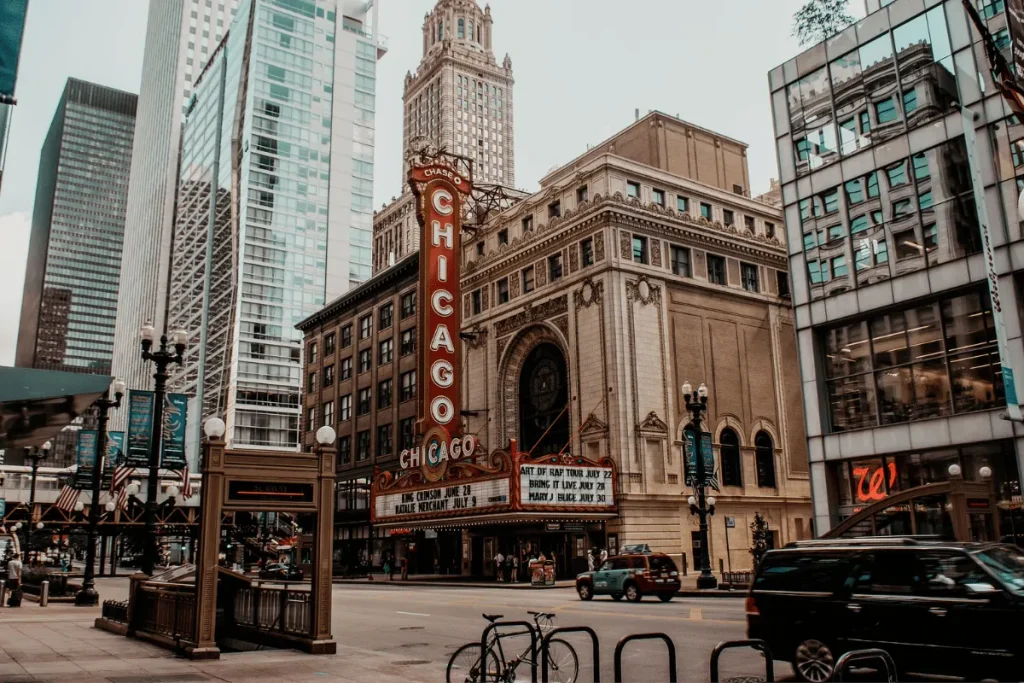
Architecture is one of its defining strengths. The Chicago River provides excellent views of the skyline, and an architecture cruise is a particularly good way to understand the city’s buildings and urban history.
There is plenty to do beyond architecture. Visitors can explore Millennium Park, Navy Pier, the Art Institute of Chicago, Museum Campus, the lakefront, neighborhood restaurants, sports venues, and music spots.
Food is another reason to visit. Deep-dish pizza is the city’s best-known specialty, but Chicago’s dining scene extends well beyond it, with restaurants representing cuisines from around the world.
Best for: Architecture, food, museums, couples, families, and weekend trips.
Recommended length of stay: 3–4 days.
Practical travel tip: Try to explore at least one neighborhood outside the downtown core. Chicago’s public transportation can also make it easier to get around without paying for parking or dealing with city traffic.
3. New Orleans, Louisiana
New Orleans feels different from almost anywhere else in the United States. Music, food, architecture, history, festivals, and local traditions combine to create a city with a very strong identity.

The French Quarter is the natural starting point, but there is much more to see beyond it. Jackson Square, St. Louis Cathedral, the French Market, historic neighborhoods, museums, riverfront areas, and live music venues can all be part of a well-balanced itinerary.
Food is a major part of the experience. Gumbo, jambalaya, po’boys, beignets, and other regional specialties give visitors a chance to experience the city through its cuisine rather than simply stopping for meals between attractions.
New Orleans also rewards travelers who leave some room in their schedule. A perfectly planned itinerary is not always necessary here; walking through a neighborhood, listening to live music, or finding an interesting restaurant can become one of the highlights of the trip.
Best for: Food lovers, music fans, culture, history, couples, and weekend getaways.
Recommended length of stay: 3–4 days.
Practical travel tip: Avoid filling every hour with scheduled activities. Leave some time to explore on foot and experience the city’s neighborhoods at a slower pace.
4. San Francisco, California
San Francisco is a strong choice for travelers who want famous landmarks combined with scenery, neighborhoods, food, and easy access to other Northern California destinations.

The Golden Gate Bridge is the city’s most recognizable landmark, but it is only one part of the experience. Alcatraz, the cable cars, Fisherman’s Wharf, Golden Gate Park, Chinatown, the Presidio, and the waterfront can easily fill several days.
San Francisco is also a useful base for a larger California itinerary. Travelers can combine their city stay with nearby destinations and outdoor experiences rather than treating San Francisco as an isolated stop.
The city’s neighborhoods add another layer to the trip. Instead of spending the entire visit moving between major attractions, you can choose a few areas to explore and give yourself time to enjoy their restaurants, streets, parks, and local character.
Best for: Sightseeing, couples, food, photography, neighborhoods, and scenic city experiences.
Recommended length of stay: 3–4 days.
Practical travel tip: Pack layers. San Francisco can feel surprisingly cool, particularly near the water, even when the rest of your trip seems warm.
5. Washington, D.C.
Washington, D.C. is one of the best U.S. cities for travelers interested in history, museums, monuments, and educational family trips.

The National Mall provides an unusually concentrated collection of major sights. Depending on your itinerary, you can visit the Lincoln Memorial, Washington Monument, U.S. Capitol area, numerous memorials, and Smithsonian museums without constantly traveling across the city.
Another major advantage is that many of the city’s most important museums and attractions are free. This can make Washington, D.C. particularly attractive for travelers who want to keep sightseeing costs under control.
The city is also relatively easy to explore without a car. Public transportation and walking can cover much of a typical sightseeing itinerary.
Best for: History, museums, families, first-time visitors, and budget-conscious travelers.
Recommended length of stay: 2–4 days.
Practical travel tip: Group attractions by location. The National Mall is larger than it looks on a map, so planning nearby sights together can save considerable walking time.
6. Miami, Florida
Miami is a natural choice for travelers who want beaches and warm weather while still having access to restaurants, culture, nightlife, and city attractions.

South Beach is the classic starting point, particularly for visitors interested in its beach, Art Deco architecture, and lively atmosphere. But Miami extends well beyond the beachfront.
Little Havana, Wynwood, museums, waterfront areas, boat tours, restaurants, and nearby outdoor attractions can all add variety to the trip.
Miami can also work for different types of travelers. Couples may focus on beaches and dining, while families can combine beach time with museums and other attractions.
The biggest decision is often where to stay. Miami Beach, Downtown, Brickell, and other areas offer noticeably different experiences, so choosing the right neighborhood can have a major effect on the trip.
Best for: Beaches, warm weather, couples, nightlife, food, and family vacations.
Recommended length of stay: 3–5 days.
Practical travel tip: Choose your accommodation based on your itinerary rather than simply looking for the cheapest room. Different parts of Miami can feel very different, and transportation time can add up quickly.
7. Boston, Massachusetts
Boston is an excellent choice for travelers who want American history in a compact, walkable city.
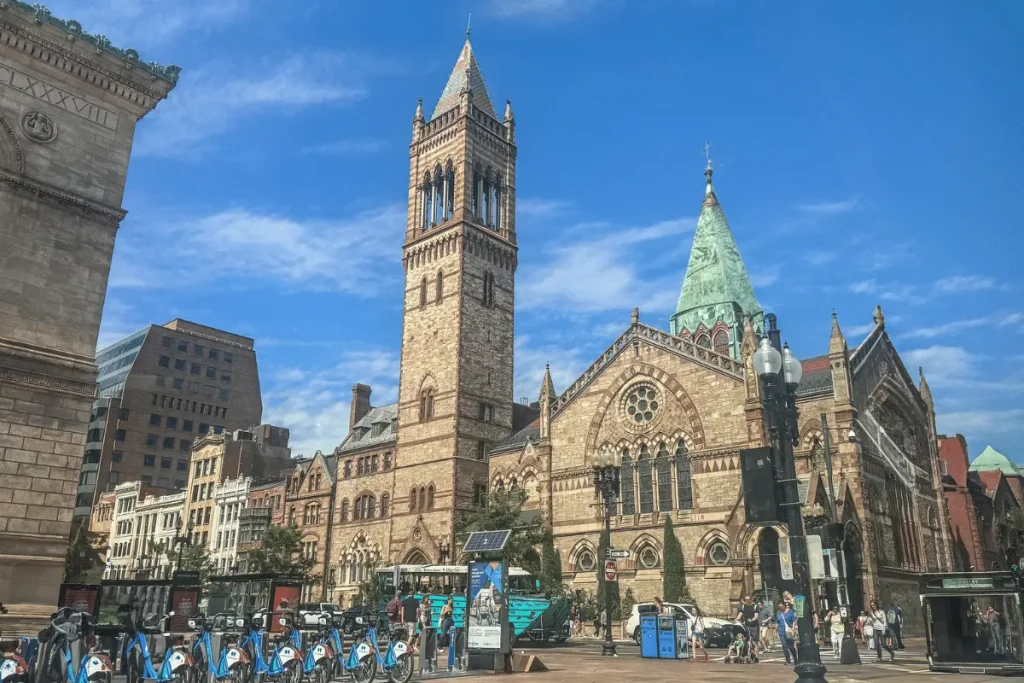
The Freedom Trail is one of the best introductions to Boston. The 2.5-mile route connects 16 historically significant sites, including Boston Common, the Massachusetts State House, Faneuil Hall, the Old State House, and sites connected with the USS Constitution.
But Boston is more than a history destination. The city also has museums, parks, distinctive neighborhoods, seafood, restaurants, sports, and a strong cultural scene.
Its compact nature makes Boston particularly suitable for shorter trips. Many popular experiences can be reached on foot or with relatively short public transportation journeys.
Best for: History, culture, museums, walking, food, and short city breaks.
Recommended length of stay: 2–4 days.
Practical travel tip: Bring comfortable shoes. Walking is one of the best ways to experience Boston’s historic streets and neighborhoods.
8. Las Vegas, Nevada
Las Vegas is very different from the other cities on this list, but that is exactly what makes it useful for certain travelers.

The city is built around entertainment. The Las Vegas Strip combines large resorts, restaurants, shows, attractions, pools, nightlife, and an increasingly diverse dining scene. Downtown Las Vegas and Fremont Street offer a different atmosphere from the major resort corridor.
Las Vegas is particularly effective for a short vacation because there is a high concentration of entertainment and dining options. With two or three days, you can experience several major attractions without needing a long itinerary.
It can also work as a base for travelers interested in exploring parts of southern Nevada, although that type of trip may make a rental car more useful.
Best for: Entertainment, shows, dining, nightlife, resorts, and short getaways.
Recommended length of stay: 2–4 days.
Practical travel tip: Do not judge distances on the Strip by looking at a map alone. Properties may appear close together but can take much longer to reach on foot than expected.
9. Seattle, Washington
Seattle is a particularly good option for travelers who want a city vacation with easy access to nature.

Pike Place Market and the waterfront are natural starting points. From there, visitors can explore the Space Needle, museums, neighborhoods, restaurants, coffee shops, parks, and views of the surrounding water and mountains.
Seattle’s waterfront has also become more connected and pedestrian-friendly, making it easier to combine waterfront attractions during a city visit.
The city’s location is one of its biggest advantages. Travelers who want to extend their vacation can add ferry trips, outdoor activities, and other Pacific Northwest experiences.
Best for: Food, coffee, waterfront experiences, city exploration, and access to nature.
Recommended length of stay: 3–4 days.
Practical travel tip: If you want to explore beyond Seattle, consider adding extra days rather than trying to squeeze several outdoor destinations into a short city break.
10. Charleston, South Carolina
Charleston offers a slower and more intimate alternative to the larger cities on this list.
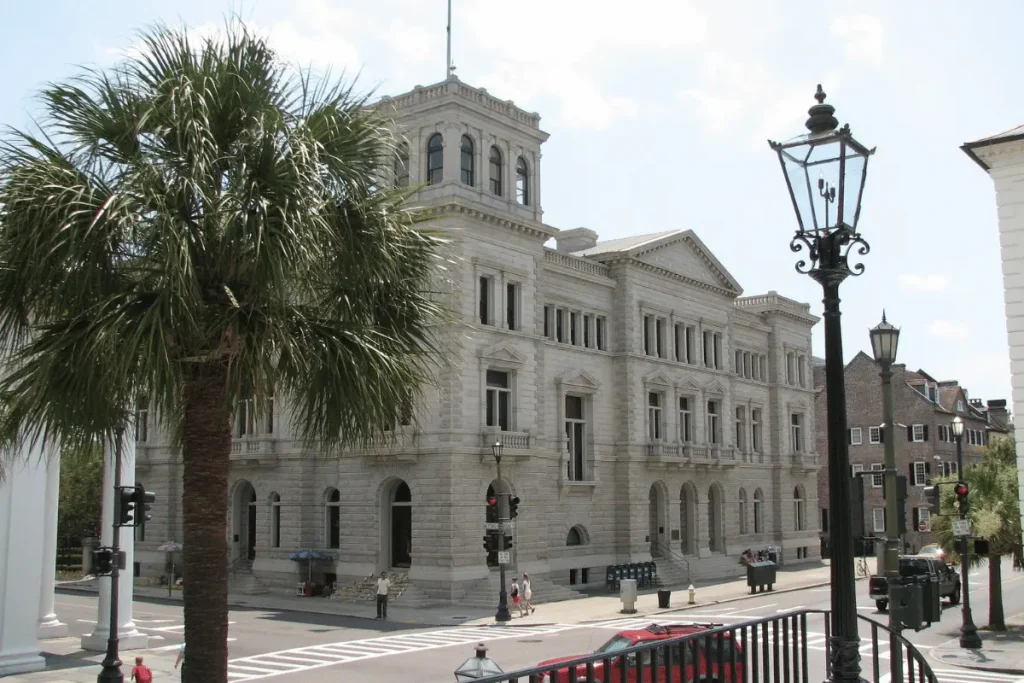
Its historic streets, preserved architecture, Southern food, waterfront setting, and distinctive local character make it especially appealing to couples, history lovers, and travelers looking for a relaxed getaway.
The historic district is well suited to exploring on foot. Instead of rushing between dozens of attractions, you can spend time walking through historic streets, visiting a few landmarks, enjoying a meal, and exploring the waterfront.
Nearby beaches provide another reason to add Charleston to a longer trip, particularly when the weather is suitable for outdoor activities.
Best for: History, food, couples, walking, relaxation, and weekend getaways.
Recommended length of stay: 2–3 days.
Practical travel tip: Staying close to the historic areas can make walking much easier. If you plan to visit beaches or attractions outside the city, having access to a car may be more useful.
Best Cities to Visit in the United States by Travel Style
Best Cities to Visit in the United States for First-Time Visitors
For a first trip to the United States, New York City is the strongest all-around option for travelers who want iconic landmarks, museums, food, shopping, entertainment, and the classic big-city experience.
Washington, D.C. is a better choice if history and museums are your priority. Chicago is especially appealing for architecture and food, while San Francisco provides a strong introduction to the West Coast.
There is no single right answer for every first-time visitor. Think about the experience you most want from your first U.S. trip rather than choosing a city simply because it is famous.
Best Cities to Visit in the United States for Food and Culture
New Orleans is one of the strongest choices for travelers who want distinctive regional food combined with music and local culture.
New York City offers enormous culinary variety, while Chicago combines famous local dishes with an international dining scene. Charleston is particularly appealing for Southern and Lowcountry cuisine, and San Francisco works well when food is just one part of a larger trip involving neighborhoods, scenery, and culture.
Best Cities to Visit in the United States for History and Museums
Washington, D.C. is the easiest recommendation for museum-focused travel, especially for visitors who want to spend time at the Smithsonian museums and major national landmarks.
Boston is better suited to travelers who want history woven directly into the streets and neighborhoods they explore. Charleston offers historic architecture and Southern history, while New Orleans provides a different perspective shaped by its distinctive cultural traditions.
Best Cities to Visit in the United States for Beaches and Warm Weather
Miami is the clearest choice on this list for travelers who want a traditional beach vacation without giving up restaurants, nightlife, art, and city experiences.
The advantage of Miami is that the beach does not have to be the entire itinerary. You can combine time by the water with neighborhoods such as Little Havana and Wynwood, restaurants, museums, and other attractions.
If warm weather is important but beaches are not your main priority, other destinations may make sense depending on the season and the type of trip you want.
Best Cities to Visit in the United States for a Weekend Trip
A good weekend destination should offer enough attractions to fill two or three days without requiring long travel times between major experiences.
Boston and Charleston are particularly manageable for short breaks. New Orleans is a strong choice when food and music are the priority, while Chicago works well for architecture, museums, and dining. Las Vegas is ideal for travelers who want a concentrated entertainment-focused weekend.
The best weekend city is ultimately the one that matches your interests. Trying to see everything in a large city in two days can make the trip feel rushed.
How to Choose the Best City in the United States for Your Trip
Consider Your Interests
Start with the type of experience you actually want.
For history and museums, Washington, D.C. and Boston are strong choices. For food and culture, New Orleans, New York City, Chicago, and Charleston stand out. For beaches and warm weather, Miami is the obvious choice. For shows and entertainment, Las Vegas is difficult to beat.
If you want a combination of city sightseeing and outdoor experiences, Seattle and San Francisco are worth considering.
Choosing based on interests is usually more useful than simply asking which city is “best.”
Consider the Season and Weather
The United States is geographically large, so weather can change dramatically from one destination to another.
Spring and fall are often comfortable seasons for sightseeing in cities such as New York, Boston, and Washington, D.C. Summer is popular for family vacations and outdoor activities, while winter can make warmer destinations such as Miami especially appealing.
Do not rely only on general climate descriptions when planning a trip. Check typical conditions for your travel dates and consider how much of your itinerary depends on outdoor activities.
Consider Your Trip Length
The number of days available should influence your choice.
A two- or three-day trip can work particularly well in Boston, Charleston, Las Vegas, or New Orleans. Longer stays make more sense in cities such as New York City and San Francisco, where there is enough variety to fill several days.
If you only have a weekend, choosing a city with a compact itinerary can make the trip more enjoyable than trying to cover a huge destination in a very short time.
Consider Your Budget and Travel Style
Look at the total cost of the trip rather than comparing hotel prices alone.
Your budget may need to cover:
- Accommodation
- Meals
- Transportation
- Attraction tickets
- Tours
- Parking
- Rental cars
- Other experiences
A hotel that appears inexpensive may not be the cheapest overall option if it is far from the attractions you want to visit and requires expensive transportation every day.
Likewise, paying slightly more for a convenient location can sometimes save enough time and transportation costs to make the higher room rate worthwhile.
Consider Whether You Need a Car
A rental car is not automatically necessary for a city vacation.
New York City, Boston, Washington, D.C., and Chicago are particularly practical for travelers who plan to rely on public transportation and walking. San Francisco can also be explored without a car for many typical sightseeing itineraries.
A car becomes more useful when your plans include several destinations outside the city, especially where public transportation is limited.
The simplest approach is to decide based on your actual itinerary rather than renting a car by default.
Best Time to Visit the Best Cities in the United States
There is no single best season for every U.S. city. The right time depends on weather, prices, crowds, events, and the activities you want to enjoy.
Spring and Fall
Spring and fall are often among the most comfortable seasons for sightseeing, particularly in the Northeast.
Boston, New York City, and Washington, D.C. can be especially pleasant when temperatures are suitable for walking. Charleston can also work well for travelers who want to combine historic neighborhoods with outdoor activities.
These shoulder seasons may offer a useful balance between comfortable weather and lower visitor demand, although prices vary by destination and travel dates.
Summer
Summer is one of the busiest travel periods in the United States, especially for family vacations and outdoor trips.
Seattle can be attractive for visitors interested in waterfront activities and nearby nature, while Chicago offers lakefront activities and a lively summer atmosphere.
The main trade-offs are crowds, higher accommodation demand, and potentially higher prices in popular destinations.
Winter
Winter changes the appeal of different cities.
Miami becomes particularly attractive for travelers looking for warm weather, beaches, and outdoor dining. Las Vegas can also work well as a winter getaway for travelers who want entertainment and dining rather than a beach vacation.
Colder cities such as New York, Boston, and Chicago remain worthwhile if your priorities are museums, restaurants, shopping, theater, and indoor attractions.
How Seasonal Weather Varies by Destination
The United States is too diverse for one simple seasonal rule.
Northeast: New York, Boston, and Washington, D.C. experience distinct seasons, including cold winters and generally comfortable spring and fall conditions.
South: Miami offers much warmer winter conditions, while New Orleans and Charleston can be particularly appealing during cooler parts of the year.
West Coast: San Francisco has its own microclimate and can feel cooler than visitors expect, especially near the water.
Pacific Northwest: Seattle’s weather can have a greater effect on outdoor plans, so travelers planning nature-focused activities should allow some flexibility.
Planning Your City Trip
Where to Stay in the Best U.S. Cities
Choosing the right neighborhood can have as much impact on your trip as choosing the city itself.

In New York, Chicago, Boston, San Francisco, and Washington, D.C., staying close to reliable public transportation can make sightseeing much easier.
In Miami and Charleston, neighborhood choice can be even more important because different areas offer noticeably different atmospheres.
Before booking accommodation, compare:
- Location
- Public transportation access
- Guest reviews
- Parking costs
- Included breakfast or amenities
- Resort or destination fees
- Cancellation policies
- Distance from the attractions you actually want to visit
The cheapest room is not necessarily the best-value room. A slightly more convenient location can reduce transportation costs and give you more time to explore.
Tours, Attractions, and Things to Book Ahead
Some experiences are worth arranging before your trip, particularly when availability is limited.
This can include:
- Popular attractions with timed entry
- Museum tickets
- Major shows
- Architecture cruises
- Guided tours
- Attraction passes
- Popular sightseeing experiences
Advance booking becomes especially useful when your travel dates are fixed, you are visiting during a busy season, or your itinerary depends on one particular attraction.
For example, travelers visiting San Francisco may want to arrange Alcatraz tickets ahead of time because demand can be high.
The same principle applies to popular shows in Las Vegas, architecture cruises in Chicago, major attractions in New York, and selected tours in cities such as Boston and Charleston.
When comparing options, look at the total value rather than choosing the first available ticket. Depending on your itinerary, an attraction pass or bundled experience may be useful if you plan to visit several paid attractions.
Getting Around the Best Cities to Visit in the United States
Transportation can have a major effect on both your budget and how much of the city you actually enjoy.
Walking: Excellent in parts of Boston, Charleston, New York City, and central Washington, D.C.
Public transportation: Particularly useful in New York City, Chicago, Boston, Washington, D.C., and San Francisco.
Rideshare: Convenient when public transportation is less direct or when traveling late at night.
Rental cars: More useful when your itinerary includes destinations outside the city.
Choose the transportation option that fits your itinerary rather than automatically choosing the most convenient-looking option.
A rental car should solve a transportation problem, not create an expensive parking problem.
Frequently Asked Questions About the Best Cities to Visit in the United States
What is the best city to visit in the United States for the first time?
For many first-time international visitors, New York City is the strongest all-around choice. It combines iconic landmarks, museums, restaurants, shopping, neighborhoods, entertainment, and a classic American big-city experience.
However, Washington, D.C., Chicago, and San Francisco can be better choices if your priorities are history, architecture, or West Coast scenery.
What are the best cities to visit in the United States for a weekend?
Boston, Charleston, New Orleans, Chicago, and Las Vegas are all strong choices for a weekend trip.
Boston and Charleston are relatively easy to explore in a short time. New Orleans works especially well for food and music, Chicago for architecture and museums, and Las Vegas for entertainment and dining.
Which U.S. cities are best for food and culture?
New Orleans is one of the strongest choices for travelers looking for distinctive regional food and music.
New York City offers enormous international variety, while Chicago combines famous local dishes with a broad dining scene. Charleston is a strong choice for Southern and Lowcountry cuisine, and San Francisco combines food with neighborhoods, scenery, and culture.
Which U.S. cities are best for history and museums?
Washington, D.C. is one of the strongest choices for museum-focused travel and national history.
Boston is ideal for travelers who want history integrated into the city itself, while Charleston offers historic architecture and neighborhoods. New Orleans provides a different historical experience shaped by its distinctive cultural traditions.
What is the best U.S. city for a family trip?
Washington, D.C. is a particularly strong option for families because it combines museums, monuments, educational experiences, and many attractions that do not require an admission fee.
New York City, Chicago, Miami, and San Francisco can also work well for families because they offer a wide variety of attractions and activities for different age groups.
Which U.S. cities are easiest to visit without a car?
New York City, Boston, Washington, D.C., and Chicago are among the easiest choices for a car-free city vacation.
San Francisco can also be explored without a car for a typical sightseeing itinerary. A vehicle becomes more useful when you plan to leave the city and visit surrounding destinations.
Final Thoughts on the Best Cities to Visit in the United States
The best city to visit in the United States is not necessarily the most famous one. It is the destination that fits the trip you actually want to take.
Choose New York City for iconic sights and big-city energy, Chicago for architecture and food, New Orleans for music and culture, San Francisco for landmarks and scenery, and Washington, D.C. for history and museums.
Choose Miami for beaches and warm weather, Boston for a compact historic getaway, Las Vegas for entertainment, Seattle for a combination of city and nature, or Charleston for history, food, and a slower pace.
For a first trip to the United States, New York City, Washington, D.C., Chicago, and San Francisco are strong starting points depending on your interests. For a shorter getaway, Boston, New Orleans, Charleston, and Las Vegas are easier to fit into a few days.
The smartest approach is not to visit as many cities as possible. Choose the one that best matches your interests, budget, season, and available time—and give yourself enough time to enjoy it.