
Los Angeles Travel Guide: 15 Best Things to Do & Travel Tips
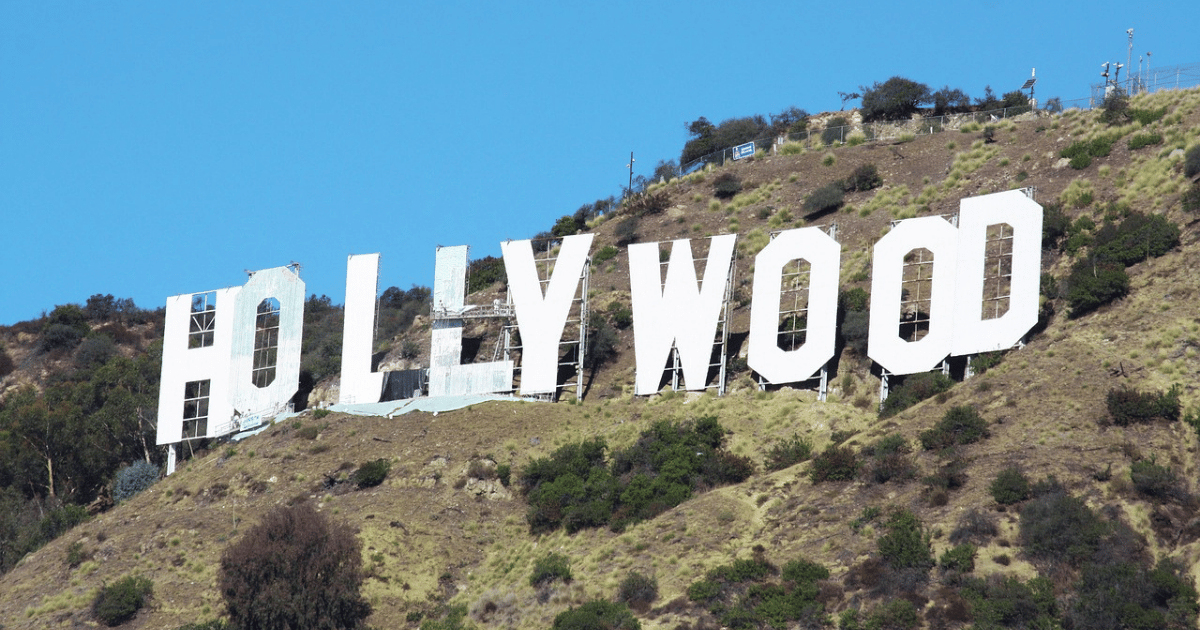
Los Angeles is a city where a single day can feel like several different trips. You can start the morning by the Pacific Ocean, spend the afternoon exploring Hollywood, and end the evening over dinner in Koreatown, Little Tokyo, or Downtown Los Angeles.
That variety is what makes Los Angeles exciting, but it also makes planning more important than in many other major U.S. cities. The attractions are spread across a large metropolitan area, so the best trip is usually one that groups nearby places together rather than trying to cross the city repeatedly.
This Los Angeles Travel Guide covers the essentials for a first visit, including the best things to do, neighborhoods to explore, where to stay, the best time to visit, transportation, food, itineraries, day trips, and practical money-saving tips.
Los Angeles Travel Guide: Why Visit Los Angeles?
Los Angeles is a good destination for travelers who want variety rather than a single type of vacation.
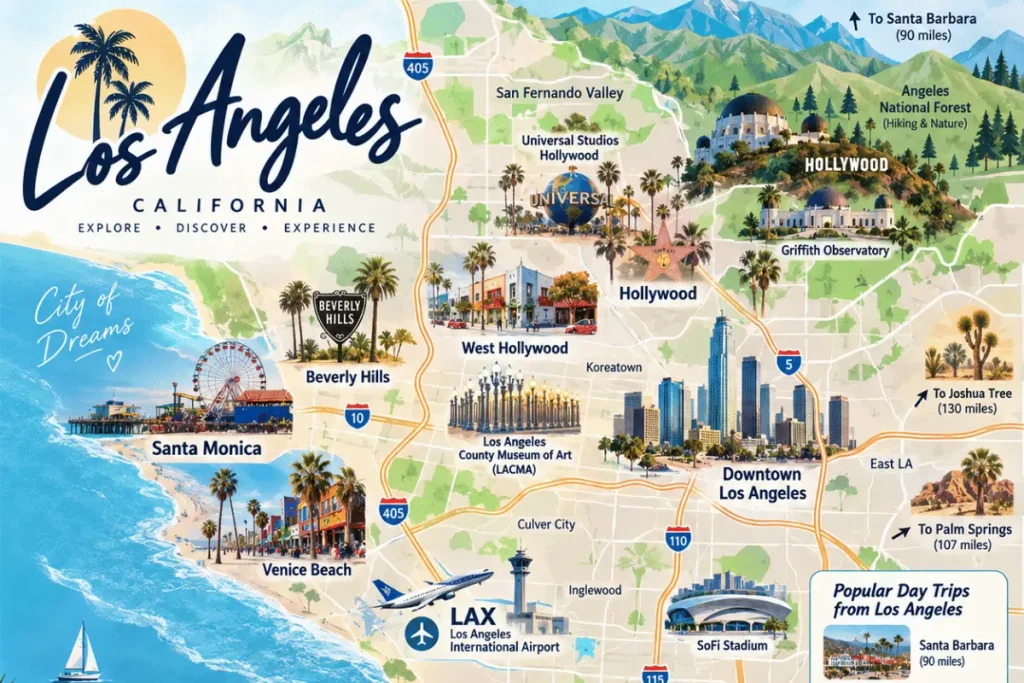
The city combines famous entertainment attractions with beaches, museums, parks, architecture, shopping, international food, and outdoor experiences. You can spend one day around Hollywood and Griffith Park, another along Santa Monica and Venice Beach, and another exploring museums and neighborhoods in the central part of the city.
Los Angeles is also a useful base for exploring Southern California. Coastal destinations, mountain landscapes, desert scenery, and smaller cities can all be reached by road, making the area especially attractive for travelers combining a city break with a road trip. If you’re planning to explore more of the state, see our guide to the best places to visit in California.
One thing to understand before visiting is that Los Angeles is not organized around one compact tourist center. Instead, it is better to think of the city as a collection of distinct areas. Planning by neighborhood can save significant time and make a short trip much more enjoyable.
For a first visit, focus on a few areas rather than trying to see everything. Hollywood, Griffith Park, Santa Monica, Venice Beach, and one or two cultural attractions can create a well-rounded introduction to the city.
Los Angeles at a Glance
| Category | Quick Guide |
|---|---|
| Best for | Beaches, entertainment, food, culture, museums, and road trips |
| Recommended stay | 3–5 days |
| Short trip | 1–2 days with a focused itinerary |
| Best seasons | Spring and fall for comfortable sightseeing |
| Summer | Warm, popular, and often busy |
| Winter | Generally mild, with more possibility of rain |
| Getting around | Metro, buses, walking, rideshare, and rental cars |
| Rental car | Useful for spread-out itineraries and day trips |
| Main airport | Los Angeles International Airport (LAX) |
| Planning strategy | Group activities by neighborhood |
Public transportation has become increasingly practical for visitors. LA Metro currently charges $1.75 for a regular one-way ride, with a daily fare cap of $5 and a seven-day cap of $18 when using the applicable tap-to-ride system. Transfers within two hours can also be free under the applicable fare rules. fare

The most important planning rule is simple: choose your base and organize each day around nearby attractions. That is often more useful than trying to find a hotel in the geographic center of Los Angeles.
Best Things to Do in Los Angeles
Top Attractions and Landmarks
Los Angeles has an unusually long list of famous attractions, so choosing based on your interests is more useful than creating a checklist of every major sight.
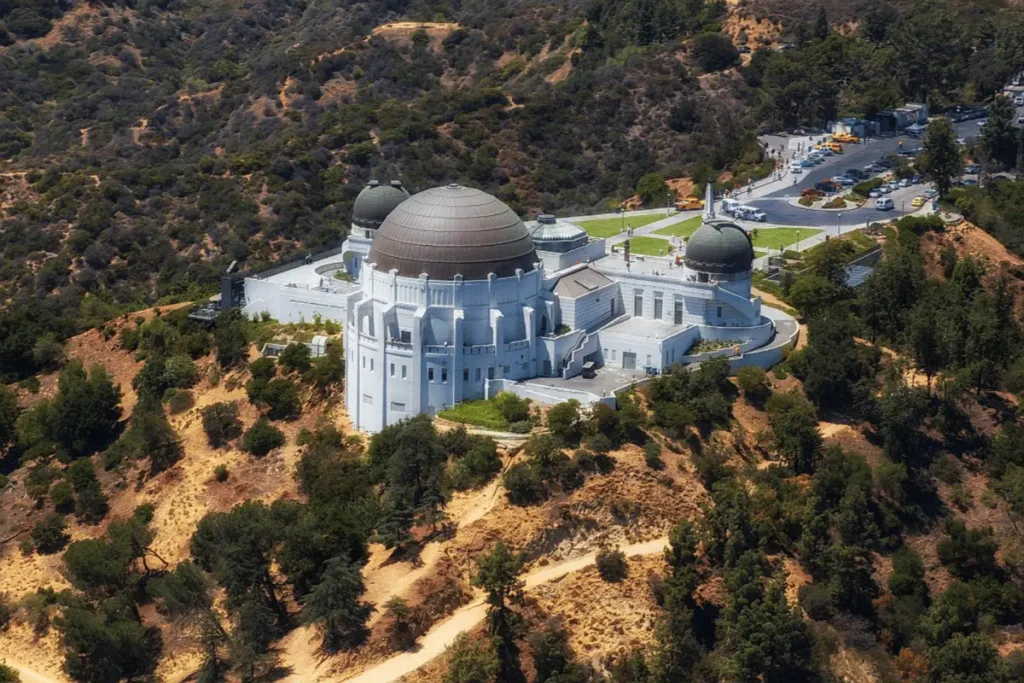
Hollywood is the natural starting point for travelers interested in movies, entertainment, and iconic Los Angeles landmarks. The Hollywood Walk of Fame, TCL Chinese Theatre, Hollywood Boulevard, and viewpoints toward the Hollywood Sign are popular first-visit experiences.
Nearby Griffith Park and Griffith Observatory offer something different: hiking opportunities, city views, and a chance to step away from the busiest tourist streets.
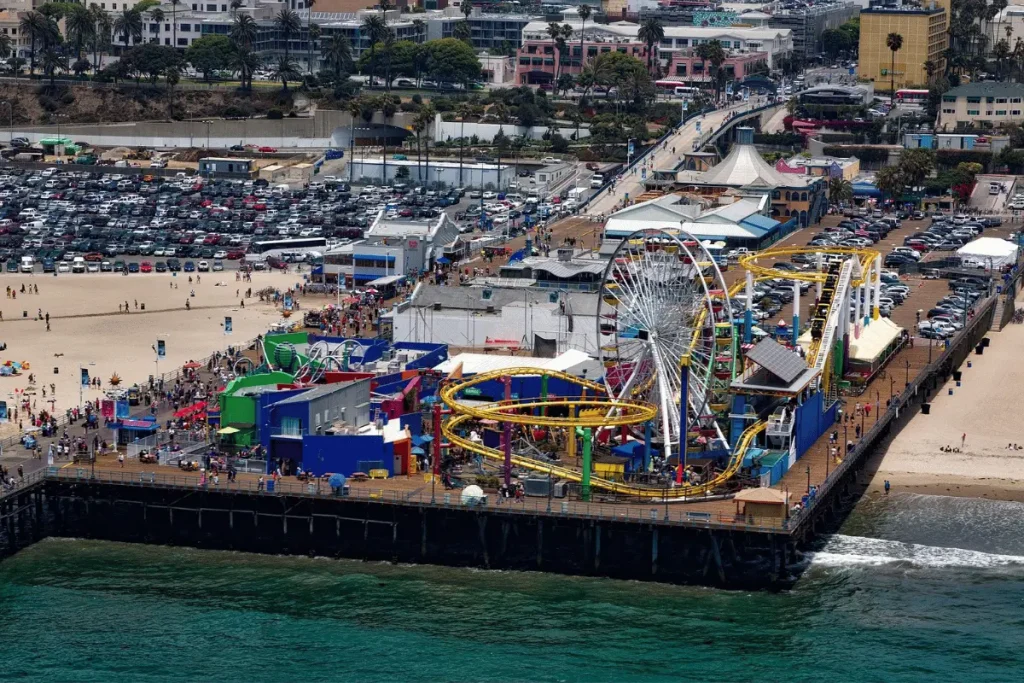
On the coast, Santa Monica Pier provides one of the city’s most recognizable beach experiences. The area combines the beach, restaurants, shopping, walking and cycling opportunities, and easy access to the waterfront.
Venice Beach has a more eclectic character, with its boardwalk, beach culture, public spaces, shops, and nearby Venice Canals.
For art and architecture, the Getty Center is one of the strongest additions to a Los Angeles itinerary. Admission is free, although timed-entry reservations are required, and parking is charged separately.
Other major attractions include:
- Los Angeles County Museum of Art
- The Broad
- Walt Disney Concert Hall
- Academy Museum of Motion Pictures
- Universal Studios Hollywood
- Griffith Park
- Downtown Los Angeles
- Little Tokyo
- Grand Central Market
A practical way to plan is to choose one major attraction and several smaller experiences around it. That creates a more relaxed day than moving across Los Angeles for one landmark at a time.
Best Free Things to Do
Los Angeles can be expensive, but many memorable experiences cost little or nothing.
Walking along the beach, exploring Griffith Park, visiting public viewpoints, wandering through interesting neighborhoods, and spending time outdoors can fill an entire day without expensive admission fees.
Some cultural attractions also offer free general admission or selected free-entry periods. The availability and reservation rules can change, so check the attraction’s official website before planning around a specific free day.
A simple low-cost day could look like this:
Morning: Explore Griffith Park or a local neighborhood.
Afternoon: Head toward Santa Monica or Venice Beach.
Evening: Watch the sunset near the coast and have dinner in one of Los Angeles’ diverse neighborhoods.
The key is to use Los Angeles itself as the experience rather than assuming every worthwhile activity requires a ticket.
Best Neighborhoods to Visit in Los Angeles
Los Angeles makes more sense once you stop thinking of it as one compact destination. Each neighborhood can offer a very different atmosphere, and choosing the right areas can make your trip considerably easier.
Hollywood
Hollywood is one of the most recognizable parts of Los Angeles and a logical choice for first-time visitors interested in movies, entertainment, celebrity culture, and famous landmarks.
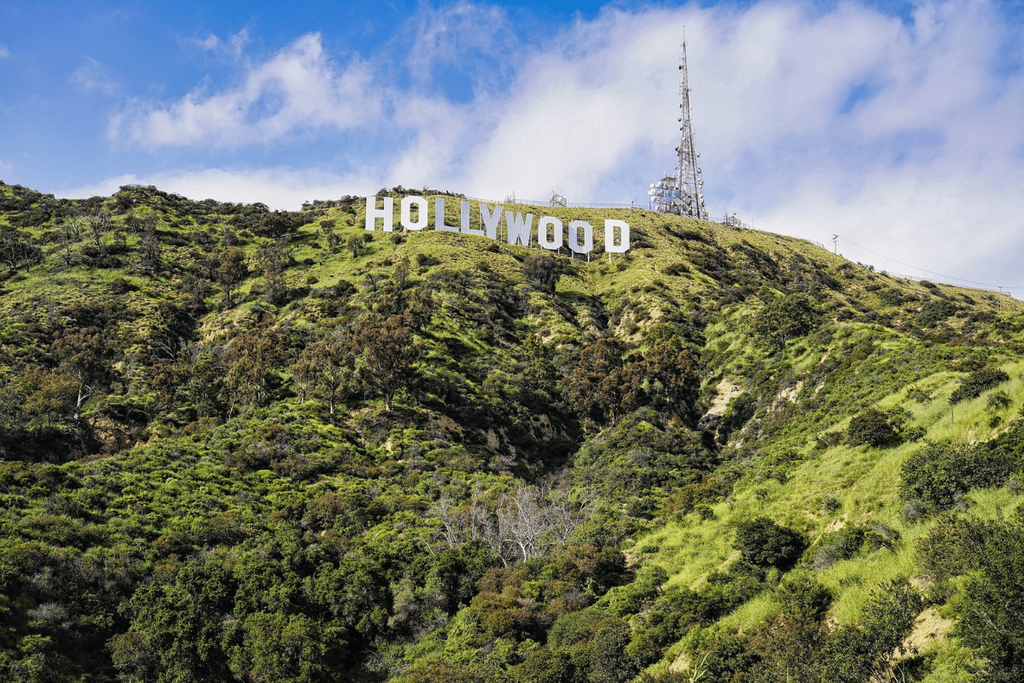
The main attractions include Hollywood Boulevard, the Walk of Fame, TCL Chinese Theatre, and access to Griffith Park and Hollywood Sign viewpoints.
Hollywood is busy and tourist-oriented, but that is also part of the experience. It works particularly well as a first introduction to the city’s entertainment side.
Best for: First-time visitors, landmarks, entertainment, nightlife, and movie culture.
Santa Monica
Santa Monica combines a beach destination with a relatively walkable urban core.
You can visit the pier, spend time on the beach, shop, eat, and walk or cycle along the coast without building a complicated schedule around every activity.

Santa Monica is also a useful base for travelers who want to prioritize the ocean during their stay.
The Santa Monica Pier remains open during ongoing bridge construction, with visitor access maintained through temporary arrangements and transit connections. Because construction conditions can change, check the city’s current access information before visiting.
Best for: Beaches, families, couples, coastal stays, and travelers who value walkability.
Venice Beach
Venice Beach has a more independent and eclectic atmosphere than nearby Santa Monica.
The boardwalk, beach, street performers, shops, restaurants, and surrounding streets make it a good place to explore without following a strict attraction-by-attraction itinerary.
The nearby Venice Canals offer a quieter change of pace and are worth adding when you want a break from the waterfront crowds.
Best for: Beach culture, photography, walking, local atmosphere, and relaxed exploration.
Where to Stay in Los Angeles
Choosing where to stay can have a major effect on both your budget and the amount of time you spend in traffic.
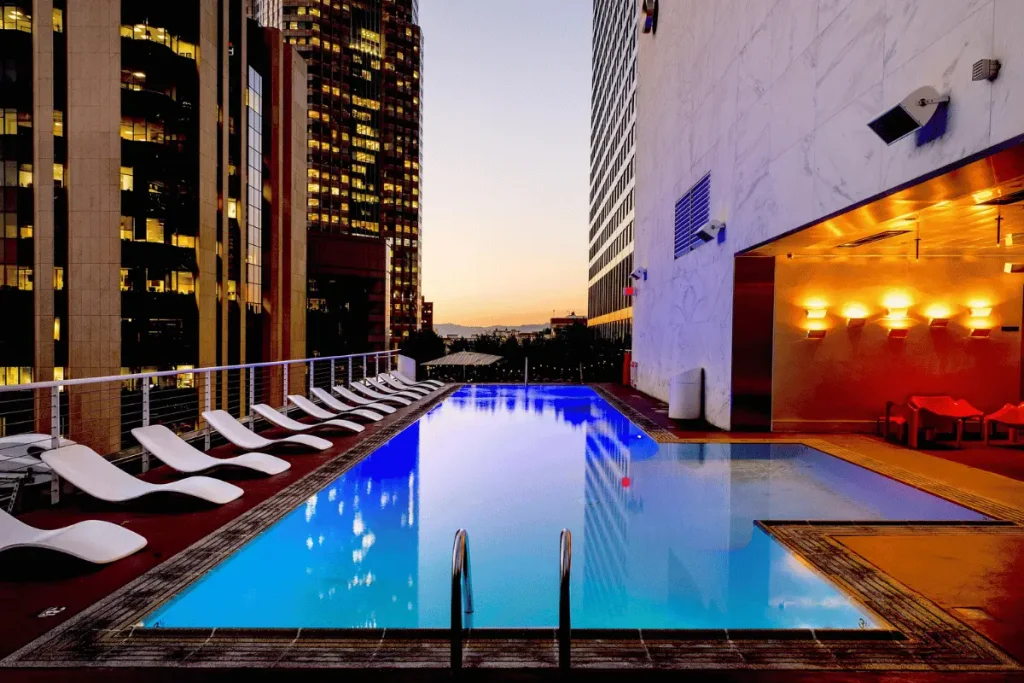
Instead of choosing a hotel simply because it looks central on a map, think about what you want to do most often during the trip.
Best Areas and Hotels
Santa Monica is a practical choice for travelers who want beach access, restaurants, shopping, and a more walkable environment. It can be especially convenient for couples and families who want to spend substantial time on the coast.
West Hollywood works well for travelers focused on restaurants, nightlife, design, and access to Hollywood and Beverly Hills.
Hollywood is convenient for first-time visitors who want to be close to major entertainment attractions and Hollywood Boulevard.
Downtown Los Angeles can make sense for visitors interested in museums, events, sports, restaurants, and Metro connections. Downtown is also comparatively compact, with walkable areas and extensive transit access.
Venice is a good fit for travelers who want beach access and a more relaxed, independent atmosphere.
Beverly Hills is worth considering for travelers interested in luxury hotels, upscale shopping, and fine dining.
When comparing hotels, look beyond the advertised nightly rate. Check:
- Parking charges
- Resort or destination fees, if applicable
- Cancellation policies
- Breakfast options
- Room size
- Distance to your main attractions
- Access to public transportation
For a short Los Angeles trip, paying a little more for a convenient location can sometimes save more money overall by reducing transportation costs and lost time.
Best Time to Visit Los Angeles
Los Angeles can be visited throughout the year, but the ideal timing depends on what you want to do.
Spring is generally comfortable for sightseeing, outdoor attractions, neighborhood walks, and coastal activities.
Summer is popular for beach trips and long daylight hours. It can also be busier, and inland neighborhoods may feel significantly warmer than the coast.
Fall is another comfortable period for combining city sightseeing, outdoor activities, and road trips.
Winter is generally mild compared with many other parts of the United States, although rain is more likely and outdoor plans may need some flexibility.
For travelers planning a balanced sightseeing trip, spring and fall are particularly practical because they often offer comfortable conditions without making the entire itinerary dependent on beach weather.
Weather by Season
| Season | What to Expect |
|---|---|
| Spring | Mild conditions, occasional rain, comfortable sightseeing |
| Summer | Warm to hot inland, generally cooler near the coast |
| Fall | Comfortable weather and good conditions for exploring |
| Winter | Mild overall with a greater chance of rain |
Los Angeles does not have exactly the same weather everywhere. The coast, inland neighborhoods, valleys, and higher elevations can feel noticeably different on the same day.
For that reason, layers are useful. A morning near the beach can feel cool while temperatures inland become much warmer later in the afternoon.
How Many Days Do You Need in Los Angeles?
For most first-time visitors, 3–5 days provides a good balance between seeing major attractions and leaving enough time to explore neighborhoods and eat well.
With 1 day, choose one compact area and keep the schedule realistic.
With 2 days, you can divide the trip between Hollywood and Griffith Park on one day and Santa Monica and Venice on another.
With 3 days, you can add Downtown Los Angeles, museums, or another cultural experience.
With 4–5 days, you have more freedom to slow down, revisit the coast, explore additional neighborhoods, or add a day trip.
A longer stay also makes it easier to include nearby destinations in Southern California.
1-Day Los Angeles Itinerary
A one-day trip should focus on a limited geographic area rather than trying to cross the entire city several times.
Morning: Start around Hollywood Boulevard and explore the major landmarks.
Late morning: Continue to Griffith Observatory or Griffith Park.
Afternoon: Travel toward Santa Monica.
Late afternoon: Spend time at Santa Monica Beach and the Pier.
Evening: Watch the sunset and have dinner around Santa Monica or Venice.
This is a busy itinerary, but it gives first-time visitors a taste of both the entertainment and coastal sides of Los Angeles.
2-Day Los Angeles Itinerary
Day 1: Hollywood & Griffith Park
Start with Hollywood Boulevard, the Walk of Fame, and nearby attractions. Continue to Griffith Park and Griffith Observatory, depending on your interests and available time.
End the day with dinner in West Hollywood or another nearby neighborhood.
Day 2: Santa Monica & Venice
Spend the morning around Santa Monica Pier and the beach.
Continue toward Venice, exploring the boardwalk, Venice Canals, and surrounding streets.
Finish the day along the coast around sunset.
This two-day plan works because the two days offer very different sides of Los Angeles without requiring constant cross-city travel.
3-Day Los Angeles Itinerary
Day 1: Hollywood & Griffith Park
Explore Hollywood Boulevard, the Walk of Fame, Griffith Park, and Griffith Observatory.
Day 2: Santa Monica & Venice
Spend most of the day on the coast, combining Santa Monica and Venice Beach.
Day 3: Culture & Downtown LA
Choose one or two cultural attractions such as The Broad, Walt Disney Concert Hall, or another museum, then explore Downtown Los Angeles.
Finish with dinner in Koreatown, Little Tokyo, or another neighborhood that matches your interests.
A three-day structure also aligns with the way local tourism guidance organizes a short Los Angeles visit around Downtown, Hollywood, and the Beach Cities.
Food and Local Experiences
Food is one of the easiest ways to experience the cultural diversity of Los Angeles.

Mexican food is an important part of the city’s food identity, but the culinary scene stretches far beyond tacos and burritos. Los Angeles is also known for Korean barbecue, Japanese food, Chinese cuisine, Persian dishes, Thai food, Salvadoran food, bakeries, specialty coffee, burgers, and modern California cooking.
Rather than searching for one universally “best” restaurant, choose food experiences based on the neighborhood you are already visiting.
Koreatown is a natural stop for Korean barbecue and other Korean specialties.
Little Tokyo is well suited to Japanese restaurants, ramen shops, sushi, bakeries, and cafés.
East Los Angeles and Boyle Heights are useful areas to explore Mexican food and local food culture.
Thai Town is a convenient introduction to Los Angeles’ Thai food scene.
Grand Central Market is practical for groups because different travelers can choose different foods in one location.
For a first visit, try to include at least one meal outside the most heavily visited tourist districts. That is often when Los Angeles starts to feel less like a checklist and more like a living city.
Getting Around Los Angeles
Los Angeles is possible without a car, but the answer depends heavily on where you stay and what you plan to visit.
Public transportation is most useful when your itinerary is concentrated around neighborhoods and major transit corridors.
Transportation, Parking, and Airport Tips
Metro: LA Metro connects major parts of Los Angeles County by rail and bus. The regular fare is currently $1.75, with daily and weekly fare caps when using the applicable tap-to-ride system.
Walking: Walking is particularly useful within Santa Monica, Venice, parts of Downtown Los Angeles, and some sections of West Hollywood.
Rideshare: Rideshare services can fill gaps when a Metro station is not close to your destination.
Rental car: A car becomes more useful when your itinerary covers several spread-out parts of Los Angeles or includes day trips.
Parking: Always check whether your hotel charges for parking before booking. Beach areas and major attractions can also become difficult or expensive for parking during busy periods.
At LAX, the airport’s Metro Connector Shuttle currently runs between the airline terminals and the LAX/Metro Transit Center, operating daily from 4 a.m. to 1 a.m. and connecting travelers with Metro rail and bus services.
LAX rental-car operations also changed in 2026, with rental-car offices serving the airport operating from the Rental Car Center or off-airport locations and using authorized shuttle services. Check the latest airport instructions before pickup. flylax
The best transportation strategy for many visitors is a combination of walking, Metro, rideshare, and a rental car only when necessary.
Safety and Money-Saving Tips
Los Angeles is a major metropolitan area, so the same basic precautions that apply in other large cities are useful here.

Do not leave luggage, electronics, or other valuables visible inside a parked car. This is especially important when stopping at viewpoints, beaches, and tourist areas.
At night, stay in active areas when possible and use established transportation options.
For saving money, begin with the free side of Los Angeles. Beaches, parks, neighborhood walks, public viewpoints, and selected cultural attractions can provide a full day of experiences without expensive admission fees.
Accommodation is another major opportunity to control costs. Compare the total trip cost, not just the room rate. A cheaper hotel with expensive parking and long daily drives can cost more overall than a slightly more convenient property.
You can also save time by planning geographically. A Westside day should generally stay on the Westside, while a Hollywood or Downtown day should focus on nearby attractions.
The same principle applies to food: eating in the neighborhoods you are already visiting is usually easier than crossing the city for one restaurant.
Best Day Trips from Los Angeles
Los Angeles is also a convenient starting point for exploring Southern California.
Before adding a day trip, consider the travel time carefully. A destination that looks close on a map can take much longer depending on traffic and the time of day.
Santa Barbara
Santa Barbara is a coastal destination northwest of Los Angeles known for its beaches, Spanish-influenced architecture, restaurants, and access to surrounding wine-country experiences.

It is a good choice for travelers who want a slower coastal day with a different atmosphere from Los Angeles.
Depending on the itinerary, Santa Barbara can be reached by car or train, which makes it one of the more flexible options for travelers who do not want to drive every day.
Malibu
Malibu is a natural choice for a coastal day trip.
A day here can combine beaches, scenic viewpoints, hiking opportunities, Pacific Coast Highway scenery, and stops in the Santa Monica Mountains.
Malibu works especially well when you want a road-trip feel without committing to a full day far from Los Angeles.
Joshua Tree National Park
Joshua Tree offers a dramatic contrast to the city, with desert landscapes, unusual rock formations, Joshua trees, hiking, climbing, and dark night skies. The National Park Service identifies Joshua Tree as the meeting point of the Mojave and Colorado deserts.
The park is roughly 140 miles east of Los Angeles, so it is a substantially longer day trip than Santa Monica or Malibu.
Start early, check current park conditions, carry sufficient water and supplies, and allow enough time for the return journey. The park has limited services inside, and summer heat can create serious conditions.
Palm Springs
Palm Springs offers a completely different atmosphere, combining desert scenery, architecture, resorts, restaurants, and outdoor experiences.
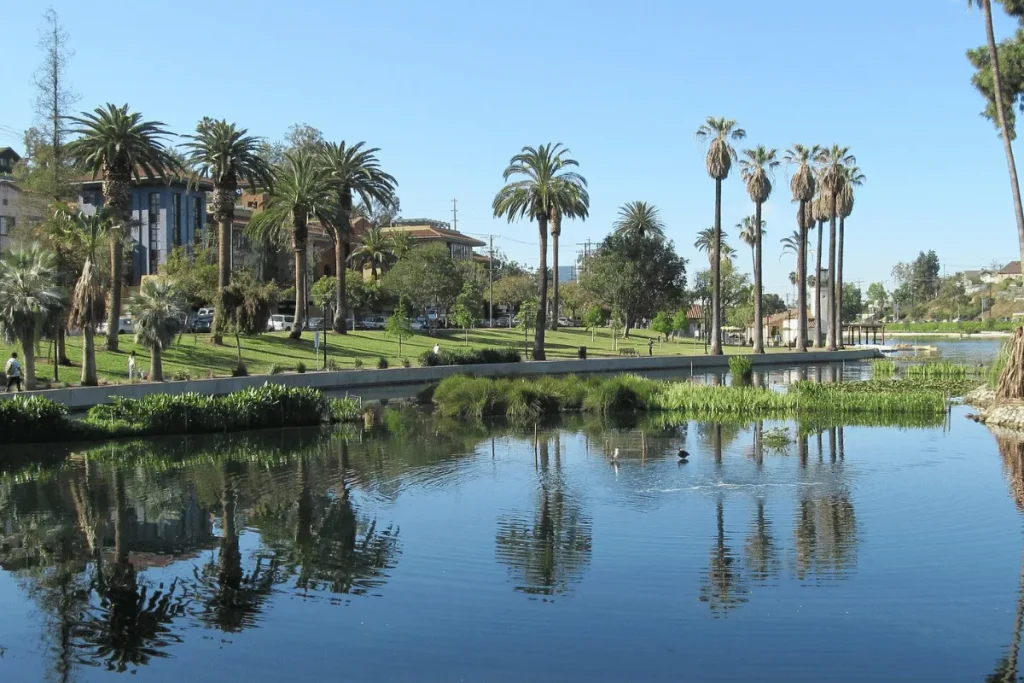
It is particularly appealing to travelers who want to add a slower desert destination to a Southern California road trip.
The city can work well as an overnight stop when you have more time rather than trying to squeeze every attraction into a single day.
Frequently Asked Questions About the Los Angeles Travel Guide
Is Los Angeles Worth Visiting for the First Time?
Yes, Los Angeles can be a rewarding first-time destination, especially for travelers interested in beaches, entertainment, food, museums, neighborhoods, and outdoor experiences.
The main challenge is its size. A first visit becomes much easier when you choose a few priority areas and organize each day geographically.
How Many Days Are Enough for Los Angeles?
Three days is a practical starting point for many first-time visitors.
One or two days can cover the highlights with a focused itinerary, while four or five days gives you more time for museums, neighborhoods, restaurants, and slower beach days.
Travelers who want to include major day trips should consider staying longer.
What Is the Best Area to Stay in Los Angeles?
There is no single area that works for every traveler.
Choose Santa Monica for a beach-focused trip, Hollywood for major entertainment attractions, West Hollywood for restaurants and nightlife, Downtown Los Angeles for museums and transit access, Venice for beach culture, or Beverly Hills for a luxury-oriented stay.
The best choice is usually the area that is closest to the experiences you want to repeat during your trip.
Is Los Angeles Easy to Explore Without a Car?
Los Angeles can be explored without a car when your itinerary is concentrated in transit-friendly and walkable areas.
Metro is particularly useful along major corridors, while walking works well in places such as Santa Monica, Venice, and parts of Downtown. Rideshare can help connect transit stops with destinations that are harder to reach.
A rental car becomes more useful when visiting multiple spread-out areas or taking day trips.
What Is the Best Time to Visit Los Angeles?
Los Angeles is a year-round destination.
Spring and fall are particularly convenient for travelers who want comfortable sightseeing and outdoor activities. Summer is useful for beach-focused vacations but can be busier and warmer inland, while winter is generally mild with a greater chance of rain.
Always check the forecast for the specific neighborhoods on your itinerary because coastal and inland conditions can differ.
Final Thoughts
Los Angeles is not a city you need to “complete.” A better approach is to choose the parts of the city that match your interests and give yourself enough time to enjoy them.
For a first trip, a combination of Hollywood, Griffith Park, Santa Monica, Venice Beach, and one or two cultural attractions provides a strong introduction to the city.
Three days can cover the major highlights, while four or five days gives you more flexibility to explore neighborhoods, try more restaurants, and add a day trip.
The most useful planning rule is to group your activities by location. Walk when the neighborhood is easy to explore on foot, use Metro where it makes sense, and rent a car only when it adds genuine value to your itinerary.
Before your trip, check official attraction hours, transportation updates, parking conditions, and any temporary construction or access changes. For example, Santa Monica’s Pier access and surrounding traffic arrangements are currently affected by bridge construction, while LAX transportation operations continue to evolve.
Most importantly, leave some room in your schedule. Los Angeles is often more enjoyable when you have time for the restaurant, neighborhood, viewpoint, beach, or small discovery that was never part of the original plan.